REVIEW · HO CHI MINH CITY
HCM: 2-Day Mekong Delta Floating Market with Cooking & Bike Ride
Book on Viator →Operated by SST TRAVEL · Bookable on Viator
If you want the Mekong Delta in two days, this plan hits a lot of the right notes. You’ll go from Ho Chi Minh City to Vinh Trang Pagoda, then down to My Tho for boats, fruit gardens, and canal rowing before swinging into Can Tho for the early Cai Rang Floating Market on Day Two.
I especially like how the day-by-day flow mixes bigger set pieces with smaller, sensory stops: honey tea at a bee farm, coconut candy tasting, and a rowing-boat trip through narrow canals. I also like that the cooking part is hands-on, not just watching—learning Bánh Xèo or Bánh Khọt and eating what you make. One drawback to consider: the schedule is packed, and there are occasional reports of last-minute operator changes or messages that ask for extra money, so it’s smart to confirm exactly what’s included and what you should pay.
In This Review
- Group energy, a real guide, and why timing matters
- Key highlights worth your attention
- From Ho Chi Minh City to Vinh Trang Pagoda: the ride that sets expectations
- My Tho Port and Ky Lan Unicorn Island: boats, canals, and floating-life glimpses
- Coconut candy, coconut wine options, and honey tea breaks that taste like the Delta
- Lunch, then Can Tho by afternoon: how to handle the packed schedule
- Ben Tre province by bike: orchards, monkey bridge or crocodile farm, then hammock time
- Cai Rang Floating Market in the morning: your best photo and people-watching window
- Hands-on cooking: Bánh Xèo or Bánh Khọt, then cycling through village life
- Price, hotel, and what you’re really paying for
- A small heads-up on organization and how to avoid surprises
- Who should book this Mekong Delta floating market tour
- Should you book it?
Group energy, a real guide, and why timing matters
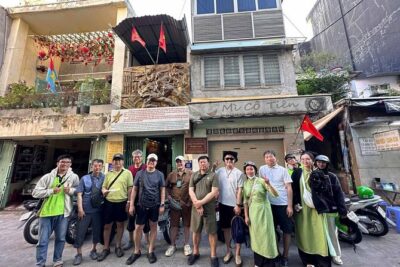
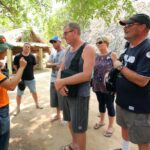
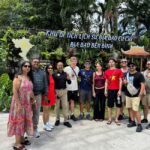
This runs as a small-group tour (up to 20), with a professional English-speaking guide and hotel pickup/drop-off in District 1. In past experiences with this route, the guide name Hau shows up—energetic and good at herding the group without killing the fun. You’ll spend about 15–16 hours each day, so bring patience for transfers and a light attitude: you’re buying movement, not lingering.
Key highlights worth your attention
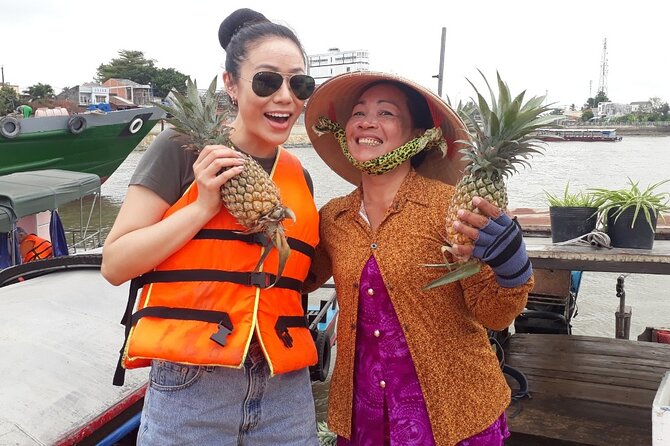
- Early Cai Rang access: the floating market is at its busiest in the morning slot
- My Tho island loop: Ky Lan (Unicorn Island) plus nearby river stops and photo breaks
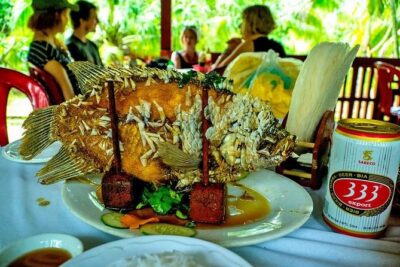
- Cooking with your hands: make either Bánh Xèo or Bánh Khọt, then eat lunch
- Ben Tre by bike: countryside cycling plus a breather with hammock free time
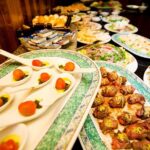
- Multiple food stops: coconut candy, coconut wine options, honey tea, fruits, and tasting snacks
- Comfort included where it counts: bottled water, AC van/transfer, and a 3-star hotel night
You can also read our reviews of more cycling tours in Ho Chi Minh City
From Ho Chi Minh City to Vinh Trang Pagoda: the ride that sets expectations
Day One begins early, with departure around 7:30 am and pickup from the center of District 1. The route to the Mekong includes a smooth bus ride—about an hour and a half of countryside views—so you get that “we’re leaving the city behind” feeling without needing to plan anything.
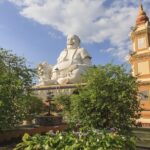
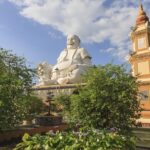
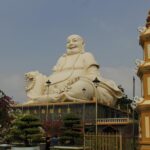
The first big cultural stop is Vinh Trang Pagoda, timed right after the morning rest break. The value here is balance: before you get splashed by boat rides and island paths, you get a calm, structured pause that helps the rest of the day feel less chaotic. It’s also a good way to stretch your legs after the drive.
Practical note: you’ll be on the move for most of the day. Wear something comfortable for walking on uneven surfaces, and keep your phone handy—pagodas and river areas both give good photo chances.
My Tho Port and Ky Lan Unicorn Island: boats, canals, and floating-life glimpses
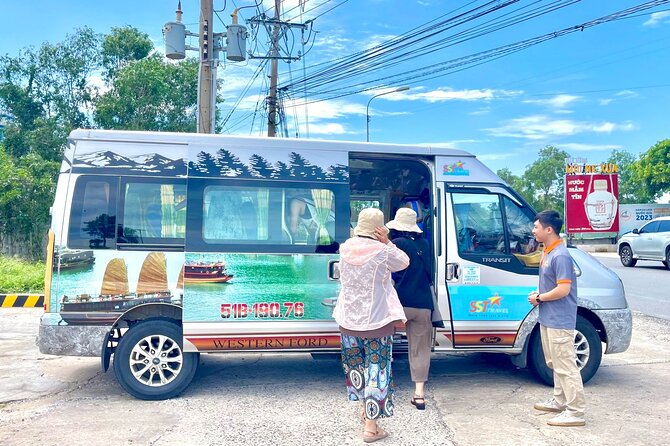
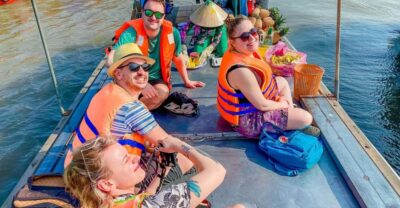
After arriving at My Tho Port, the tour shifts into river mode fast. You’ll take a cruise to Ky Lan (Unicorn Island) and join the daily rhythm of local life. This isn’t staged in the way theme-park tours can be. Instead, you’ll spend time on the water and around river activities that feel part of everyday routines.
On the route, you’ll pass through river scenes like fishing areas, floating houses, and smaller nearby islands (including named stops like Dragon, Phoenix, and Turtle islands). These moments matter because they teach you how the Delta works: homes, work, and transport all share the same “road,” which is the water.
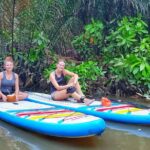
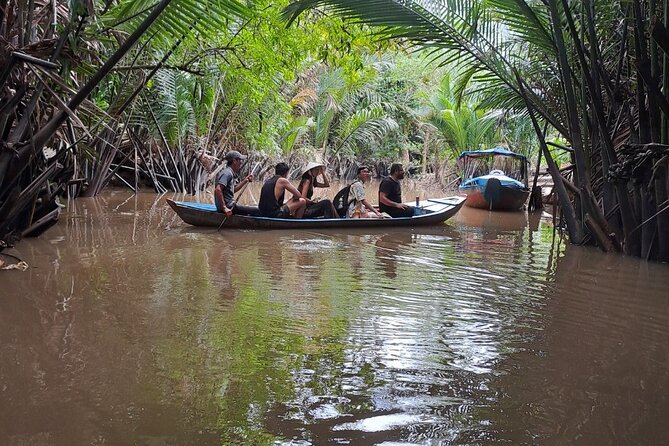
Then comes the part that often makes people remember the day: a canal experience. You’ll do a rowboat trip on smaller waterways and spend time around orchard gardens. If you’re hoping for a photo-friendly, slow-down moment, this is your best bet on Day One—especially compared to the bigger boats and longer transfers.
A consideration: water trips can be harder if you’re sensitive to motion. It’s not described as optional, so if you worry about seasickness, pack what you need and take slow breaths before boarding.
Coconut candy, coconut wine options, and honey tea breaks that taste like the Delta
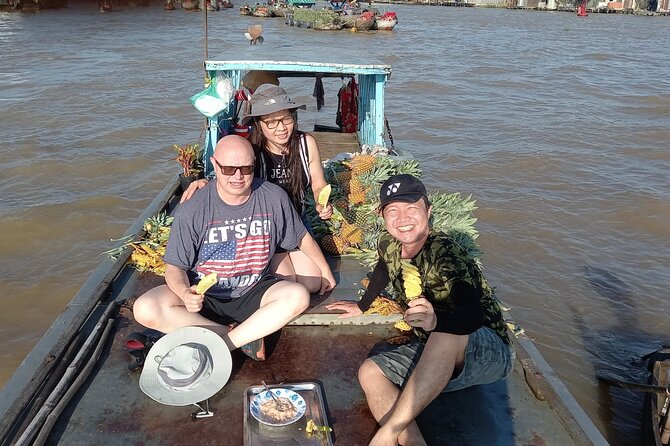
Between the boat segments, you’ll hit a Coconut Candy Workshop, where you can try special candies (including sugar-free options) and coconut wine. This kind of stop is more than snacking. It’s a quick lesson in how local flavors are turned into sellable products—something you can connect to what you’re seeing on the islands and orchards.
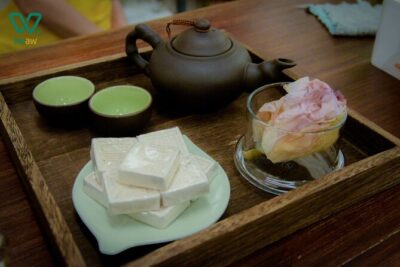
After that, you’ll move into the fruit-and-garden time: enjoying tropical fruits, listening to Southern Vietnamese folk music, and stopping at a bee farm for honey tea. I like this sequence because it slows down the senses. You’re not just traveling; you’re eating, smelling, and listening in the kind of place where these sounds naturally belong.
There are also playful photo moments along the way, including the chance to take a photo with a python (as offered by the tour stops). If you’re not into animal photo ops, you can usually just skip the moment and refocus on the gardens and boats.
Lunch, then Can Tho by afternoon: how to handle the packed schedule
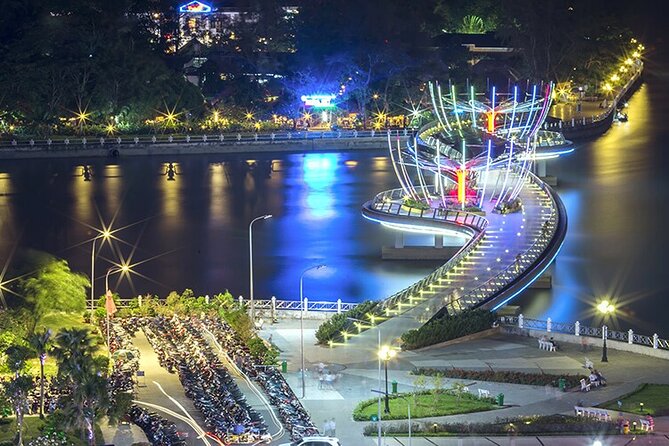
Lunch lands after a motorized rickshaw segment, typically around late morning to midday. Then you depart to Can Tho and check into a 3-star hotel by late afternoon (around 5:00 pm on Day One).
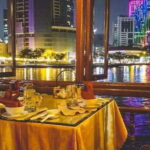
This timing is useful. You get enough daylight to settle in, freshen up, and still have a real evening to explore. The tour even leaves room for free time to look around the Can Tho night scene.
What to do with that free time? Keep it simple: a short walk, a local drink, and something easy to eat. With a tour this active, you’ll appreciate an early night. Day Two starts early again, and you’ll feel it if you don’t.
You can also read our reviews of more shopping tours in Ho Chi Minh City
Ben Tre province by bike: orchards, monkey bridge or crocodile farm, then hammock time
Day Two’s focus expands to Ben Tre province. You’ll visit a crocodile farm or monkey bridge (the tour offers a choice of these kinds of attractions at that stage). Either way, the point is the same: a quick, memorable Delta-style animal stop before you shift into the slower pace of cycling.
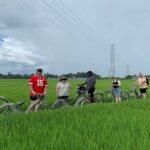
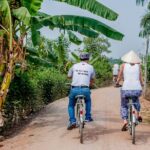
The best part for many people is the bike ride around the island and the later village cycling segment. Cycling is one of the few ways to get a feel for the area without constantly climbing in and out of boats. Roads here can be uneven or narrow, so go steady and treat the ride as part of the sightseeing—not a fitness test.
Then you’ll get a breather: time to relax on a hammock. That free time matters because the tour stacks a lot of activities. If you come in expecting nonstop action from start to finish, you’ll still appreciate the hammock break—because it gives your body a chance to catch up.
Cai Rang Floating Market in the morning: your best photo and people-watching window
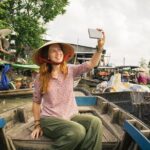
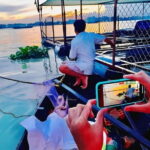
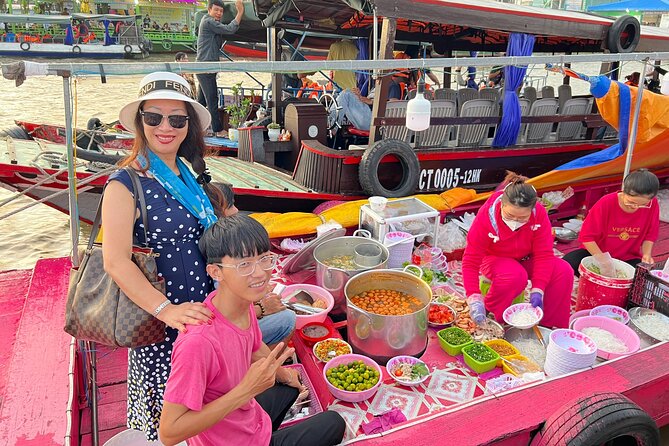
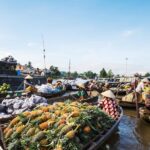
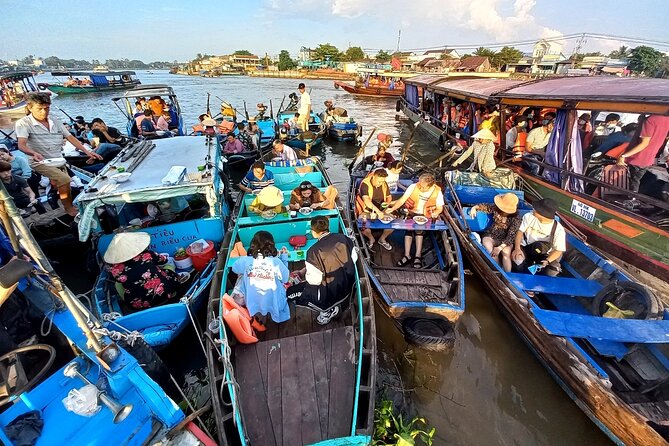
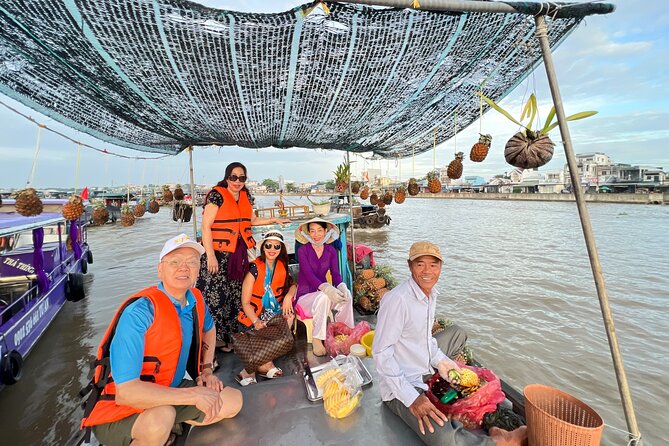
The headline on Day Two is the Cai Rang Floating Market boat trip in the morning. Timing is everything here. The market is described as being at its busiest at that early hour, which means more boats, more vendor activity, and a better chance to see how trade happens on the water.
What you’ll get is a live picture of daily work: boats selling fresh fruits and vegetables, plus local goods. You’ll also see traditional production activity related to local foods—rice noodle-making is mentioned as part of the morning experience.
Two tips for making this segment work for you:
- Go with a mental checklist of shots you want (boats stacked near each other, vendor selling from boats, close-up food visuals), but don’t stress about perfect photos.
- Dress for sun and spray. Morning light is great, but river air and boat motion can mean you’ll feel it.
Hands-on cooking: Bánh Xèo or Bánh Khọt, then cycling through village life
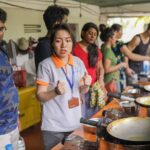
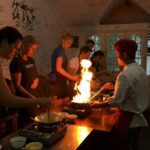
After the floating market, you return for breakfast and continue with the rest of the day. You’ll learn how to cook either Bánh Xèo or Bánh Khọt, two classic dishes from the region. The value of this class is that you don’t just get a meal—you get process. You’ll see how ingredients come together and you’ll eat what you made for lunch.
Then comes the village cycling. This is where the tour tries to connect the dots between food and daily life: you’re moving through local areas, seeing how the environment supports farming and transport, and you’re not stuck staring at one boat or one stall for hours.
There’s also a transfer to visit a historic house after check-out, based on the Day Two flow. The details of the house aren’t spelled out, so think of it as a short cultural palate cleanser between meals and rides.
Price, hotel, and what you’re really paying for
At $66 per person for this 2-day format, the price looks low at first glance—until you break down what’s included. You get two lunches and one breakfast, plus entrance and boat fees, bottled water, an English-speaking guide, and an overnight stay in a 3-star hotel. Add in air-conditioned vehicle transport and District 1 pickup/drop-off, and the value starts making sense.
This is the kind of tour where you’re paying for someone else to handle the sequencing: buses, ports, boat timing, meal stops, and the cooking class. If you were to recreate it yourself, the hardest part usually isn’t the sightseeing. It’s the logistics and time management.
One more budget item to note: a single supplement of 400,000 VND applies for solo travelers needing a single room. If you’re traveling solo, that can change the true cost.
A small heads-up on organization and how to avoid surprises
No tour is perfect, and this one has a known risk area. There are reports of late messages asking for more money and even switching between tour companies during the trip. Sometimes that kind of change happens quietly; other times, it turns stressful fast.
Here’s how to protect yourself:
- Screenshot your booking details and what it says is included (meals, hotel, boat/entrance fees).
- If you get any message requesting extra payment, pause and check against your package terms before agreeing.
- Keep a calm paper trail. A WhatsApp message can be cleared up quickly if you know what should be covered.
Also remember: maximum group size is capped at 20, and the guide is responsible for keeping things moving. That helps the experience when logistics go sideways—but it won’t stop every schedule shake-up.
Who should book this Mekong Delta floating market tour
This is a great match if you want:
- a fast, multi-stop introduction to the Delta (pagoda, islands, floating markets, cycling)
- a hands-on food moment with Bánh Xèo / Bánh Khọt
- a schedule that does a lot without making you plan
It might not be the best fit if you hate long days, dislike boats, or want slow travel with hours of free time between stops.
If you’re going with friends and you can handle a packed itinerary, you’ll probably love the energy. If you prefer quiet and unhurried experiences, you may find this one feels intense.
Should you book it?
I’d book this tour if you want the Mekong Delta’s highlights in a structured 2-day window and you’re happy to trade extra free time for a lot of variety. The combination of Cai Rang early-market energy, Ky Lan island boat time, and a real cooking class makes it feel like you get both the Delta’s work life and its food culture.
If you’re cost-sensitive and also careful about included vs extra payments, this can be a strong value. Just go in with eyes open: confirm your package clearly, stay flexible with transfers, and prioritize comfy shoes and sun/water protection.