REVIEW · HO CHI MINH CITY
Ho Chi Minh City Private Tour: Half Day, Full Day, Cu Chi Tunnel
Book on Viator →Operated by Saigon Foody Tour · Bookable on Viator
Saigon history hits fast when you stitch the city’s big sights together like this. I love how the route mixes major landmarks (Independence Palace, Notre Dame Cathedral, Central Post Office) with places that explain the war and daily life in Saigon. You also get an English-speaking guide and included tickets, which keeps you from wasting time figuring things out on your own.
Two highlights for me: the War Remnants Museum, where you’ll see a strong focus on photographs and the people behind them, and the Jade Emperor Pagoda, where you can watch local-style worship up close. One thing to consider is the pace: the day packs a lot of stops with short windows at some sights, so it’s best if you’re happy moving from place to place.
In This Review
- Key things I’d focus on before you go
- A Saigon Sights-and-Stories Route, With Real Context
- Independence Palace: Where Saigon’s Power Changes Feel Physical
- Central Post Office and Notre Dame Cathedral: French Colonial Design, Fast
- Jade Emperor Pagoda: Worship You Can Watch in Real Time
- War Remnants Museum: Photos, Names, and the Weight of Documentation
- Lacquerware Factory: Watching Traditional Craft Become an Actual Product
- Ba Thien Hau Temple and Cholon: Chinese Religious Heritage in the Middle of the City
- Binh Tay Market: A More Local Kind of Shopping Energy
- Secret Weapon Cellar: The Underground Story in District 3
- Price and Logistics: Is This a Good Value at $33.54?
- Who This Tour Fits Best
- My Booking Advice: Should You Choose This Tour?
- FAQ
- How long is the tour?
- Is this tour private?
- Does the price include entrance fees and bottled water?
- Do you get pickup in Ho Chi Minh City?
- What language is the guide?
- What is not included in the tour price?
- What’s the cancellation window?
Key things I’d focus on before you go
- Private, just-your-group format: fewer distractions and more flexibility with questions.
- A/C vehicle plus district 1 pickup/drop-off: you’re not stuck navigating the city heat.
- Included admission fees and bottled water: you avoid the annoying add-ons.
- War Remnants Museum photo focus: the museum isn’t only about objects; it’s about documentation and memory.
- Cholon culture mix: Jade Emperor Pagoda and Ba Thien Hau Temple bring religious life into the story.
- Lacquerware factory stop: you see how craft is made, not just bought.
A Saigon Sights-and-Stories Route, With Real Context
This private tour is built for people who want more than snapshots. Instead of hopping randomly, you follow a clear storyline: political power, French-era architecture, religion, wartime impact, and then everyday commerce and craftsmanship. The route is also designed to be efficient. With an air-conditioned vehicle and pickup/drop-off within district 1, you spend your limited energy on the sights, not on logistics.
The length is listed as about 10 hours, so it works well as a full-day plan if you like structure. Most of the major stops have their own set time blocks, so you won’t just drift. You’ll also get bottled water included, which matters in Ho Chi Minh City.
You can also read our reviews of more city tours in Ho Chi Minh City

Independence Palace: Where Saigon’s Power Changes Feel Physical
Your first major stop is the Independence Palace (also known as the Independence Palace, formerly used as a presidential residence and office). This place is memorable because it’s not an abstract idea of history. It’s rooms, hallways, and spaces that helped shape how the city functioned during a tense period.
The allotted time is about 40 minutes, which is enough to get your bearings: you can read key explanations, notice the layout, and understand what this building represented for South Vietnam during the war years. The best way to use this short slot is to pick a theme before you walk in. For example, focus on how the space supported decision-making, then connect that to what you’ll see later at the war-focused museum.
Central Post Office and Notre Dame Cathedral: French Colonial Design, Fast
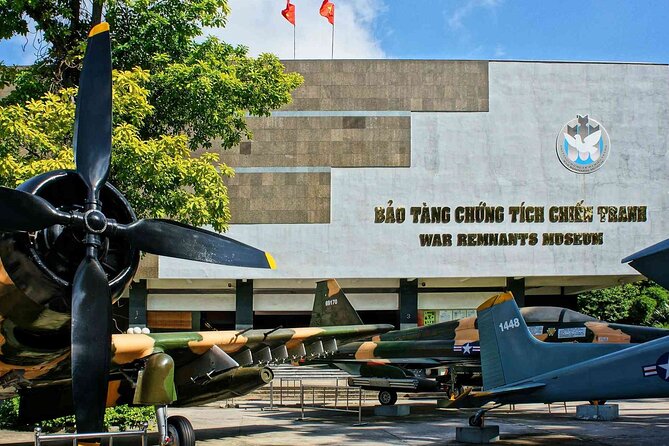
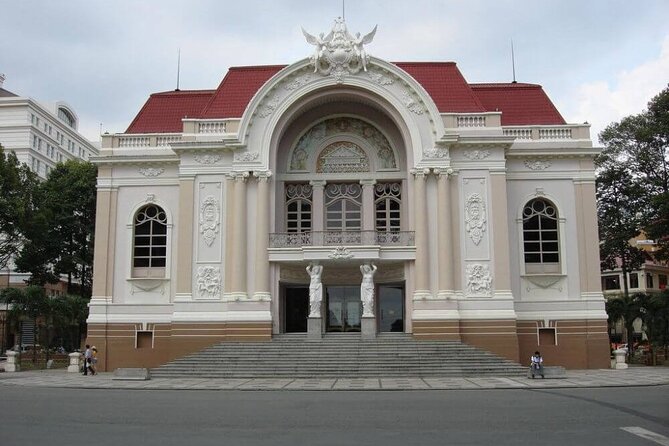
Next comes the Central Post Office and Notre Dame Cathedral of Saigon. Both are French colonial era landmarks, and the tour gives you quick but meaningful time at each.
- The Central Post Office stop is about 15 minutes with admission included. It’s a strong choice because the building isn’t just pretty. A post office in a growing city says a lot about communication, administration, and how colonial authorities organized daily life.
- Notre Dame Cathedral is shorter at about 5 minutes with admission included. With a time window this brief, you’ll mostly get exterior-to-interior orientation. If you love architecture, take a quick mental checklist: facade details outside, then inside look for scale and layout.
A practical tip: plan on photos, but don’t treat it like a photo factory. The value here is the contrast—political center on one side of history, and public-service architecture on the other.
Jade Emperor Pagoda: Worship You Can Watch in Real Time
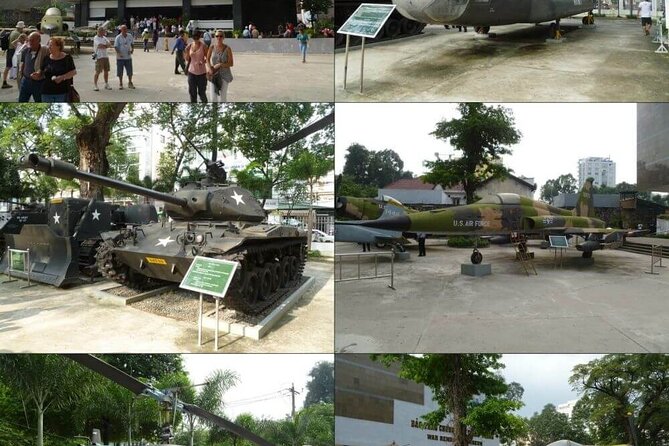
The tour then shifts from colonial landmarks to religious life at the Jade Emperor Pagoda (Chùa Ngọc Hoàng). This pagoda is tied to a specific story: it was built from 1892 to 1900 by a Chinese man named Luu Minh, and it reflects the beliefs of Buddhism and Taoism.
You’re given about 30 minutes here, which is the right length to do two things: observe how local people worship and also read enough explanations to understand the symbolism. If you’re someone who likes culture that still lives, this stop is one of the best “why Saigon works” moments. The religious practices you see here help explain how communities preserve identity through daily routine, not just through monuments.
This is also a stop that many people remember after the fact, and it makes sense. It’s not a distant exhibit; it’s people doing their thing.
War Remnants Museum: Photos, Names, and the Weight of Documentation
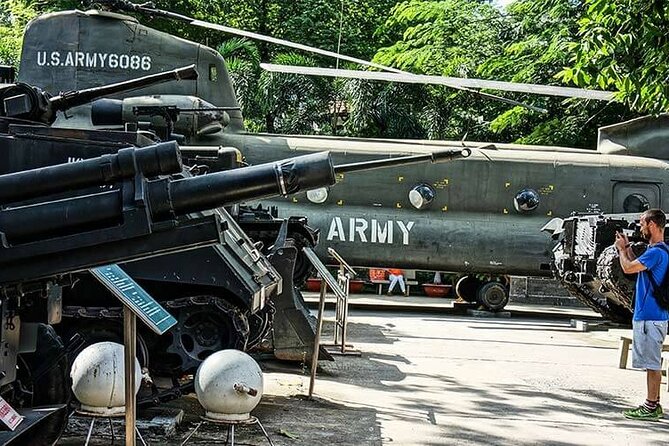
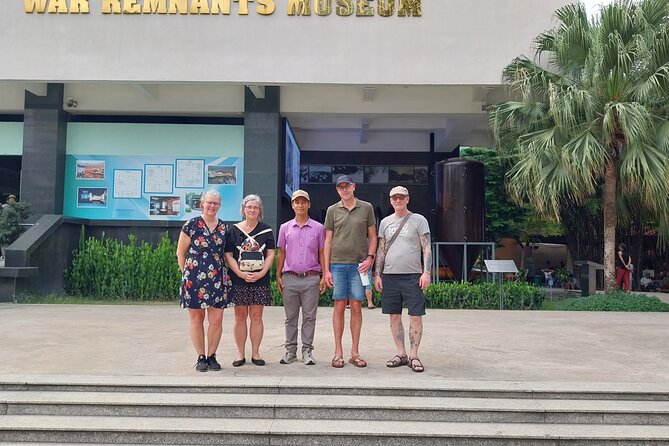
One of the most important stops on this route is the War Remnants Museum, with about 50 minutes on-site and admission included. It was established in 1975 and is meant as a direct look at the impact of war.
What makes it especially impactful on this tour is the focus on photos and the people behind them. The museum’s collections include images connected to deceased American and Vietnamese photographers and journalists from the French and American conflicts. In other words, you’re not just seeing war scenes; you’re seeing how the world was reported, recorded, and interpreted.
For many visitors, this is the moment the tour stops being “sights” and becomes meaning. Use your time intentionally:
- Look for photo captions and stated context, because that’s where the museum turns images into a story.
- If you feel overwhelmed, it’s okay to slow down for a few rooms and then move on. With a guided format, you can ask your guide to point out what matters most without feeling lost.
This stop is included, and the time is long enough to feel real. It’s also the part that can change how you read everything else you see that day.
You can also read our reviews of more private tours in Ho Chi Minh City




Lacquerware Factory: Watching Traditional Craft Become an Actual Product
After the museum, the tour moves to PHUONGNAM LACQUERWARE for about 30 minutes. This is a craft-focused stop, and it adds balance after the heavier war content.
Lacquerware is a material and a process. The tour explains that lacquer as a decorating method was introduced from China during the first century CE, and that the lacquer is actually a resin from a tree mixed with colored pigments. Even with a short visit, you can grasp one key point: traditional craft isn’t random art. It’s layered work—material handling, finishing, and technique passed along.
This stop is valuable for you if you want a souvenir that isn’t only decorative. It’s also valuable if you enjoy understanding how something is made before buying it. Keep your expectations practical: you’ll likely see how artisans work, then you’ll be in a position to ask questions about what you’re seeing and why it looks the way it does.
Ba Thien Hau Temple and Cholon: Chinese Religious Heritage in the Middle of the City
Then you head into Cholon area for Ba Thien Hau Temple, also called Thien Hau Pagoda. The tour allocates about 30 minutes here with admission included, and the site is described as one of the oldest Chinese temples in Ho Chi Minh City.
A useful detail for your mental map: it was built around 1760 by the Cantonese congregation. When you connect that fact to what you see inside, the temple becomes more than a pretty stop. It’s a marker of migration, community building, and long-term religious life in a part of the city that’s different in rhythm from district 1.
If you’re visiting during a time when people are active, this stop can also shift your mood. After museum rooms and palace halls, temples are a reminder that history continues in daily rituals.
Binh Tay Market: A More Local Kind of Shopping Energy
The next stop is Binh Tay Market, about 30 minutes with admission included. This market matters because it’s described as the largest wholesale trading center in Ho Chi Minh City. It’s contrasted with Ben Thanh Market as more tourist-focused, while Binh Tay offers a raw, more local window into how business happens.
Use this time for what markets do best:
- Scan how goods are arranged.
- Notice the trade vibe and the kinds of supplies being moved.
- Look for small items and snacks if that’s your style.
Don’t pressure yourself to buy. If your goal is understanding daily life, even a careful walk through one section gives you a clearer sense of the city’s supply chain and everyday needs.
A practical caution: markets mean lots of movement and close quarters. Wear comfortable shoes and keep an eye on your belongings. The tour’s guided format helps you stay oriented, but it doesn’t remove the reality of a working market.
Secret Weapon Cellar: The Underground Story in District 3
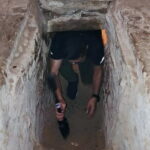
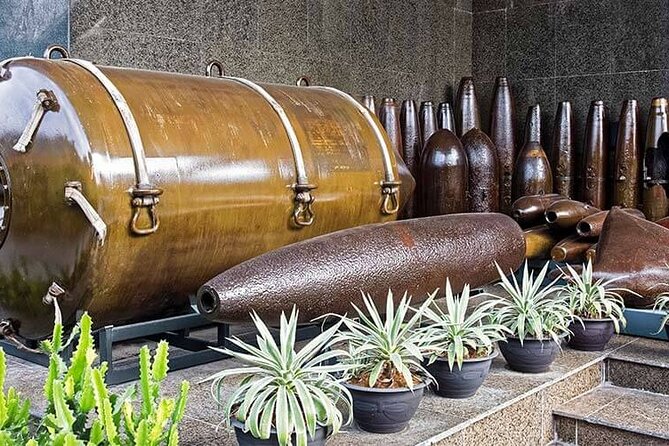
In District 3, you stop at Hầm Vũ Khí Bí Mật Secret Weapon Cellar of the Saigon Rangers. This stop is about 20 minutes with admission included.
It’s presented as a hidden passageway-style site in a narrow alley—an off-to-the-side place that lets you experience a less obvious aspect of the war story. The tour framing emphasizes that the outside looks like an ordinary building, while inside you get the sense of secret operations and underground survival.
This is the kind of stop that benefits from a good guide. Without context, these spaces can feel like a small attraction. With context, you start seeing why people used these spaces, how they protected information, and how the war shaped daily behavior even in city neighborhoods.
If you tend to get claustrophobic, you might want to go in with a calm mindset, but the time block is short.
Price and Logistics: Is This a Good Value at $33.54?
The price is listed at $33.54 per person, and that’s not just for “a driver and a schedule.” What you get is:
- Air-conditioned vehicle
- English-speaking tour guide
- Pickup and drop-off within district 1 (center of the city, as stated)
- Admission fees
- Bottled water
- Mobile ticket
- Group discounts (if applicable within your booking style)
On a day like this, admission fees alone can add up fast. Because entrance fees are included, you don’t have to pause mid-day to calculate what you can afford to enter. Also, the vehicle and guide reduce the biggest pain points for first-timers: route navigation and unclear site priorities.
Not included is tipping/gratuities for the guide and driver, and that’s typical for private tours. If you like to plan your budget, set aside a little extra for that.
One more logistics note: the tour is described as private, meaning only your group participates. That’s often where you get the real value—less waiting, more ability to ask questions, and better timing for the stops you care about.
If you’re thinking about scheduling, it’s listed as commonly booked about 58 days in advance, so securing a slot earlier can help if your dates are tight.
Who This Tour Fits Best
This private route is a great match if:
- You want history and culture in one structured day.
- You like a guided explanation, especially at the War Remnants Museum.
- You care about seeing religion and daily life, not only colonial architecture.
- You want a city day plan without juggling taxis between every stop.
It may be less ideal if:
- You hate war-related content or find museums emotionally heavy.
- You prefer long, slow visits where you linger for hours at each site. With multiple stops and set time windows, you’ll be on the move.
My Booking Advice: Should You Choose This Tour?
Book it if you want a solid Saigon orientation day that connects different layers of the city—palace politics, French-era public spaces, living religious practice, war documentation, and neighborhood markets. It’s especially worth it if you want explanations in English and you’d rather spend time seeing than planning.
Skip it (or adjust expectations) if you’re only after one or two highlights. The schedule works best when you’re ready to take in several different kinds of sites in a single day.
And a final tip: pack light layers and comfortable shoes. You’ll be traveling between districts, walking through active spaces, and spending time both indoors and outdoors.
FAQ
How long is the tour?
The tour duration is listed as about 10 hours.
Is this tour private?
Yes. It’s a private tour/activity, so only your group participates.
Does the price include entrance fees and bottled water?
Yes. Entrance fees and bottled water are included.
Do you get pickup in Ho Chi Minh City?
Pickup and drop-off are offered within district 1 (center of the city) as mentioned.
What language is the guide?
The tour includes an English-speaking tour guide.
What is not included in the tour price?
Tipping/gratuities for the tour guide and driver and personal expenses are not included.
What’s the cancellation window?
You can cancel for a full refund up to 24 hours in advance of the experience’s start time.