REVIEW · HO CHI MINH CITY
Ho Chi Minh City – Meditation retreat – 3 days 2 nights
Book on GetYourGuide →Operated by JANGTOURS · Bookable on GetYourGuide
Early starts, temple bells, and real quiet. This Ho Chi Minh City meditation retreat runs at a working Buddhist sanctuary (Phat Quang Pagoda), so you spend your time learning mindfulness meditation and joining chanting and Great Bell sessions in a monastic setting. You also get hands-on volunteer duties, from simple kitchen and craft tasks to helping with daily chores.
I also like that the schedule mixes formal practice with practical work, so your mind stays busy in a good way. The one drawback to plan for: the days are packed, so if you’re hoping for lots of extra time to wander gardens and look around, you may feel the retreat leaves you wanting more.
In This Review
- Key Highlights You’ll Care About
- Phat Quang Pagoda: The Calm Base Near Vung Tau
- Day 1 in Motion: Arrival, Lunch, and Your First Meditation Block
- Day 2: The Great Bell Morning, Qigong, and Real Community Work
- Day 3: One More Bell, Final Volunteer Time, Then Back to Ho Chi Minh City
- Buddhist Rituals and Study: How the Program Builds Meaning
- Volunteer Work Isn’t an Afterthought
- Food, Quiet Rules, and What to Pack
- Price and Value: Is $99 a Good Deal for This?
- Who Should Book This Retreat (and Who Might Want to Skip It)
- Should You Book This Ho Chi Minh City Meditation Retreat?
- FAQ
- How long is the retreat?
- Where does the retreat take place?
- How much does it cost?
- Is the retreat taught in English?
- Are meals included?
- Do you stay at the pagoda?
- What’s included in the price besides food and lodging?
- Is transportation included from Ho Chi Minh City to the pagoda?
- Are pickup and drop-off services included?
- What behavior rules should I follow?
Key Highlights You’ll Care About
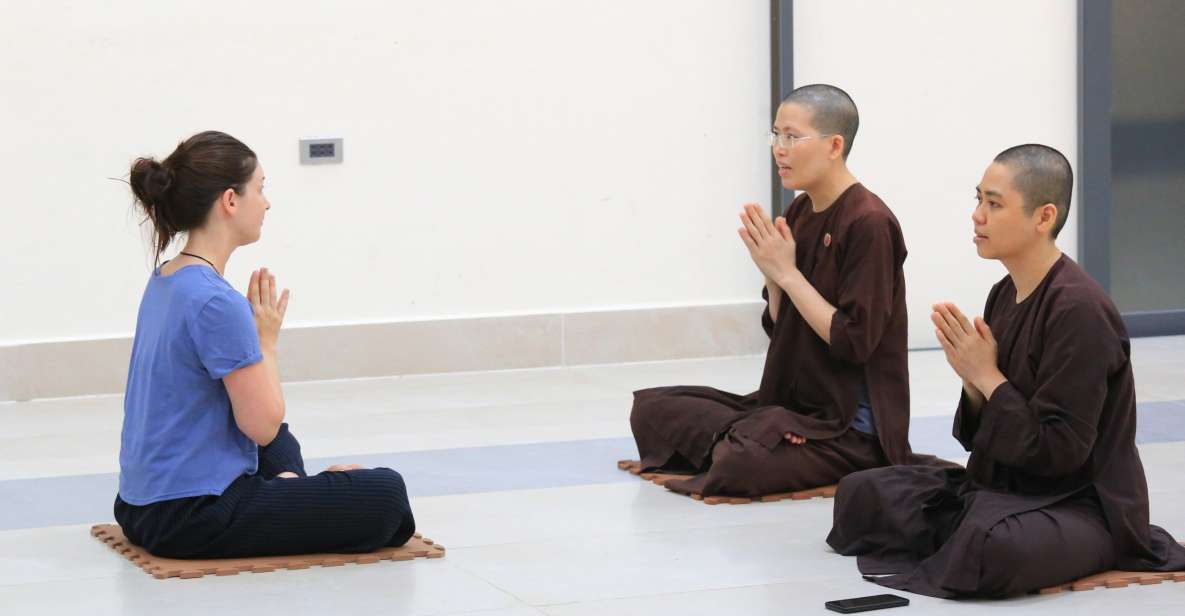
- Mindfulness teaching with English support so you can follow along without guessing
- Great Bell meditation and chanting at 4:00 each morning
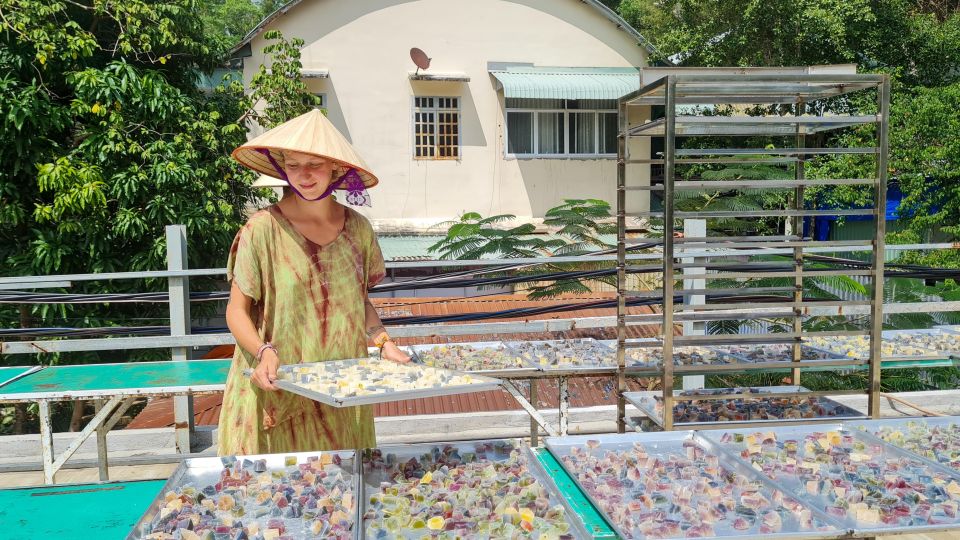
- Volunteer work with daily chores like making tea/tofu/cakes, fabric painting, and vegetable picking
- Buddhist rituals throughout the day including chanting, prostration, and a wholesome seed practice
- Living alongside monks and nuns to understand everyday monastic life, not just ceremonies
- Full vegetarian board with time set aside for washing dishes and settling in
Phat Quang Pagoda: The Calm Base Near Vung Tau
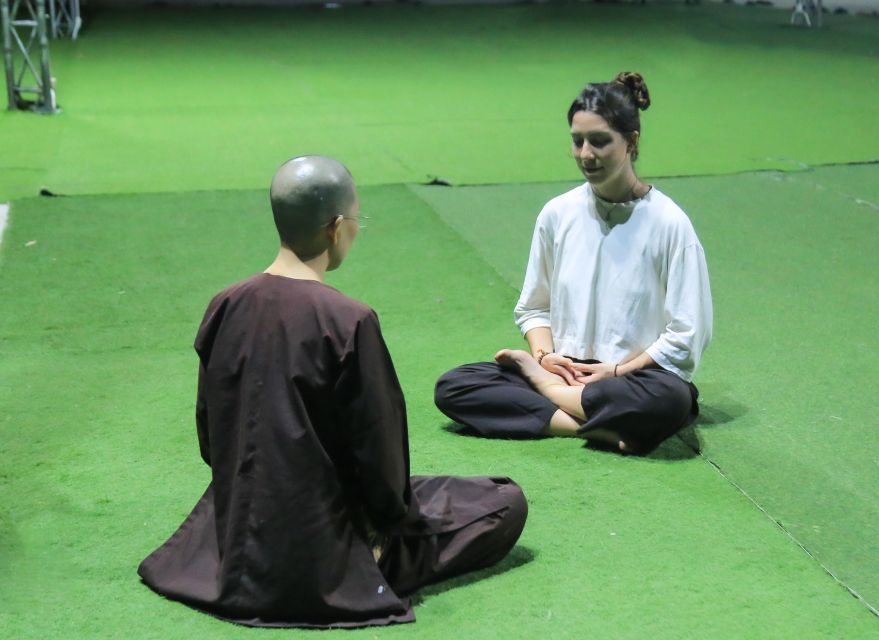
This retreat uses a single spiritual base: Thien Ton Phat Quang Pagoda in the Vung Tau area, about 90 km from Ho Chi Minh City. That distance matters because you’re trading city convenience for a place designed for focus, chanting, and routine.
You’ll stay in the pagoda and follow a timetable built around meditation, rituals, and volunteer tasks. It’s not a “spa of spirituality” model. It’s more like living with the rhythm of a monastery for a few days, while learning the practices in a structured way.
And because it’s an English-taught experience, you’re less likely to feel lost when sessions begin. The atmosphere you’re aiming for is clear: you’re there to be quiet, learn the correct technique, and connect with the Buddhist doctrines through both study and action.
You can also read our reviews of more city tours in Ho Chi Minh City
Day 1 in Motion: Arrival, Lunch, and Your First Meditation Block
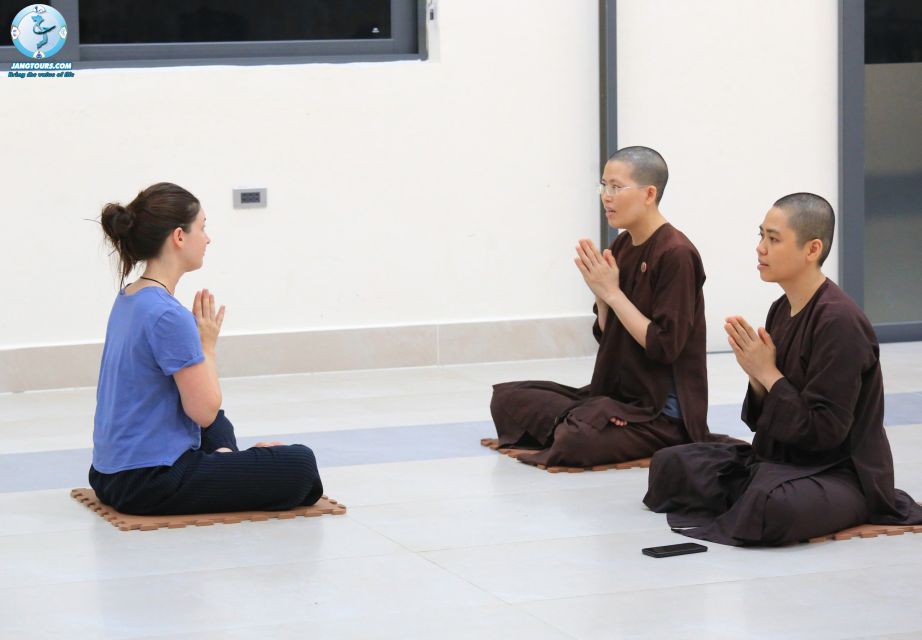
Day 1 starts early: you transfer from Ho Chi Minh City toward the pagoda, with the schedule listing a 7:30–10:30 transfer window. This long ride is normal here, since the retreat is anchored far from the city center.
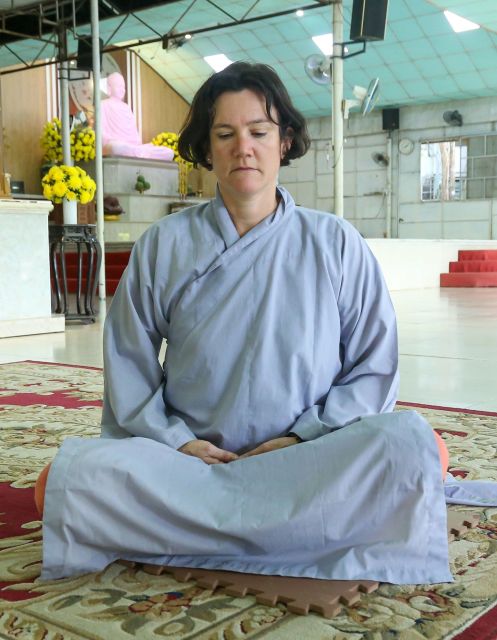
Once you arrive, you get a vegetarian lunch around 11:00–11:30, then a first training block in the afternoon: 14:00–15:00 meditation. This is where the retreat’s “learn the correct method” promise begins. You’re not just sitting and hoping it works. You’re guided through the practice as part of the program.
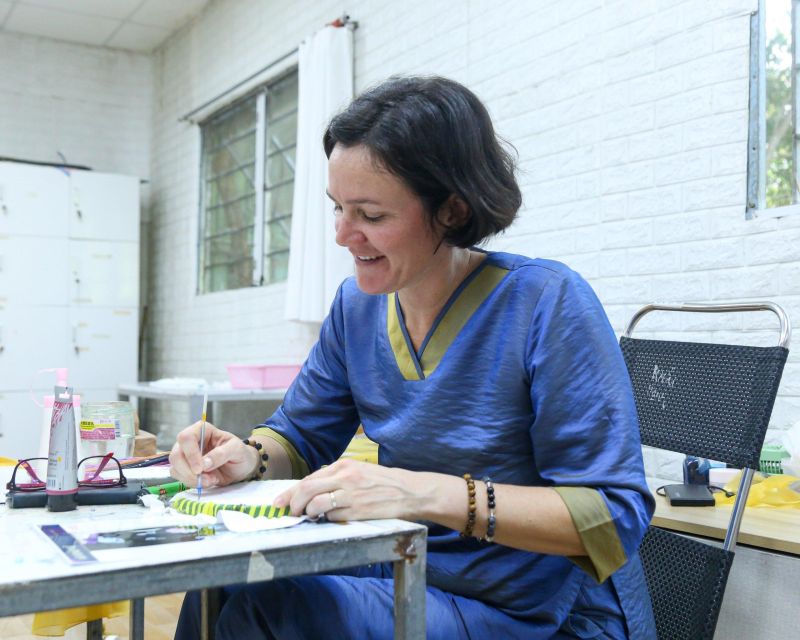
After that, the retreat shifts from sitting to doing. From 15:00–16:50, you’ll do volunteer work such as making cakes, tea, tofu, painting on fabric, or similar tasks. It’s hands-on, but also oddly calming—because repetitive kitchen or craft work gives your attention a simple job.
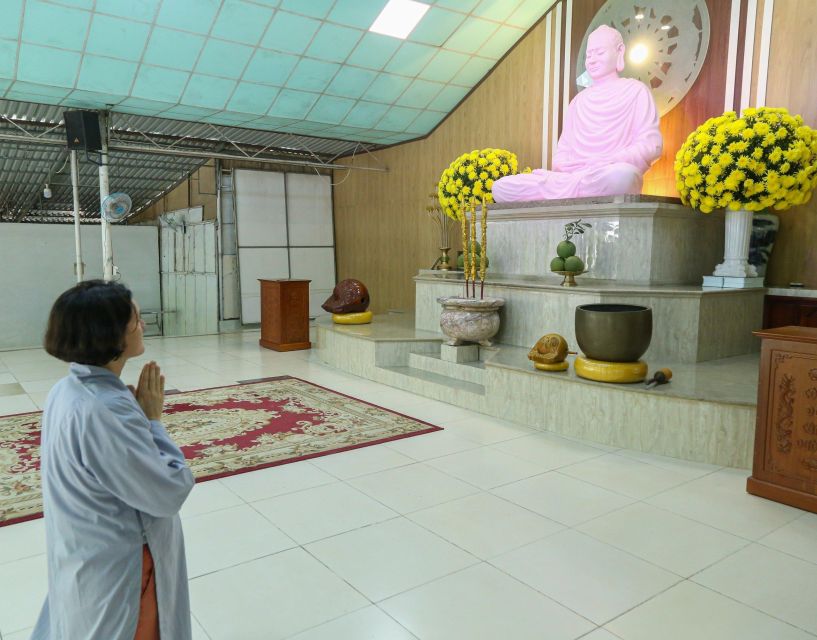
The day continues with a full vegetarian rhythm: 17:00–18:15 dinner and dishwashing, then 18:30–19:00 chanting. Around 19:00–19:50, you read books, which helps you connect what you’re doing physically (meditation) with what you’re learning mentally (Buddhist doctrines). In the evening, you’ll do a wholesome seed session (20:00–21:30), followed by prostration to Buddha, then meditation and sleep.
Practical note: the day ends with multiple structured activities. If you’re the type who needs lots of down time, you’ll want to mentally accept that “quiet” here is guided quiet, not empty hours.
Day 2: The Great Bell Morning, Qigong, and Real Community Work
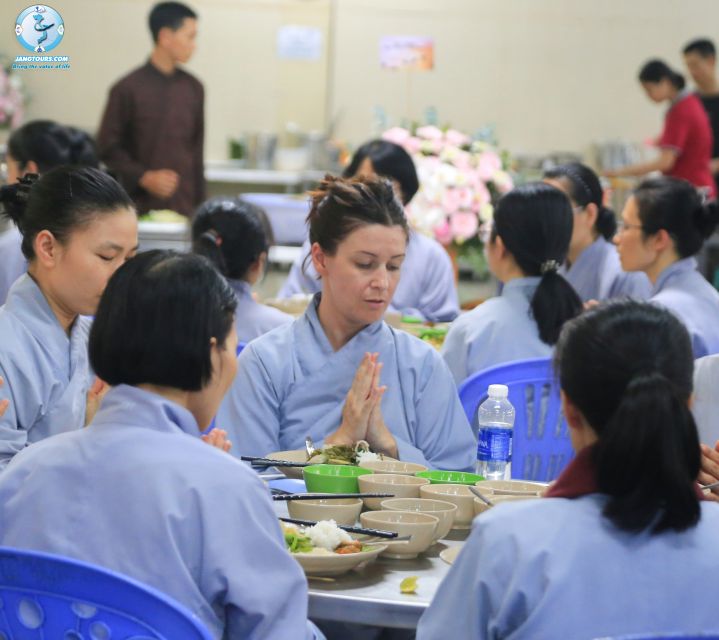
Day 2 is where the retreat’s discipline really shows. The schedule lists 4:00–6:00 for the Great Bell plus meditation and chanting. Even if you don’t consider yourself a morning person, the point is simple: the mind is easier to settle when the whole day starts in stillness.
After the bell, you transition into movement: 6:10–6:50 includes qigong/martial art practice. This is a smart pairing with meditation because it helps you wake up your body without turning the day into a workout.
Breakfast comes 7:00–7:20, and then it’s straight back into community effort. From 7:30–10:30, you’ll do more volunteer work, which can include making cakes/tea/tofu or painting on fabric, plus picking vegetables. That variety is useful. You’re not stuck doing one monotonous job all morning; you rotate through tasks, which keeps your attention fresh.
Lunch is 11:00–11:30, then you return to meditation 14:00–15:00. After another volunteer-themed stretch (15:00–16:50), you may learn more cooking or craft work such as making cakes, tofu, tea, or cooking tasks. Dinner and chores follow (17:00–18:15 vegetarian dinner and dishwashing), then 18:30–19:00 chanting and 19:00–19:50 reading.
The night closes with another structured ritual cycle: 20:00–21:30 prostration to Buddha, then meditation and sleep.
If you want a “light” experience, Day 2 will feel heavier. But if you want to feel what a monastic routine is like, this is exactly the kind of day that makes it real.
Day 3: One More Bell, Final Volunteer Time, Then Back to Ho Chi Minh City
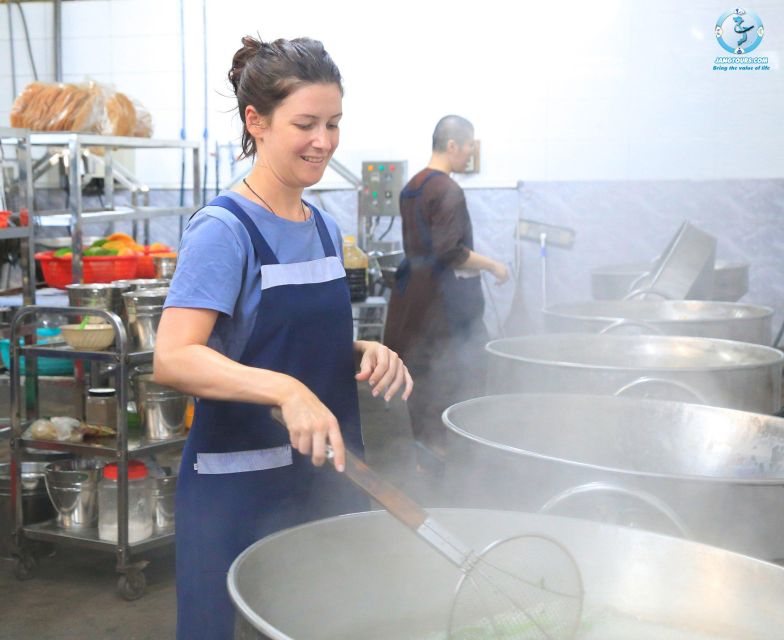
Day 3 keeps the early start: 4:00–6:00 again for the Great Bell, meditation, and chanting. There’s also 6:10–6:50 qigong/martial art, plus breakfast (7:00–7:20) and a final morning volunteer block from 7:30–10:30.
That final volunteer stretch again includes tasks like making cakes/tea/tofu, painting on fabric, and picking vegetables, depending on what’s needed. The point isn’t just contribution. It’s training your mind to stay attentive while your hands are busy.
Lunch is 11:00–11:30 (vegetarian, of course), then you return to Ho Chi Minh City around 12:00.
I like how the program doesn’t pretend you can fully “return to normal” instantly. You finish with a structured, quiet morning and an organized goodbye, instead of ending with a chaotic rush to catch transport.
Buddhist Rituals and Study: How the Program Builds Meaning
This retreat doesn’t treat meditation as a standalone trick. It pairs meditation sessions with Buddhist ritual and reading, so you get context for why the practice is shaped the way it is.
You’ll chant (including 18:30–19:00 on Day 1 and Day 2), and you’ll do prostration to Buddha as part of the evening practice blocks. You’ll also do book reading sessions, and there’s a named evening ritual called wholesome seed. Even if you’re new, these elements matter because they give your practice structure beyond your own thoughts.
And because you live alongside monks and nuns during the retreat, you’re seeing monastic life in action—not just watching ceremonies from the outside. The best part of this kind of arrangement is that your behavior adapts. You naturally quiet down, keep your voice low, and follow the rhythm without needing to force it.
One more thing I appreciate: the program includes both learning and practice. It promises instruction on the correct technique, but then backs it up with repeated sessions across three days. Repetition is how meditation actually starts to become familiar.
You can also read our reviews of more tours and experiences in Ho Chi Minh City

Volunteer Work Isn’t an Afterthought
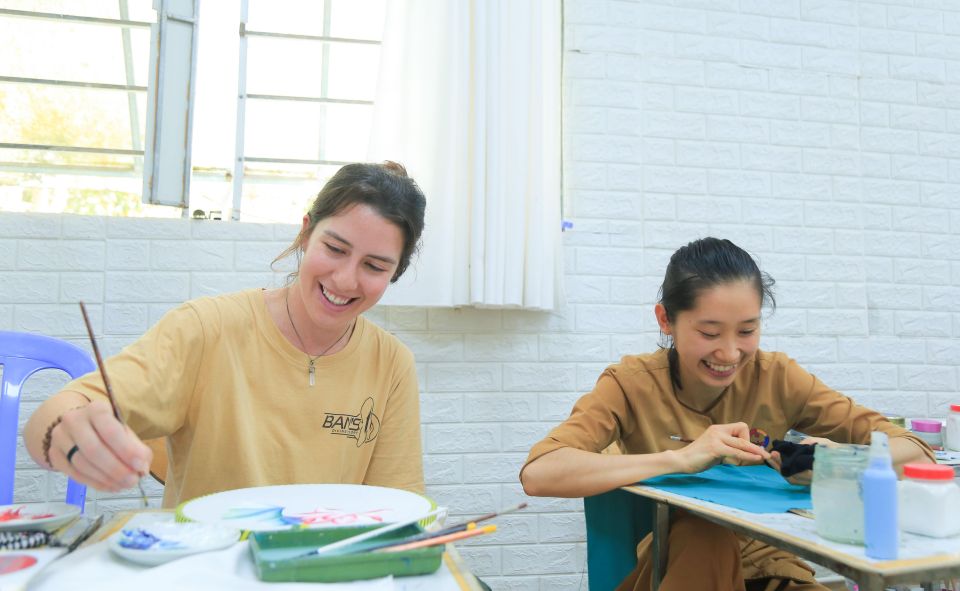
The volunteer element here isn’t a side activity. It’s part of how the retreat frames “blessing for life and meditation,” based on the program’s description.
You’ll help with practical tasks such as:
- making cakes, tea, or tofu
- painting on fabric
- picking vegetables
- dishwashing after vegetarian meals
You might think volunteer work would pull you away from meditation. In practice, it often does the opposite. It gives you a chance to practice mindfulness while doing something physical. You’re training attention, not just sitting still.
Also, because you’ll likely be working with others in the same schedule, it creates a community bond fast. In the vibe, people tend to feel welcome and looked after, which helps a lot when you’re in a new environment and trying to stay calm.
Food, Quiet Rules, and What to Pack
This retreat includes full board vegetarian food and you’ll eat together as part of the day’s routine. You’ll also wash dishes after meals, which is a small but meaningful detail. It turns meals into another shared practice, not a grab-and-go break.
It’s also strict about behavior:
- No short skirts
- No alcohol and drugs
- No making noise
That last one is more than just manners. The schedule is built around chanting and meditation. If you’re loud, you break the atmosphere for everyone. So pack like you’re going to a respectful temple stay: modest clothing, comfortable layers, and shoes you can wear during volunteer tasks and early-morning sessions.
If you’re worried about the routine feeling intense, remember: the rules exist to protect the quiet focus. The pay-off is that you’re in a place designed for stillness, and you can actually use it.
Price and Value: Is $99 a Good Deal for This?
At $99 per person for 3 days / 2 nights, the value is strong, mainly because the price covers what most people spend money on separately. You get:
- accommodation in the pagoda
- full vegetarian board
- entrance fees
- a local guide on site
- English instruction
What’s not included is the cost of getting to the pagoda: transportation from/to the pagoda is on you. The retreat also doesn’t include pickup/drop-off guide. But since the pagoda is about 2.5 hours from the Ho Chi Minh City center, it’s still a relatively straightforward regional trip if you plan transport ahead.
So the real cost question is simple: if you already know you want a structured, quiet, multi-day meditation stay with meals and lodging handled, this price fits well. If you’re expecting free city transport and lots of outdoor time, you’ll feel nickel-and-dimed and rushed. Adjust your expectations.
Who Should Book This Retreat (and Who Might Want to Skip It)
This retreat is a great match if you:
- want mindfulness meditation in a guided structure
- like learning Buddhist doctrines through reading and ritual, not just lectures
- enjoy doing purposeful work while staying mentally focused
- want a calm break from city life near Ho Chi Minh City
It’s less ideal if you:
- hate early mornings (Day 2 and Day 3 start around 4:00)
- want lots of free time to explore grounds or gardens independently
- prefer a more casual, flexible schedule with long downtime
One real consideration from people’s impressions of the retreat rhythm is that the program doesn’t seem to leave time for leisurely garden wandering. If that’s your main fantasy—lots of nature walks and extra sightseeing—this schedule may feel tight.
Should You Book This Ho Chi Minh City Meditation Retreat?
Book it if you want a low-cost, structured retreat where meditation, chanting, and monastic life all connect. The best value is that you’re not just paying for sessions—you’re paying for meals, lodging, and a full routine that helps you actually practice for three full days.
Skip or rethink it if you need long breaks, flexible timing, or lots of sightseeing time. Here, you trade freedom for focus.
If you do book, come ready for modest dress, silence, and an early schedule. Pack comfortable clothing for meditation and volunteer duties, and keep your expectations aligned with a temple stay where work, ritual, and practice are the point.
FAQ
How long is the retreat?
It runs for 3 days and 2 nights, from Day 1 transfer and first sessions through Day 3 morning practice and return to Ho Chi Minh City.
Where does the retreat take place?
The retreat is centered at Thien Ton Phat Quang Pagoda in the Vung Tau area, with activities starting after your transfer from Ho Chi Minh City.
How much does it cost?
The price listed is $99 per person.
Is the retreat taught in English?
Yes. The instructor is listed as English.
Are meals included?
Yes. It includes full board with vegetarian food for the retreat duration.
Do you stay at the pagoda?
Yes. Accommodation is included and you stay in the pagoda.
What’s included in the price besides food and lodging?
Included items are a local guide on the spot, full vegetarian board, accommodation in the pagoda, and entrance fees.
Is transportation included from Ho Chi Minh City to the pagoda?
No. Transportation from/to the pagoda is not included. You should arrange your own transport.
Are pickup and drop-off services included?
Pickup and drop-off guide services are not included. If you want pickup or drop-off, the info says to contact the provider via email or WhatsApp.
What behavior rules should I follow?
The retreat states you cannot wear short skirts, and you must not bring alcohol or drugs, and you must not make noise.