REVIEW · HO CHI MINH CITY
Experience half-day cooking class with market visit
Book on Viator →Operated by "Mai" Home - The Saigon Culinary Art Centre · Bookable on Viator
Saigon tastes better with a knife in hand. This half-day Vietnamese cooking class at Mai Home in Ho Chi Minh City mixes a practical market visit (on select sessions) with hands-on cooking across North, Central, and South flavors—then you sit down for a lunch or dinner you made yourself. If you like the idea of learning what goes into real Vietnamese food, not just copying recipes, this is a solid choice.
I especially like the market-to-kitchen flow: you see ingredients at Ben Thanh, then use many of them right away. I also like that the class is structured for beginners, with step-by-step guidance through basic cooking methods and a relaxed meal afterward with your dishes.
One thing to consider: the market visit depends on the time slot. Morning includes it, while afternoon and evening are shorter and may skip the market because food stalls are closed by noon.
In This Review
- Key highlights you’ll care about
- Your Half-Day Cooking Class Starts at Ben Thanh
- Ben Thanh Market: More Than Photo Ops
- The Kitchen Lesson: You Cook, Not Just Watch
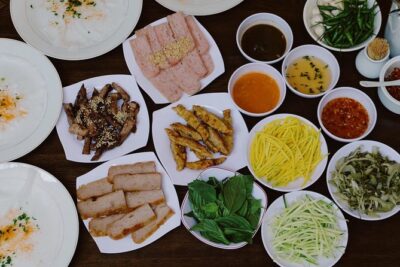
- What You’ll Make: Three Regions on One Table
- The Feast: Lunch or Dinner You Earned
- Fruit Carving: The Fun Skill That Sticks
- Price and Value: Why $42 Can Make Sense
- Timing in Ho Chi Minh City: Morning vs Afternoon vs Evening
- Meeting Point Reality Check (So You Don’t Lose Time)
- Who This Class Fits Best
- Should You Book This Cooking Class at Mai Home?
- FAQ
- FAQ
- What is included in the class price?
- Do you visit Ben Thanh Market?
- What kinds of dishes will I cook?
- Is this class beginner-friendly?
- Where is the meeting point?
- How large is the group?
- Will I get something to take home?
Key highlights you’ll care about
- Ben Thanh Market ingredient walk (morning; afternoon may not run as a full market stop)
- Three-region cooking: North, Central, and South Vietnamese specialties in one session
- Hands-on practice covering basic methods you can repeat at home
- Fruit carving taught as an actual skill, not a one-off demo
- Recipe book + certificate + souvenir to take the experience home
- Small groups up to 30 so the class doesn’t feel like a cattle line
Your Half-Day Cooking Class Starts at Ben Thanh
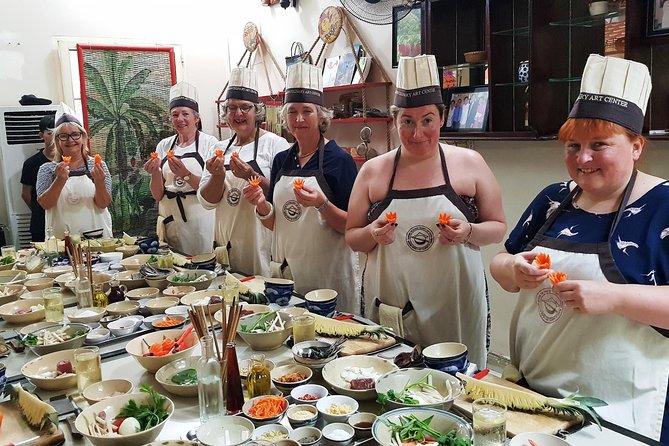
The day kicks off at Ben Thanh Market, in Quận 1, near Phan Chu Trinh. From there, you meet your chef-instructor and head out together to look at what Vietnamese cooks actually shop for: vegetables, herbs, spices, and fruit you’ll recognize from Vietnamese restaurant plates.
This matters because Vietnamese food is ingredient-driven. If you’ve ever wondered why the flavors feel specific and consistent across restaurants, it’s often the same core set of aromatics—ginger, herbs, lime, chilies, garlic—showing up in different combinations. Seeing them in the market makes the later cooking make sense fast.
After the walk, you return to the cooking space for a welcome drink and an intro story about the kitchen’s approach. Then it’s straight into cooking, with guidance at each step so you can follow the logic even if you’re a total beginner.
You can also read our reviews of more shopping tours in Ho Chi Minh City



Ben Thanh Market: More Than Photo Ops
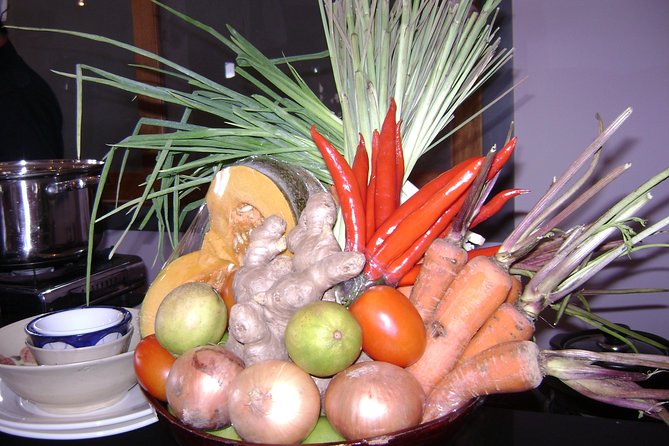
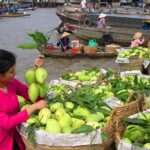
In the morning sessions, the Ben Thanh stop is a real ingredient education. You’ll walk the market with your chef and get explanations for the items you see, so you’re not just taking pictures of vendors—you’re learning what to buy and why.
Look for these kinds of takeaways:
- which herbs and vegetables are used for fresh flavor and crunch
- how spices and sauces connect to the regional dishes you’re making
- how fruit shows up not only as dessert, but also in salads and carving
One practical benefit: markets teach your eyes. Even if you don’t buy everything, you start recognizing Vietnamese produce and spices that might be confusing when you try to shop later in a different neighborhood.
If you’re booking specifically for the market experience, choose your class time carefully. The info for this program notes that after Covid, food stalls are closed from 12:00, so afternoon sessions may not include the full market walk.
The Kitchen Lesson: You Cook, Not Just Watch
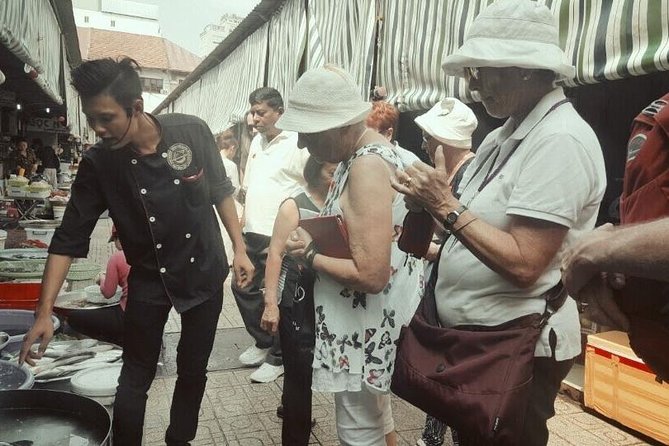
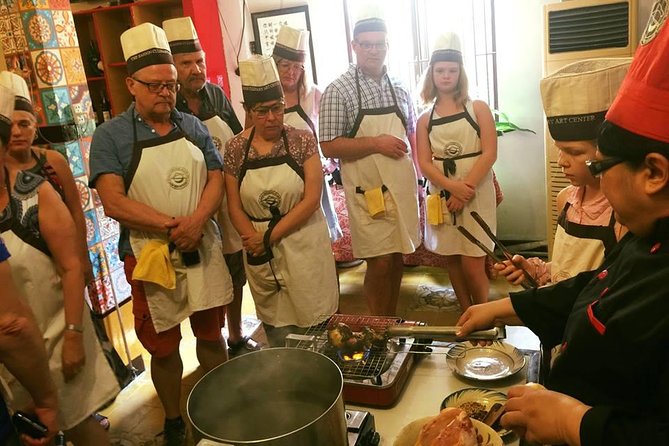
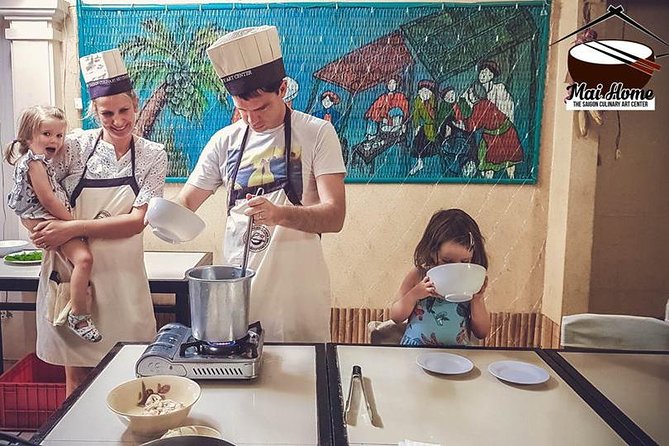
Back at Mai Home, the class format is built around participation. You don’t just observe while someone else cooks; you move through the steps yourself, using what you saw in the market.
The teaching style is designed for beginners. That means you can expect instruction that covers basic cooking methods rather than only advanced technique. In practical terms, that usually translates to you learning the sequence: how to prep, how to heat and season, how to balance sauces, and when to stop cooking so your dish doesn’t go bland or overcooked.
This is also where the small-group feel helps. The tour is capped at 30 travelers, which is enough to create energy but small enough that the instructor can keep an eye on what people are doing. One participant specifically praised how organized the teaching felt, with kitchen help present and instruction delivered in clear English.
Also worth noting: the cooking room is described as clean, which isn’t glamorous, but it makes a difference when you’re handling herbs, sauces, and hot pans.
What You’ll Make: Three Regions on One Table
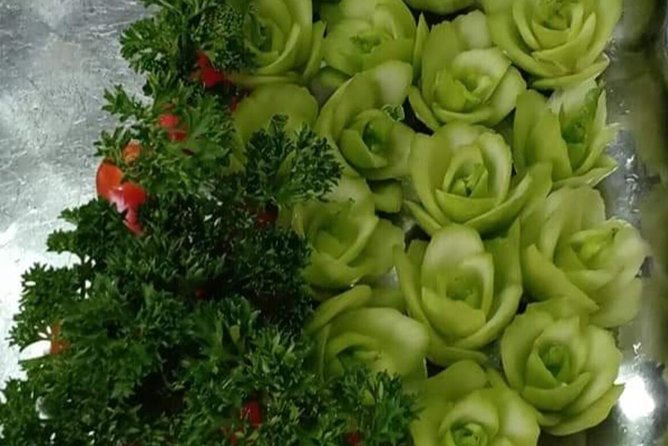
The class is built around Vietnamese dishes from all three regions: North, South, and Central. That sounds like a marketing phrase until you start cooking, because each region tends to treat flavor in its own way—different sweetness levels, different herb use, and different spice patterns.
Your menu is flexible and changes by day, but the program gives examples of what you might cook, including dishes that show up often in real Vietnamese meals.
Here are menu items mentioned for sample days:
- Beef salad with young banana and star fruit, or traditional rolls served with a special dipping sauce
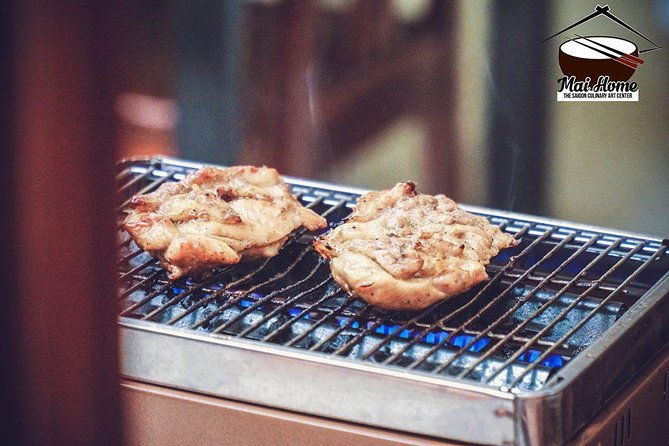
- Braised chicken with ginger plus options like a sizzling pancake or chicken noodle soup, served with happy steamed rice or vegetables
- Fruit carving as a separate skill segment (and part of the final feast experience)
Even if your exact dishes differ, the structure usually stays consistent: you’ll make a mix of savory main components, supporting sides, and a fresh element that keeps the meal balanced.
I like this approach because you’re not just learning one recipe. You’re learning how Vietnamese meals are assembled—textures, temperatures, and sauces working together.
The Feast: Lunch or Dinner You Earned
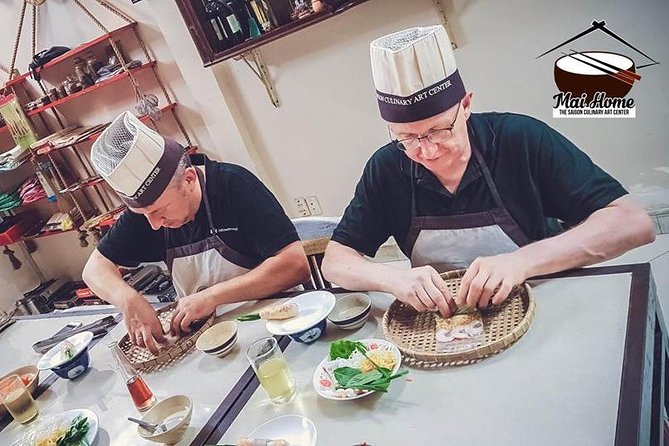
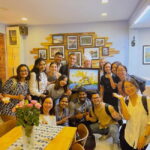
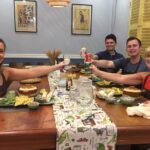
At the end of the session, you sit down to eat what you cooked. This isn’t just a token snack. The class promises a lunch or dinner feast in a convivial setting with new friends who are also elbows-deep in Vietnamese cooking.
There’s a small but real advantage to eating your own food in the same session: you remember what worked. The flavor you taste at the end becomes a reference point for what to adjust next time you cook at home—more lime, a lighter hand with chili, or how long to simmer something.
You’ll also receive a recipe booklet and other take-home items, which turns the meal from a one-time thrill into something you can recreate later.
You can also read our reviews of more tours and experiences in Ho Chi Minh City

Fruit Carving: The Fun Skill That Sticks
Fruit carving is often sold as entertainment, but here it’s treated like a learnable technique. You’ll spend time carving fruit, and it’s included as part of the overall experience.
Why this is a good inclusion: it forces you to slow down and pay attention to technique. Cutting fruit into decorative shapes uses different muscle memory than chopping herbs. Plus, it gives you a talking point long after the meal.
Even if you don’t become the next Vietnamese fruit-carving champion, you’ll leave with a practical sense of how to shape fruit neatly—and that makes your later home cooking feel more festive.
Price and Value: Why $42 Can Make Sense
The price is $42 per person. For Ho Chi Minh City, that’s in the zone where you should ask: are you getting a real cooking lesson, or just a short show with lunch?
Based on what this experience includes, you’re getting a lot for the money:
- market visit in morning sessions (ingredient education)
- cooking ingredients
- lunch or dinner
- recipe book
- a souvenir gift
- a certificate
Also, the structure is half-day, which keeps the time cost reasonable. You’re not spending the whole day commuting or waiting around. And because you’re hands-on, the class time feels earned rather than passive.
That said, I’d be thoughtful about value if you book a time slot that skips the market. If your #1 goal is Ben Thanh, you’ll want the morning option so the day starts with ingredient shopping, not just straight into the kitchen.
Timing in Ho Chi Minh City: Morning vs Afternoon vs Evening
You’ll see different session formats. Morning and afternoon are the longer options and are designed around a full meal experience. Evening courses are shorter and explicitly omit the market tour.
Here’s what that means for your expectations:
- Morning: start at Ben Thanh, see ingredients, then cook and eat. This is the best choice if you want the full market-to-kitchen story.
- Afternoon: the class is still longer, but the program notes market access can be limited because stalls close from 12:00.
- Evening: shorter cooking experience and no market walk.
If you’re in the city for only a couple days, I’d usually steer you toward morning. You get the most varied parts: shopping knowledge, multiple dishes, and the full feast.
Meeting Point Reality Check (So You Don’t Lose Time)
The meeting point is Ben Thanh Market, near Phan Chu Trinh, in Quận 1, and the activity ends back at the meeting point. That’s convenient because you’re not stuck in a far-flung neighborhood when the class ends.
One practical lesson from real-life confusion: there can be differences in pick-up expectations depending on whether your session starts from the market or from elsewhere. The program notes that pick-up happens only once, and that for afternoon or evening (with no market visit) pickup is only from your hotel or from the market. So don’t assume you’ll be picked up from every location.
Best approach: before you go, confirm exactly where you meet on your chosen session time—market or hotel side.
Who This Class Fits Best
This is a beginner-friendly class, and it’s a great fit if you want a structured way to learn Vietnamese cooking without guessing. It’s also ideal if:
- you like food markets and want more than restaurant tasting
- you want basics you can repeat at home
- you’re traveling with someone who enjoys hands-on activities
- you want a Vietnamese meal experience that feels authentic and practical
If you’re an advanced cook looking for deep technique, you might still have fun, but the class is framed around basic methods and easy-to-follow steps.
Should You Book This Cooking Class at Mai Home?
I think this is a strong book if you match the session to your priorities. If you want Ben Thanh ingredients plus a full hands-on cooking day, choose the morning option. You’ll get the market ingredient education, then turn it into a real meal, plus take-home recipes and a certificate.
If you mainly want a quick cooking lesson and don’t care about shopping first, the afternoon or evening can still work. Just adjust your expectations about the market component—timing matters because stalls close around noon.
Either way, the biggest reason to book is simple: you come away with a meal you made, a recipe booklet you can actually use, and a skill like fruit carving that’s fun to show later.
FAQ
FAQ
What is included in the class price?
The class includes lunch or dinner, iced tea, a recipe book, market visit (in the sessions that include it), cooking ingredients, a souvenir gift, and a certificate.
Do you visit Ben Thanh Market?
Market visits are included with the morning course. The information also notes that afternoon sessions may not include a market stop because food stalls are closed from 12:00 after Covid.
What kinds of dishes will I cook?
You’ll learn dishes from all three Vietnamese regions (north, south, and central). Sample menus include items like beef salad, banana and star fruit, braised chicken with ginger, and options such as rolls, sizzling pancakes, or chicken noodle soup, plus fruit carving.
Is this class beginner-friendly?
Yes. The class is tailored to beginners and covers basic cooking methods.
Where is the meeting point?
You meet at Central Market named Ben Thanh, in Phan Chu Trinh, Bến Thành, Quận 1, Ho Chi Minh City. The tour ends back at the meeting point.
How large is the group?
The class has a maximum of 30 travelers.
Will I get something to take home?
Yes. You’ll receive manual recipes in a recipe book, plus a certificate and a souvenir gift.