REVIEW · HO CHI MINH CITY
Long Tan and Nui Dat – Australian Battlefield one-day tour from Ho Chi Minh City
Book on Viator →Operated by Saigon Tours · Bookable on Viator
A trip to Long Tan carries real emotional weight. This one-day outing from Ho Chi Minh City focuses on Long Tan and the Australian presence at Nui Dat, with stops that turn headlines into places you can stand on.
I especially like the English-speaking guide focus and the on-the-ground pacing. And I like that the day is built for practicality too: air-conditioned transport, lunch, and bottled water are handled so you can stay in the moment.
One thing to consider: the “Australian base” side is presented via key viewing and explained sites (like Nui Dat SAS Hill), not as a full all-access base visit. If you expect buildings and behind-the-wire access, you may feel slightly short-changed.
In This Review
- Key highlights at a glance
- Long Tan and Nui Dat: why this day trip hits harder than a movie scene
- Price and value for $119: what you’re really paying for
- The full day route (6 to 8 hours) and what each stop teaches you
- Stop 1: the Battle of Long Tan battlefield area
- Stop 2: Nui Dat SAS Hill and the base layout explained
- Stop 3: Long Tan Cross Memorial for both sides
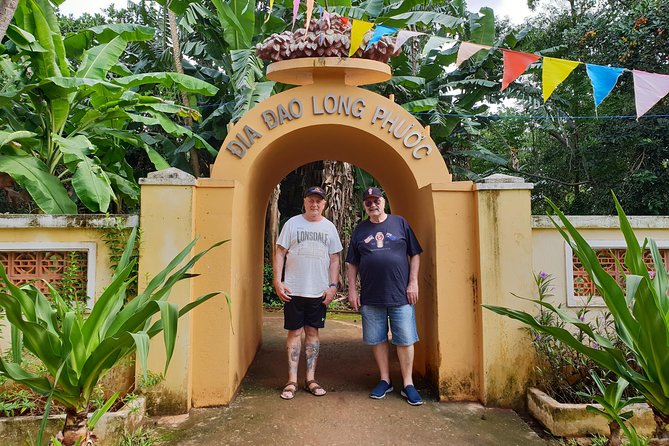
- Stop 4: Long Phuoc Tunnels and the wartime shelter story
- Lunch and the ride back: your late break in Ba Ria
- Guides make or break it: Jack, Dingo, and Chien’s style
- What I’d pack mentally (and physically) for this kind of day
- Who this tour is best for (and who might want a different option)
- Should you book Long Tan and Nui Dat from Ho Chi Minh City?
- FAQ
- FAQ
- How long is the Long Tan and Nui Dat one-day tour?
- Is pickup included from Ho Chi Minh City?
- What does the tour price include?
- Are entrance fees included?
- Is lunch provided?
- Is this a private tour?
- Are children allowed on the tour?
- What’s not included in the price?
- What is the cancellation policy?
Key highlights at a glance
- Long Tan on the ground: you’ll visit the well-known battlefield area connected to the Australian Army’s Vietnam War story
- Nui Dat SAS Hill overview: helicopter parking and camping areas are explained so the base layout makes sense
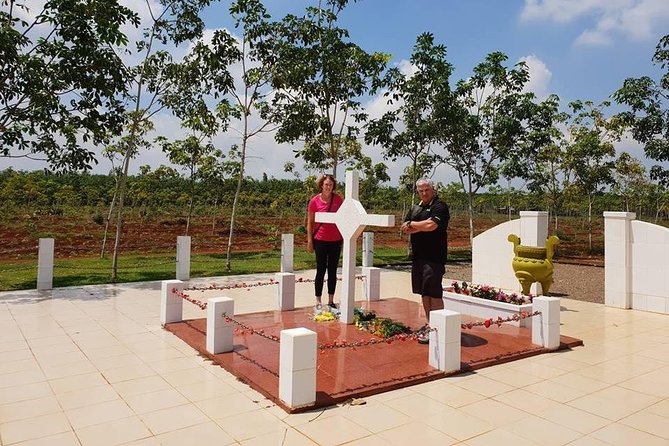
- Long Tan Cross Memorial: a dedicated stop to commemorate Australian and Vietnamese soldiers
- Long Phuoc Tunnels: you’ll see a major Viet Minh/Viet Cong shelter and fighting network
- Guide-led context: guides such as Jack, Dingo, and Chien are praised for photos, humor, and careful remembrance
- Logistics that don’t drain the day: pickup (in Districts 1, 3, and 4), AC vehicle, lunch, and bottled water are included
Long Tan and Nui Dat: why this day trip hits harder than a movie scene
The Vietnam War is everywhere in Vietnam’s cities—posters, stories, and museums. But Long Tan is different. You’re out of the traffic and noise, and the day’s structure is built around remembrance, not just sightseeing.
This tour is also one of the more straightforward ways to connect the Australian story to specific locations. Instead of bouncing around with a self-guided plan, you follow a guided route that moves from battlefield context to base-area explanation and finally to tunnel sites.
The tone matters. The memorial stops encourage a quieter, more respectful pace, and that’s the kind of “pause button” you don’t get from a rushed half-day.
You can also read our reviews of more city tours in Ho Chi Minh City



Price and value for $119: what you’re really paying for
At $119 per person, the price can feel fair when you look at what’s bundled. You get air-conditioned transport in a car/minibus, an English-speaking guide, entrance tickets, lunch, and bottled water.
For many people, the value isn’t only the inclusions—it’s the fact that you’re being guided through Vietnam War sites that can be confusing without context. If you’ve ever wandered through a memorial and thought, I know the basics, but I wish someone put this into order, this kind of tour is made for you.
One practical note: pickup is included, but there’s an extra charge if your pickup point is outside District 1, 3, and 4. If you’re staying beyond those districts, check the pickup arrangement early so you don’t get surprised by add-ons.
The full day route (6 to 8 hours) and what each stop teaches you
This trip is designed as a long, focused day. Expect roughly 6 to 8 hours of total time, mainly driven by the ride out to the Long Tan–Nui Dat area and between key sites.
You’ll start from Ho Chi Minh City, then move through the battlefield-connected stops in a logical order: battlefield area, base-area overview, cross memorial, and finally tunnels—followed by the drive back with late lunch included.
Stop 1: the Battle of Long Tan battlefield area
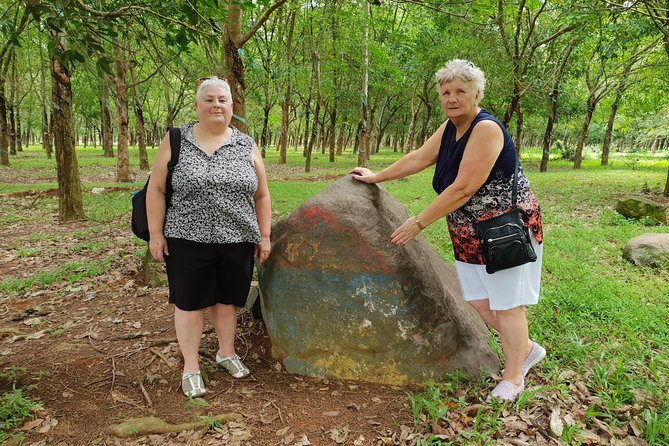
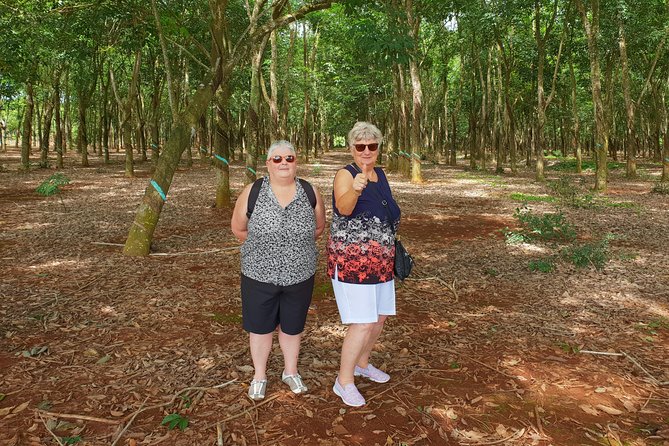
Long Tan is the headline you’ve heard in Australian Vietnam War stories, and this stop anchors that story in place. You’ll be at the well-known battlefield area associated with an action that took place in a rubber plantation environment.
That rubber plantation detail is more than trivia. It changes how you imagine movement, visibility, and cover. Even if you already know the names and dates, standing near the setting helps your brain stop treating the event as something abstract.
This is also the moment where you’ll want to let the guide do the talking. The value here is turning “I’ve read about it” into “I can picture it”—and you’ll typically get that through a mix of site explanation and visual support.
Stop 2: Nui Dat SAS Hill and the base layout explained
Next comes Nui Dat SAS Hill, where the tour focuses on the base-side context rather than the firefight itself. You’ll be shown the helicopter parking and camping areas and guided through important sites around the area.
This is the stop that connects two ideas: the battlefield outside the wire and the logistics inside it. When you understand where helicopters operated and where soldiers camped, the Australian presence stops feeling like a distant label and starts looking like a working system.
If you’re hoping for an “Australian base tour” with buildings you can walk through, here’s the honest expectation. This stop is more about explained positioning and site interpretation than full site access.

Stop 3: Long Tan Cross Memorial for both sides
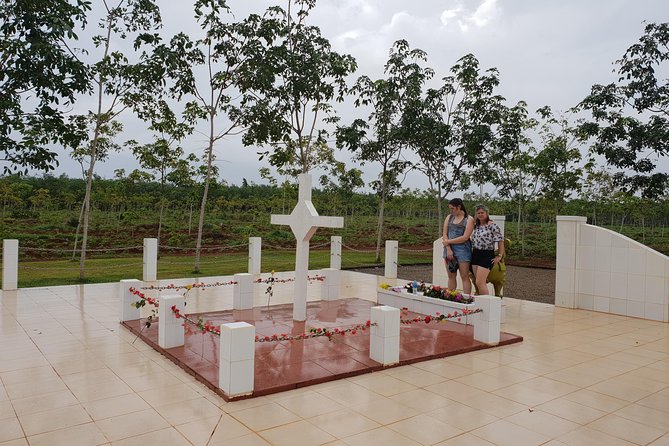
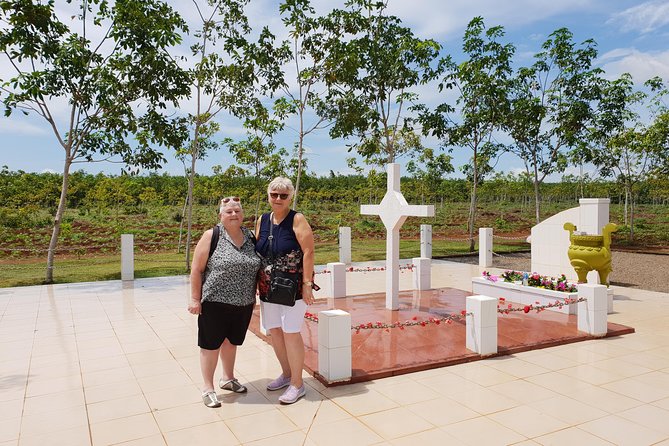
After the base-area overview, you’ll head to the Long Tan Cross Memorial. This is where the day shifts from explanation to commemoration.
The memorial stop is centered on remembrance of Australian and Vietnamese soldiers who sacrificed their lives. That dual framing matters, because it keeps the story human and local instead of turning it into a one-country narrative.
If you want the day to feel meaningful, this is the moment to slow down. Take the quiet option: linger at the memorial long enough to read and absorb rather than sprinting for photos.
Stop 4: Long Phuoc Tunnels and the wartime shelter story
Then you’ll move to Long Phuoc Tunnels. These tunnels were dug by the Viet Minh and Viet Cong for sheltering and fighting, and this stop adds the other side of the wartime story without turning the tour into a lecture hall.
Tunnels compress a lot of reality into a small physical space. Even at a viewing level, they help you understand why armies planned for cover, movement, and survival—not just combat lines.
This stop can be a gut-check if you’ve mostly been thinking about the battlefield from one angle. The best part is how the guide ties the tunnel purpose back to what you saw earlier: why the landscape and infrastructure shaped decisions.
Lunch and the ride back: your late break in Ba Ria
At the end of the site sequence, the tour drives back toward Ba Ria for a late lunch at a local restaurant. Your guide will recommend specialties of the area, and that’s usually the part where you get to relax and switch gears.
Then it’s back to Ho Chi Minh City. The timing of the day is long enough that lunch stops being a bonus—it becomes part of keeping the day comfortable.
Guides make or break it: Jack, Dingo, and Chien’s style
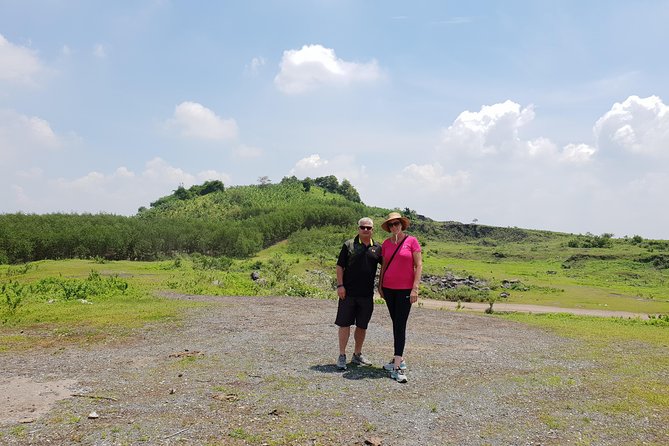
On a tour like this, the guide’s personality matters—especially because the subject needs a respectful touch. The best versions of this trip seem to come from guides who know the story well and know how to teach it without making it cold.
Several guides are praised by name. Hill Billy Jack is noted for putting effort into research and using photos to show what the area may have looked like during the war. That visual support is a big deal: it helps you connect the present landscape to the past scene.
Dingo, also referred to as Chien, earns praise for humor and for keeping the experience respectful at the same time. One review highlights that Dingo set up Australian memorial moments so the group could remember and reflect, and another notes a flag service and laying of flower wreath for remembrance when appropriate.
That mix—facts plus a human tone—is what you want. If a guide can explain without rushing and can keep the memorial mood intact, the day tends to land well.
What I’d pack mentally (and physically) for this kind of day
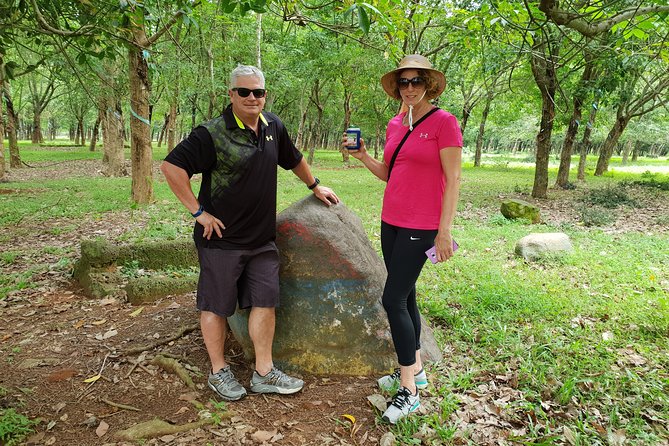
Long Tan and Nui Dat involve a long drive and time in outdoor settings. You don’t need anything fancy, but you do want comfort.
Physically, plan for sun and heat: the tour includes air-conditioning in the transport, but the memorial and site time is still outside for parts of the day. Wear comfortable shoes and bring water habits you can manage even if bottled water is included.
Mentally, go in expecting an emotional day. Even if you’re a history buff, the memorial stops are where the tour becomes personal. If you’re the type who likes to read everything fast, shift into a slower mode at Long Tan Cross.
Who this tour is best for (and who might want a different option)
This is ideal for you if you’re an Australian traveler, a Vietnam War history fan, or someone who wants a structured route to the Long Tan-related sites. The day is also a good fit if you want a guide’s explanations rather than piecing everything together on your own.
You might want to compare options if you’re expecting a full, all-access “Australian base” experience with lots of physical base buildings. This route is strong on battlefield context, key base-area viewpoints, a memorial, and tunnels—not on exploring every base facility like a walk-through.
Also, it’s not for young kids: children under 12 aren’t allowed.
Should you book Long Tan and Nui Dat from Ho Chi Minh City?
I’d book it if you want a respectful, guided day that connects the Long Tan story to the nearby Australian base area at Nui Dat and then expands the view with Long Phuoc Tunnels. The structure makes sense, the essentials are included, and the guide-led approach is a big part of the value.
But I’d pause before booking if your main goal is an extensive, behind-the-scenes Australian base tour. Here, the “base” piece is presented through key site explanations rather than a sprawling facility walk-through.
If you match the tour’s strengths—context, memorial time, and practical one-day logistics—you’ll likely feel like your money is going toward meaning, not just transportation.
FAQ
FAQ
How long is the Long Tan and Nui Dat one-day tour?
It runs about 6 to 8 hours.
Is pickup included from Ho Chi Minh City?
Pickup is offered, and there’s an extra charge if your pickup point is outside District 1, 3, and 4.
What does the tour price include?
It includes an English-speaking guide, air-conditioned transportation, entrance tickets, lunch, and bottled water.
Are entrance fees included?
Yes. Entrance tickets are included as part of the tour.
Is lunch provided?
Yes. Lunch is included, typically at a local restaurant on the way back in the Ba Ria area.
Is this a private tour?
Yes. It’s private, so only your group participates.
Are children allowed on the tour?
No. Children under 12 years old are not allowed.
What’s not included in the price?
Tips and gratuities are not included, and there may be an extra charge for pickup outside District 1, 3, and 4.
What is the cancellation policy?
You can cancel for a full refund up to 24 hours in advance.