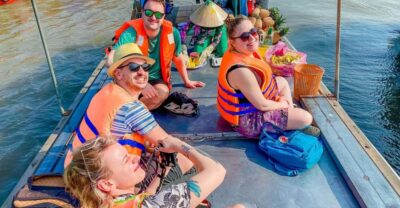
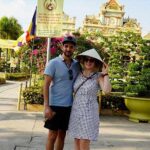
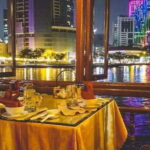
A day in the Mekong Delta usually means slow boats and big dreams. This one adds tuk tuk, a rowing boat, and a biking segment so you feel the place from different angles, not just from a single ride.
What I like most is how much the tour solves for you: transportation, timing, and key stops are planned. You also get a local guide who can explain what you’re seeing while you move through rural Ben Tre life, canal views, and fruit-farm rhythms.
The one thing to consider is that this is not a luxury, no-effort day. It’s active (moderate physical fitness helps), and lunch can be hit-or-miss depending on your expectations since it’s part of a fixed itinerary rather than a pick-your-spot plan.
In This Review
- The sweet spots you’ll feel quickly
- One caution before you commit
- Key things to notice before you go
- Why the Mekong Delta feels more real on a tuk tuk-and-boat route
- Price and what $15.99 really buys you in practice
- The day’s route: from Ben Tre village to Bao Dinh Canal islets
- Stop in Ben Tre: fruit garden, village walking, folk music
- Bao Dinh Canal: cruise time and the islet sequence
- Daily life: fishing villages, farms, and producers
- Tuk tuk, rowing boat, and biking: how you move matters
- Tuk tuk: quick travel between village pockets
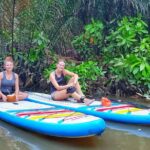
- Rowing boat: closer, quieter, slower water time
- Biking tour: the human scale of the Delta
- Lunch, fruit, and local food stops: what to expect without guessing
- Guides and group size: the difference between a tour and a day you remember
- Getting ready: moderate fitness, weather reality, and comfort tips
- Who should book this Mekong Delta tour
- Should you book this Mekong Delta day trip?
- FAQ
- What does the tour price include?
- Where does the tour start and end?
- How long is the Mekong Delta tour?
- Is hotel pickup available?
- Is there a vegetarian option?
- What if the weather is bad?
The sweet spots you’ll feel quickly
1) Small-group pace (limited to a dozen-ish group size, max 15) keeps it personal.
2) All-in-one value at $15.99 includes hotel pickup in District 1, lunch, bottled water, and the boat trip.
One caution before you commit
If you want a super relaxed day, this may feel busy. It’s designed to cover a lot, and it runs best when the weather cooperates.
You can also read our reviews of more boat tours in Ho Chi Minh City
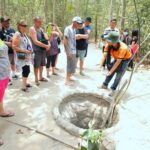
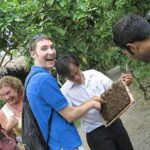
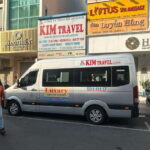
Key things to notice before you go
- Ben Tre village atmosphere with a fruit garden stop and Southern Vietnamese folk music
- Bao Dinh Canal cruise plus multiple islets named Tortoise, Dragon, Phoenix, and Unicorn
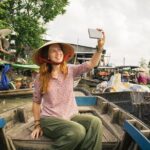
- Rowing boat time that gets you closer to everyday water life than a larger motor boat
- Biking through village scenery (you’ll need comfortable shoes and a basic level of mobility)
- Fruit sampling and local producers tied to daily routines, not tourist-only stalls
- Guide-led context that can turn what you see into something you understand
Why the Mekong Delta feels more real on a tuk tuk-and-boat route
The Mekong Delta can feel like a movie set if you only do one thing: ride a boat, stand in one place, take photos, leave. This tour mixes land and water, so your day has texture. You’ll start with village walking time in Ben Tre, then shift to canal cruising and quieter water with a rowing boat, and later add biking to connect it all.
In Ben Tre, you’re not just dropped at a landmark. You walk into a village atmosphere, visit a fruit garden, and hear Southern Vietnamese folk music while you take in the slow rhythm of daily life. That music detail matters because it’s not just background. It’s a clue: you’re in a region where culture lives in everyday routines, not only on a stage.
On the water side, the Bao Dinh Canal segment and the islets named Tortoise, Dragon, Phoenix, and Unicorn give you a sense of the Delta’s shape and scale. Islets sound like a small detail until you’re gliding past them and realize how much of rural Vietnam is organized around waterways.
Price and what $15.99 really buys you in practice
At $15.99 per person, the tour isn’t trying to be “budget” and cut corners. It includes the stuff that usually eats your day if you plan on your own: hotel pickup (selected hotels in District 1), lunch, bottled water, and the boat trip. You’re also paying for a planned schedule that strings together transport and activities so you aren’t bargaining for each leg.
What helps the value even more is the small-group format. When the group is around a dozen people (max 15), you’re less likely to feel like you’re riding inside a moving cattle car. That matters on a long day that runs about 8 to 9 hours.
One note: beverages and other meals aren’t specifically covered beyond what the program mentions. Lunch is included, but if you’re someone who wants extra drinks or you like to add snacks, you’ll likely pay some personal expenses along the way. Still, compared with piecing together a boat trip plus a day of transport, this price can be a smart way to get a full Delta taste without burning time.
The day’s route: from Ben Tre village to Bao Dinh Canal islets
Your route is designed like a loop of experiences: rural life on land, then water life, then more rural movement. You start in Ho Chi Minh City and head toward Ben Tre, where the tour begins with walking and fruit-farm atmosphere.
You can also read our reviews of more cycling tours in Ho Chi Minh City

Stop in Ben Tre: fruit garden, village walking, folk music
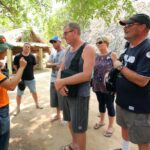
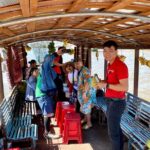
This is the part that sets the tone. You’ll experience the atmosphere when you walk into the village, then spend time at a fruit garden. Tropical fruit sampling is part of this segment, and you’ll also enjoy Southern Vietnamese folk music as you’re there.
Why it’s worth your attention: fruit isn’t just a snack in the Mekong Delta. It’s a livelihood marker. When you taste the local fruit and hear music while you watch daily activity, you’re getting context for why the region looks the way it does.
Potential drawback: this is still a working area. If you’re expecting spotless, staged sightseeing, you might find it more practical and lived-in than polished.
Bao Dinh Canal: cruise time and the islet sequence
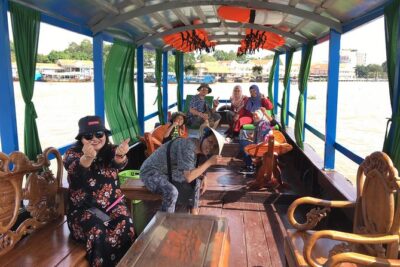
After the Ben Tre village segment, the day shifts toward the Bao Dinh Canal. You’ll cruise along the canal and visit islets named Tortoise, Dragon, Phoenix, and Unicorn. Those names sound playful, but the real value is the variety of views and the way the canal carves the landscape into waterways and pockets of life.
This is also where you’ll feel what “Delta geography” means. Instead of broad farmland like you’d see inland, you get a system built on channels. It helps you understand daily travel, fishing, and how farms connect to water access.
Daily life: fishing villages, farms, and producers
The itinerary also includes rural details like fishing villages and farms, plus visits to traditional food and handicraft producers. You’re not just passing scenery. You’re seeing how local work turns into daily goods.
Look for the everyday logic: boats and water access supporting fishing; land producing food; and handicrafts reflecting skills that keep getting passed along. Even if you don’t buy anything, these stops can help you read the region instead of just view it.
Tuk tuk, rowing boat, and biking: how you move matters
The Delta changes character depending on how you travel. That’s why this mix of transportation is one of the tour’s best strengths.
Tuk tuk: quick travel between village pockets
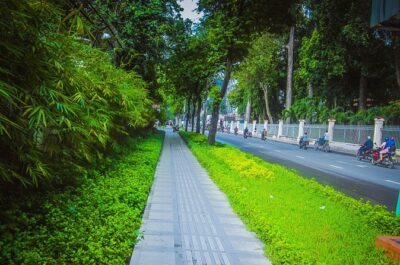
Tuk tuk helps you cover ground without turning your day into a long walking slog. It also keeps you in “local speed,” so you’re not only stuck looking from a vehicle window.
Rowing boat: closer, quieter, slower water time
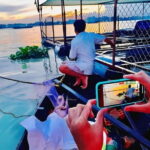
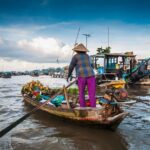
You’ll take a rowing boat as part of the day. Compared to larger motorboats, rowing often gives you more stillness and closeness. It can feel more like you’re joining the water flow for a while rather than cutting through it at speed.
This is a great moment to slow down and watch. You’re more likely to notice daily routines—what’s being done on the water and along the banks—than when you’re bouncing past quickly.
Biking tour: the human scale of the Delta
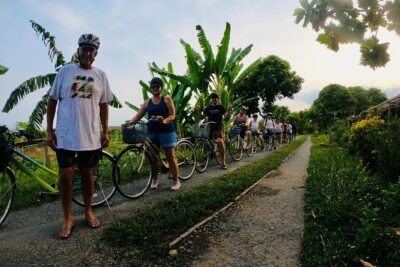
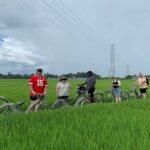
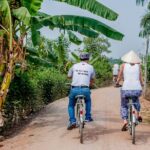
The tour includes a biking component. You don’t need to be an athlete, but you do need moderate physical comfort. If biking makes you tense, plan for short-paced riding and wear comfortable shoes.
Why it works: biking gives you a “near view” of village edges and small pathways. You see more than you would from a boat alone, but you don’t have to commit to a full-day hard ride.
Lunch, fruit, and local food stops: what to expect without guessing
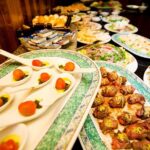
Lunch is included, and bottled water is provided. Beyond that, the program doesn’t promise a second big meal or a wide drink selection.
Fruit tasting is part of the early Ben Tre experience, so you’ll get at least one snack-style highlight before lunch. That’s a smart pacing choice. It helps you handle an 8 to 9 hour day without feeling empty before the main meal.
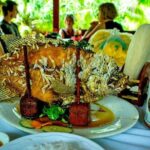
One caution from real-world experiences: lunch quality can vary. Some people find it satisfying, others feel it doesn’t hit the mark. So I’d treat lunch as included fuel, not as the star of your day. If you’re picky about food, you might want to keep modest expectations and focus on the broader experience: village time, boat segments, and rural viewing.
Handicraft and traditional food stops also show up in the itinerary. These are useful even if you don’t plan to shop, because you can see how everyday work turns into items people use and sell.
Guides and group size: the difference between a tour and a day you remember
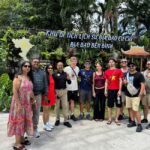
The tour is small group focused, and that makes a real difference when your day includes multiple movement styles. With a group limited to 12 (and a stated max of 15), the guide can keep track of people without treating the group like luggage.
Local guiding matters here. In the past, this tour has been led by guides such as Gin and Doan Khue, both praised for making the day fun and for explaining what you’re seeing in an engaging way. That kind of explanation helps you connect the dots between the fruit garden stop, the canal cruise, the islets, and the fishing-and-farm life you pass.
Also, a smaller group tends to make it easier to ask simple questions. You don’t have to yell over noise or wait for the last person to catch up to hear context.
Pace is “busy,” but it’s not chaotic. You’re meant to cover a lot, and you’ll likely move through segments with enough downtime to catch your breath, especially around the water time.
Getting ready: moderate fitness, weather reality, and comfort tips
This isn’t a sit-and-watch tour. It calls for moderate physical fitness. That lines up with the biking and the time moving around during village and producer stops.
So do two things before you go:
- Wear shoes you’re happy to walk in and that can handle uneven ground near village edges.
- Bring a light layer and sun protection, since outdoor time can stack up across the day.
Weather matters too. The tour requires good weather, and if conditions are poor, you’ll be offered a different date or a full refund. That’s a fair tradeoff for a Delta day since canals and water segments depend on conditions.
If you’re sensitive to heat or want a slower pace, consider booking earlier in your trip when you’re rested. Waiting until your last day in the city can turn “busy day” into “tired day.”
Who should book this Mekong Delta tour
This is a strong choice if you want:
- A full-day Mekong Delta taste without planning multiple transport pieces yourself
- A mix of land and water experiences, not just a single boat ride
- A small-group format where your guide can actually work with you
It’s also a good fit for first-timers to the Delta who want to understand how village life connects to water channels, farming, and fishing.
You might skip it if:
- You hate any biking component or you want a purely low-mobility day
- You expect a luxury, photo-perfect style of sightseeing
- You strongly care about restaurant-style lunch quality more than the overall experience
Should you book this Mekong Delta day trip?
I’d book it if you want value, variety, and a real feel for rural life outside Ho Chi Minh City. The $15.99 price makes sense because pickup, lunch, bottled water, and boat time are already handled, and the small group helps the day feel human instead of mass-produced.
Here’s the deciding checklist:
- If you’re comfortable with moderate fitness and a biking segment, you’ll get more from the day.
- If you like your tours packed with different parts—village atmosphere, canal views, rowing time, and fruit—this hits the brief.
- If you’re the type who needs a very high standard for lunch or you hate anything “busy,” you may find parts of the day don’t match your expectations.
If your goal is an authentic Mekong Delta day with a bit of adventure and a lot of local texture, this is a solid bet.
FAQ
What does the tour price include?
The price includes hotel pickup and drop-off (selected hotels in District 1), lunch, bottled water, a professional guide, a boat trip, and all taxes, fees, and handling charges.
Where does the tour start and end?
The activity starts at 55 Đỗ Quang Đẩu, Phường Phạm Ngũ Lão, Quận 1, Thành phố Hồ Chí Minh, Vietnam, and ends back at the same meeting point.
How long is the Mekong Delta tour?
Plan on about 8 to 9 hours.
Is hotel pickup available?
Yes, pickup is offered for selected hotels in District 1.
Is there a vegetarian option?
A vegetarian option is available. You should request it at the time of booking.
What if the weather is bad?
The tour requires good weather. If it’s canceled due to poor weather, you’ll be offered a different date or a full refund.