REVIEW · HO CHI MINH CITY
Hands-on making 3 Iconic Coffees of South Central North Vietnam
Book on Viator →Operated by Quynh - Vietnam Coffee Journey · Bookable on Viator
Coffee can tell Vietnam’s story.
In this 1.5-hour hands-on workshop in Ho Chi Minh City, Quynh—Vietnam Coffee Journey—guides you through three iconic regional coffees and connects each drink to how people in the South, Central, and North live and prefer flavor. I love that it feels practical, not lecture-y: you’re mixing, brewing, and tasting as you go.
Two things I really like: first, Quynh shows you the right method and the wrong method side-by-side, so you taste the difference instantly. Second, the session is built around clear stories, ingredients, and what to change when the coffee is too strong, too bitter, or not sweet enough. The only real consideration: you’ll be making four drinks, and a couple of them are on the sweeter/richer side, so if you hate condensed milk or egg coffee styles, you’ll want to think ahead.
In This Review
- Key reasons this coffee class works
- Entering the Quynh workshop in District 1
- What happens in 90 minutes: the full coffee lineup
- How the phin comparison actually upgrades your coffee taste
- Saigon iced coffee with condensed milk: the South in a glass
- Central Vietnam salted cream coffee: texture and balance tips
- Hanoi egg coffee: why the capital shows up in the flavor
- Taste, adjust, repeat: what you’ll actually bring home
- Price and value in Ho Chi Minh City: is $21.69 worth it?
- Small details that matter on the day
- Who this is for (and who should skip it)
- Should you book Vietnam Coffee Journey?
- FAQ
- What is the duration of the coffee-making session?
- How many drinks will I make and taste?
- Where does the experience start?
- What’s included in the price?
- How big is the group?
- Can I cancel for a full refund?
Key reasons this coffee class works
- Small group (up to 6) so you can ask questions and adjust your drink as you make it
- Hands-on phin practice with a deliberate comparison sample to sharpen your palate
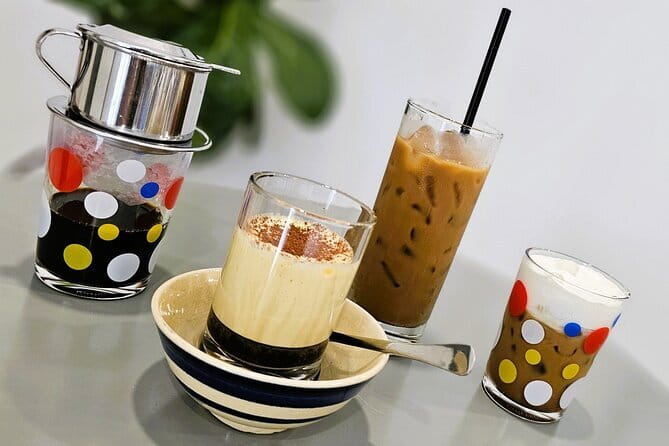
- Four drinks total, covering South, Central, and North icons: condensed milk, salted cream, and egg coffee
- Regional storytelling built into the recipe, including how coffee preferences differ across Vietnam’s 1,650 km length
- Simple extras like cashews, plus all tools and ingredients ready for you
Entering the Quynh workshop in District 1

This experience starts right in District 1 at 27 Ngô Đức Kế, Bến Nghé, Quận 1, Thành phố Hồ Chí Minh. It’s easy to plan around because it’s a focused 1 hour 30 minutes. You’ll also get a mobile ticket, and the group is kept small—maximum 6 travelers—which matters a lot for a hands-on class.
Quynh runs the session with an emphasis on both craft and context. He has 16 years in F&B, and he connects that professional comfort with a love for history and culture. The result is that you don’t just learn how to make coffee—you learn what the drink means to the region that created it. That’s a big deal in Vietnam, where coffee isn’t a background habit. It’s part of daily life and hospitality.
Practical note: the meeting area is near public transportation, and the workshop allows service animals. If you’re traveling light, you can keep your day simple: you’re not doing a long walking tour first.
You can also read our reviews of more tours and experiences in Ho Chi Minh City


What happens in 90 minutes: the full coffee lineup
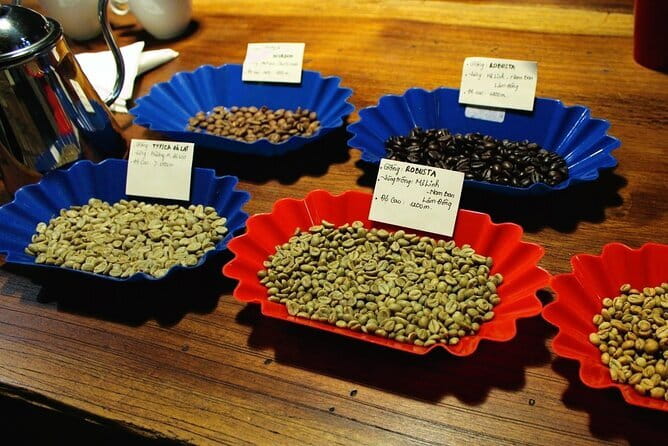
You’ll make and taste four coffee drinks during the session, and each one teaches you a specific “lever” you can pull: strength, sweetness, texture, and balance.
Here’s the sequence you should expect:
- A short introduction to Vietnam coffee culture and how it changed over time
- Hands-on phin coffee, with an intentional “wrong sample” brewed beside your correct one
- Vietnamese coffee with condensed milk (the famous style tied to Saigon/South Vietnam preferences)
- A modern salted cream coffee style linked to Central Vietnam, including what ingredients and tricks affect the final taste
- Egg coffee inspired by Hanoi, plus why the capital’s character shows up in the drink
The pacing is important. You’ll get the story, then you’ll make it. Then you’ll taste it, and you’ll understand what to adjust next time you try to recreate it at home.
How the phin comparison actually upgrades your coffee taste
The core skill in Vietnamese coffee is the phin—that small metal drip filter that slows the extraction. Quynh starts you with phin coffee technique and doesn’t just tell you what to do. He also makes a wrong sample at the same time so you can compare.
I like this teaching method because it stops the guesswork. Instead of reading about bitterness or strength, you taste the outcome immediately. When coffee is too weak, you notice it right away. When it’s over-extracted or imbalanced, the flavor tells you. This is one of the fastest ways to learn what “good” means for Vietnamese iced coffee.
During this part, you’ll learn the method for pure phin coffee, and the class gives you a baseline before jumping into the iconic sweet and creamy versions. If you’re the kind of person who enjoys tuning flavor, this is where you’ll feel the most payoff.
Saigon iced coffee with condensed milk: the South in a glass
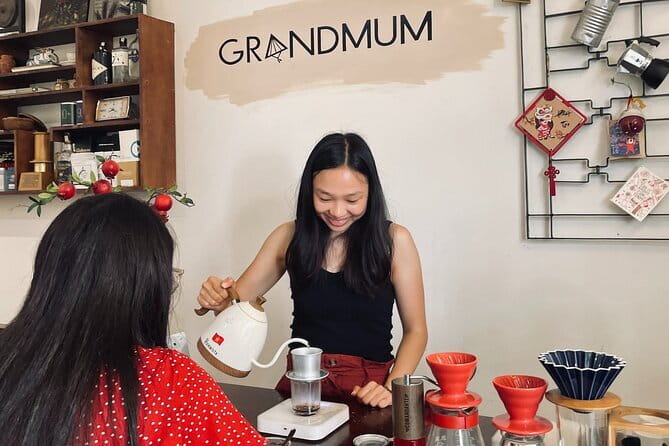
Next comes the drink Vietnam is famous for worldwide: coffee with condensed milk. Quynh explains the story behind it and the ingredients pairing, and he frames it in a regional way—how it reflects Saigon/South Vietnam people and their flavor preferences.
In practical terms, condensed milk changes everything:
- It adds sweetness and viscosity
- It softens harsh notes
- It gives the coffee a smoother finish, especially for iced versions
This is also where you learn how to make it match your mood. If you like your coffee strong, you adjust how you brew. If you want it gentler, you let the condensed milk do more of the work. The class helps you understand why the drink tastes the way it does, so you’re not stuck repeating one fixed recipe forever.
Central Vietnam salted cream coffee: texture and balance tips
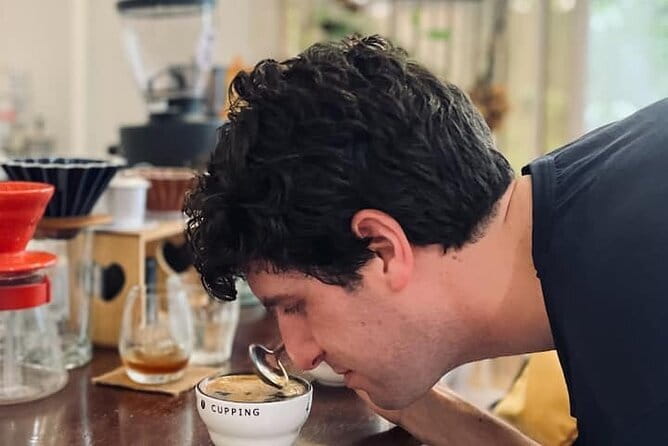
Then you move to a modern favorite connected to Central Vietnam: salted cream coffee. Quynh walks you through the tricks and ingredients that create the signature feel—creamy, salty-sweet, and built for a slow sip.
This drink is a great “lesson” because it’s less about just sweetness and more about balance. Salt matters. It can pull flavors forward and reduce the flatness that sometimes shows up in very sweet iced coffee.
If you’re curious about contemporary coffee styles, this section helps you see how Vietnamese flavor sensibilities adapt to newer tastes. It’s not just tradition; it’s adaptation with purpose.



Hanoi egg coffee: why the capital shows up in the flavor
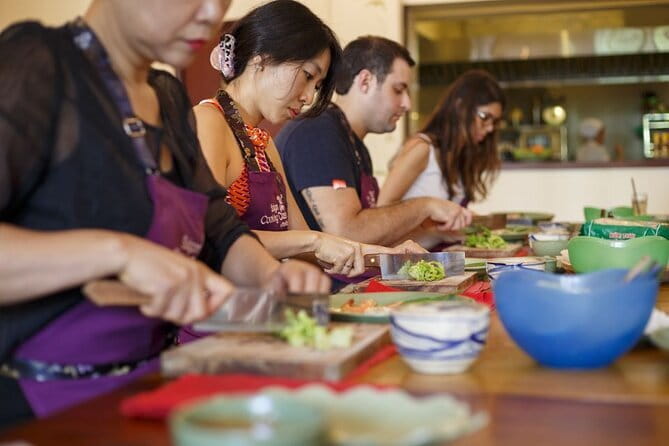
Finally, you tackle egg coffee, a standout style strongly associated with Hanoi. Quynh explains how it’s made and connects the characteristics of the capital to the drink.
Egg coffee has a different personality from the condensed milk and salted cream versions. The egg component contributes richness and a custardy texture, which changes the mouthfeel and how the coffee tastes on the tongue. It can feel heavier and more dessert-like than typical iced coffee, which is exactly why people pair it with Hanoi’s café culture.
This part is especially good if you like specialty coffee that tastes like more than caffeine. You’re learning how to build a texture, not just a drink.
Taste, adjust, repeat: what you’ll actually bring home
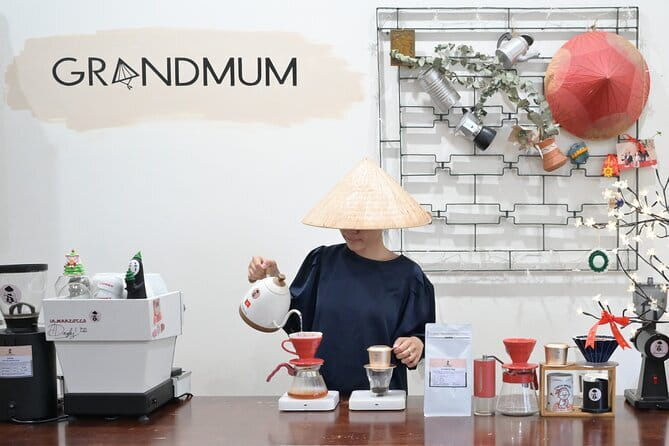
One of the best parts of this workshop is that it doesn’t treat coffee like a mystery. After you make the drinks, you’ll have a clear sense of how to adjust them to fit:
- your taste (strong vs smooth)
- your mood (sweet dessert coffee vs cleaner coffee)
- the style (phin pure coffee vs milk/cream versions)
Quynh’s approach is built around cause-and-effect. You see how different methods and ingredient choices lead to different results. Then you do the work yourself. That makes it far easier to recreate later, even if you don’t have the same tools at home.
I also like that the workshop uses Vietnam’s geography as a mental map. The country stretches about 1,650 km, and you can feel those preferences across the South, Central, and North in the drinks you’re making. You walk out with a flavor “map,” not just a souvenir memory.
Price and value in Ho Chi Minh City: is $21.69 worth it?
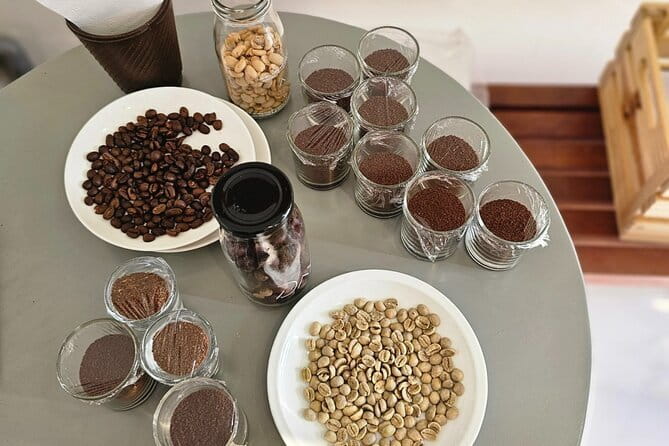
The price is $21.69 per person for about 1 hour 30 minutes, and it includes:
- Coffee and/or tea for 4 drinks
- All ingredients and equipment
- Cashews as a snack
It’s not a cheap drop-in tasting, but it is good value compared to the usual options in a big city. Why? Because you’re not just consuming. You’re actively learning and making. You also get tools and ingredients prepared for you, which saves time and avoids the classic travel problem: buying gear you’ll never use again.
The group size (max 6) also protects the experience. In a crowded class, you’d end up watching more than doing. Here, the format is designed so you can move through each step and ask questions.
Booking is also straightforward. The tour is often booked about 14 days in advance on average, so if you’re traveling in peak periods, plan a bit ahead.
Small details that matter on the day
A few things to think about before you go:
- You’ll be tasting multiple styles, including richer drinks, so come with a normal appetite (not starving, not stuffed).
- Wear comfortable clothes. You’re working at a table, and you’ll be handling coffee-making tools.
- If you’re sensitive to very sweet drinks, consider telling Quynh your preference early. The class is designed around adjusting flavor to taste.
If you want a broader coffee + city day, Quynh also mentions a 4-hour tour across the city’s growth through coffee drinks via an electric tuktuk. If you want that combo, it’s worth reaching out.
Who this is for (and who should skip it)
This workshop is a great fit if you:
- love hands-on food experiences
- want a real Vietnamese coffee education beyond ordering
- enjoy stories that connect culture to daily habits
- like specialty coffee styles with milk, cream, and egg components
You might choose something else if:
- you don’t enjoy sweet, creamy coffee drinks
- egg coffee sounds like a hard no for you
- you’re looking for a long, walking-style city tour rather than a focused class
Should you book Vietnam Coffee Journey?
If you want something that feels both fun and useful, this is an easy yes. You’re getting more than recipes: you’re learning a method (phin), then exploring three signature regional styles—Saigon condensed milk coffee, Central salted cream coffee, and Hanoi egg coffee—with explanations that make the differences make sense.
Book it if you like learning by doing and you want a compact cultural experience in District 1. I’d treat it as a highlight even if you’ve already tried Vietnamese coffee out in town, because the workshop teaches you how to control what you’re tasting.
If you’re on the fence, the key question is simple: are you curious enough to try drinks with condensed milk, salted cream, and egg texture? If yes, you’ll leave with confidence—and a new way to order coffee across Vietnam.
FAQ
What is the duration of the coffee-making session?
The session runs for about 1 hour 30 minutes.
How many drinks will I make and taste?
You’ll make and taste 4 coffee drinks (with coffee and/or tea), including phin coffee plus three iconic regional styles.
Where does the experience start?
It starts at 27 Ngô Đức Kế, Bến Nghé, Quận 1, Thành phố Hồ Chí Minh 70000, Vietnam, and it ends back at the same meeting point.
What’s included in the price?
The price includes the four drinks’ ingredients and equipment, plus cashews as a snack.
How big is the group?
The experience has a maximum of 6 travelers.
Can I cancel for a full refund?
Yes. You can cancel up to 24 hours in advance for a full refund. If you cancel less than 24 hours before the start time, the amount paid is not refunded.