REVIEW · HO CHI MINH CITY
From Ho Chi Minh:Cu Chi Tunnels morning or afternoon w Lunch
Book on GetYourGuide →Operated by Anny Travel · Bookable on GetYourGuide
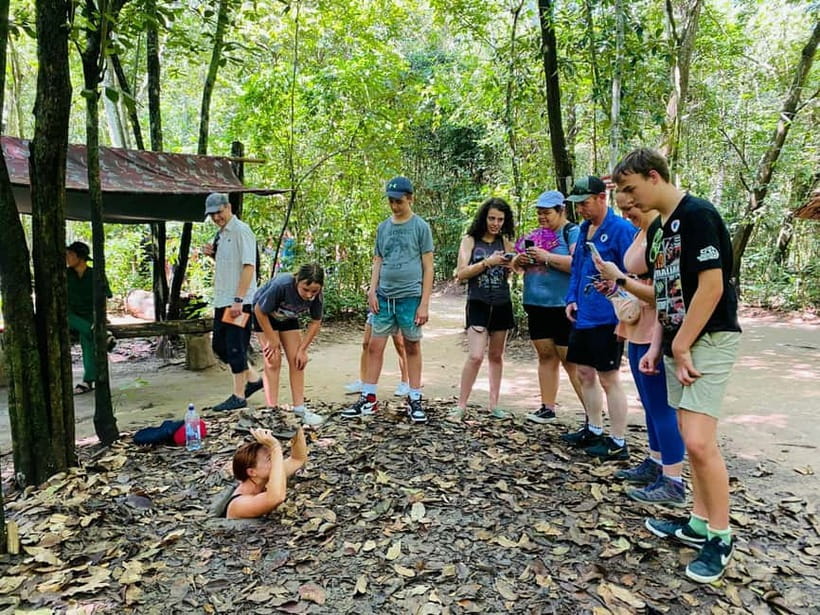
Cu Chi Tunnels has a way of making history feel physical. This Cu Chi Tunnels tour runs about 6 hours and takes you into the Viet Cong underground world, then turns it into a guided story you can actually follow. I like how the visit mixes the hard stuff (narrow crawl sections, war rooms, and traps) with human details, including the boiled tapioca moment and photo chances like peeking out of a camouflaged trapdoor.
What really makes the experience click is the English-speaking tour guide quality, and the names that come up for strong guiding are Nia, Nap, Harry, and Jacky Hiou. One thing to watch: the overall flow can feel rushed or include extra stops on some departures, and optional activities like the shooting range can add cost and noise if you choose them.
In This Review
- Quick hits worth knowing
- Why Cu Chi Tunnels feel different from other war sites
- The 6-hour flow from Ho Chi Minh: transfers, timing, and tunnel time
- Entering the tunnel world: rooms, safety sections, and what you learn
- Crawl segments and the emotional details that stick
- Trapdoor photos, tank time, and how to make it less touristy
- The food plan: tapioca, hot pandanus tea, and lunch expectations
- Optional shooting range: cost, noise, and who should consider it
- Countryside stops and market time: where extra minutes can help or hurt
- Price and value: is $22 from Saigon a good deal?
- Who this tour suits best (and who might want a different plan)
- Should you book Cu Chi Tunnels from Ho Chi Minh?
- FAQ
- How long is the Cu Chi Tunnels tour?
- What is the price per person?
- Does the tour include transportation?
- Is an English-speaking guide included?
- What’s included once you arrive at Cu Chi?
- Is lunch included?
- Can I crawl through the tunnels?
- Is the shooting range included in the price?
- Does the tour offer countryside stops?
- Is free cancellation available?
- Is there a pay-later option?
Quick hits worth knowing
- Underground village walkthrough with rooms like bunkers and field hospitals, plus command points and booby traps.
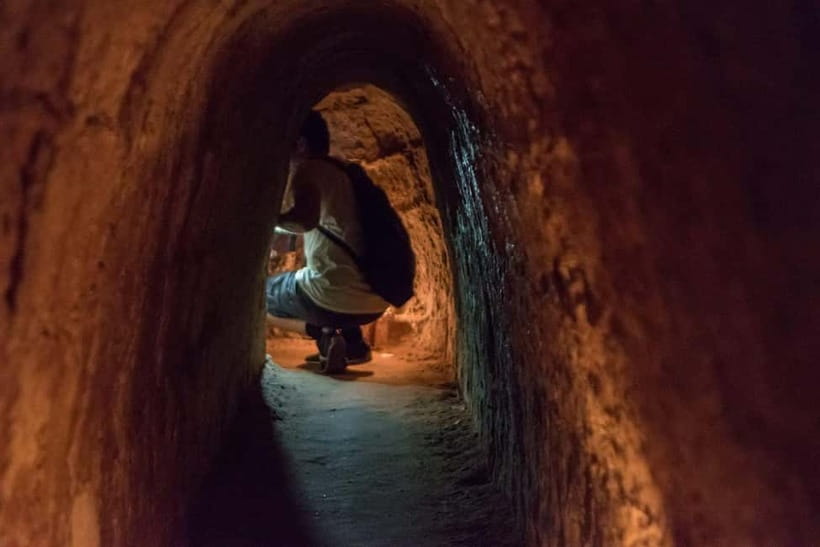
- Real tunnel crawling in safer, narrow sections that were hand-made for wartime survival.
- Tank and trapdoor photo moments that help the tunnels stick in your memory.
- Food that matches the war theme, centered on tapioca with hot pandanus tea (meal details can vary by departure).
- Optional weapons range (AK-47 or MK16) that you pay for separately, with extra noise and waiting time for non-shooters.
- Countryside add-ons like rubber tree plantation views and a wet market with tropical fruit stops.
Why Cu Chi Tunnels feel different from other war sites
Cu Chi is not just a battlefield story. It is a lesson in logistics and survival, because the tunnel system was designed for hiding, moving, treating injuries, and staying fed in tight conditions. When you descend, you get the sense that combat wasn’t only about guns. It was about time, concealment, and the ability to keep going underground.
Also, the tours here usually aim to connect the dots: where Viet Cong soldiers lived, how they used different areas, and how the underground layout supported their operations. That framing matters, because otherwise a tunnel crawl can feel like a stunt. With a strong guide, it feels like problem-solving under pressure.
You can also read our reviews of more tours and experiences in Ho Chi Minh City


The 6-hour flow from Ho Chi Minh: transfers, timing, and tunnel time
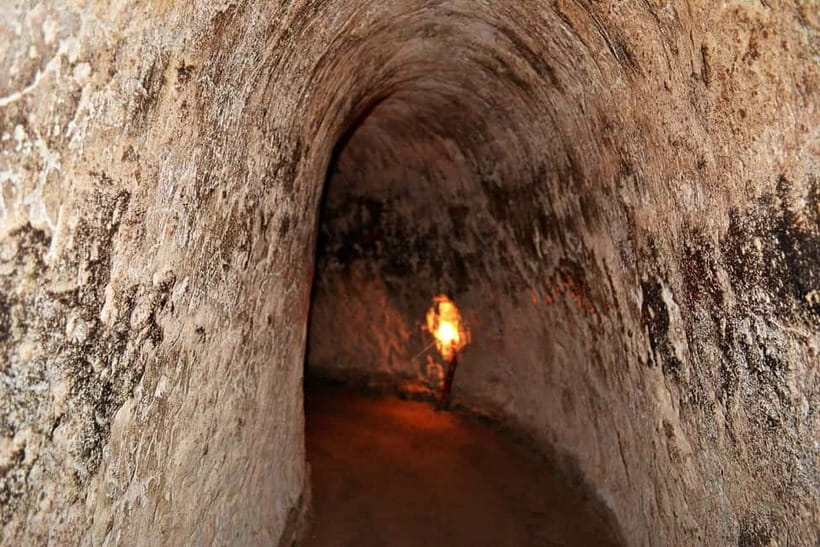
This is a half-day plan—about 6 hours—with air-conditioned bus transfer included. The day typically starts with the ride out of Ho Chi Minh, then you move into the tunnel complex and spend the bulk of your time underground with a guide.
One practical note: start times can slip. There are departures that run later than what’s advertised, so I recommend confirming pickup timing the day before. It is the easiest way to avoid that low-grade stress that can ruin a visit like this.
On the way, you may get countryside views including rubber tree plantation and jungle sightseeing. Some tours also stop at a countryside wet market and offer tropical fruits, which helps break up the day and gives you context for how rural Vietnam looks beyond the war narrative.
Entering the tunnel world: rooms, safety sections, and what you learn
The core of the experience is descending into the Cu Chi Tunnels and moving through sections designed for visitors. You’ll see how Viet Cong soldiers used the tunnels during the Vietnam War, not as a single dark hallway, but as a connected system—almost like a small underground village.
Inside, the tour commonly highlights areas such as war bunkers, field hospitals, and command centers. You also get to see booby traps in the planned viewing zones. Even if you are not into military history, the layout explains why tunnels mattered: they protected people from direct attack while keeping communications and operations moving.
The guide experience is a big factor here. On well-run tours, the guide ties each area to a plain-language explanation—what the room was for and why it was built that way. When guiding falls short, the visit can start to feel like walking through labeled stops. That is why the guide names that keep showing up—Nia, Nap, Harry, and Jacky Hiou—are a real signal of what you should prioritize when booking.
Crawl segments and the emotional details that stick
Yes, you may crawl through narrow tunnel sections that were made by hand during wartime. This is one of those experiences where your body helps you understand the story. You feel the space limits fast, and that makes the survival reality harder to ignore.
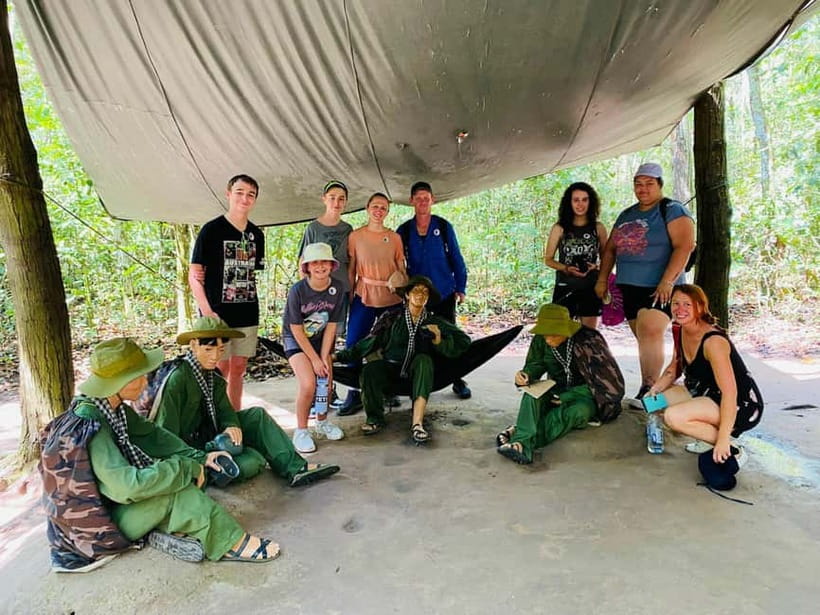
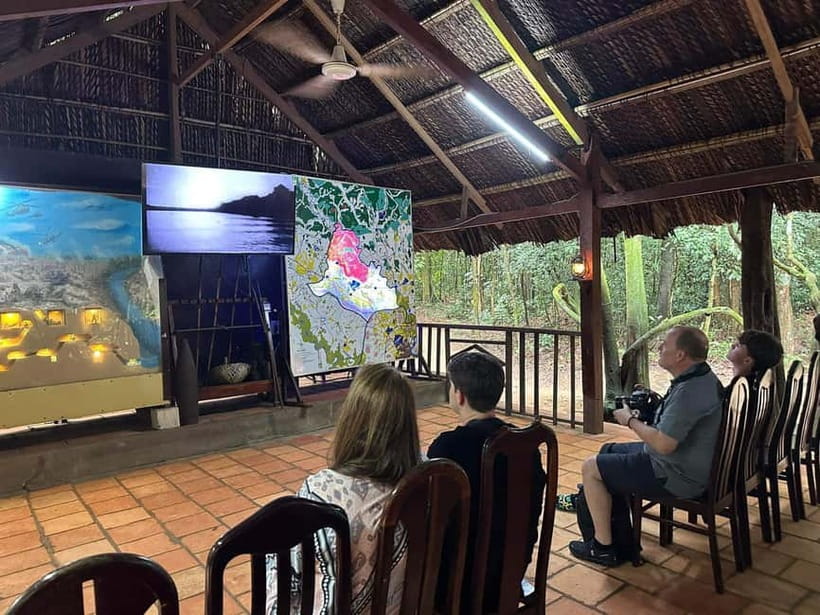
You’ll also see interpretive elements that reinforce the timeline and daily life underground, such as restored artifacts or statues and a short documentary shown in multiple languages. In some setups, the documentary is delivered on small screens, so if you want to actually read along, plan to sit where you can see clearly.
There are also moments built for understanding, not just photos—like walking past areas used for food prep and supplies. Some tours refer to a smoke-free kitchen (Hoang Cam) as part of the story, along with mentions of weapons manufacturing rooms. It all adds up to a clearer picture of routine: even underground, people still had to eat, repair, and treat injuries.
Trapdoor photos, tank time, and how to make it less touristy
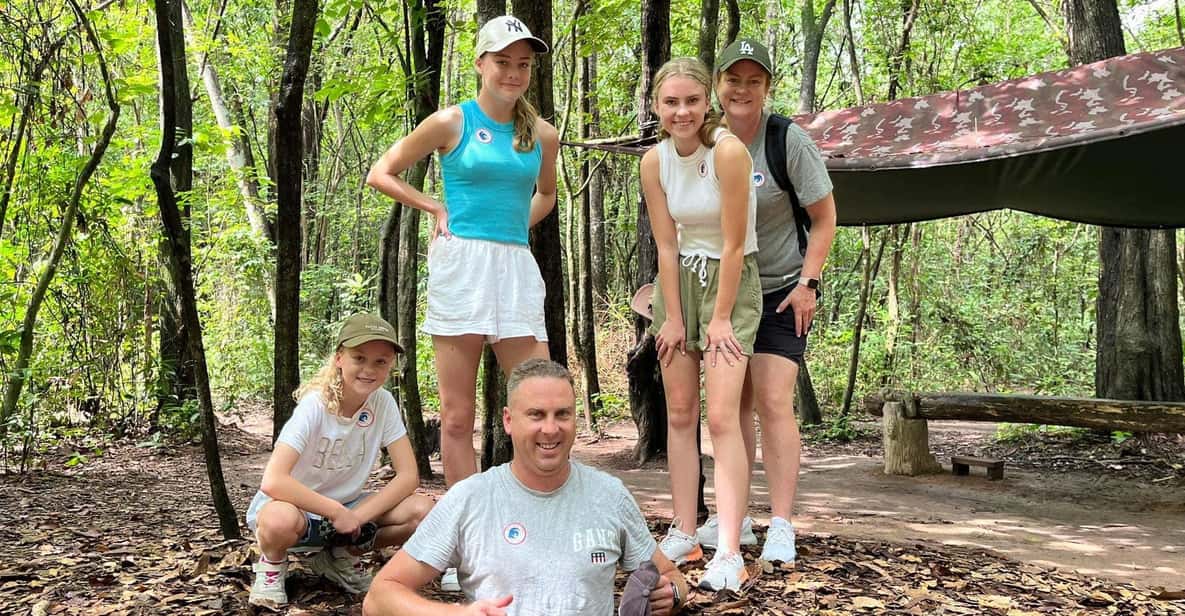
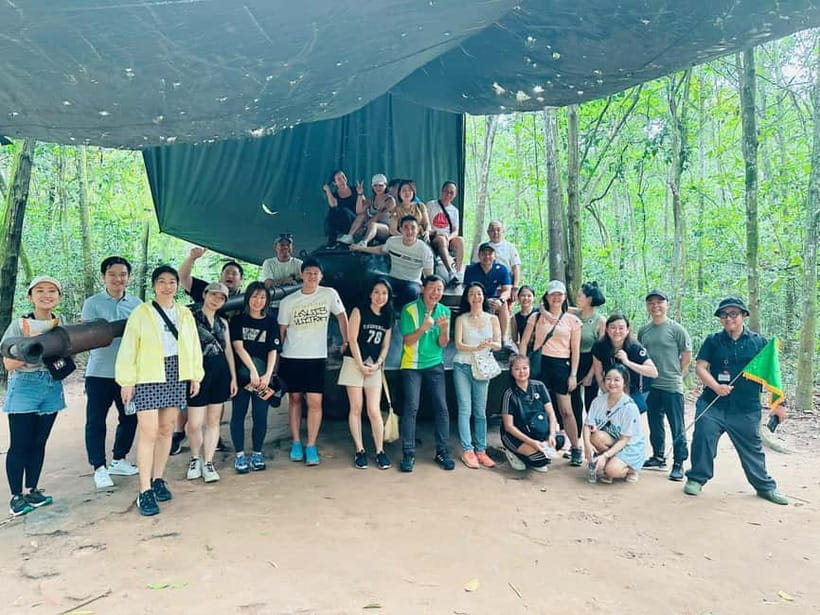
Cu Chi tours often include photo opportunities that feel slightly cinematic: peeking out of a camouflaged trapdoor and climbing aboard a tank. These moments can be fun, but they can also become a time sink if the group moves too quickly.
Here’s how you can make it better for yourself: treat photos as a tool. Take one quick set at the trapdoor or tank, then shift attention back to the guide. The best parts are usually the in-between explanations—what you’re looking at and how it connected to life underground.
If your tour includes short videos or labeled displays, pay attention to how the guide frames the story. On strong guiding days, the humor and anecdotes (like what Jacky Hiou is praised for) can keep the mood from turning too heavy. That balance helps you absorb the facts without getting numb.
You can also read our reviews of more tours and experiences in Ho Chi Minh City





The food plan: tapioca, hot pandanus tea, and lunch expectations
Food here is part of the theme. Most plans include tapioca, commonly described as boiled tapioca with hot pandanus tea. It is not a restaurant lunch, so think of it as a wartime-flavored tasting rather than a big meal.
Lunch can be optional for private tours. On some departures, the meal quality and portion size may feel basic. One common complaint is that the food can come out cold or in small portions, and sometimes the planned drink experience does not match what’s suggested in the pitch.
My practical advice: don’t plan your day around a perfect meal. If you are hungry, bring a little backup snack for yourself. Then the tapioca fits as an add-on to the experience, not a make-or-break moment.
Optional shooting range: cost, noise, and who should consider it
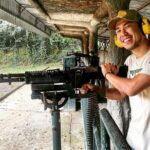
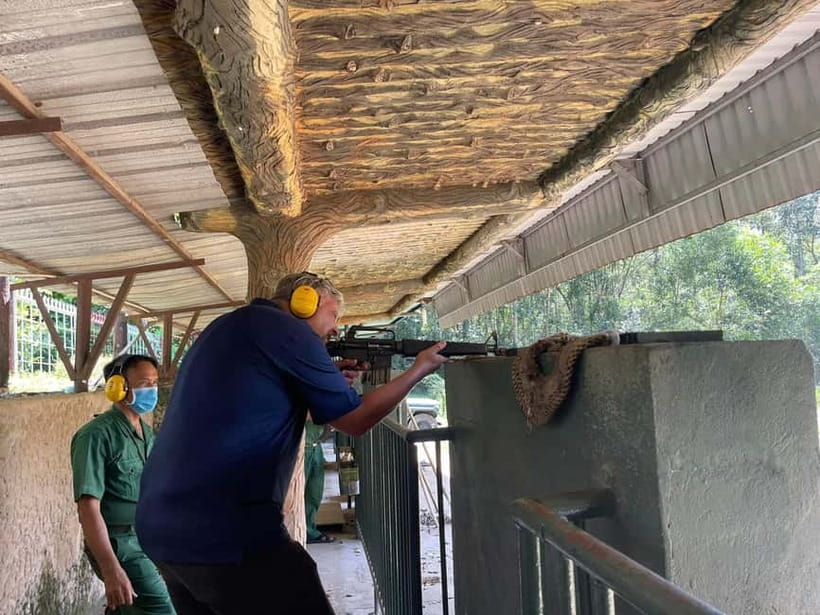
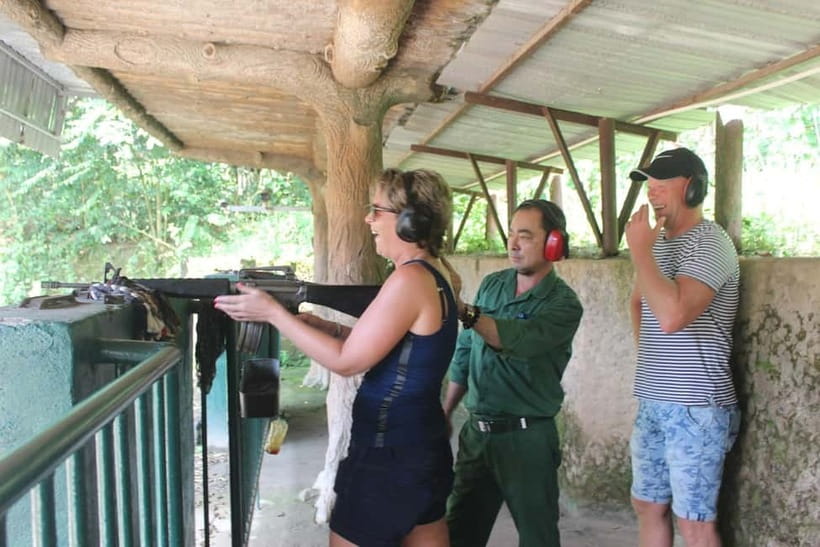
If you want it, the shooting range is usually an optional extra. The range is not included in the base price, and when it happens mid-tour, it can change the energy of the whole group.
One important detail: shooting sessions can be loud and stressful, and non-shooters may wait in a café area with constant noise. If you’re sensitive to sound or you prefer a calmer museum-style pace, you might skip this add-on and keep your focus on the underground sections.
If you do try it, go in with the expectation that it adds time and attention management. You’ll be trading quiet learning for a supervised hands-on activity, plus extra waiting for the rest of the group.
Countryside stops and market time: where extra minutes can help or hurt
Some Cu Chi Tunnel days include a brief look at the countryside—rubber tree plantation views, jungle sightseeing, and tropical fruit tasting after a wet market stop. This is valuable because it puts Vietnam outside the war bubble.
The trade-off is time. If your route adds an extended market stop or a detour that wasn’t on your ideal list, your tunnel time can feel tighter. I would rather you go in with the mindset that this tour can be a mix of education plus sightseeing, and you should check exactly what’s on your departure’s schedule before you commit.
Price and value: is $22 from Saigon a good deal?
At $22 per person for a roughly 6-hour tour, the value is mostly in what’s included. You’re getting round-trip-style transfer by air-conditioned bus, an English-speaking guide, entry, bottled water, and tapioca. For many visitors, that’s enough structure to feel worth it even if you skip optional extras.
What can affect value is not the base inclusions—it’s the pace and the extras. If your day includes extra detours and the meal feels underwhelming, the experience can start to feel like you paid for movement rather than meaning. If you get a guide who explains clearly and keeps the group moving without rushing, the same itinerary feels totally different.
So think of it like this: the ticket buys access and transport; the guide controls the quality of the learning. If you care about the story part, you’re paying for your guide’s ability to connect rooms and history into something coherent.
Who this tour suits best (and who might want a different plan)
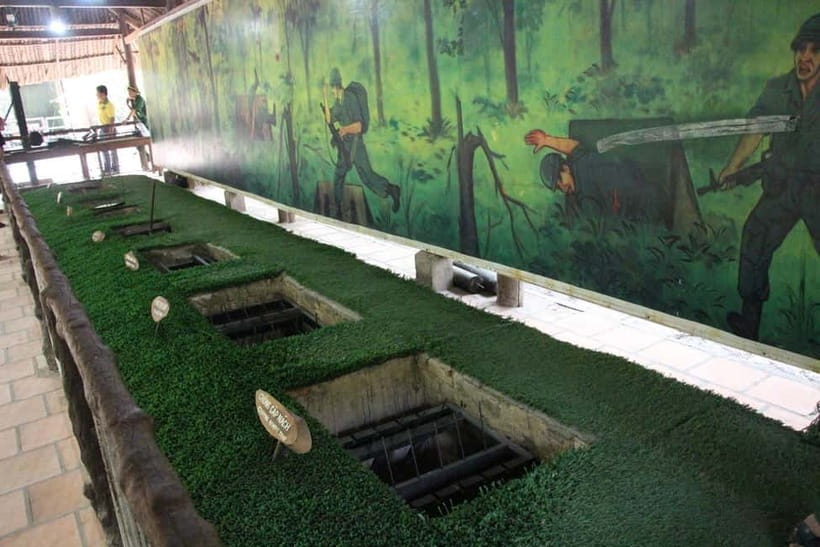
This works especially well if you want a guided Vietnam War context with concrete scenes: tunnels, bunkers, hospitals, and underground survival details. It also suits travelers who like hands-on experiences, since you may crawl through narrow sections and see trapdoor setups for photos.
If you dislike noise or time pressure, be cautious about optional add-ons like the shooting range, and be prepared for the fact that some tours include extra stops. If you want only the most authentic, least-modern-feeling sections, you may find the experience varies depending on how your route is run on that day.
Should you book Cu Chi Tunnels from Ho Chi Minh?
I’d book this tour if you want an organized half-day that balances underground learning with a few real-world Vietnam stops on the way out. The price is reasonable for what you get, and when your guide is strong, the tunnel complex turns into a clear, memorable story.
I would hesitate if you know you are sensitive to delays, crowded bus situations, or noisy shooting-range segments. In that case, either plan to skip the range or look for a format that keeps the focus tightly on the tunnels.
If you do book, I’d prioritize one simple thing: choose the departure that clearly matches your preferences for pace and add-ons. Cu Chi is worth it—but your day will feel better when it’s built around what you actually want to see.
FAQ
How long is the Cu Chi Tunnels tour?
The tour lasts about 6 hours.
What is the price per person?
It’s listed at $22 per person.
Does the tour include transportation?
Yes. You get transfer by air-conditioned bus.
Is an English-speaking guide included?
Yes. An English-speaking tour guide is included. Other languages are available, but for private groups there can be a surcharge for non-English speaking guides.
What’s included once you arrive at Cu Chi?
You get entry to the Cu Chi Tunnels, bottled water, and tapioca. There is also typically a documentary component during the visit.
Is lunch included?
Lunch is optional and tied to private tours. The base inclusions list tapioca, not a guaranteed lunch for everyone.
Can I crawl through the tunnels?
Yes. The tour description includes descending and exploring safer tunnel areas, including narrow sections made by hand during the wartime.
Is the shooting range included in the price?
No. The shooting range is not included, and it is listed as optional with a surcharge.
Does the tour offer countryside stops?
It can. The plan may include rubber tree plantation and jungle sightseeing, plus a countryside wet market and tropical fruit tasting.
Is free cancellation available?
Yes. You can cancel up to 24 hours in advance for a full refund.
Is there a pay-later option?
Yes. You can reserve now and pay later.