REVIEW · HO CHI MINH CITY
A Complete Vietnam Coffee Journey – The Unknown Giant
Book on GetYourGuide →Operated by Vietnam Coffee Journey - Day · Bookable on GetYourGuide
Coffee in Vietnam can taste like dessert, dinner, and history.
What makes this experience stand out is that it’s built for real learning in 150 minutes, with hands-on brewing plus tasting and comparisons. I like that the host guides you with clear explanations that connect coffee to Vietnamese life, from growing to drinking. One thing to consider: it’s not a casual walk-in caffeine sampling—this is a focused workshop, so you’ll get the most by coming ready to ask questions.
I also like the variety of what you make and try: six distinct Vietnamese coffee drinks, including coconut, condensed milk, salt, and egg-style coffee, not just one sweet cup. A possible drawback for some people is the timing: it’s capped at a small group and you should plan to stay for the full session to get the tasting-and-making flow.
In This Review
- Key highlights you’ll actually care about
- Vietnamese Coffee Learning That Feels Like a Conversation
- Meet at 40E Ngô Đức Kế: What “Small Group” Means Here
- Your 150 Minutes: The Simple Schedule That Still Feels Complete
- The Six Drinks You’ll Make and Taste (Yes, Really Six)
- Traditional vs Modern Coffee: How Brewing Choices Show Up in Flavor
- The Robusta Lesson That Changes Your Whole Perspective
- Brewing Tips and Recipes You Can Actually Use Later
- Snack Pairing: Bánh Mì Options and More
- How the Host Turns Questions Into Part of the Learning
- Is It Worth $30 for 2.5 Hours and Six Drinks?
- Where This Workshop Fits Best in Your Vietnam Plan
- Accessibility Note You Should Confirm
- Should You Book This Vietnamese Coffee Journey?
- FAQ
- How long is the coffee experience?
- How many coffee drinks will I make and taste?
- Where does the experience start and end?
- What snack is included?
- What languages is the tour guide available in?
- Is this suitable for children?
- Is it wheelchair accessible?
- Can I get a refund if my plans change?
Key highlights you’ll actually care about
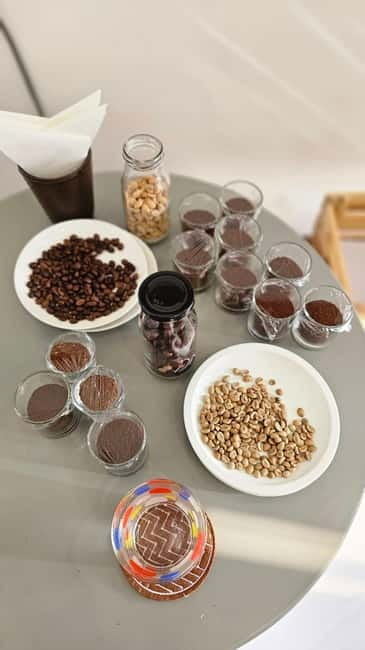
- Six drinks, multiple styles so you taste how Vietnamese coffee changes from cup to cup
- Make-your-own practice paired with tips you can use after the tour
- Robusta explained with context including what it means for Vietnam’s coffee culture
- History that links Vietnam to global coffee without getting slow or lecture-heavy
- Tasting comparisons: traditional vs modern so you can spot what’s changing in the cup
- City-center meeting point at 40E Ngô Đức Kế, easy to plan around
Vietnamese Coffee Learning That Feels Like a Conversation
If your only idea of Vietnamese coffee is sweet, strong, and served with condensed milk, this tour will recalibrate you fast—in a good way. The experience is designed around the idea that Vietnamese coffee isn’t one flavor. It’s a collection of methods, ingredients, and habits that evolved alongside Vietnam itself.
I like that the host treats coffee as a system. You’re not just memorizing names. You learn how different choices in brewing and ingredients create the flavor you’re tasting. And you get to test that on your own cups, not only by watching.
You can also read our reviews of more tours and experiences in Ho Chi Minh City


Meet at 40E Ngô Đức Kế: What “Small Group” Means Here
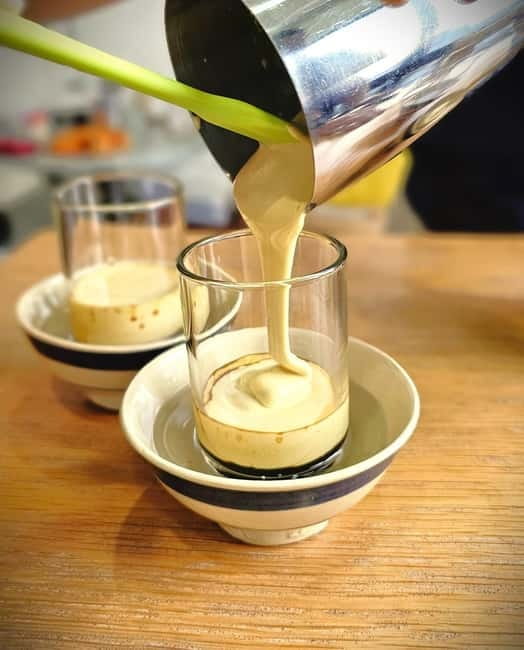
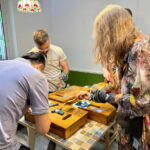
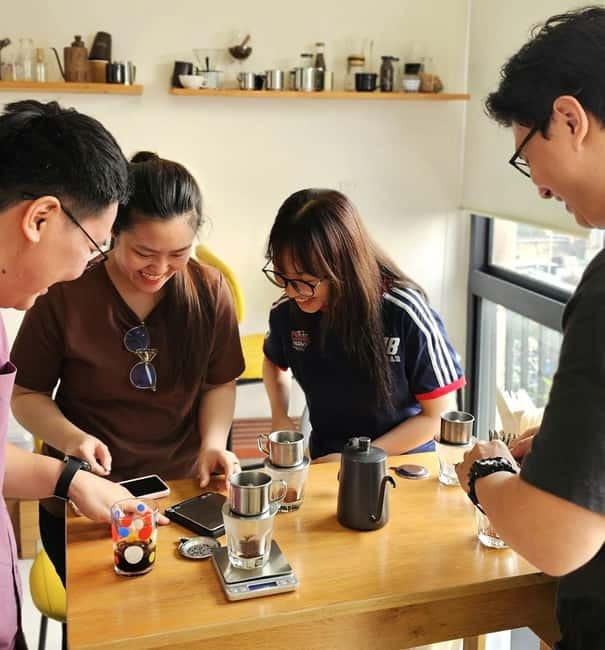
The workshop meets at 40E Ngô Đức Kế in Ho Chi Minh City, right in the middle of the action. Because the group is limited to 6 participants, the pace stays human. You’re close enough to the host to ask questions while you’re making coffee, not after the tour ends.
This setup matters. Coffee tasting is subjective, and it’s easy to get lost if a group is too large. With a small group, you can compare your cup to others, ask why something tastes different, and get quick corrections on things you can adjust next time.
Your 150 Minutes: The Simple Schedule That Still Feels Complete
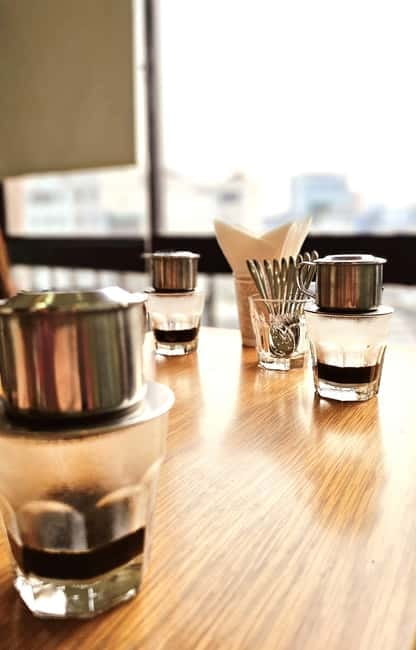
This is a tight 2.5-hour workshop session. You start at the meeting point, then you spend the bulk of the time in the tasting-and-making flow. At the end, you return to 40E Ngô Đức Kế.
Here’s how the time is structured in practice:
- You begin with the coffee story and what you’re going to taste and make.
- You move through multiple coffee drinks with explanations tied to origin and method.
- You’ll do hands-on preparation so the learning sticks.
- You end with tasting comparisons and practical advice you can take home.
There aren’t side trips. That’s actually a strength here. For most first-time visitors, the biggest obstacle is time. You want coffee clarity without turning your afternoon into a logistics puzzle.
The Six Drinks You’ll Make and Taste (Yes, Really Six)
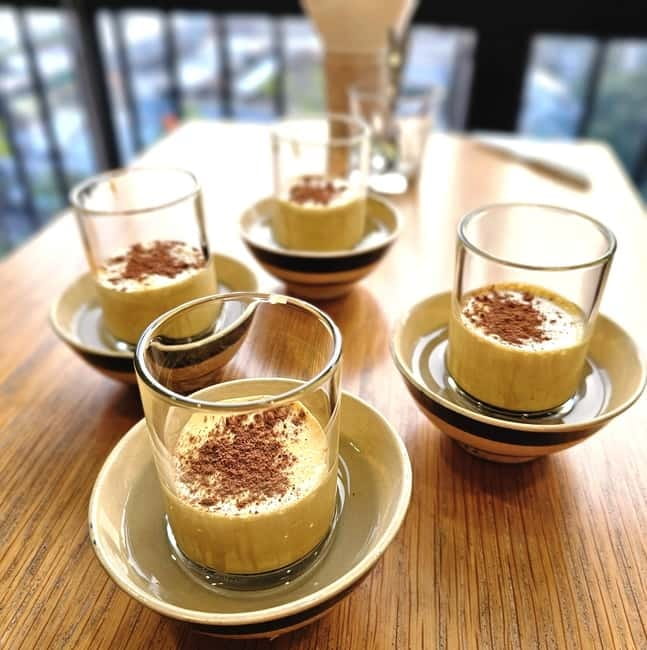
The heart of the experience is that you work through 6 different coffee drinks and learn the story behind each. The drinks include several that are iconic in Vietnam, such as:
- coconut-based coffee
- condensed milk coffee
- salt coffee
- egg-style coffee
And the host connects each one to how and why people in Vietnam developed these flavors. That matters because a lot of coffee tours give you the how but not the why. Here, the explanation is part of the tasting. When you understand the logic behind an ingredient choice—like why condensed milk is treated as more than sweetness—you taste differently.
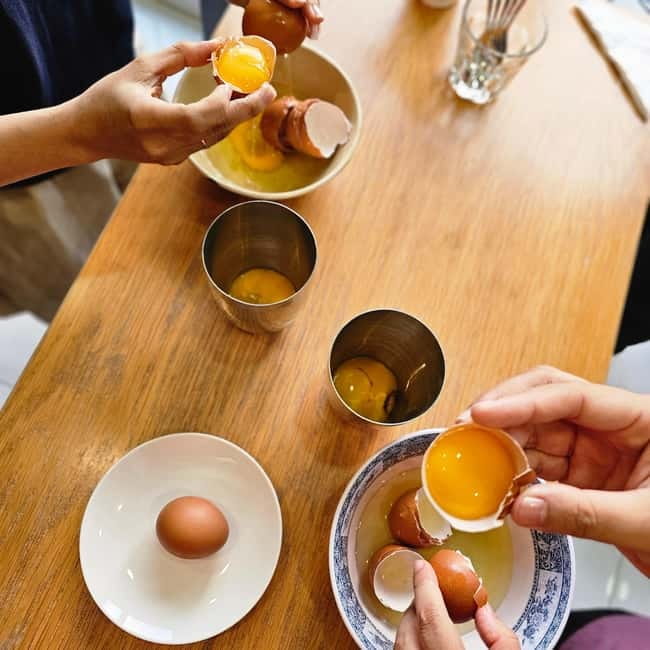
Also, the format isn’t “one sip and move on.” You’ll make and try the drinks so you can identify what you did that changed the outcome.
Traditional vs Modern Coffee: How Brewing Choices Show Up in Flavor
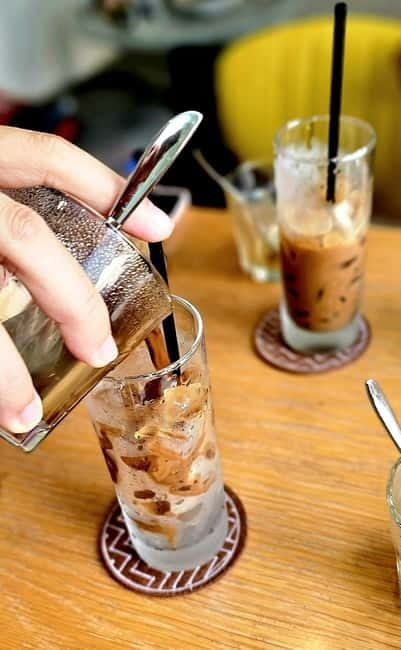
One of the most useful parts for me is the tour’s insistence on the mechanics. It’s not presented as a vague “some people do it this way” explanation. Instead, you learn how brewing methods and instruments bring out each style’s character.
You’ll also do tasting comparisons between traditional style and modern style coffee. That’s a big deal, because Vietnamese coffee can look similar in a cup while tasting totally different. The differences often come down to method, concentration, and how the brew interacts with the rest of the recipe.
The practical takeaway is that you’re not stuck forever tasting coffee the Vietnamese way or the tourist way. You learn how to adjust based on your preferences—stronger, less strong, different balance of sweetness, or how the drink behaves as it cools.


The Robusta Lesson That Changes Your Whole Perspective
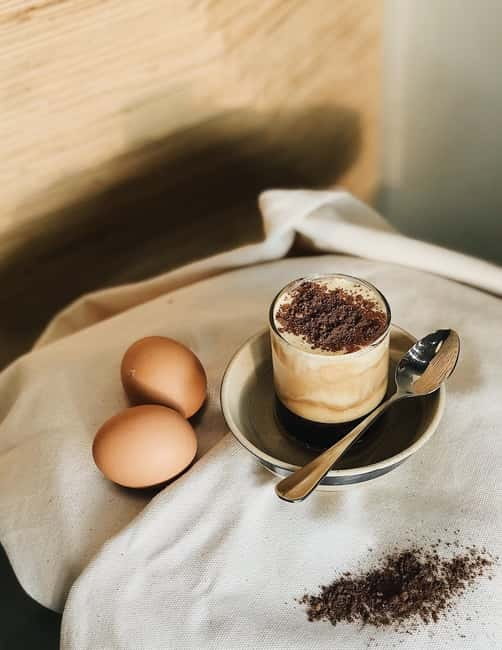
Vietnam is strongly associated with Robusta, and this workshop doesn’t treat it like an afterthought. You learn why Robusta matters to Vietnam’s coffee identity and how it shapes what Vietnamese people expect from their daily cup.
Even if you usually think of Robusta as a “less fancy” bean, the tour reframes it. The host explains it in a way that helps you understand why Robusta’s traits show up in the taste profile of Vietnamese coffee drinks.
I found that approach makes the rest of the workshop click. When you understand the bean and the culture around it, you stop judging the cup by one global standard and start tasting what it’s trying to be.
Brewing Tips and Recipes You Can Actually Use Later

I like workshops that give you something to do after the tour, not just memories of flavor. This one includes tips and recipes for brewing—plus guidance on how to adjust the drinks to match your taste.
What that looks like in real life:
- You learn what to watch when making your own versions of the drinks.
- You get pointers on how your preferences change what you should adjust.
- You understand which factors are responsible for the differences you’re tasting.
The best part is that the advice is practical. It’s aimed at helping you reproduce the feeling of Vietnamese coffee at home, even if you don’t have the exact same tools or ingredients.
Snack Pairing: Bánh Mì Options and More
Coffee in Vietnam is rarely a solo act, and this workshop reflects that. You get a snack of your choice:
- local Bánh mì
- vegetarian or halal Bánh mì
- croissant
- fresh fruits
That choice matters because it keeps the experience comfortable. Coffee tasting can get intense, especially when you’re sampling multiple drinks back to back. A snack helps you reset your palate and keep enjoying, not just surviving.
If you’re picky about bread or dietary preferences, you’ll appreciate that you can choose your snack type ahead of time.
How the Host Turns Questions Into Part of the Learning
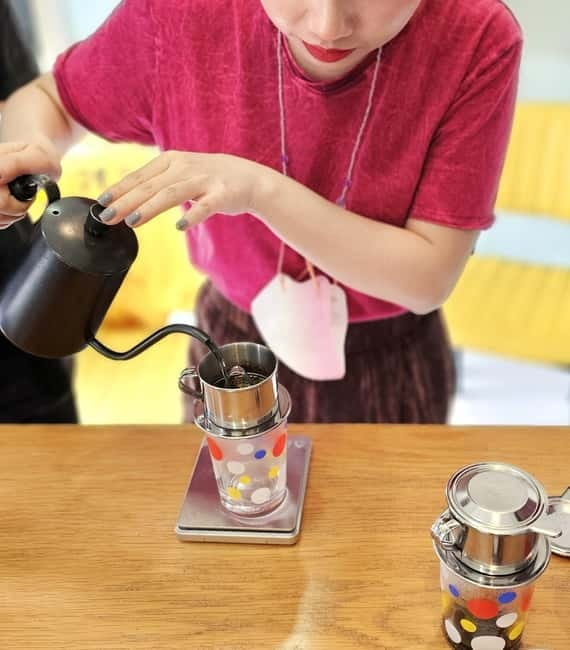
This tour is built around interaction. The host expects questions, and that’s not just a personality thing—it changes the workshop’s value.
From what I’ve seen, the host answers coffee questions and broader curiosity too, including how coffee development connects with Vietnamese culture and characteristics. That’s why the experience can feel like a guided conversation rather than a scripted class.
If you like to ask why something tastes the way it does, you’ll do well here. If you keep quiet and just want a passive taste, you can still enjoy it—but you’ll likely miss a chunk of what makes it special.
Is It Worth $30 for 2.5 Hours and Six Drinks?
At $30 per person for 150 minutes, the value comes from the combination:
- 6 coffee drinks you make and taste
- snack pairing included
- explanations that connect flavor to method
- practical tips and brewing guidance
- a small group size (max 6), which keeps feedback personal
A basic coffee tasting often gives you a limited sample count. A bigger “coffee class” can cost more but sometimes stays too theoretical. This sits in a useful middle ground: structured enough to teach you, hands-on enough to help you remember, and short enough to fit into a normal afternoon.
If you’re a first-time coffee learner in Vietnam, you’re basically buying a shortcut to understanding what Vietnamese coffee is and why it tastes the way it does.
Where This Workshop Fits Best in Your Vietnam Plan
I’d book this if you:
- want a strong first introduction to Vietnamese coffee
- enjoy hands-on food and drink experiences
- like learning through tasting and comparison, not just listening
- are curious about Robusta and how Vietnam’s coffee identity developed
- want a city-center activity that doesn’t swallow your whole day
I’d think twice if you:
- want a kid-focused activity (it’s listed as not suitable for children under 16)
- dislike structured tastings where you’ll be making multiple drinks and staying engaged for the full session
Accessibility Note You Should Confirm
The info for this experience includes wheelchair accessibility, but it also states it’s not suitable for wheelchair users. Because that’s a contradiction, I strongly suggest you contact the operator before booking so you can get a clear answer about the space and setup.
Should You Book This Vietnamese Coffee Journey?
If you want one solid experience that teaches you what Vietnamese coffee is, how it’s made, and why it tastes the way it does, this is an easy yes. The six-drink format, the focus on both traditional and modern styles, and the hands-on making are the kind of combo that turns curiosity into real understanding.
Book it if you’re willing to ask questions and taste actively. Skip it if you only want a quick coffee stop with zero learning and you don’t plan to stay for the whole 2.5 hours.
In other words: if coffee is a meaningful part of your trip, this workshop is a practical use of your time.
FAQ
How long is the coffee experience?
It lasts 150 minutes (about 2.5 hours).
How many coffee drinks will I make and taste?
You’ll get to make and taste 6 different coffee drinks.
Where does the experience start and end?
It starts at 40E Ngô Đức Kế and you return to 40E Ngô Đức Kế at the end.
What snack is included?
A snack is included and you can choose local Bánh mì (including vegetarian or halal options), croissant, or fresh fruits.
What languages is the tour guide available in?
The live guide speaks English and Vietnamese.
Is this suitable for children?
No. It’s listed as not suitable for children under 16 years.
Is it wheelchair accessible?
It is marked wheelchair accessible, but it is also listed as not suitable for wheelchair users. You should contact the operator to confirm what that means in practice for your situation.
Can I get a refund if my plans change?
Yes. Free cancellation is available up to 24 hours in advance for a full refund.