REVIEW · HO CHI MINH CITY
Cu Chi Tunnels tour In The Morning by DGT
Book on Viator →Operated by A Travel Mate And Trading Company Limited · Bookable on Viator
Cu Chi Tunnels gets real fast when the air turns damp. This morning tour from Ho Chi Minh City takes you into Vietnam’s underground wartime network, with stops that explain how Viet Cong fighters lived, planned, and fought beneath the ground. Expect a mix of history, hands-on tunnel time, and a fairly tight schedule that works best when you’re ready for heat and crowds.
I like two things most. First, the tour includes hotel pickup/drop-off in Districts 1 and 3, so you spend less time figuring out transport. Second, you get a proper guided visit plus included Ben Dinh Tunnels entry, along with a drink and a simple food stop (tapioca and tea).
One drawback to plan around: the site is hot and humid, and parts of the day can feel a bit rushed depending on the pace set by your guide and the group. Also, English quality can be excellent with some guides, but a strong accent or unclear phrasing can make details harder to catch for some people.
In This Review
- Key highlights and practical takeaways
- Cu Chi Tunnels in the morning: why the 8:00 start matters
- Pickup in Districts 1 and 3, plus the small-group vibe (max 12)
- The first stretch: a quick Sai Gon intro before Cu Chi
- Ben Dinh Tunnels stop: documentary, command center, and smoke-less stoves
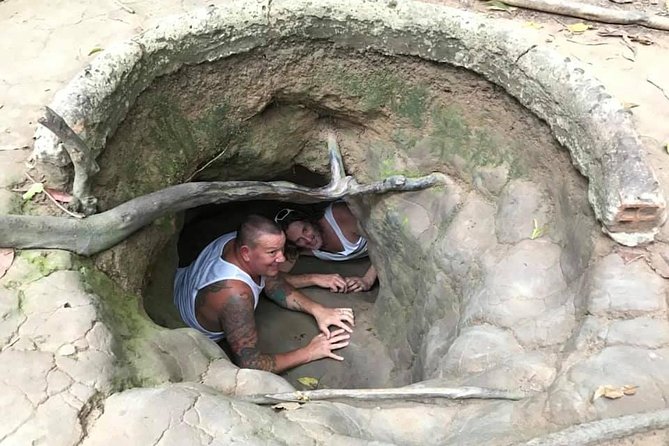
- Entering the tunnels: tight spaces, booby traps, and the 2-foot reality
- Drinks and tapioca: a small included break that can shape the whole morning
- Guide quality is the wildcard: how to get the best from your English-speaking host
- Timing and bus comfort: what to expect on the ride to and from Cu Chi
- Value check: is $31 a smart buy?
- Who this Cu Chi tour suits best
- Should you book this DGT morning Cu Chi Tunnels tour?
- FAQ
- What time does the Cu Chi Tunnels tour start?
- How long is the tour?
- Does the tour include hotel pickup and drop-off?
- Is lunch included?
- Is the entrance fee included?
- What’s included for food and drinks?
- How big is the group?
- What happens if the weather isn’t good?
- Is there free cancellation?
Key highlights and practical takeaways
- Small group size (max 12): easier movement and more chance to hear your guide.
- Ben Dinh Tunnels included: documentary, command center, and bunkers as context before the crawl.
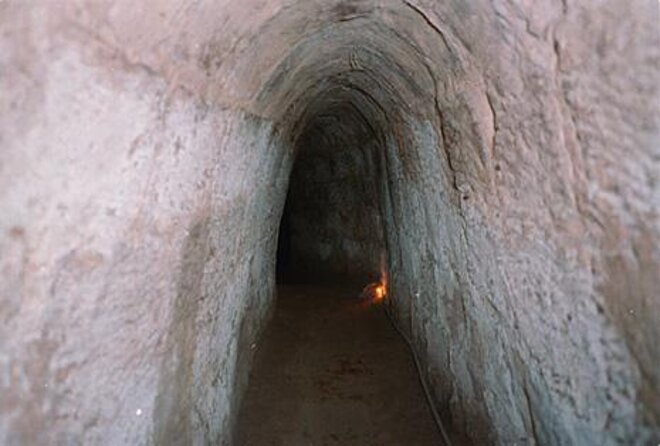
- Tunnel crawl is genuinely tight: expect crawling through narrow openings and confined spaces.
- Cold-ish breaks are built in: Vietnamese coffee/fresh coconut/juice/smoothie/beer/soft drink plus tapioca and tea.
- Plan for humidity: the jungle area gets sweaty fast, even in the morning.
Cu Chi Tunnels in the morning: why the 8:00 start matters
Starting at 8:00 am is a smart choice for one simple reason: the tunnels complex is outdoors first, and the ground-level walkways can get hot. Even with an early departure, you’re still stepping into a humid environment where your clothes will feel damp. If you’re sensitive to heat, you’ll be grateful you’re not doing this mid-afternoon.
The “morning advantage” also shows up in pacing. You’re more likely to do the documentary and Ben Dinh stops with energy, and you’re less likely to feel wiped out before you reach the main tunnel areas. That matters because the most memorable moment is the tunnel section, where you’re crawling and ducking your way through spaces that feel built for survival, not comfort.
You can also read our reviews of more tours and experiences in Ho Chi Minh City


Pickup in Districts 1 and 3, plus the small-group vibe (max 12)
This tour is designed for convenience. You get free hotel pickup and drop-off in District 1 and District 3, and you’re traveling with an English-speaking guide. That removes a lot of stress from Cu Chi day trips, especially if you’re staying somewhere central and don’t want to negotiate a ride for a half-day excursion.
The group size cap of 12 travelers is another big deal. Even when the tunnels area is busy, a smaller group usually means smoother movement through entry points and fewer bottlenecks during the most physical parts. You also tend to get a better experience from your guide because there’s more space to ask questions and to hear the explanations while you’re not trying to shout over a crowd.
One more practical note: the tour involves road time between Ho Chi Minh City and the Cu Chi area. A few people have mentioned motion sickness when riding in vans or buses with less-than-perfect road conditions. If you get carsick, bring your usual remedy and sit where you feel least affected.
The first stretch: a quick Sai Gon intro before Cu Chi
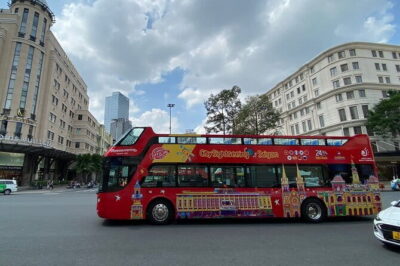
Your morning begins with a short Sai Gon city tour by Deluxe Group Tours, listed as about 10 minutes from the start point in Ho Chi Minh City center. That’s not a full city tour. Think of it as a quick orientation and a way to get everyone lined up before you head out.
In the real world, this kind of short stop is helpful because it gives the guide time to set expectations. You’ll hear what’s coming next, and you can decide how you want to pace yourself for the humidity and the physical crawl later. If you’re the type who likes to mentally prep before a “tight space” activity, this is your moment.
Ben Dinh Tunnels stop: documentary, command center, and smoke-less stoves
The tour’s second stop is Ben Dinh Tunnels, and it’s built like a context-first warm-up. You start with a documentary film before the journey begins, then you move through a command center and several underground fighting-related areas.
What I like about this structure is that it prevents the tunnel crawl from feeling like a random stunt. You see the decision-making space and the underground approach before you’re asked to go into the cramped tunnels yourself. That order helps you connect what you’re seeing to how guerrilla warfare worked.
You’ll also get a food and drink moment that’s included. Expect local staples like steamed tapioca and hot tea. You may also see the Hoang Cam smoke-less stove, which is a small detail that actually carries big meaning: wartime survival wasn’t just about hiding in tunnels; it was about cooking and living while reducing traces that could lead to discovery.
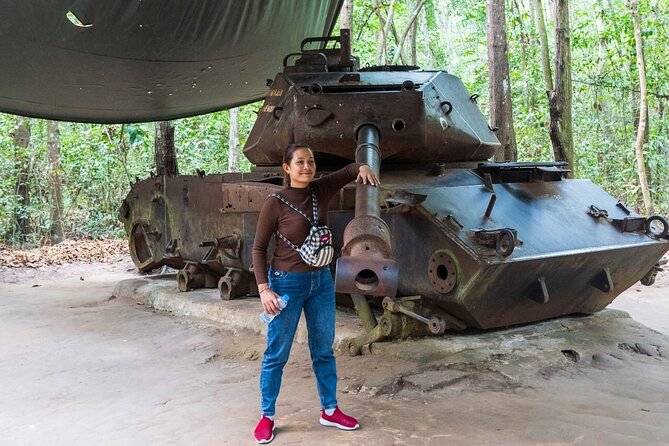
Then come the fighting bunkers and demonstrations around dangerous booby traps. These sections help explain how the Viet Cong used terrain, concealment, and practical engineering to compensate for being outmatched in conventional warfare.
A quick caution: if you’re sensitive to political framing, the site is presented from the Vietnamese wartime perspective. Some visitors find the storytelling very instructive; others feel it leans political. If you go in knowing this is one side of the story, you’ll get more out of it.
Entering the tunnels: tight spaces, booby traps, and the 2-foot reality
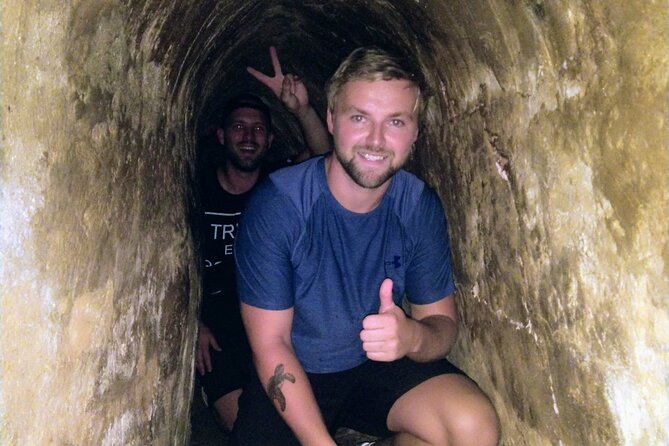
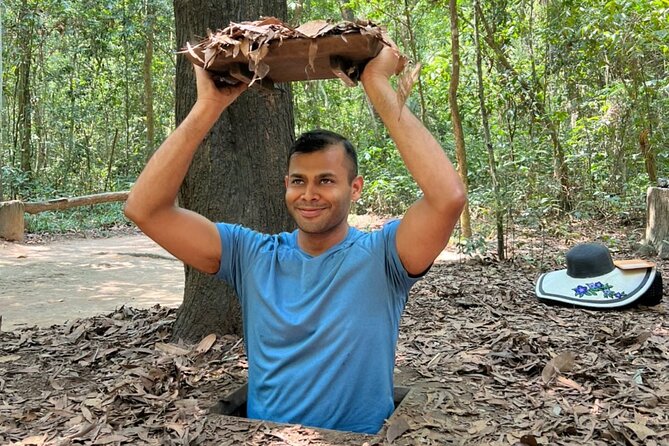
When you finally reach the tunnel complex, the experience shifts from “watch and learn” to “move and feel.” The main tunnel part is the highlight for many people because it’s physical. You’re not just standing behind a rope.
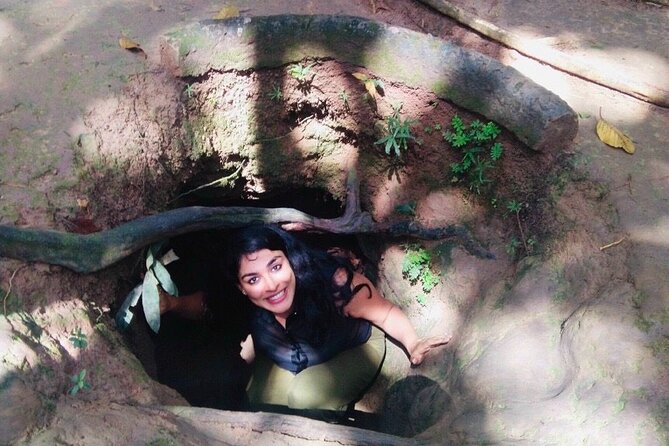
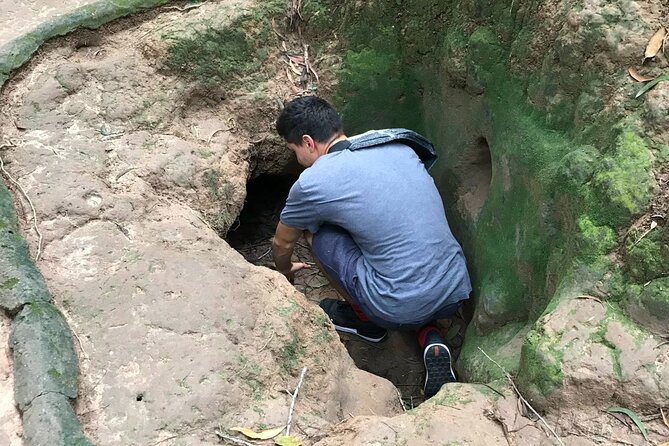
One of the most memorable descriptions from the experience is how narrow the entry can be—people have specifically noted openings around 2 feet across. That instantly communicates why these tunnels weren’t built for convenience. They were built to restrict movement, hide people, and protect fighters even when the surface was dangerous.
You’ll be shown features and you’ll see how the underground network supported daily life, not only attacks. The tour overview notes that the Cu Chi tunnels served as a base with living quarters, meeting rooms, kitchens, and supplies, stretching far enough to support operations across the border region. You also learn about the poor conditions underground, which is essential context if you want to understand how survival and hardship shaped strategy.
Another practical detail: most of your tunnel time is guided, and you move with support so nobody wanders off. Still, the spaces are confined. If you’re claustrophobic, this is where you’ll need to think carefully. There’s a difference between seeing tunnels and actually crawling through them.
Drinks and tapioca: a small included break that can shape the whole morning
This tour includes a drink choice (from options like Vietnamese coffee, fresh coconut, juice, smoothie, beer, or soft drink) plus tapioca and tea. That’s great value on paper because it means you’re not hunting for snacks during a half-day.
But here’s the practical reality: the schedule can feel tight, especially at busy times. If you want to taste everything slowly, you might feel rushed. One person even described the tapioca explanation as very quick, paired with time spent on the mini bus.
So my advice is simple: treat that included food stop as a reset, not a feast. Drink your water, grab your snack, and then get your head ready for the tunnels section. If you have dietary needs, the provided data doesn’t list special meals, so consider bringing a small backup snack for peace of mind.
Also, if you’re hoping for constant water service, note that details like when water arrives can vary by execution. I’d pack a little extra water just in case, since the humidity is real.
Guide quality is the wildcard: how to get the best from your English-speaking host
A lot of what makes this tour enjoyable comes down to your guide. Many people have praised specific guides—names like Toan, Sonny, Foo, Lyn, Vu, Thanh, TyphoonHoney, Henry, Timmy, Thuong, Japan, and Thang Merwin show up in descriptions of fun, clear explanations, and good humor mixed with serious content.
The consistent thread: a strong guide makes the tunnels feel like a story with cause-and-effect, not just a checklist of underground rooms.
That said, English clarity can vary. Some visitors have mentioned strong accents or that they struggled to understand the guide at key moments. You can protect yourself a bit by going with an attitude of “listen for the big ideas,” not every sentence. If you’re picky about accuracy, ask a question early—when the guide can focus on you rather than the whole group.
Small-group tours are ideal for this. You’re close enough to hear your guide when they slow down. If you’re with a guide who keeps a steady pace, the whole experience feels more coherent.
Timing and bus comfort: what to expect on the ride to and from Cu Chi
The tour is about 5 hours (approx.), with multiple segments: a quick city stop, the Ben Dinh Tunnels visit, and then additional time around the Ho Chi Minh City return portion (the itinerary notes a travel time of about 90 minutes from Ho Chi Minh City to Cu Chi when traffic is smooth, plus about 1.5 hours listed with admission-free time).
The big takeaway is that this isn’t a relaxed all-day wander. It’s a focused morning program where transportation time is part of the experience, and the site itself needs your attention.
Comfort also varies. Some people have described the bus/van as smooth and comfortable. Others have mentioned rough driving leading to nausea. If that worries you, plan like you would for any road trip: sit where you feel best, bring motion sickness meds if needed, and keep your posture comfortable during longer stretches.
Value check: is $31 a smart buy?
At $31, this tour looks like strong value compared to what you usually pay for Cu Chi access when you add up transportation, entrance fees, and guide time. The included basics are meaningful:
- Cu Chi tunnels entrance fee is included
- English-speaking guide
- Hotel pickup and drop-off in District 1 and 3
- Drink + tapioca and tea
- Admission for Ben Dinh Tunnels is included
What’s not included is also clear: lunch and personal expenses, plus tips. Since lunch isn’t covered, you’ll want a plan for food either before pickup or after you return.
My value rule: if you want a guided visit that includes entry fees and pickup, $31 is a good deal. If you prefer flexible pacing, private access, or you hate heat and tight crawls, you might feel boxed into this format. In that case, you can still do Cu Chi, just consider whether a more flexible option fits your style better.
Who this Cu Chi tour suits best
This tour is a great match if you want:
- A guided, structured morning with minimal logistics
- Hands-on tunnel time with explanations before you go in
- A smaller group (max 12) to reduce chaos
- A quick food-and-drink stop that keeps you going
It’s also a solid option for families, with some people taking kids such as an 11-year-old and even mentioning enjoyment for younger children (though the tunnel crawl itself is still physically tight). If you’re traveling with kids, go with realistic expectations: they’ll likely enjoy the novelty and the “we’re really underground” feeling, but the crawling section is where comfort levels matter most.
Who might think twice: if you’re claustrophobic, severely heat-sensitive, or you know you’ll struggle in confined spaces. Also consider whether the political tone of the Vietnamese perspective will feel comfortable for you.
Should you book this DGT morning Cu Chi Tunnels tour?
I’d book it if you’re staying in District 1 or 3 and you want a no-fuss half-day that includes pickup, guide, entrance fees, and the tunnel experience. At around $31 with drinks and tapioca included, it’s a practical way to get the core Cu Chi highlights without piecing everything together.
Skip or rethink if you strongly dislike rushed schedules, you’re prone to motion sickness, or you need highly reliable English narration at every step. In those cases, you can still enjoy Cu Chi, but you may want a format that gives you more breathing room.
If you go, show up ready for heat, bring closed-toe shoes, and mentally prep for narrow crawling spaces. Do that, and the morning will feel like more than a tour stop—it becomes a real understanding of how people lived and fought under extreme conditions.
FAQ
What time does the Cu Chi Tunnels tour start?
The start time is 8:00 am. The meeting point is 210 Lê Thánh Tôn, Phường Bến Thành, Quận 1, Thành phố Hồ Chí Minh, Vietnam.
How long is the tour?
The duration is about 5 hours.
Does the tour include hotel pickup and drop-off?
Yes. Free hotel pickup and drop-off are included for hotels in District 1 and District 3.
Is lunch included?
No. Lunch is not included.
Is the entrance fee included?
Yes. The tour includes the Cu Chi tunnels entrance fee (and Ben Dinh Tunnels admission is listed as included).
What’s included for food and drinks?
The tour includes a drink (options listed include Vietnamese coffee, fresh coconut, juice, smoothie, beer, or soft drink) plus tapioca and tea.
How big is the group?
This activity has a maximum of 12 travelers.
What happens if the weather isn’t good?
The tour requires good weather. If it’s canceled due to poor weather, you’ll be offered a different date or a full refund.
Is there free cancellation?
Yes. Free cancellation is available up to 24 hours in advance for a full refund.