REVIEW · HO CHI MINH CITY
Saigon: Half-Day Private City Tour By Car
Book on GetYourGuide →Operated by Saigon Adventure Travel · Bookable on GetYourGuide
Saigon history in four hours can still hit hard. I love the air-conditioned private car comfort, and I also love how the route connects French colonial beauty with the blunt story of the Vietnam War at the War Remnants Museum. The only catch: the schedule is tight, and that museum is emotionally heavy, so pace yourself.
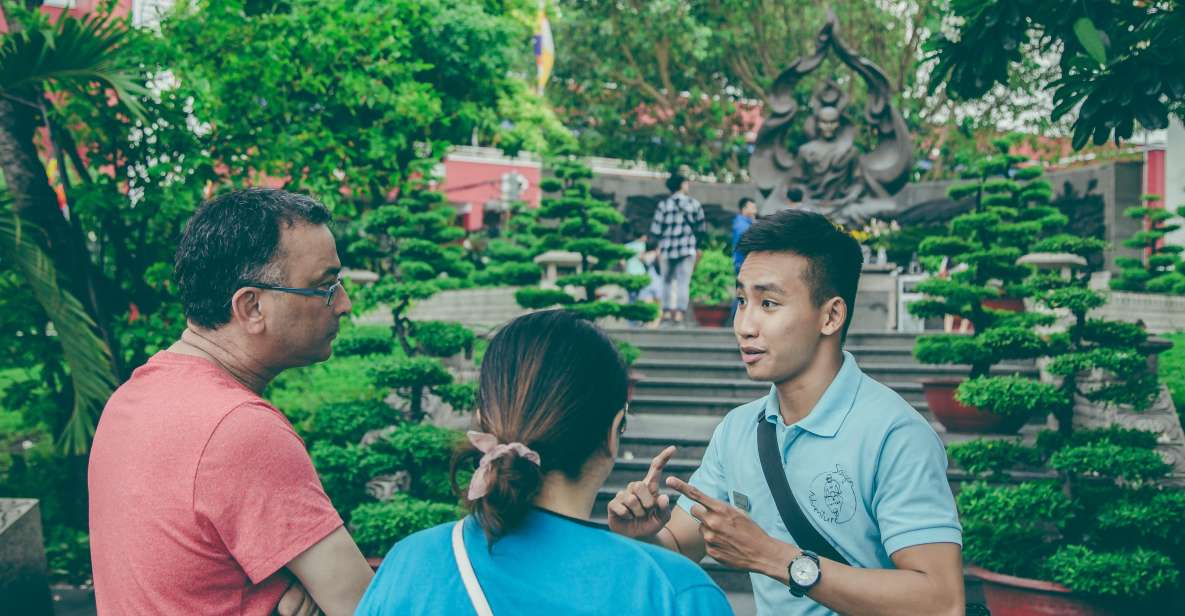
The tour is built for getting your bearings fast—hotel pickup and drop-off (District 1 and District 3, with a few exclusions), an English-speaking guide, entrance fees included, and a skip-the-ticket-line approach. You’ll hear stories from guides like Tony, Nhi, Jun, and Harry, and the best part is they translate the city into what it meant then—and what it means now.
In This Review
- Key Highlights That Make This Half-Day Work
- Four Hours, One Big Story: How Saigon’s Past and Present Fit Together
- AC Comfort and Smart Stops: The Value of a Private Car Tour
- Notre-Dame Basilica and the Cathedral Notre-Dame: French-Era Saigon in Plain Sight
- Saigon Central Post Office: Gothic and Renaissance Details You’d Miss Without a Guide
- City Hall and the Opera House Area: Civic Pride Meets Colonial Planning
- War Remnants Museum and Reunification Palace: The Stops That Make Saigon Real
- War Remnants Museum
- Reunification Palace
- Jade Emperor Pagoda: A Different Rhythm in the Middle of the Story
- Ben Thanh Market and Nguyen Hue Walking Street: Souvenirs, Snacks, and Street Energy
- Ben Thanh Market
- Nguyen Hue Walking Street
- What the “Skip the Ticket Line” + Included Fees Really Means
- Timing and Pace: How to Get the Most Out of 4 Hours
- Price and Value: Why $35 Can Make Sense Here
- Who This Tour Fits Best
- Should You Book This Half-Day Private Saigon City Tour?
- FAQ
- FAQ
- How long is the Saigon half-day city tour?
- What major places does this tour include?
- Is lunch included in the price?
- Do I get hotel pickup and drop-off?
- What transportation will I use during the tour?
- Is the tour guide English-speaking?
- Is this tour private or shared?
- Are entrance fees covered?
- Does the tour help me avoid ticket lines?
- Is free cancellation available?
Key Highlights That Make This Half-Day Work
- French architecture in a short, car-friendly loop: see the Cathedral Notre-Dame and the Central Post Office without turning the day into an endurance test
- War history with local framing: Reunification Palace and the War Remnants Museum help you connect places to timeline and impact
- Iconic landmarks packed into 4 hours: you can hit Saigon Central Post Office, Opera House area, City Hall, and Nguyen Hue Walking Street
- Jade Emperor Pagoda + Ben Thanh Market: spiritual calm and street-life energy in one route
- Flexible pacing: if someone in your group needs a slower walk or a shorter stop, the plan can often adjust
Four Hours, One Big Story: How Saigon’s Past and Present Fit Together
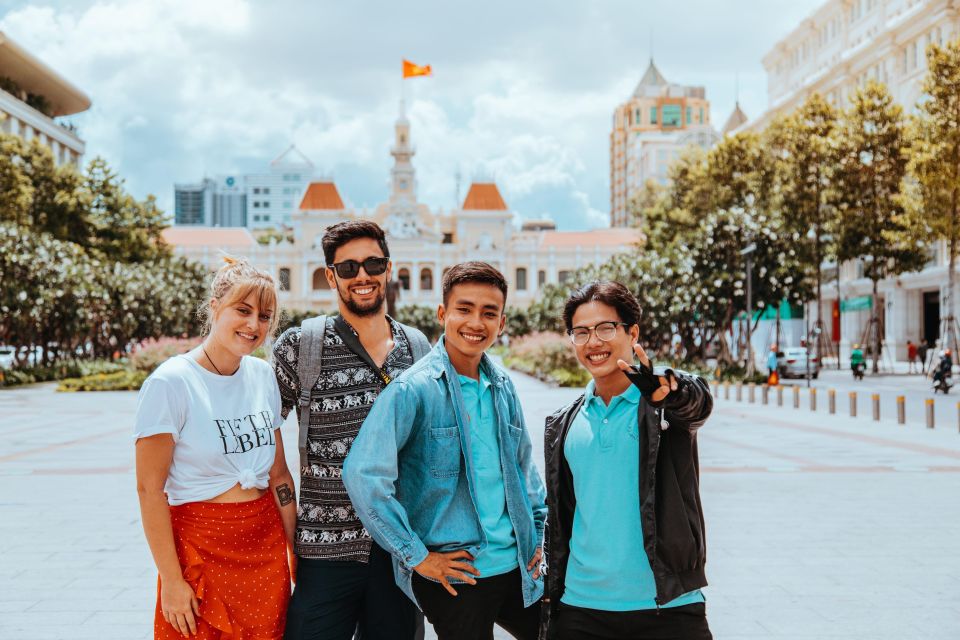
This is the kind of tour that doesn’t try to “see everything.” It tries to make sense of Saigon.
You start with the city’s French-era look—cathedral facades, colonial-style design, and big civic buildings that scream 19th-century ambition. Then you swing toward the war era with two anchors: Reunification Palace and the War Remnants Museum. The order matters. Seeing the official buildings first makes the later history hit with more meaning, like you’re walking through changing power.
And because it’s only half a day, it’s realistic for short trips. If Saigon is a stop on a longer Vietnam route, this gives you a strong foundation without eating your entire day.
You can also read our reviews of more city tours in Ho Chi Minh City



AC Comfort and Smart Stops: The Value of a Private Car Tour
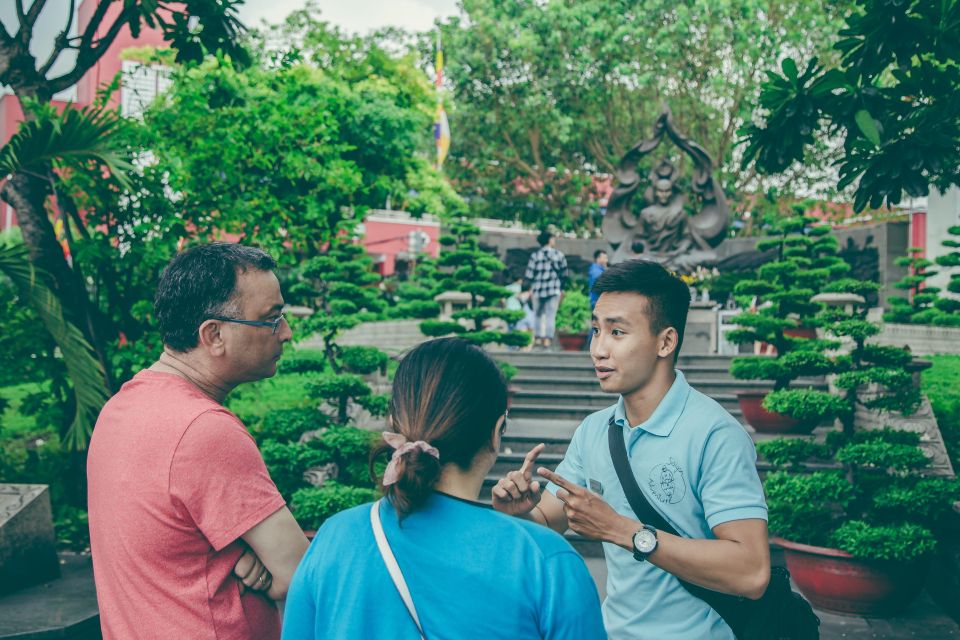
Let’s talk practical comfort. Saigon heat and traffic can drain you fast. This tour uses an air-conditioned car or minivan, and it keeps the moving parts simple: pickup, guided stops, car waiting time, and drop-off.
That matters more than you’d think. In past tours, guides have actively managed timing so the car is ready when you’re done at each spot—useful when you’re overheating or when you need extra time at a museum.
You’re also in a private group, which tends to mean:
- You can ask questions without losing the whole group’s schedule
- You can slow down when someone needs it
One real-world note: vehicle type can vary. In one case, a party used a 7-seater 4WD and older guests found the back-step a bit of a challenge. If you or your group has mobility concerns, ask which vehicle you’ll get and whether there’s an easier way to enter.
Notre-Dame Basilica and the Cathedral Notre-Dame: French-Era Saigon in Plain Sight
One of the most satisfying things about this tour is how the French architecture shows up repeatedly, not just as one photo stop.
Cathedral Notre-Dame (often called the Notre-Dame Cathedral of Saigon) was started by French colonists in the 1860s and completed between 1863 and 1880. It has that “church built to last” scale, and the tour framing helps you connect the structure to the colonial period—right down to the fact it was initially named l’Eglise de Saïgon.
A heads-up you should plan for: the cathedral can be under renovation. In at least one recent situation, the inside visit didn’t happen, but the guide still took the group around and explained the building from outside. If your heart is set on entering, ask ahead of time what access looks like on your day.
Even with that possibility, you’ll still get the core payoff: seeing how the city’s European look sits beside modern Saigon traffic and street life.
Saigon Central Post Office: Gothic and Renaissance Details You’d Miss Without a Guide
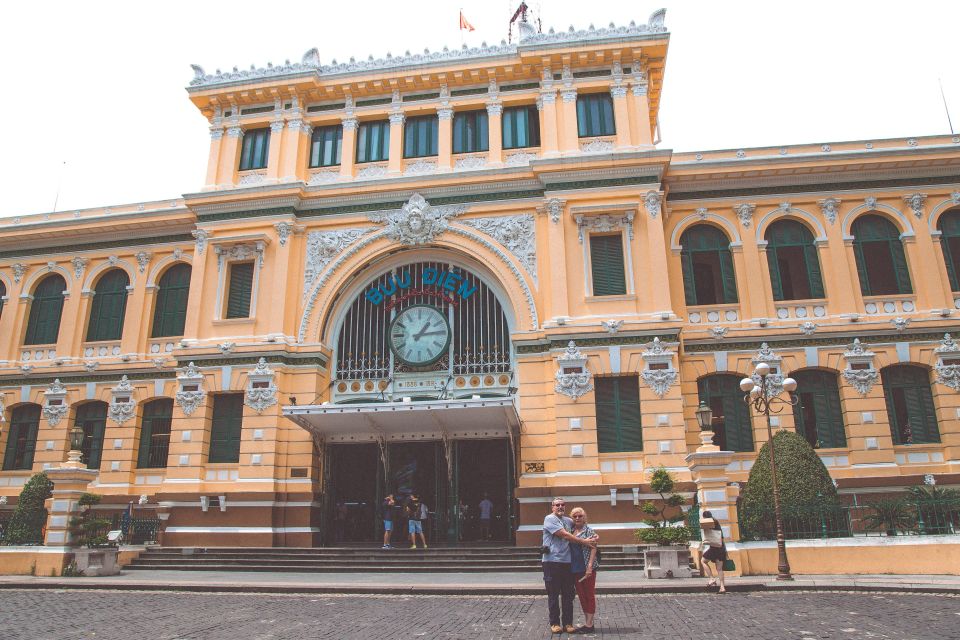
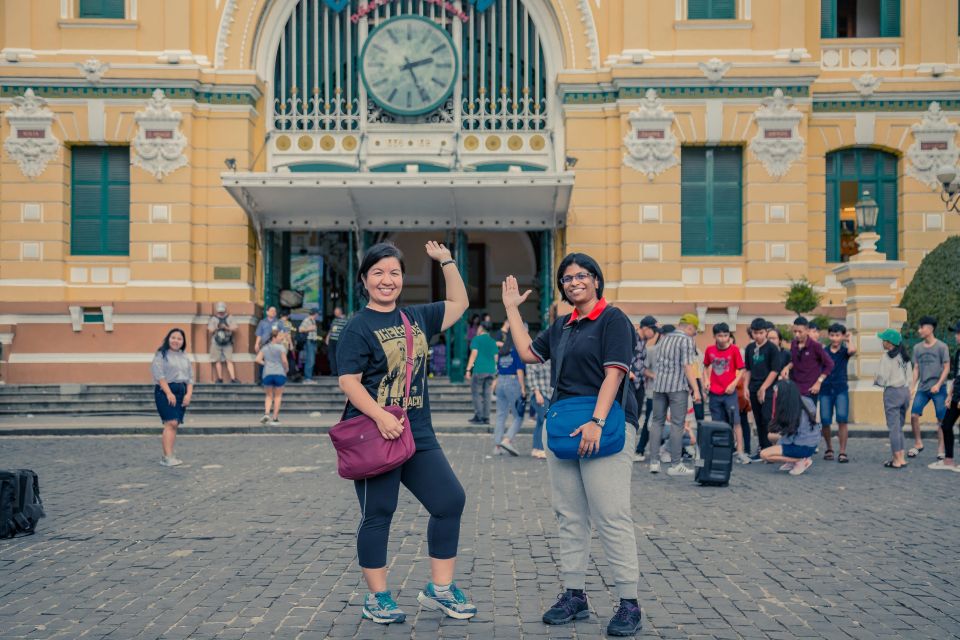
The Saigon Central Post Office is one of those buildings you think you already understand—until you notice the design.
This stop is all about the mix: Gothic, Renaissance, and French colonial elements. The best use of time here is to slow down just a bit and let your guide point out what you’re looking at and why it mattered.
The post office also plays a role in the broader story of Saigon’s power and communication. It’s not just a pretty building; it’s the kind of structure built to move information and authority across the city and beyond.
You’ll also appreciate that entrance fees are covered and the plan includes a skip-the-ticket-line approach, which helps keep your half-day on track.
City Hall and the Opera House Area: Civic Pride Meets Colonial Planning
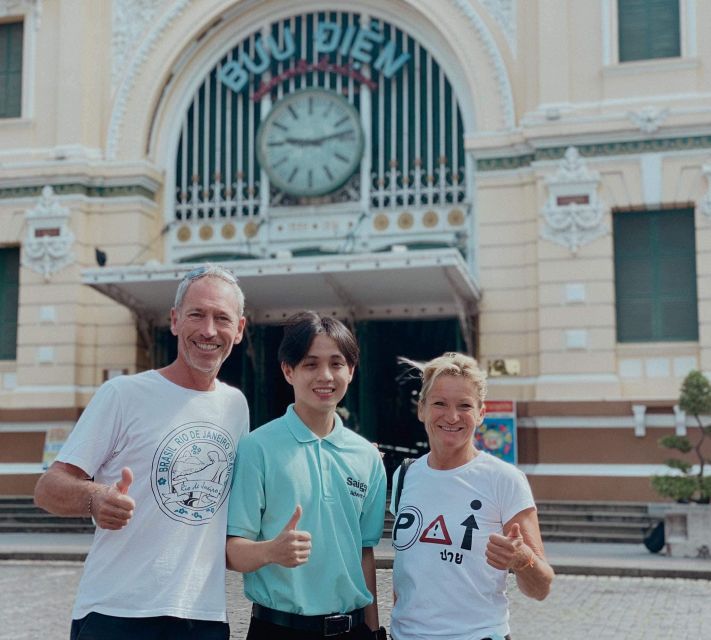
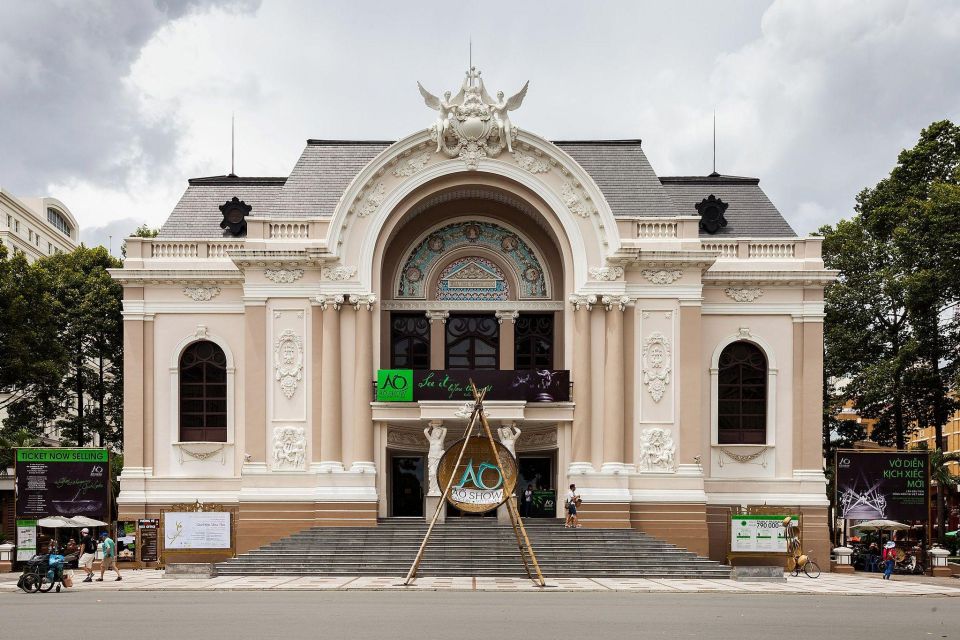
Next comes the civic core: City Hall and the Opera House area. These stops are short but meaningful because they show you how Saigon was laid out to project confidence—broad streets, monumental buildings, and a sense of order that contrasts with what you learn about the wars that followed.
In a half-day format, these landmarks are less about long stays and more about context. Your guide connects them to the city’s evolution, so when you look at the buildings, you’re not just seeing architecture—you’re seeing political intent.
If you enjoy city planning and how governments shape space, these stops will feel extra satisfying.
You can also read our reviews of more private tours in Ho Chi Minh City





War Remnants Museum and Reunification Palace: The Stops That Make Saigon Real
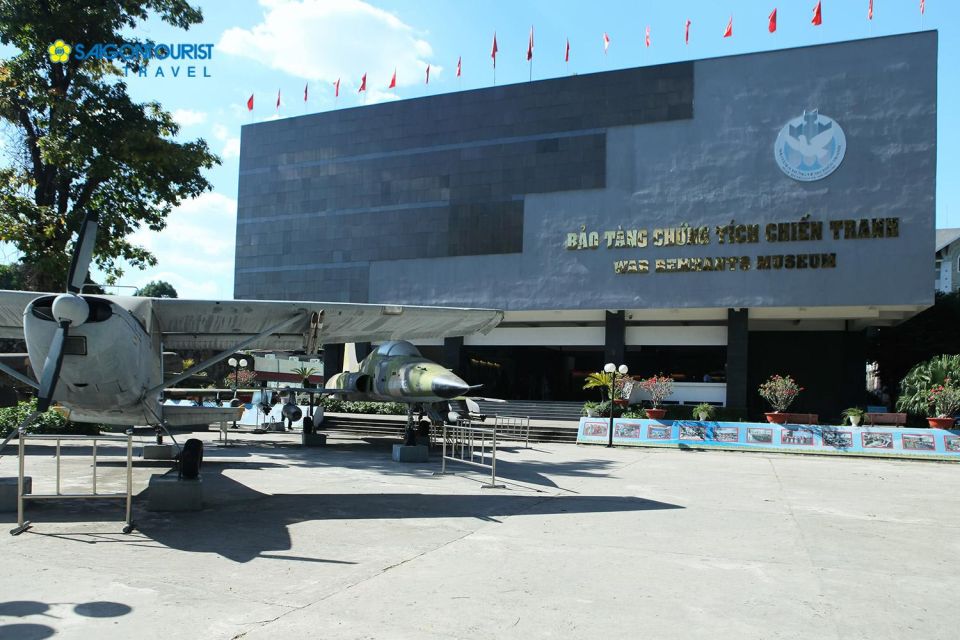
This is where the tour turns from sightseeing to history lesson.
War Remnants Museum
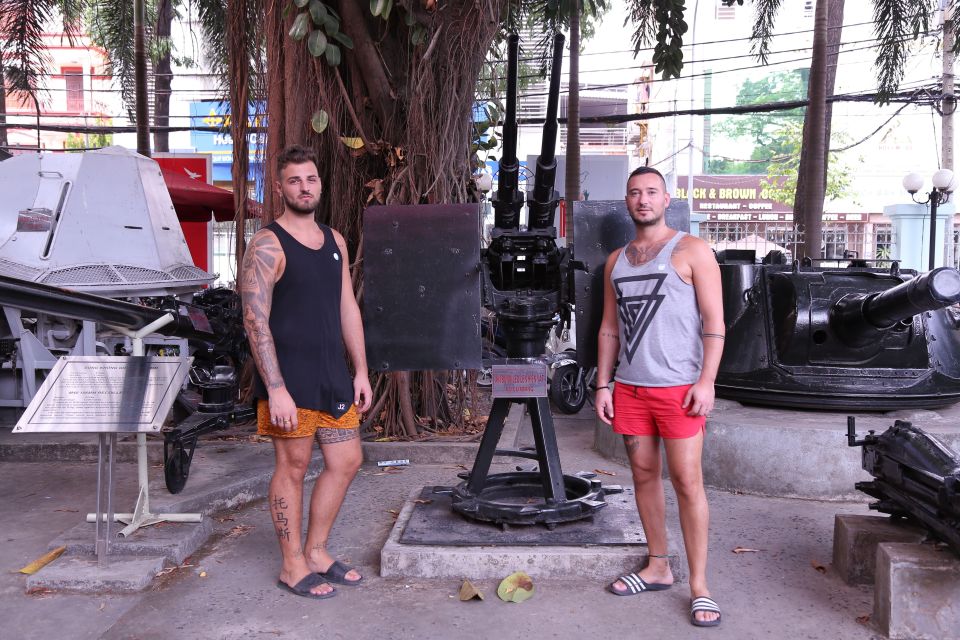
The War Remnants Museum is packed with artifacts, photographs, and images documenting the second Indochina war. It’s powerful, and it’s also the kind of place that can feel emotionally intense.
If you’re bringing kids, it can still be a great learning opportunity, but it may be heavy. I’d treat it like a “we’ll pause when needed” stop, not a “speed through it” assignment.
Also, don’t assume you’ll breeze through. One schedule snag can happen if you lose time inside—so if you have plans right after the tour, keep that buffer in mind.
Reunification Palace
Reunification Palace is the residence of the President of the Republic of Vietnam until April 30, 1975. The guide’s perspective here is key. Without context, it can read as just another museum interior. With context, it becomes a time capsule of decisions, rooms, and the feel of political life before and during dramatic change.
People often remember this stop because it feels less like a staged exhibit and more like stepping into history’s working spaces.
Jade Emperor Pagoda: A Different Rhythm in the Middle of the Story
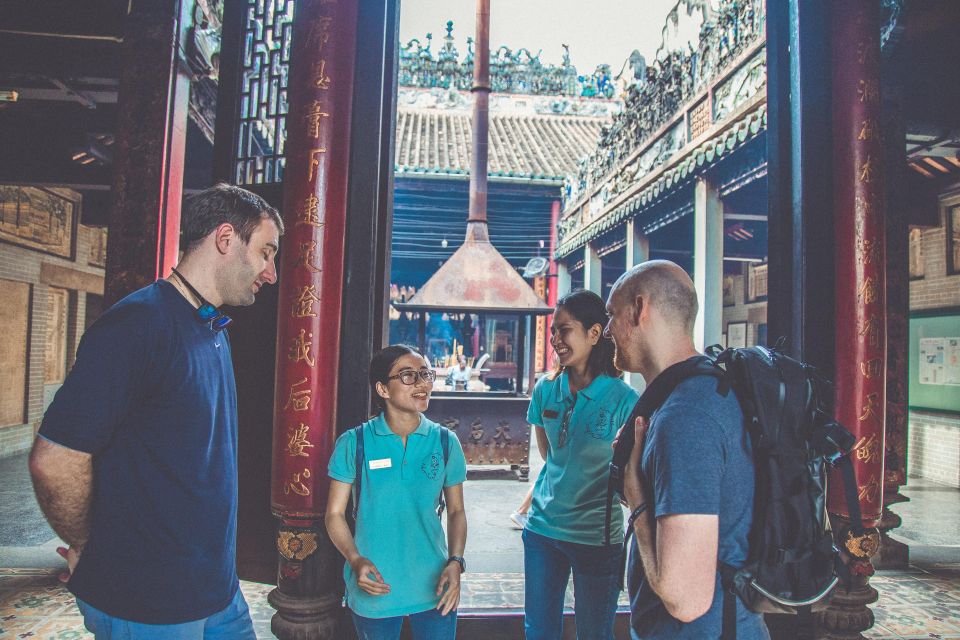
After the war-heavy stops, Jade Emperor Pagoda offers a shift in mood. This is the part of the tour that helps you see Saigon as more than conflict and architecture.
The tour includes this temple stop as a spiritual counterweight, so you’re not only absorbing the past—you’re also experiencing how faith and tradition still shape daily life in the city.
If you like temples for their atmosphere—incense, detail, and the calm that settles in once you’re inside—this stop is a strong mid-tour reset.
Ben Thanh Market and Nguyen Hue Walking Street: Souvenirs, Snacks, and Street Energy
Then you move to two very different flavors of “today.”
Ben Thanh Market
Ben Thanh Market is one of the oldest markets in Ho Chi Minh City, and it works well as an ending stop because it’s easy to navigate with a guide nearby. You can get a sense of local commerce quickly—snacks, everyday goods, and the kind of energy that makes Saigon feel alive.
This is also a good moment to ask your guide for practical tips: what to try, what feels touristy vs. local, and what’s worth buying if you only have a little time.
Nguyen Hue Walking Street
Nguyen Hue Walking Street is one of those central areas where Saigon shifts into modern city life. It’s a great contrast to the museum interiors earlier in the route—more movement, more people-watching, and a clearer sense of how the city occupies its present.
What the “Skip the Ticket Line” + Included Fees Really Means
This tour bundles a lot into the price: an English-speaking guide, air-conditioned vehicle, entrance fees, and even a bottle of water. It also uses a skip-the-ticket-line approach.
So what you gain isn’t just convenience. You gain time to spend on the parts that need your attention—explaining what you’re seeing, not waiting in lines.
The included entrance fees matter in a half-day itinerary, because ticket costs can add up fast across multiple major stops. Here, you can focus on the experience instead of doing math in your head at each entrance.
Timing and Pace: How to Get the Most Out of 4 Hours
Four hours sounds long until you try it in a city with heat, crowds, and museum timing. The good news: the tour is designed so you’re not stuck doing long transfers.
Still, keep two pacing realities in mind:
- Museums can expand your timeline, especially if you read displays carefully
- The day may move fast at the end, particularly if you lost minutes earlier
One scheduling example: one group started around 8:00am and finished by about 1:00pm. Your timing can vary, but it gives you a sense of the typical morning-heavy rhythm.
My advice: plan any afternoon commitments with a little breathing room. If you’re sensitive to intense history content, tell your guide early and ask where you’d like more pauses.
Price and Value: Why $35 Can Make Sense Here
At $35 per person for a private, guided, car-based half-day with entrance fees included, this is solid value—especially if you’d otherwise pay for multiple entry tickets and then try to coordinate transport on your own.
Here’s the value math that tends to matter:
- You’re covering multiple major landmarks in a short time
- You’re paying for guidance in English (not just self-guided entry)
- You’re paying for comfort and time saved with hotel pickup/drop-off in District 1 and District 3
- Entrance fees and water are already handled
Is it a luxury? No. But it’s a smart spend if you want structure, comfort, and context without turning Saigon into a solo logistics project.
Who This Tour Fits Best
This tour is a strong match if you:
- Have limited time in Ho Chi Minh City and want an overview that still feels meaningful
- Want a mix of French colonial architecture and war history without hopping between taxis all day
- Prefer private pacing over group herd energy
- Like getting historical context while seeing iconic sites
It’s also a good choice for families, but the War Remnants Museum may require extra care with younger kids. For elders, ask about vehicle entry if the vehicle is a higher-step 4WD style.
Should You Book This Half-Day Private Saigon City Tour?
If you want a fast, structured introduction to Saigon with both beauty and reality, I’d book it. The lineup hits the big names—Notre-Dame Basilica area, Central Post Office, Reunification Palace, War Remnants Museum, Jade Emperor Pagoda, and Ben Thanh Market—while the private car keeps you from burning hours in the heat.
The only reasons to hesitate are simple:
- You may not love heavy history content
- The cathedral may be under renovation on your date
If those are manageable for you, this is one of the best ways to spend a half-day in Saigon and actually understand what you’re looking at.
FAQ
FAQ
How long is the Saigon half-day city tour?
The tour runs for 4 hours.
What major places does this tour include?
It includes Saigon Notre-Dame Basilica/Cathedral, Saigon Central Post Office, City Hall, the Opera House area, War Remnants Museum, Jade Emperor Pagoda, Ben Thanh Market, Reunification Palace, and also areas like Nguyen Hue Walking Street.
Is lunch included in the price?
No. Lunch is not included.
Do I get hotel pickup and drop-off?
Yes, free hotel pickup and drop-off are included for District 1 and District 3, with some exclusions.
What transportation will I use during the tour?
You travel in an air-conditioned car or minivan.
Is the tour guide English-speaking?
Yes, the tour includes an English-speaking guide.
Is this tour private or shared?
It’s a private group.
Are entrance fees covered?
Yes, all entrance fees are included.
Does the tour help me avoid ticket lines?
Yes, it offers a skip-the-ticket-line approach.
Is free cancellation available?
Yes, free cancellation is available up to 24 hours in advance for a full refund.