REVIEW · HO CHI MINH CITY
From Ho Chi Minh: Cu Chi Tunnels And Mekong Delta Full Day
Book on GetYourGuide →Operated by Trip in Vietnam · Bookable on GetYourGuide
Cu Chi Tunnels and the Mekong Delta make an odd couple—in the best way. One side is underground survival and secret refuge; the other is slow boats, fruit gardens, and honey tea. I like that this day gives you culture with context, not just photos. You’ll also taste classic foods that show up in stories from wartime and in everyday southern life. One possible drawback: the tunnel portion can feel tight and hot, so it helps to go in with the right expectations.
The best part for me is how the Cu Chi stop turns history into something you can physically understand. You get a chance to crawl into a narrow tunnel, then watch short war documentaries and see the camouflage approach with leaves. On the Mekong side, I like the rhythm of the day: a cruise on the river, plus a slower rowing boat through shady canals, paired with folk music and hands-on food moments.
Before you book, consider one practical snag: language selection matters. A past issue I’ve seen is that changing language can affect your group arrangement and costs, and it may also complicate changes later. If you care about keeping your plan simple, double-check the language and group setup before you confirm.
In This Review
- Key highlights you’ll actually care about
- Saigon pickup to two very different Vietnams in one day
- Cu Chi Tunnels: crawling into the spider-web of survival
- Hoang Cam stove tapioca and the snack that ties to wartime life
- Optional gun shooting: real guns, real bullet cost
- Mekong Delta by boat and rowing: folk songs and backyard water life
- Coconut candy, fresh fruits, and honey tea in the real countryside pace
- “8 dishes” and the structure of the Mekong meal time
- The one detail to confirm: language can affect group setup
- Guide makes a difference: Thi and the human pace of the day
- Price and value: $49 for a full-day contrast
- Who should book this full-day Cu Chi and Mekong combo
- Should you book this tour
- FAQ
- FAQ
- How long is the Cu Chi Tunnels and Mekong Delta full-day tour?
- Where are pickup and drop-off locations?
- What’s included for meals?
- Is an English-speaking guide included?
- Do I have to pay extra for shooting at Cu Chi?
- Can I go inside the Cu Chi tunnels?
- What kinds of food experiences happen on the Mekong Delta portion?
- What languages are offered?
- What’s the cancellation policy?
Key highlights you’ll actually care about
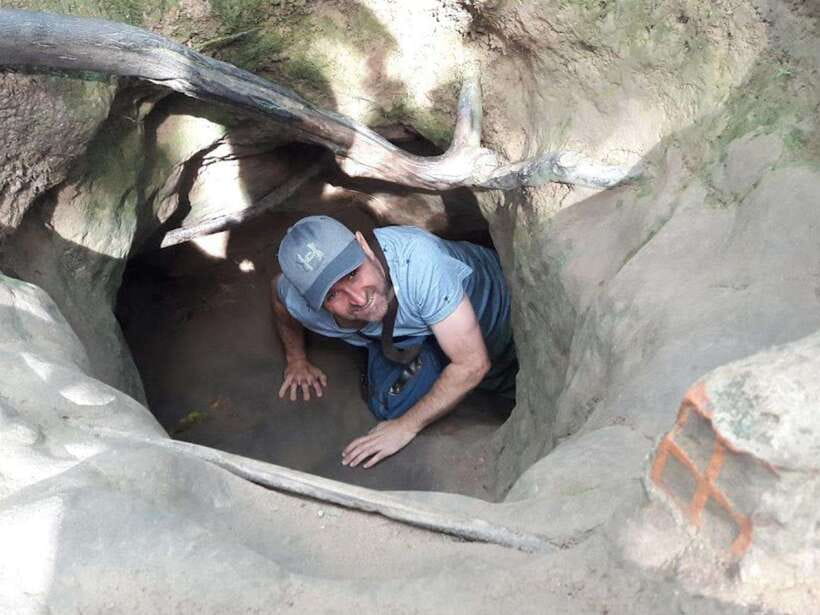
- Cu Chi tunnels, narrow enough to feel the constraints: you can crawl inside a tunnel built for survival and concealment
- War-era “how it worked” details: camouflage with leaves, short documentaries, and survival tactics you can connect to daily life
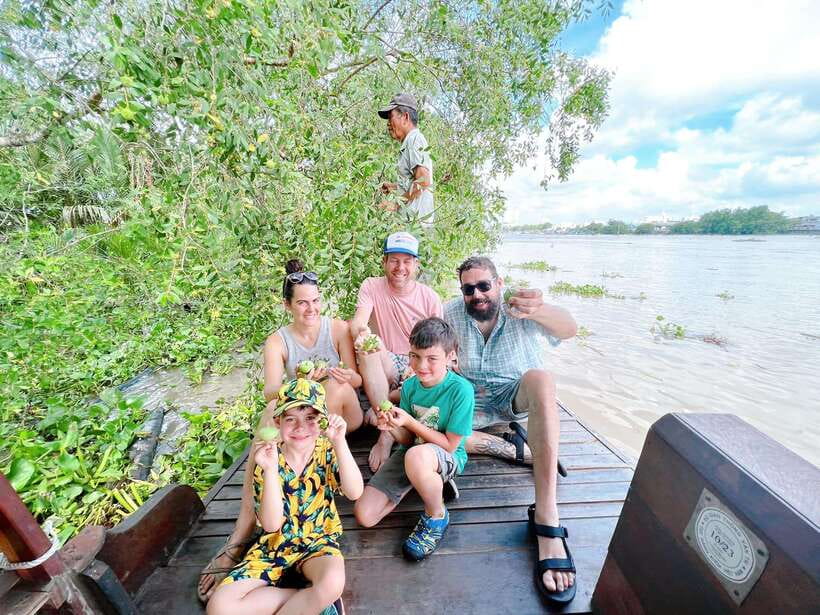
- Mekong Delta by boat plus rowing: river cruising with folk songs, then a quieter canal ride
- Food stops with local meaning: tapioca snack, honey tea, and coconut candy made at a production site
- Optional shooting at Cu Chi: the guns are real, but bullet packs cost extra
- A named guide can make the day: one guide, Thi, is singled out as especially great
Saigon pickup to two very different Vietnams in one day
This is a one-day, full-day outing that starts with pickup and ends with drop-off back at central Saigon. The plan is to get you moving quickly, because the day is really two experiences stitched together: Cu Chi Tunnels in the morning, then the Mekong Delta later when the pace shifts.
You’ll travel with an English-speaking tour guide (other languages are available, often with a surcharge). The day also includes entrance fees, bottled water, and a lunch stop. If you’re thinking this is a long sit-down kind of tour, it isn’t. It’s more like a guided “see and taste” loop: history first, countryside second.
The value here is in the contrast. Cu Chi answers the big question of how people lived and resisted under extreme conditions. Then the Mekong Delta puts you in a calmer, warmer setting where daily life revolves around water, gardens, and music. If you want Vietnam as a full slice—not just one mood—this hits the mark.
You can also read our reviews of more tours and experiences in Ho Chi Minh City
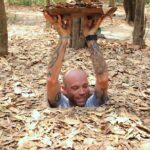
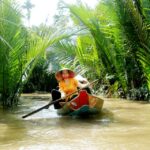
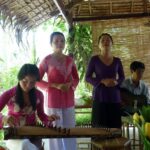
Cu Chi Tunnels: crawling into the spider-web of survival
Cu Chi Tunnels is the reason many people pick this tour. It’s famous for the underground “city” built as a complex network—spider-web-like in how many routes connect. The point isn’t just to stare at tunnels. The point is to understand what the tunnels meant in wartime: hideouts, secret refuge, and movement under cover.
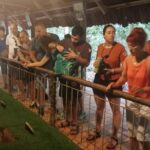
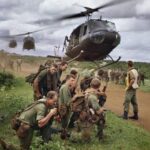
You’ll learn how Vietnamese guerrillas lived underground and how they managed camouflage. Leaves were used to help conceal positions and movements, and you’ll connect that idea to what you’re seeing above and below ground. You’ll also watch short documentaries and authentic war footage recorded by brave cameramen—useful because it frames what you’re about to experience in real-world context.
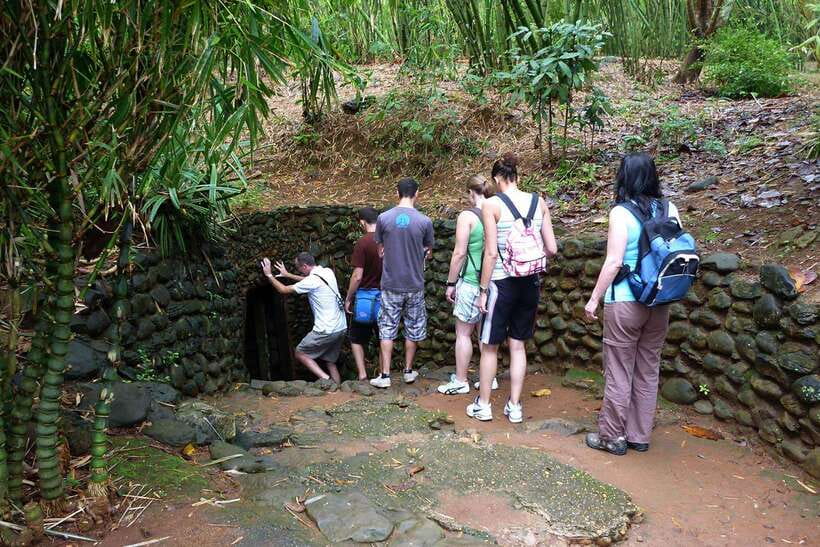
Then comes the part people tend to remember: going inside a narrow tunnel. It’s not a walk-through exhibit. It’s meant to feel tight, like you’re moving through something built for survival rather than sightseeing. If you’re claustrophobic, take that seriously. Wear clothes you can crouch or squeeze in, and expect you’ll be moving slowly.
Practical note: tunnels can be physically demanding. You don’t just negotiate the space; you also deal with heat and the reality of crawling. If you’re the type who likes history facts but hates discomfort, this is the one segment where you should decide your tolerance level before you go.
Hoang Cam stove tapioca and the snack that ties to wartime life
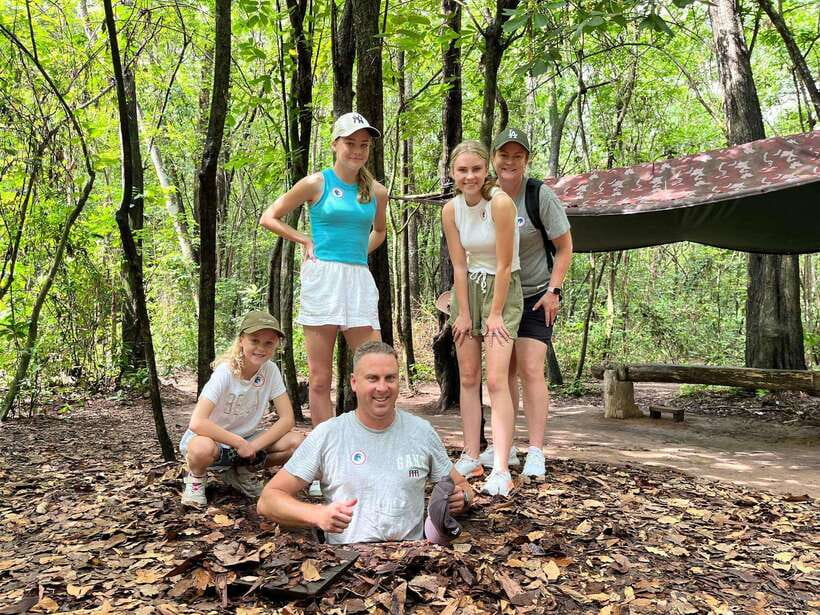
A smart detail in this tour is that food isn’t just an add-on. At Cu Chi, you get a light snack with tapioca and tea at a traditional setup: tapioca cooked by the Hoang Cam stove, a stove designed to hide smoke. That small feature matters because it links everyday cooking to wartime constraints—how to feed people without giving away your location.
Even if you’re not a “food tour” person, this snack gives you a concrete anchor. You can look around and think: someone had to eat down there, and someone had to cook in ways that didn’t attract attention. It’s a simple moment, but it gives the tunnel experience more weight.
If you’re sensitive to timing, note that this is a light snack, not a full meal. Your lunch comes later (included), so you may want to keep expectations realistic about the hunger level during the tunnel portion.
Optional gun shooting: real guns, real bullet cost
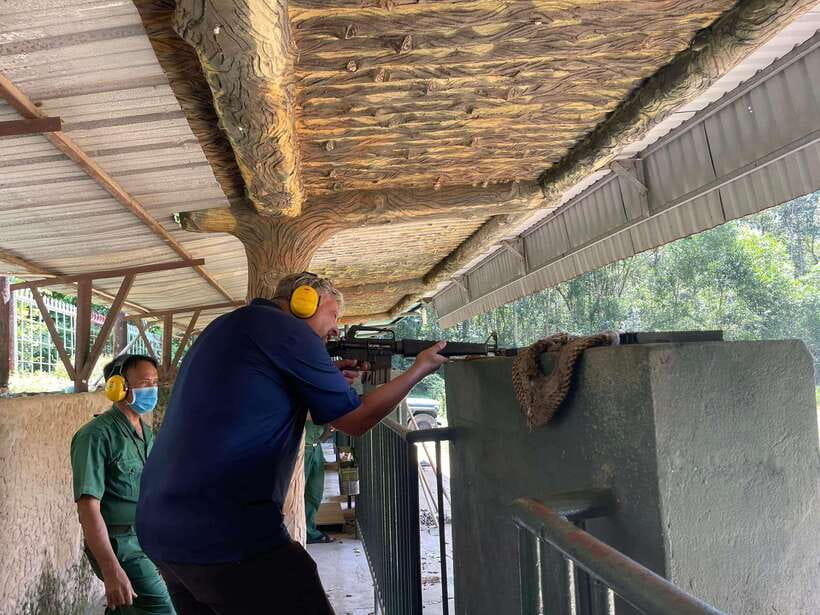
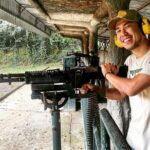
Cu Chi also offers shooting with real guns like AK-47 and M-60. This is one of those “only if you want it” activities. The guns themselves are part of the attraction, but the bullet fee is not included.
Budget-wise, the tour information lists an estimate of about 600,000 VND for a pack of 10 bullets. That means you should decide early whether you want to participate, not halfway through. If you’re on a strict budget, you can skip shooting and still get the value from the tunnels, documentaries, and the historical context.
Also, shooting is loud and intense. If you prefer calmer experiences, the Mekong portion later will feel like a relief. But if you want hands-on comparison between stories and reality, this is the only place in the day where that kind of participation is offered.
Mekong Delta by boat and rowing: folk songs and backyard water life
After Cu Chi, the Mekong Delta shifts the mood. You’ll spend time in a countryside setting that’s described as peaceful and friendly, and you’ll feel that in how the day moves. Here the focus is the river as daily partner: for fishing, watering, and farming.
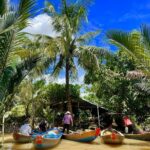
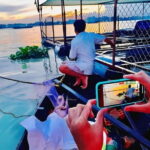
You’ll travel by boat on the Mekong River. On the water, you can listen to folk songs that include love for the homeland, mixed with the sound of waves. You’ll also see fisherman’s ports and watch how alluvial water flows. I like this part because it doesn’t pretend the delta is a theme park. It’s about how life is organized around water.
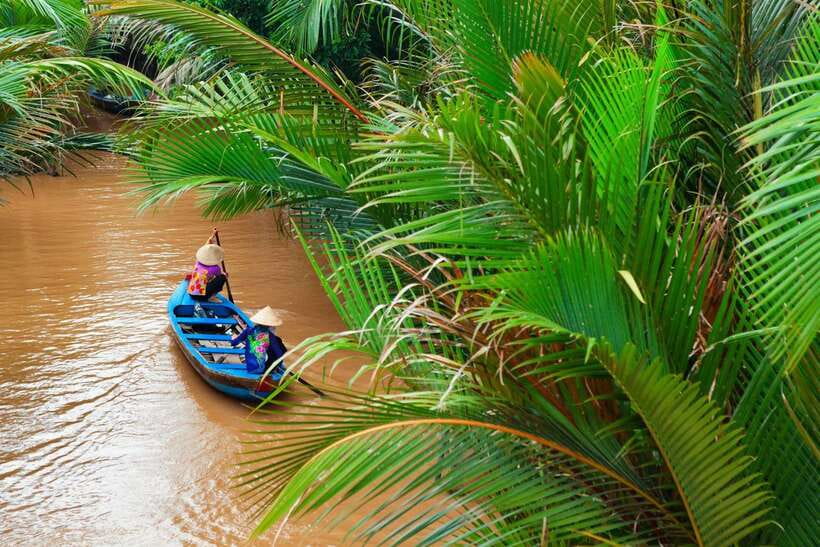
Then there’s the quieter ride: you’ll row through a maze of shady canals on a small rowing boat. This is where your photos usually improve, because the angle changes and the pace slows. It’s also a good moment to notice how narrow waterways connect villages and fruit gardens.
If you’re trying to decide between this tour and a Mekong-only day, here’s the catch: since you’ve already done Cu Chi, you might not want even more war-related stops. On the other hand, the full-day combo works well if you like variety and don’t want to spend multiple days planning separate tours.

Coconut candy, fresh fruits, and honey tea in the real countryside pace
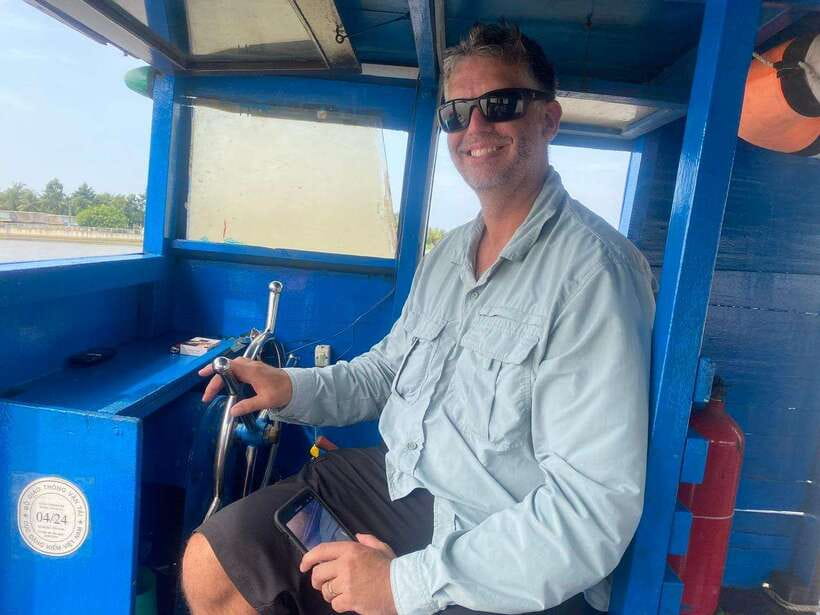
One of the most practical perks of this day is that you get multiple chances to taste what people actually make and drink. In the Mekong portion, you’ll see how Vietnamese people make coconut candy right at the production site, and you’ll have an opportunity to taste different types.
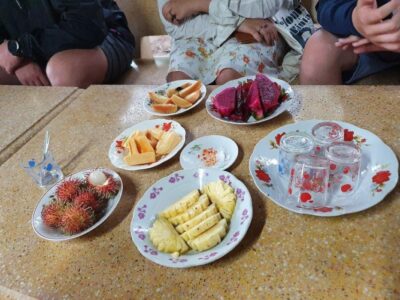
You’ll also be offered fresh seasonal fruits picked from gardens. That matters because fruit in the Mekong isn’t just a snack for tourists; it’s part of how the area feeds itself. It’s a straightforward tasting moment, but it gives you a better sense of what “countryside Vietnam” means beyond the word.
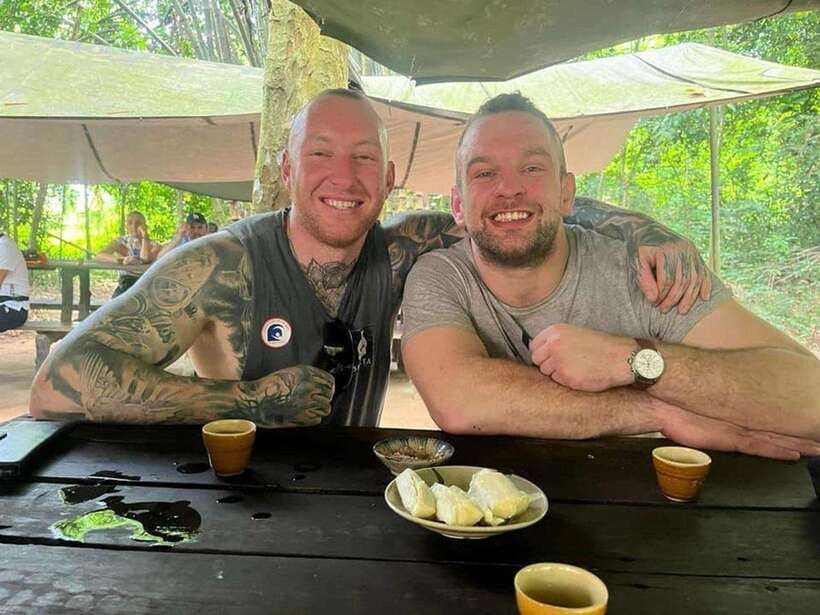
Then there’s honey tea, served along with folk music. It’s small, but it fits the setting: warm tea, sweet notes, and music carried by calm river air. It’s not a high-style restaurant experience. It’s a countryside pause that feels like it belongs.
“8 dishes” and the structure of the Mekong meal time
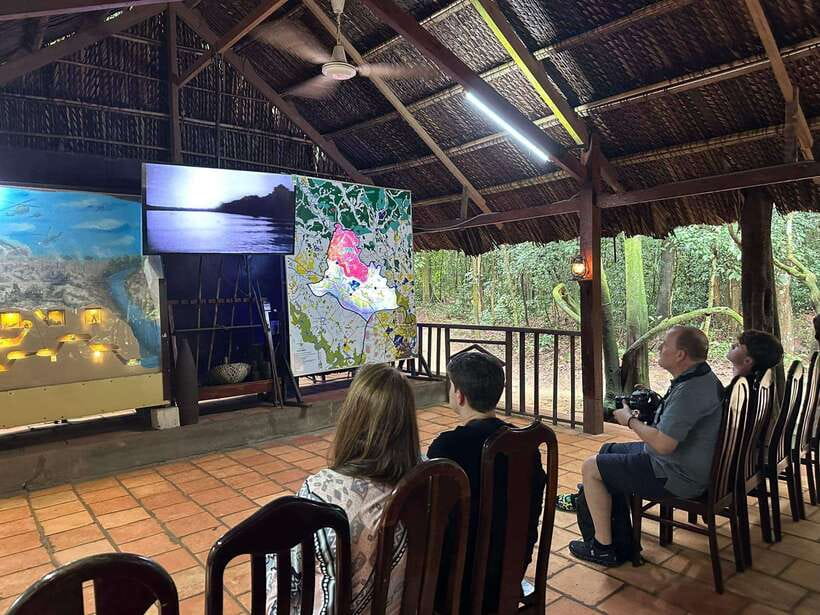
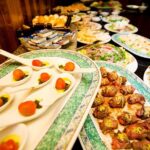
The tour information says you can enjoy 8 dishes with hometown flavors during the Mekong part of the day. That suggests a more complete meal rather than only light bites. The value is that you’re not just grazing on snacks while moving. You get an actual food block that matches the region.
Still, expect that the menu is designed for groups, not for personal choice. If you’re picky or have dietary limits, keep it in mind. You’ll know enough beforehand to decide how much you want to rely on this meal versus planning for additional options on your own.
In general, I like the way this tour uses food as a bridge: Cu Chi connects food to wartime survival; the Mekong connects food to gardens, production, and everyday village life.
The one detail to confirm: language can affect group setup
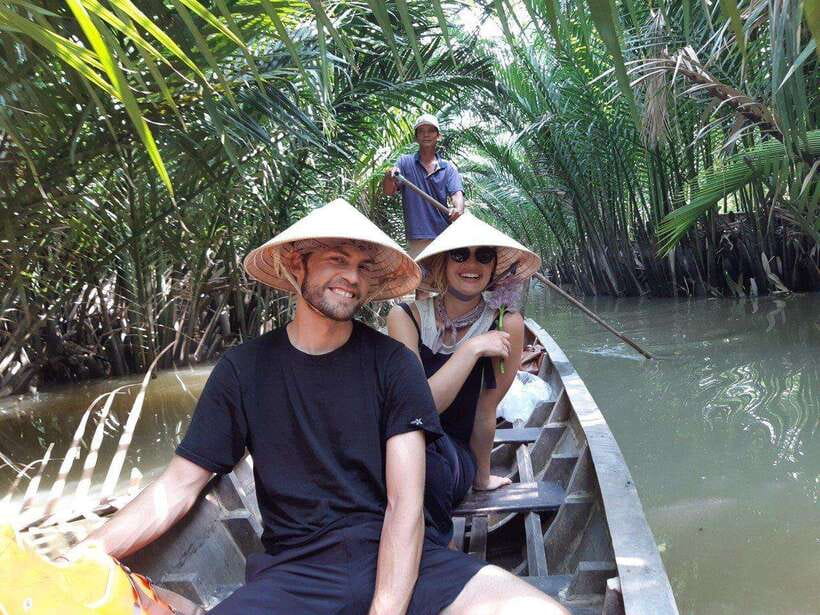
Here’s the careful part. The tour offers multiple languages: English, Chinese, Japanese, French, Italian, Spanish, Korean, German, and Russian. English-speaking guiding is included, and other languages come with a surcharge.
But do yourself a favor and confirm two things before you lock it in:
- your chosen language
- whether you’re joining a regular group or a private group
There’s a risk when language settings shift your group arrangement. In one case people weren’t clearly told and ended up facing extra charges tied to the change, and then found it harder to modify or cancel afterward. I can’t predict how it will work for your exact booking, but it’s a simple step that can prevent a stressful day.
If you’re traveling with friends and you want to keep costs predictable, send a message to the provider and ask what’s included under your selected language. Get it in plain terms. Then you can focus on the fun parts: tunnels, boats, folk songs, and snacks.
Guide makes a difference: Thi and the human pace of the day
A highlight that keeps coming up is the impact of the guide. One guide, Thi, has been praised for making the day enjoyable and smooth. That matches what I’d expect from a tour like this: Cu Chi and the Mekong are both emotionally different, and a good guide helps you connect the dots without turning either stop into a lecture.
You’ll likely appreciate it most during the transitions. After tunnels, you need help shifting mindset to the river’s slower tempo. And during Mekong activities, a guide helps you understand what you’re seeing—fishing ports, gardens, production sites—without turning it into a checklist.
Price and value: $49 for a full-day contrast
At around $49 per person for a one-day tour, the math depends on what you would otherwise pay separately. You’re getting:
- pickup/drop-off in central Saigon
- an English-speaking guide (or a surcharge for other languages)
- entrance fees
- lunch plus bottled water
- a light tapioca and tea snack at Cu Chi
- additional Mekong meals (the tour mentions 8 dishes) and food tastings like coconut candy, seasonal fruits, and honey tea
- boat time and a rowing segment
On paper, that can be good value compared to booking Cu Chi and the Mekong Delta as separate days, because the transport and entrance fees are handled. The one extra variable is shooting bullets at Cu Chi and any holiday surcharge if your date falls on a busy period.
If you want a “one ticket, two Vietnams” day with real activities, this price can work. If you only care about one side—either tunnels or the Mekong—then you might consider splitting your planning. But if you’re short on time and like variety, this is priced to fit.
Who should book this full-day Cu Chi and Mekong combo
This is a strong match if you:
- want a history-and-countryside day instead of two separate tours
- enjoy guided context more than solo wandering
- don’t mind a bit of physical effort for the tunnel crawl
- like food tastings and folk music as part of the experience
It may be less ideal if you:
- have claustrophobia or strong discomfort with tight spaces
- prefer only relaxed sightseeing with no intense moments
- want complete control over meals (the day includes set meals)
Should you book this tour
If you’re in Ho Chi Minh City for a short time and you want more than one kind of Vietnam in a single day, I think it’s worth booking. The combination of Cu Chi tunnels you can crawl through and the Mekong Delta ride with boats, rowing, fruits, honey tea, and folk music gives you a full emotional range. And with lunch, entrance fees, and guided transport included, it avoids a lot of the hassle that comes with piecing things together yourself.
Just don’t rush the one detail that can bite: confirm your language choice and group setup before you pay. If you do that, you’ll spend the day focused on what matters—war-era survival lessons above and below ground, then an easy, human-paced river day afterward.
FAQ
FAQ
How long is the Cu Chi Tunnels and Mekong Delta full-day tour?
It’s listed as a one-day tour. Starting times can vary, so you’ll want to check availability for the exact departure time offered.
Where are pickup and drop-off locations?
Pickup and drop-off are included at the center of Saigon.
What’s included for meals?
Lunch at a restaurant and bottled water are included. You also get a light snack with tapioca and tea at Cu Chi, and the Mekong portion includes a multi-dish hometown meal.
Is an English-speaking guide included?
Yes, an English-speaking tour guide is included. Other languages are available, and there is a surcharge for those.
Do I have to pay extra for shooting at Cu Chi?
Yes. The bullet fee for the shooting range is not included, and it’s listed as roughly 600,000 VND per pack of 10 bullets.
Can I go inside the Cu Chi tunnels?
Yes. The tour mentions you have the opportunity to go inside a narrow tunnel.
What kinds of food experiences happen on the Mekong Delta portion?
You’ll have the chance to taste coconut candy made at a production site, enjoy fresh seasonal fruits, and drink honey tea.
What languages are offered?
The tour lists English, Chinese, Japanese, French, Italian, Spanish, Korean, German, and Russian.
What’s the cancellation policy?
You can cancel up to 24 hours in advance for a full refund, and there’s also an option to reserve now and pay later.