REVIEW · HO CHI MINH CITY
Private Tour: Long Tan Nui Dat Battlefield from Ho Chi Minh City
Book on Viator →Operated by TNK Travel · Bookable on Viator
History has sharp edges in Vietnam. This private Long Tan–Nui Dat battlefield day gives you the names, places, and human stakes behind the war, with a war veteran guiding the story. I like that you get a real hit of context at multiple sites (not just one quick photo stop) and that the itinerary includes the Ba Ria orphanage for a gentler, human counterpoint.
The one thing to consider is the pace: it’s a full 8 hours, and you’ll spend a lot of the day outdoors between memorials and battlefield ground—bring sun protection and plan for warm weather.
In This Review
- Key things to know before you go
- From Ho Chi Minh City to the battlefields: how the day actually feels
- Ba Ria orphanage: the part that changes your whole mindset
- Long Tan Cross: where the story gets its emotional anchor
- Horseshoe Battlefield: reading ground like a map
- Nui Dat and the SAS Hills: the strategic layer
- Long Phuoc Tunnels: seeing the war from underground
- Lunch and pacing: keeping the day humane
- Price and value: what you’re paying for
- Practical tips to make the most of it
- Who should book this tour
- Should you book the Private Tour: Long Tan Nui Dat Battlefield?
- FAQ
- How long is the Private Tour: Long Tan Nui Dat Battlefield from Ho Chi Minh City?
- What’s included in the price?
- Is hotel pickup and drop-off included?
- Is this tour private or shared with other groups?
- Is lunch included, and is there a vegetarian option?
- Do I need to provide passport details when booking?
- What happens if the weather is poor?
Key things to know before you go
- War veteran narration: you’ll get on-the-ground perspective, not just textbook labels
- Long Tan Cross + Australian memorial context: a strong starting point for the whole day
- Several sites, not one: Long Tan, the Horseshoe, Nui Dat (SAS Hills), and Long Phuoc Tunnels connect together
- Ba Ria orphanage stop: you’ll see how life continues beyond the battlefield
- Private-by-design: only your group rides together, so questions don’t feel rushed
From Ho Chi Minh City to the battlefields: how the day actually feels
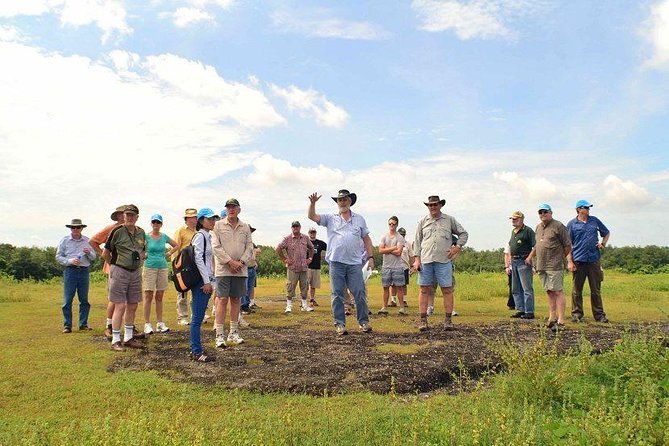
This tour is built as a full day of movement and meaning. You start early from central Ho Chi Minh City (the tour lists 7:45 am as the start), then you head out toward Ba Ria–Vung Tau Province. The drive time matters because it sets the tone: by the time you reach the first memorial, the day already feels like more than a sightseeing trip.
You’ll ride in an air-conditioned car or van with pickup and drop-off offered for centrally located hotels in District 1. The tour is private, so you won’t be squeezed into a big group shuffle. That helps a lot when you’re hearing sensitive history. It’s easier to ask follow-up questions, and you can move at a pace that suits your group.
One practical detail: you’ll stop in Ba Ria along the way to pick up a travel permit for the historical battlefield area. It sounds administrative, but it’s the kind of step that keeps the day smooth once you’re out in the country.
You can also read our reviews of more city tours in Ho Chi Minh City

Ba Ria orphanage: the part that changes your whole mindset
The day begins with a stop at an orphanage in the Ba Ria area (Ba Ria–Vung Tau Province). This is not a quick photo-and-go moment. You’re there to meet the staff and spend time with children living there.
What stood out in past visits is the way the staff look after around 30 kids. The atmosphere is bright and normal in the best way—kids playing, laughing, and chasing simple fun like soccer balls and hula hoops. Even if you don’t bring gifts (the tour doesn’t mention that requirement), the core value is seeing the care side of Vietnam right alongside the war sites later the same day.
How to handle this stop: keep it respectful and low-key. Speak gently, move slowly, and remember you’re visiting a home, not a museum. If you do plan to bring anything extra, think in terms of small, kid-friendly items that won’t create chaos.
Long Tan Cross: where the story gets its emotional anchor
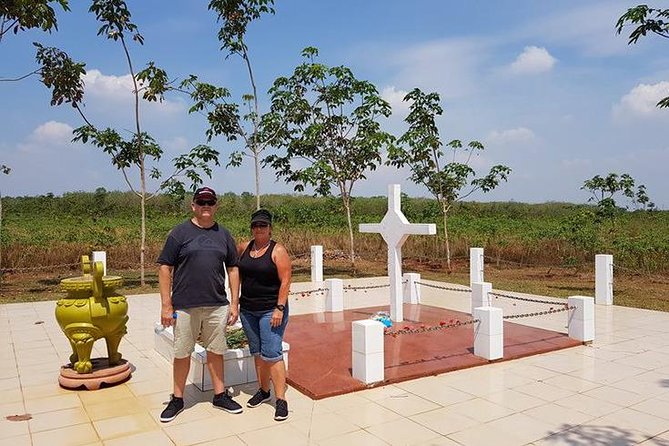
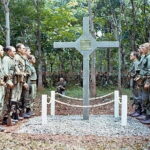
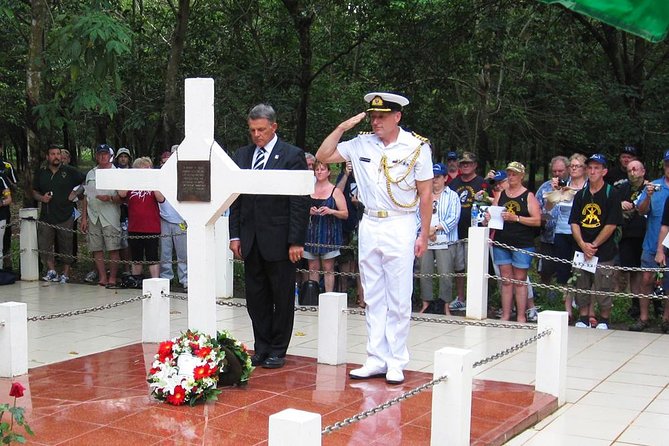
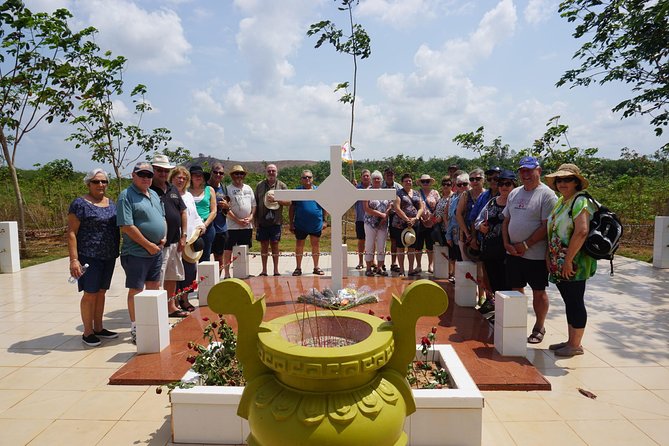
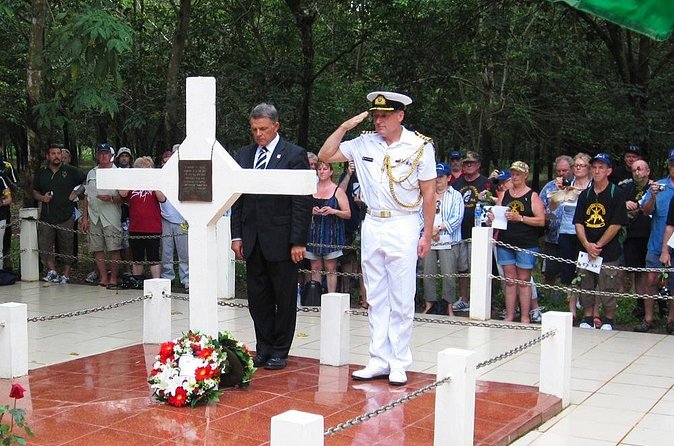
Long Tan Cross is often the first place where history stops being abstract. This is a memorial raised by Australians in August 1969 to remember the great battle of Long Tan in 1966, fought by Australian forces and the Viet Cong. Even if you know the event name, the physical setting is what makes it real—standing in place helps you “connect” the story to the terrain.
This is also where a war veteran guide can add the most value. Instead of treating the battle like a single snapshot, you’ll get context on how the fighting unfolded and how the landscape shaped decisions. One reason this stop hits is that it’s not only about dates. It’s about consequences—how a single battle affected lives, communities, and the direction of the war in the region.
A small but meaningful touch: past groups have laid flowers at Long Tan Cross after the guide thought ahead to pick them up. If your guide offers a moment like that, take it. It’s quiet and it fits the mood of the site.
Horseshoe Battlefield: reading ground like a map
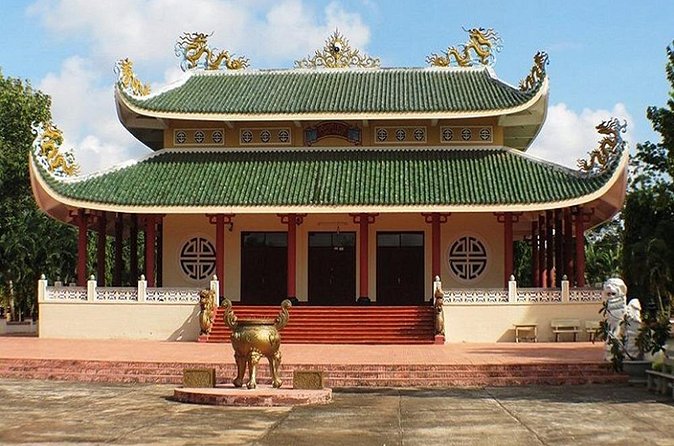
After Long Tan, the tour moves to the Horseshoe Battlefield area. This is where you start linking the story to movement—what routes might have been used, what positions would have mattered, and why people would have been funnelled into certain spaces.
The best way to get value here is to listen for cause-and-effect. A war veteran guide tends to explain how fighting in one area can spill into neighboring ground, and how the terrain can make it harder to see, communicate, or retreat cleanly. You’ll also learn how the chaos of battle changes the surroundings—nothing about it feels neat once you picture people on the move under pressure.
What’s good for most people: the Horseshoe stop typically isn’t about complicated museum language. It’s more about “look around and understand why this mattered.” If you like history that you can picture, this is one of the stronger pieces of the day.
Nui Dat and the SAS Hills: the strategic layer
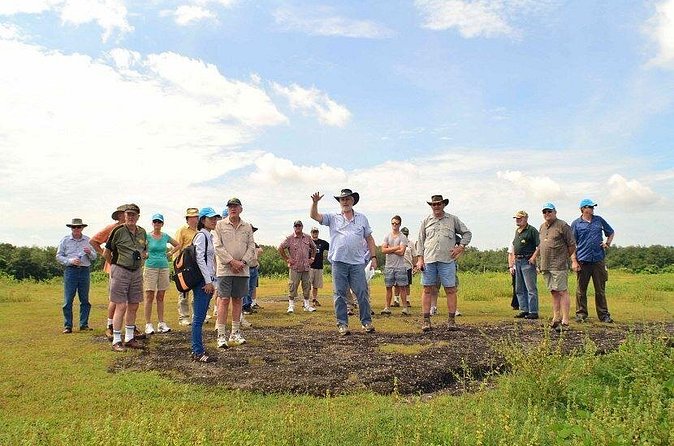
Next comes Nui Dat, sometimes referred to as the SAS Hills in the tour description. This stop adds a strategic layer. Long Tan gives you a pivotal battle; Horseshoe helps you see tactical pressure; Nui Dat helps you understand how the war’s geography worked at a bigger scale.
At Nui Dat, you’ll likely hear how a base area connected to surrounding battles and operations. The guidance from a veteran is especially useful here because the talk can connect what you see now with what used to exist then. In some past visits, guides bring pictures from during the war and compare them with the current view. That makes a huge difference. Your brain stops guessing and starts matching features—so you walk away with a clearer mental map.
This is also a good spot to ask questions, especially if you’re the type who wants to know why one location was chosen and how it affected what happened next. Since this is private, you’re not competing for attention.
You can also read our reviews of more private tours in Ho Chi Minh City



Long Phuoc Tunnels: seeing the war from underground
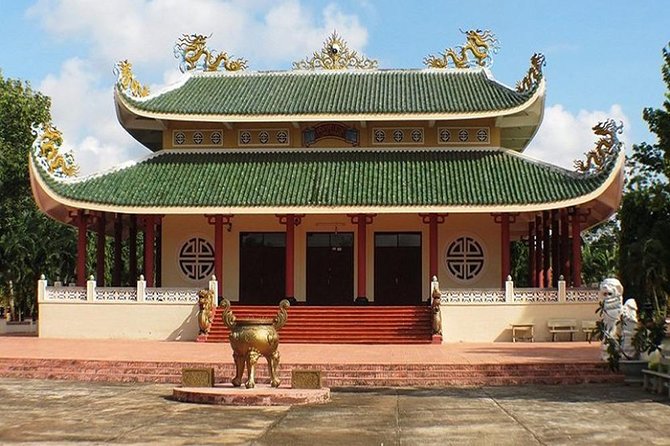
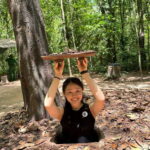
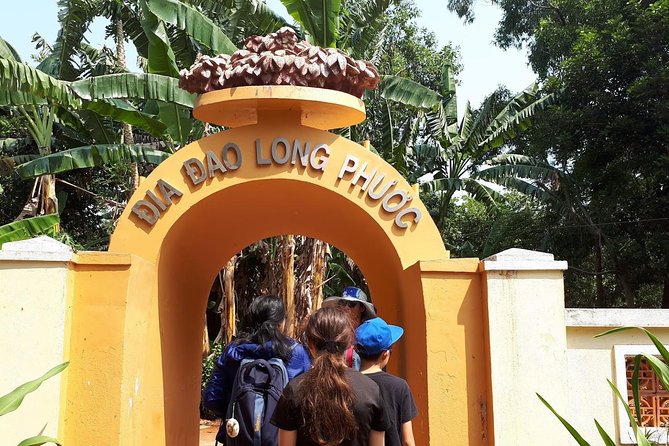
Long Phuoc Tunnels are the change of pace you didn’t know you needed. The tour frames them as tunnels used by the Viet Cong. Instead of looking at open ground and memorial markers, you’re confronted with a different side of warfare: survival, concealment, and the brutal practicality of building under pressure.
In terms of what you’ll take away, tunnels tend to reframe your understanding of the war. You can’t fully comprehend the risk and effort involved just by looking at a battlefield from above. Seeing the tunnel concept in context helps you understand how people hid, moved, and stored necessities when they were being hunted or monitored.
A quick note for comfort: tunnels can be cooler or tighter than open areas, but the overall day is still hot and active. Wear comfortable shoes and keep your expectations realistic. This stop is more about understanding than about comfort.
Lunch and pacing: keeping the day humane
Lunch is included at a local restaurant with Vietnamese cuisine. This matters more than it sounds. Battlefield days are long, and food is one of the few things that can keep everyone focused instead of cranky.
Because the tour is scheduled as a full day, you’ll want to treat lunch as a reset. If you have a vegetarian preference, the tour says a vegetarian option is available—just tell the operator when booking. That’s a simple way to avoid a stressful scramble later.
As for pacing, the day is designed to avoid constant “drive-drive-drive, then one stop.” Still, you should expect travel time between sites. If you’re sensitive to long days, this is the main reason to be thoughtful. The trade-off is that you get more than one landmark.
Price and value: what you’re paying for
At $135 per person for an 8-hour private tour, the price sits in a mid-range band for a day trip from Ho Chi Minh City that includes a guide plus transportation plus lunch. What makes it worth considering isn’t the number alone—it’s how the inclusions line up with the kind of history experience you’re choosing.
Here’s what you’re really buying:
- Private transportation: air-conditioned car/van plus pickup/drop-off for central District 1 hotels
- English-speaking guide: and in this case, a war veteran element that adds weight to the narrative
- Lunch included: so you’re not piecing together food while you’re out
- Multiple key sites: Long Tan, Horseshoe, Nui Dat/SAS Hills, and Long Phuoc Tunnels, plus Ba Ria
If you’re the type who likes context and hates souvenir-shop time, the private format helps. The history feels more intentional and less like a checklist.
Practical tips to make the most of it
If you want this day to land emotionally and intellectually, focus on your preparation.
- Dress for heat and walking: you’ll be outside through most of the day. Wear breathable clothes and comfortable footwear.
- Bring sun protection: sunscreen and a hat help a lot because you’re moving between sites.
- Carry a light layer: depending on the day, tunnel areas and vehicle AC can feel cooler than expected.
- Be ready for photos and comparisons: in some cases, guides use pictures from the war era and compare them to today’s views. Look around slowly when that happens.
- Ask about connections: the power of this tour is how Long Tan, Horseshoe, Nui Dat, and the tunnels connect. If you only absorb facts, you’ll miss the pattern.
Also, double-check any dietary needs when booking. Vegetarian options are available, but the operator needs notice.
Who should book this tour
This tour is a strong fit if you:
- care about Vietnam War history and want more than surface-level facts
- like learning from a war veteran guide who can explain context in plain terms
- want a day that includes both battle history and a human stop at an orphanage
- prefer private pacing over group logistics
It’s probably not the best fit if you dislike long travel days or you’re looking for a relaxed, purely scenic outing. This is serious history, and the day reflects that.
Should you book the Private Tour: Long Tan Nui Dat Battlefield?
Yes—if you want one high-value day that ties together multiple battlefield landmarks and a tunnel system, with a guide who brings real perspective. I like that it avoids empty filler: you’re not just collecting stamps; you’re building a clearer understanding of where events happened and why the terrain mattered.
If you’re sensitive to a full day outdoors and you’re someone who needs downtime between stops, then consider your stamina first. But if you can handle a long, meaningful day, this private format is a smart way to make the history feel personal, organized, and respectful.
FAQ
How long is the Private Tour: Long Tan Nui Dat Battlefield from Ho Chi Minh City?
The tour duration is listed as approximately 8 hours.
What’s included in the price?
The tour includes air-conditioned car/van transportation (pickup, transfers for centrally located District 1 hotels in Ho Chi Minh City, and sightseeing as per the program), an English-speaking tour guide, and lunch at a local Vietnamese restaurant.
Is hotel pickup and drop-off included?
Pickup and drop-off are offered for centrally located hotels in District 1. The tour also lists a meeting point in District 1 (112 Trần Hưng Đạo, Phường Phạm Ngũ Lão, Quận 1) and says pickup outside District 1 may cost extra.
Is this tour private or shared with other groups?
This is a private tour/activity. Only your group participates.
Is lunch included, and is there a vegetarian option?
Lunch is included at a local restaurant. A vegetarian option is available if you advise the operator at booking.
Do I need to provide passport details when booking?
Yes. The tour requires the passport name, number, expiry date, and country for all participants when booking.
What happens if the weather is poor?
The experience requires good weather. If it’s canceled due to poor weather, you’ll be offered a different date or a full refund.