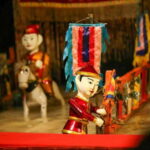
Secret tunnels start with a documentary.
This Cu Chi Tunnels VIP morning/afternoon half-day tour takes you out of Ho Chi Minh City to see how guerrillas survived underground, from bamboo traps to daily life inside the tunnels. I like that you also get cultural stops built into the day—watching how locals make rice paper and rice wine—so it is not only guns and tunnels. I also like the hands-on choices, like crawling in the tunnels and trying steamed cassava. One drawback to consider: the tour includes an air-conditioned vehicle, but comfort can vary in practice, and there may be an extra stop at a tourist shop that you might not want.
In This Review
- Quick hits you should know
- Cu Chi Tunnels VIP: what you’re really buying
- From Ben Thanh area to Cu Chi: pickup and first impressions
- The documentary and weapons/traps section: why it sets the tone
- Inside Cu Chi Tunnels: living space, combat roles, and the tunnel crawl
- Rice paper and rice wine: the cultural stop that changes the whole day
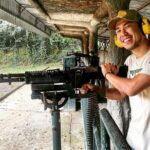
- Optional AK-47 shooting: how to think about it
- Snacks, cassava, and the little moments
- War Remnants Museum drop-off: useful if you plan your next move
- Price and logistics: is it a good value?
- Group size: why small matters here
- Who should book this Cu Chi tour?
- Should you book it?
- FAQ
- How long is the Cu Chi Tunnels VIP tour?
- Where does the tour start in Ho Chi Minh City?
- Is admission to Cu Chi Tunnels included?
- What’s included in the tour besides transport?
- Do I get to see a documentary during the tour?
- Can I crawl through the tunnels?
- Is AK-47 shooting included?
- Will I learn about rice paper and rice wine?
- Is there a stop at War Remnants Museum on the way back?
- What is the cancellation policy?
Quick hits you should know
- Documentary-style start explains traps, tunnel life, and why simple tools mattered
- Optional tunnel crawl lets you experience the tight underground spaces
- Rice paper + rice wine demo adds culture beyond the war story
- Cassava is included as a small but very on-theme snack
- AK-47 shooting is optional and bullets are not included
Cu Chi Tunnels VIP: what you’re really buying
On paper, this tour is labeled half day. In real life, plan for a longer day feel—around 7 hours total once you factor in pickup, travel time, and the time spent at Cu Chi. The good news: you’re not just driving to a site and walking around. You get a structured experience with explanations, demonstrations, and a few choices at the tunnels themselves.
For $16.50 per person, it is strong value for a guided trip from the Ho Chi Minh City area. You’re paying for transportation (including bottled water and snacks), an English–Vietnamese speaking guide, and admission into Cu Chi Tunnels. If you were to do the same day on your own—driver + tickets + guide—you’d likely spend more time figuring things out than learning.
The vibe is practical and direct: it’s about survival engineering and the way people adapted to harsh conditions. You’ll watch a documentary about homemade weapons and traps made from bamboo. Then you’ll see and learn how rebels dug the tunnels, lived in them, and fought from them. The angle is clear: determination beat technology. It is not subtle, but it works, because you understand the logic before you get anywhere near the crawl spaces.
You can also read our reviews of more tours and experiences in Ho Chi Minh City
From Ben Thanh area to Cu Chi: pickup and first impressions
The tour starts with pickup from central Ho Chi Minh City. The meeting point listed is 165 Phạm Ngũ Lão, Quận 1, near the Ben Thanh area. The tour also offers pickup and drop-off at centrally located hotels, which is a big time-saver if you do not want to coordinate rides and tickets on your own.
Timing matters here. Pickup runs in the 7:45–8:30 AM window (for the morning departure). Even if you booked afternoon, you should expect a similar pattern: early-ish pickup and a full block of time out at the tunnels.
On the bus, you’ll get bottled water and snacks. The vehicle is advertised as air-conditioned, and in most cases that helps a lot on the ride out. One caution from real-world experience: if you are sensitive to heat or airflow, sit where you can get the best cooling—there has been feedback that the AC may not feel equally strong unless you’re near a window seat.
The documentary and weapons/traps section: why it sets the tone
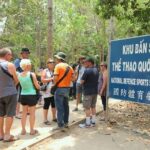
A key part of this tour is the documentary portion, which happens as part of the Cu Chi experience. You’ll learn about people who made their own weapons and traps—specifically including bamboo trap concepts—and you’ll see how guerrillas used tunnels and improvised methods.
What I like about starting this way is that it prevents the classic problem: standing in a historical site and trying to guess what you’re seeing. With the documentary explanation first, the tunnels make more sense. You understand why the narrow passages, trap layouts, and underground living spaces were designed the way they were.
If you’re the type who likes to connect story to physical space, this section earns its time. It’s not just background; it is the mental map that helps you move through Cu Chi without feeling lost.
Inside Cu Chi Tunnels: living space, combat roles, and the tunnel crawl
At the tunnels, you’ll get the core story: how rebels dug, lived, and fought inside secret tunnel networks. This is the part most people come for, and it is also the part where the tour’s structure matters.
Here’s what to expect:
- You’ll learn how underground living worked, not only how fighting worked.
- You’ll focus on the idea that willpower and ingenuity could counter stronger weaponry.
- You’ll have the option to go into the tunnels by crawling.
That optional crawl is where the experience becomes real. Even if you’re not claustrophobic, you should know what this means: tight spaces, low light, and a slow, careful movement style. Wear something you can move in without fuss. If you think the crawl might be uncomfortable for you, you can still learn a lot by watching from the safer public areas.
Safety note (practical, not scary): because this involves entering cramped passages, you’ll enjoy the experience more if you follow the guide’s instructions about where to go, how to move, and when to stop.
Rice paper and rice wine: the cultural stop that changes the whole day
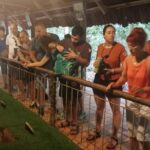
One of the best surprises in this tour is that it does not treat Cu Chi as purely military. You’ll also learn about local traditions—how rice paper and rice wine are made.
This matters because it changes what you take home. Without it, Cu Chi can feel like only one emotional lane: tension, hardship, and conflict. With it, you see that the same region—and the same kinds of everyday people—also created food traditions and lived normal lives alongside extraordinary hardship.
I think this is especially valuable if:
- You’re traveling with people who get overwhelmed by heavy war sites.
- You want your day to include something sensory (smells, textures, food-making steps).
- You prefer learning through daily-life examples instead of only battles.
You can also read our reviews of more tours and experiences in Ho Chi Minh City





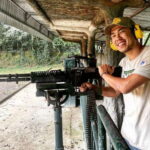
Optional AK-47 shooting: how to think about it
The tour includes optional AK-47 shooting. The important detail: bullets are not included, so you should expect extra costs if you choose this activity.
How I suggest you approach it:
- If your goal is the history and the tunnels, you can skip shooting and still get a full experience.
- If you’re curious about how the activity works, treat it as an add-on, not the main event.
- Keep your budget ready for the extra payment for bullets.
Also, mentally prepare for what it is: a brief, controlled shooting experience linked to the tour’s documentary and tunnel themes. It is not a long firearm session, and it is not a substitute for understanding the broader context.
Snacks, cassava, and the little moments
Included in the tour is steamed cassava. It is a small detail, but it fits the story. Cassava is the kind of food people could survive on with limited resources, and it adds a physical touch to what you learned about underground life.
The bus also includes mineral water and snacks. So you’re not going to be hunting for food mid-tour. Still, it is smart to bring a small extra snack if you have a sensitive stomach or you know you get hungry easily, especially if you end up choosing the tunnel crawl.
War Remnants Museum drop-off: useful if you plan your next move
On the way back, you can drop off at The War Remnants Museum. That’s a convenient pairing because many visitors want to continue the story from Cu Chi into a more museum-based format.
If you’re planning to visit the museum anyway, this drop-off can save you time and reduce the number of ride-hunting tasks. If you do not plan to go, it’s still fine—your tour ends back at the meeting point area.
Price and logistics: is it a good value?
At $16.50, this is priced like a budget-friendly guided day trip with real inclusions: air-conditioned transport, admission, a guide, water, and at least one snack (cassava), plus documentary and guided learning components.
The hidden variable is not the headline price. It’s your optional choices:
- AK-47 shooting adds cost because bullets are not included.
- If you are picky about comfort, you’ll want to pick your bus seat to maximize cooling.
Still, even with those considerations, the overall structure feels efficient. You get admission, a guide, and multiple learning segments in one trip, rather than cobbling it together yourself.
Group size: why small matters here
The tour lists a maximum of 25 travelers. That cap matters at Cu Chi because the site can feel busy, and the tunnel crawl is easier to manage when the group isn’t huge.
A smaller group also tends to make it more likely you can hear explanations and ask basic questions when something doesn’t click. With this kind of history-and-physical-site combo, that hearing part is underrated.
Who should book this Cu Chi tour?
This tour is a strong fit if:
- You want a guided, structured way to experience Cu Chi without planning every detail.
- You like a mix of war context and everyday Vietnamese food traditions (rice paper and rice wine).
- You are curious about doing the tunnel crawl, but you still want an option to skip it if you’d rather not.
It might not be your best choice if:
- You hate any chance of extra stops that feel commercial. There has been feedback about a tourist shop stop on the way, and if that would bother you, you may want to choose a different option.
- You are extremely heat-sensitive and do not want to think about seating on the bus. Even with AC, comfort can vary.
Should you book it?
Yes, if you want a straightforward, guided Cu Chi day that includes more than just tunnels. The combo of documentary learning, a practical tunnel experience (optional crawl), and the cultural rice paper and rice wine segment makes it feel more complete than many one-track tours.
If you book, go in with the right expectations:
- Treat the AK-47 shooting as an add-on, not the core.
- Plan for a full day feel even if it’s marketed half day.
- Sit for comfort on the bus, especially if you run hot.
- If you hate tourist-shop stops, consider that possibility before you go.
If you want a high-value way to understand Cu Chi from the inside out, this is the kind of tour that saves you time and gives you context fast.
FAQ
How long is the Cu Chi Tunnels VIP tour?
It runs for about 7 hours (approx.).
Where does the tour start in Ho Chi Minh City?
Pickup is available from centrally located hotels. The listed meeting point is 165 Phạm Ngũ Lão, Phường Phạm Ngũ Lão, Quận 1, Thành phố Hồ Chí Minh, Vietnam.
Is admission to Cu Chi Tunnels included?
Yes. Entry/admission to Cu Chi Tunnels is included.
What’s included in the tour besides transport?
You get an English–Vietnamese speaking guide, bottled water, mineral water and snack on the bus, and snacks including steamed cassava.
Do I get to see a documentary during the tour?
Yes. You’ll watch a documentary about people who made their own weapons and traps, and learn about life in the tunnels.
Can I crawl through the tunnels?
You can, if you choose. It is described as optional to go into the tunnels.
Is AK-47 shooting included?
AK-47 shooting is optional, but bullets are not included.
Will I learn about rice paper and rice wine?
Yes. The tour includes learning about how rice paper and rice wine are made.
Is there a stop at War Remnants Museum on the way back?
There can be a drop-off at The War Remnants Museum on the return trip.
What is the cancellation policy?
Free cancellation is available. You can cancel up to 24 hours in advance for a full refund.