REVIEW · HO CHI MINH CITY
Ho Chi Minh City: Top Sightseeing Saigon Trip & History Tour
Book on GetYourGuide →Operated by LavylaGroup Travel · Bookable on GetYourGuide
Saigon has two faces: history and street life. This tour strings them together with stops that explain Vietnam’s modern story, from the War Remnants Museum to the quieter meaning behind Chinatown worship. I like that you’re not only looking at landmarks, you’re also shopping and eating like a local—guided, but not stuck in a classroom.
The best part for me is the mix of time and texture: you get a cyclo ride to the markets (with real traffic energy) and a guided meal in the middle of the day. The main drawback to consider is that with tours built around timing, you may get less freedom than you want at a couple stops if schedules get tight with traffic or the guide’s pacing.
In This Review
- Key Highlights You’ll Remember
- A Practical Way to See Ho Chi Minh City’s Big Story
- Pickup and Timing: What the 8:00AM Start Means for You
- Reunification Palace: How Power Was Built Into the Room Layout
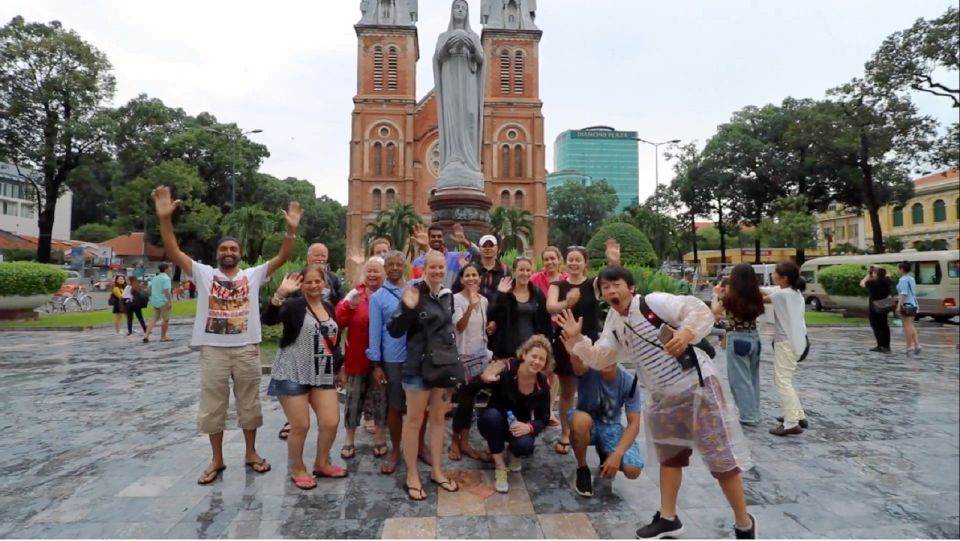
- French Saigon in Full View: Notre Dame Cathedral and the Old Post Office
- War Remnants Museum: Hard History, Clear Takeaways
- Cyclo Ride to Ben Thanh: Seeing Traffic and Craft Culture Together
- Lunch at a Local Restaurant: The Break That Makes the Day Work
- Cha Tam Church, Drug Street, and the Story of Trade Skills
- Chinatown and Thien Hau: Spiritual Meaning in the Architecture
- Binh Tay Market and the Return to District 1
- Price and Value: Why $75 Can Make Sense Here
- The Small-Group Factor: When It Feels Flexible
- Who Should Book This Tour (and Who Might Skip It)
- Quick Guidance Before You Go
- Should You Book LavylaGroup’s Top Sightseeing Saigon Trip & History Tour?
- FAQ
- How long is the Ho Chi Minh City top sightseeing Saigon trip and history tour?
- What’s included in the tour price?
- Do you offer hotel pickup outside District 1?
- Is the tour private or shared?
- Are drinks included with lunch?
- What cancellation and booking options are available?
Key Highlights You’ll Remember
- War Remnants Museum gives you context for a painful chapter of Vietnam’s recent history
- Reunification Palace shows how power and politics were staged through architecture
- Cyclo ride to Ben Thanh adds movement and street-level perspective
- Ben Thanh Market shopping with craft education, not random browsing
- Chinatown and Thien Hau connect architecture, spirituality, and daily life
- Binh Tay Market rounds out the day with more local-market energy before you head back
A Practical Way to See Ho Chi Minh City’s Big Story
If you only have one day in Ho Chi Minh City (aka Saigon), this tour is a smart shortcut. You’re hitting the landmarks most travelers point to, but the way they’re sequenced matters: the route moves from political turning points, to colonial-era landmarks, to the modern war narrative, and then into markets where you feel the city’s everyday rhythm.
I like the focus on both context and doing. The War Remnants Museum isn’t treated like a checklist item. The French influence stops (Notre Dame Cathedral and the Old Central Post Office) are placed where you can actually compare styles and see how Saigon grew over time. Then the day shifts into shopping streets, traditional crafts, and temples where the city’s cultural threads are visible even while you’re moving.
One practical note: the “7 hours” feel more like a full half-day with a packed itinerary. There are a lot of moving parts, and you’ll want comfortable shoes and a relaxed attitude about pacing.
You can also read our reviews of more city tours in Ho Chi Minh City

Pickup and Timing: What the 8:00AM Start Means for You
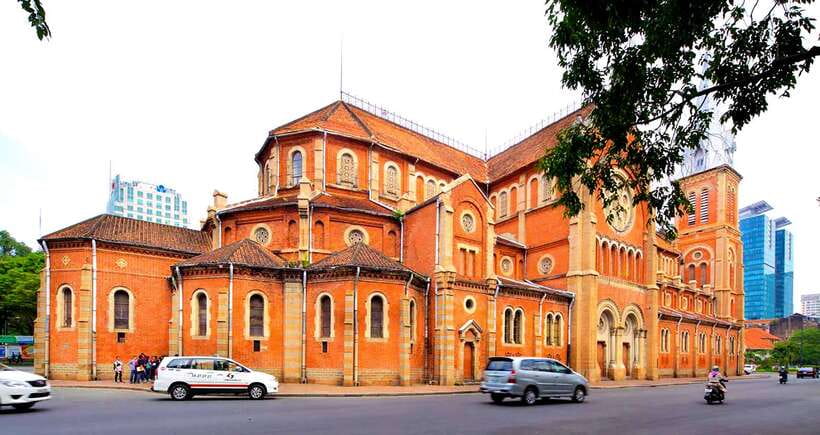
Your day begins with hotel pickup around 08:00AM, in a luxury air-conditioned vehicle. The exact pickup can vary between about 7:45AM and 8:00AM, and the operator adjusts based on traffic, weather, and group timing.
This matters because it shapes your expectations for the day. If you’re the kind of person who wants every stop to run exactly on schedule, you may get annoyed. If you’re okay with a little flow, it works well—Saigon traffic is its own character, and the tour’s structure accounts for that.
Also, the route includes District 1 hotel transfers as standard, with pickup and drop-off included there. Pickup is available outside District 1, 3, and 4 with a $5 per person surcharge collected by the guide. If you’re staying further out, it’s worth confirming the pickup point so you don’t waste time before the tour even starts.
Reunification Palace: How Power Was Built Into the Room Layout
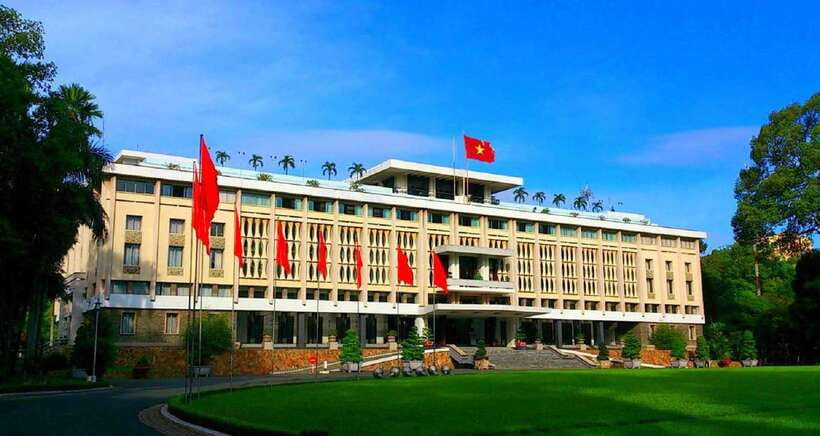
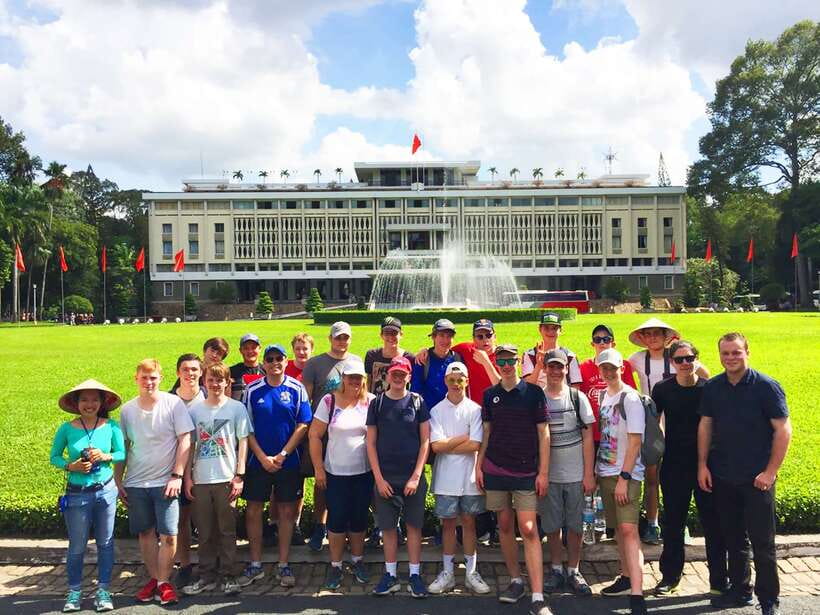
Reunification Palace is the anchor for the tour’s “modern Vietnam” story. You’ll visit the former residence of the South Vietnamese President before the war ended in 1975, and your guide explains the structure and why it looked the way it did.
What I like about this stop is that it’s not just about dates. Palaces and government buildings are designed to send messages: about authority, control, and how decisions were meant to be made. When you’re walking rooms that were linked to political leadership, you start understanding history as something physical—not abstract.
A drawback to keep in mind: like most major sites, there can be photo-friendly areas and then periods where you’re listening. If you prefer to roam independently, you might feel your time is guided at certain moments. Still, the place is big enough that even with a structured visit, you usually come away with a clearer sense of what happened here.
French Saigon in Full View: Notre Dame Cathedral and the Old Post Office
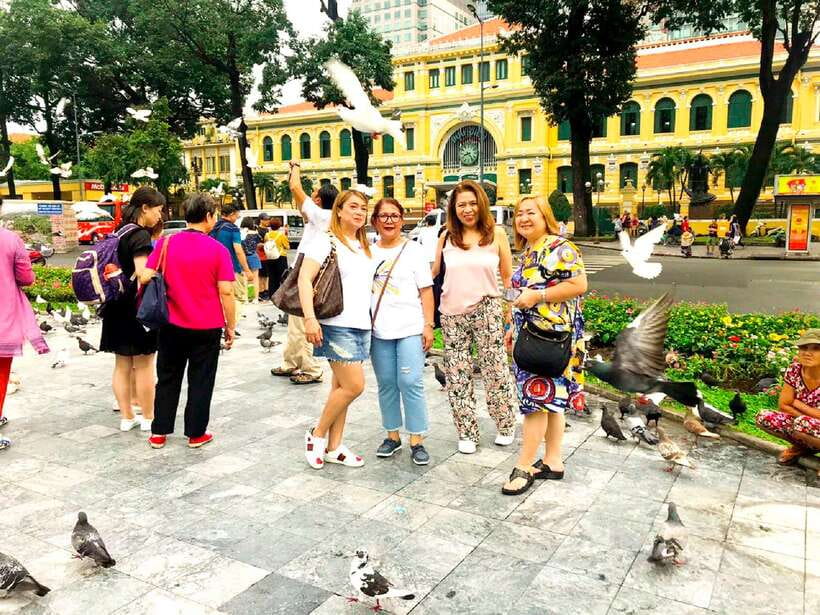
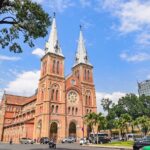
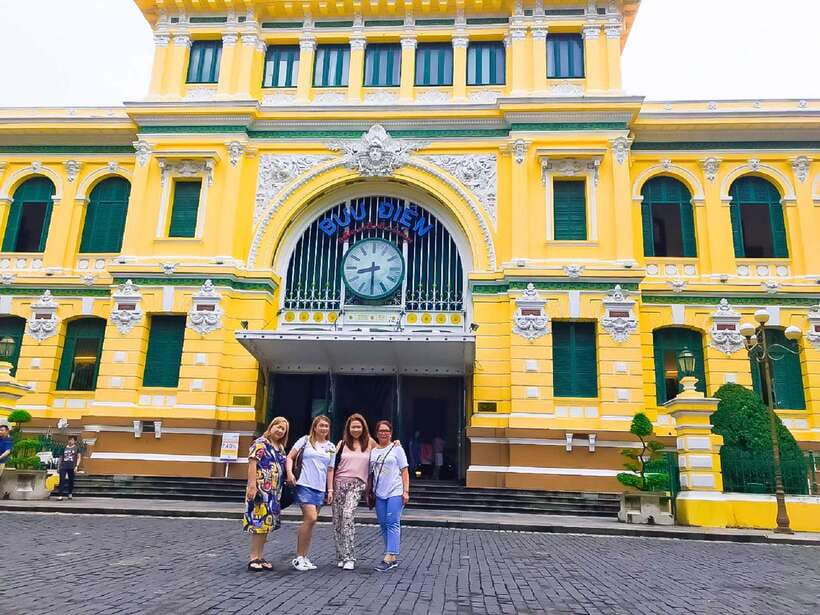
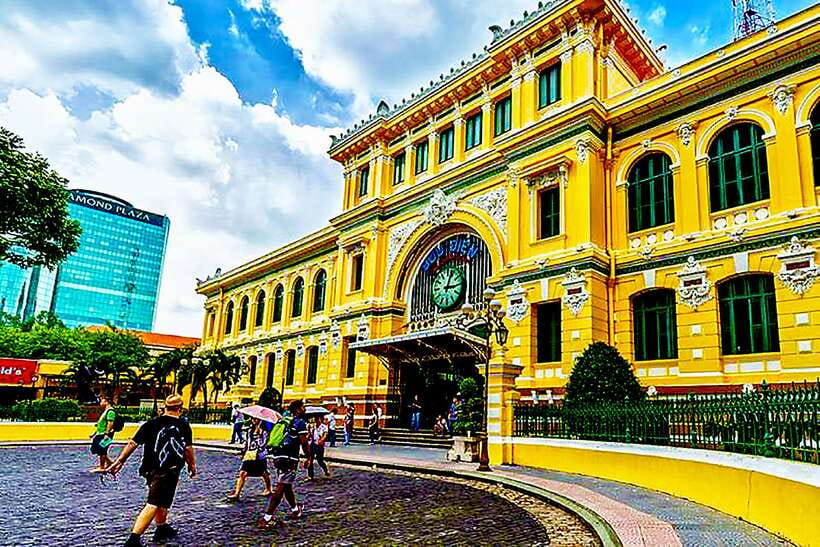
Next comes the “how Saigon changed” chapter: French colonial architecture. You’ll see Notre Dame Cathedral and the Old Central Post Office, both famous for their recognizable European lines and their role in a growing city.
This part of the tour works well because it’s placed right after Reunification Palace. You can literally compare the styling, the public scale, and what each structure signals. Even without deep architecture talk, you’ll notice the city’s layering: different eras built for different systems of power and commerce.
Practical tip: the Old Central Post Office is a place where people often want to linger. If the day runs on a tight schedule, you may need to move efficiently between photo spots and the areas the guide points out. It’s not a dealbreaker—just don’t schedule anything right after your tour.
War Remnants Museum: Hard History, Clear Takeaways
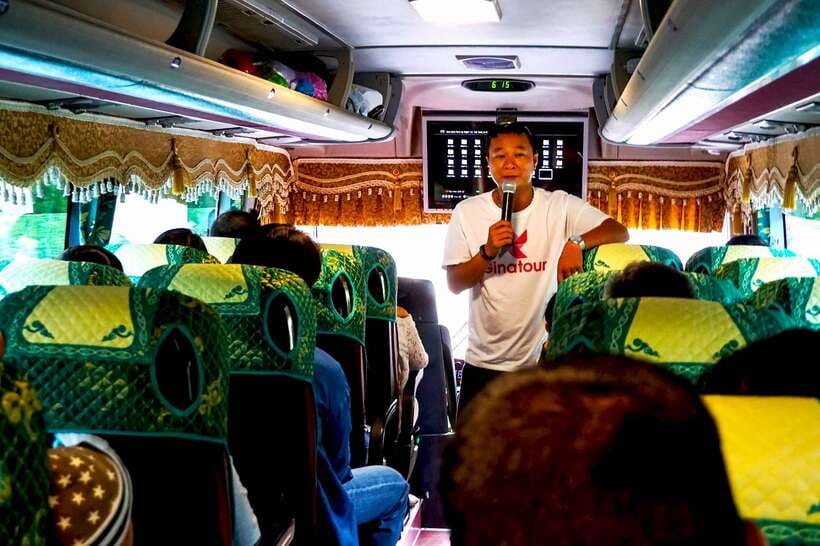
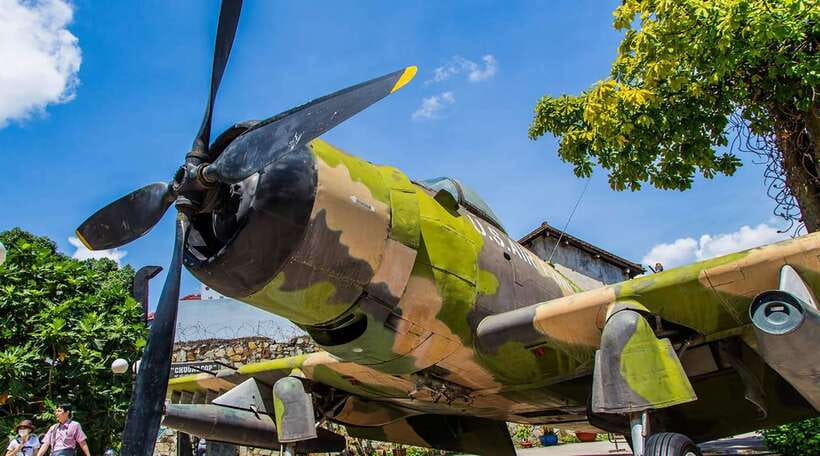
The War Remnants Museum is the emotional center of the day. This is where you’ll learn about an important and painful period of Vietnam’s contemporary history, with extensive exhibits connected to the American-Vietnamese war.
This stop is valuable for two reasons. First, you’re not only seeing artifacts—you’re getting guided framing about what you’re looking at. Second, it’s placed after the political site at Reunification Palace, so you can connect the “what happened” to the “why it mattered.”
Be aware: this is heavy subject matter. If you’re sensitive to graphic images or intense displays, plan to take breaks and control your pace inside the museum. The tour includes entrance fees, so you don’t have to worry about ticket logistics mid-day—you just focus on reading, looking, and processing.
You can also read our reviews of more historical tours in Ho Chi Minh City




Cyclo Ride to Ben Thanh: Seeing Traffic and Craft Culture Together
After the museum, you get into motion with a cyclo ride toward Ben Thanh Market. It’s a classic Saigon experience, but here it serves a purpose beyond fun. Riding through traffic gives you a different perspective on the city’s density and energy, and it helps break up the intensity of the earlier history stops.
When you arrive at Ben Thanh, you’ll wander one of the city’s oldest surviving market structures, with vendors lining the walkways. Here’s where the tour becomes more useful than a simple market stroll: you’ll also hear about embroidery crafts and how local artisans make textiles and decorative work. That turns your shopping into something more informed. You know what you’re buying instead of grabbing the first thing that looks pretty.
Tip for your wallet: markets invite bargaining, but the tour focuses on shopping education too. If you’re buying gifts, it helps to compare prices across a few stalls before you commit.
Lunch at a Local Restaurant: The Break That Makes the Day Work
Midday, the tour includes a stop at a popular local restaurant for an authentic Vietnamese meal with your guide. This is one of the smartest parts of the schedule because it keeps you from having to negotiate where to eat while you’re already tired from walking and museum time.
The meal being included matters. Food costs add up fast in busy tourist areas, and an included lunch keeps the experience good value, especially at this price point. Drinks beyond what’s mentioned in the program aren’t included, so you may want to budget for bottled water or other beverages depending on your preferences (water is also provided via mineral bottles during the tour).
Cha Tam Church, Drug Street, and the Story of Trade Skills
After lunch, the tour shifts to religious and street-level cultural stops. You’ll visit Cha Tam Church and then head to the Drug Street area, where you’ll learn about traditional drugs and how they’re made by Chinese and Saigonese practitioners.
This sequence is interesting because it shows how different communities shaped commerce and daily life. Markets aren’t only about buying food or souvenirs. They’re also about services, traditions, and knowledge passed through generations.
A consideration: if you’re more interested in big-ticket landmarks than small street stops, Drug Street may feel like a “slow down and listen” moment. The value is in the explanation—especially if you like understanding where products come from.
Chinatown and Thien Hau: Spiritual Meaning in the Architecture

Next up is Chinatown. You’ll explore intricate architectural details at Thien Hau, and your guide explains spiritual significance—an important contrast to the Western-influenced buildings you saw earlier.
This is one of those stops that feels better than it sounds on a brochure. Religious architecture often communicates priorities: where people gather, how they move through space, and what materials and design features support shared rituals. Even if you’re not deeply religious, you’ll likely find the symbolism readable once you know what to look for.
The tour ends the day with another big market visit, Binh Tay Market, which makes the Chinatown segment feel like more than sightseeing. It connects worship spaces with commerce spaces, showing how the city’s spiritual life and shopping habits exist side by side.
Binh Tay Market and the Return to District 1
The day wraps with time at Binh Tay Market, where you can wander through vendor-lined walkways before you’re taken back to your hotel. The return is typically around 5:30PM, depending on schedule adjustments for timing and traffic.
If Ben Thanh is the “most famous” market feel, Binh Tay is often where you go for a different slice of everyday Saigon browsing—more local commerce energy, more variety in goods, and more reason to keep your camera ready.
Practical tip: leave some room in your bag. By the time you hit the later market, you’re likely to want a second round of souvenirs or craft items, especially if you learned what to look for at Ben Thanh.
Price and Value: Why $75 Can Make Sense Here
At $75 per person, this tour can be good value because several cost pieces are handled for you: entrance fees, an English-speaking guide, hotel pickup and drop-off in District 1, and a included midday meal. On a day like this, those add-ons are often what inflate independent sightseeing.
You also get small comfort extras that matter in a hot city: cool towels and two mineral waters per person. The vehicle is described as luxury and air-conditioned, which is a real relief when you’re bouncing between museums, churches, and markets.
The main value question is match of expectations. If you want a long, slow, stand-alone museum day, you might wish this were less packed. If you want a guided “hit the core sights plus markets and food” day, this price is positioned like a practical bundle rather than a premium luxury-only experience.
The Small-Group Factor: When It Feels Flexible
One of the nicest perks of this type of tour can be how it behaves when the group is small. On a day when only a couple people are booked, you may get more control over pacing—staying longer at a sight you enjoy and moving quicker through parts you don’t.
That flexibility can be a game-changer at places like War Remnants Museum or Ben Thanh, where your personal interests determine whether you need five minutes or fifty. The official plan is structured, but the human side matters, especially when the group is tiny.
Who Should Book This Tour (and Who Might Skip It)
This tour is a great fit if you:
- Want a guided history day that includes markets and shopping instead of only monuments
- Prefer having entrance fees and pickup handled
- Like learning context at sites like Reunification Palace and War Remnants Museum
- Enjoy a mix of cultural stops, including Thien Hau and street areas like Drug Street
It may not be your best choice if you:
- Want a highly independent itinerary with lots of free roaming time
- Don’t want any moments of waiting or joining back up on schedule
- Are looking for a food-only tour or a pure architecture tour
A final note: because this is described as private-group, you should still plan for the reality that your guide sets the tempo. If you’re expecting a guide to function like a personal private driver who never pauses for set timelines, you might feel the structure.
Quick Guidance Before You Go
- Wear comfortable walking shoes. You’ll spend real time on your feet across markets and major stops.
- Bring light layers. Museums and churches can be cooler than street level, and the air-conditioned ride can feel strong.
- If shopping is a priority, treat your first market stop as your education round, then decide what to buy later with more confidence.
Should You Book LavylaGroup’s Top Sightseeing Saigon Trip & History Tour?
I’d book this if your goal is a single, guided day that covers Ho Chi Minh City’s key storylines: politics, colonial influence, war history, and how Saigon shops and worships day to day. The included entrance fees, the meal, and the organized pickup help it feel like a smart bundle at $75.
I’d hesitate if you hate structured timing or you’re only interested in one topic area. This tour spreads its attention across several themes, and while that’s its strength, it can feel too busy if you prefer depth at just one museum or one neighborhood.
If you’re staying in District 1, 3, or 4, you’ll also save time and avoid pickup hassles. For everyone else, the $5 per person pickup surcharge is small, but it’s still a factor in your overall value.
FAQ
How long is the Ho Chi Minh City top sightseeing Saigon trip and history tour?
The duration is listed as 7 hours. The exact start times can vary, so checking availability will show your departure option.
What’s included in the tour price?
It includes luxury air-conditioned transportation with hotel pickup and drop-off (District 1), travel insurance, meals as mentioned in the itinerary, all entrance fees, an English-speaking guide, and cool-towels plus mineral water (2 bottles per person).
Do you offer hotel pickup outside District 1?
Pickup is included for hotels in District 1, 3, and 4. Pickup outside those districts has a $5 per person surcharge, collected by the tour guide.
Is the tour private or shared?
This activity is listed as a private group.
Are drinks included with lunch?
Beverages and other meals that are not mentioned in the program are not included, so you should expect to pay for additional drinks beyond what’s specified.
What cancellation and booking options are available?
There is free cancellation up to 24 hours in advance for a full refund, and you can reserve now and pay later to keep your travel plans flexible.