REVIEW · HO CHI MINH CITY
Deluxe Mekong Delta Tour to Floating Market 2 Days 1 Night Trip
Book on Viator →Operated by The Sun Tourist · Bookable on Viator
Mekong tours can feel rushed. This one is packed, but it’s built around real scenes along the river and tributaries, from quiet back-canal cruising to the famous Cai Rang floating market. I like that you get a full two-day flow with an overnight in Can Tho, so the trip doesn’t just feel like a long day-trip blur.
What I especially like is how the stops go beyond just seeing water. You also get a taste of village life in Ben Tre with fruit, honey tea, honey wine, and traditional music performed locally, plus a proper day-two run through Can Tho’s river culture. One thing to watch: the schedule moves fast, and if you’re sensitive to long sitting time on the road or boat, this can feel like a packed weekend.
In This Review
- Key points before you go
- Day 1 in the Mekong: from Ho Chi Minh City to Ben Tre
- Vinh Trang Pagoda: a style-mix you’ll actually notice
- My Tho boat ride: fish cages, floating homes, and quiet canals
- Ben Tre coconut village: candy, fruit, honey tea, and local music
- Can Tho overnight: what the 3-star hotel changes
- Cai Rang floating market: the lively Lower Mekong moment
- Con Son: popped rice (cốm nổ), areca trees, and a fruit garden
- Munirangsyaram Pagoda: Cambodian Angkor-inspired architecture
- Transport, group size, and pace: what $95 buys you
- Who should book this Mekong Delta tour
- Should you book Deluxe Mekong Delta Tour to Floating Market?
- FAQ
- How much does this tour cost?
- What time does the tour pick me up?
- Where is the meeting point in Ho Chi Minh City?
- Is the hotel included, and where do I stay?
- What meals are included?
- What transportation and activities are included besides the hotel?
- What are the main highlights on day two?
- How big is the group?
- Is there an extra cost for solo travelers?
- Does the tour run in any weather?
Key points before you go
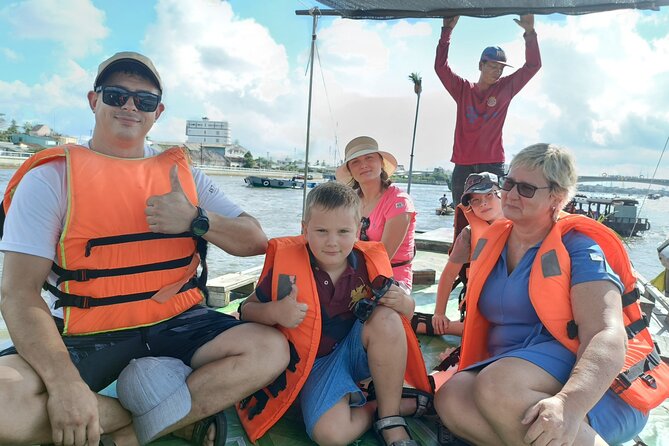
- Small-group format (max 12) means you’re more likely to get clearer answers from your guide, not just a stampede through photo stops.
- Ben Tre village time includes hands-on craft and food: coconut candy making, tropical fruit, and honey tea and honey wine.
- A real canal boat escape out of My Tho helps you see fish cages and floating houses, then slip into calmer water.
- Cai Rang floating market is the main daytime highlight, reached via a boat trip along Lower Mekong tributaries.
- Con Son adds variety with cốm nổ (sweet popped rice), areca trees, and a fruit garden where you can try fruit straight from the trees.
- Can Tho overnight (3-star) keeps you from needing a second late-night return to Ho Chi Minh City.
Day 1 in the Mekong: from Ho Chi Minh City to Ben Tre
This tour starts early, with pickup around 7:30–8:30 am from District 1 hotels or from the office at 203 Đề Thám, Phường Phạm Ngũ Lão, Quận 1. Expect about a 2-hour drive before you reach the first Mekong area, and plan to keep your phone charged. If you’re arriving late or forget a hat, you’ll feel it by midday.
The first day has the right mix for first-timers. You get the big-region icons—temple, Mekong river, village production—but you’re also given a quieter backwater experience rather than staying only in one place for hours.
You can also read our reviews of more shopping tours in Ho Chi Minh City

Vinh Trang Pagoda: a style-mix you’ll actually notice
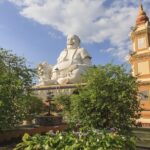
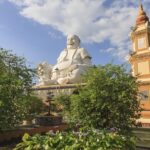
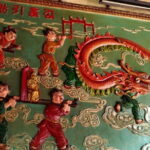
Before you reach the river, you stop at Vinh Trang Pagoda, a standout because it blends multiple architectural styles: Vietnamese, Chinese, European, and Khmer elements. Admission is free, and the timing is set so you get out, walk around, and still make the rest of the day work.
Practical note: a temple stop is a good reset after the morning drive. It also gives you a bit of cultural context before you start seeing the Mekong’s village economy up close.
My Tho boat ride: fish cages, floating homes, and quiet canals
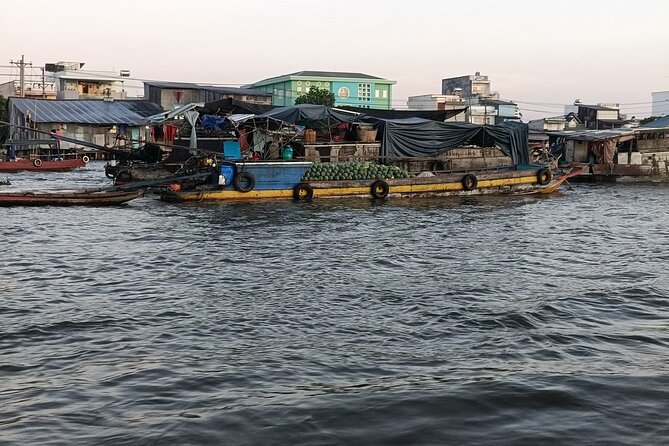
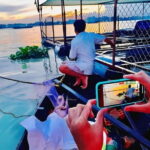
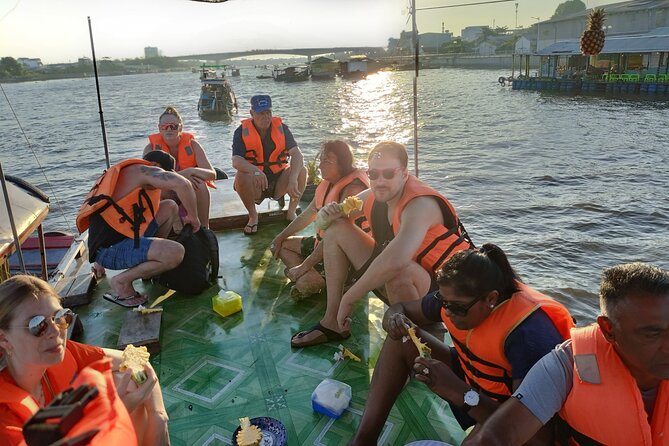
Once you reach My Tho, you head out on the river by boat. What’s especially useful here is the range of what you see: fish cages and floating houses on the water, then a trip into a small canal that helps you escape the thicker city feel.
The canal part matters more than you might expect. Big boats and busy areas can turn into just sightseeing. In quieter water, you tend to see how daily life works: the way families live near the river, how activity is tied to the water, and how the scenery shifts quickly from wide river views to narrower channels.
You also get a helpful reminder that this region isn’t a themed attraction. It’s a working river system, and the guide’s job is to point out what you’re looking at.
Ben Tre coconut village: candy, fruit, honey tea, and local music
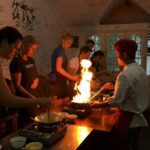
Ben Tre is where the tour slows down just enough to feel human-scale. You’ll visit a village coconut candy shop, learn how coconut candy is made, and see coconut-tree handicrafts. It’s not just watching from the edge—this stop is built for people who like understanding how everyday products are made.
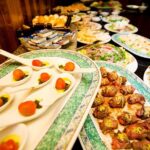
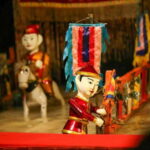
Then comes the food-and-culture stretch. You’ll walk around the village and get to taste tropical fruit, plus honey tea and honey wine. The cherry on top is Vietnamese traditional music performed by the villagers—short, local, and better than the kind of staged show that feels like it exists only for visitors.
If you’re picky about sweet drinks: sample first, then decide. The tour clearly aims to give you a variety of flavors, so you don’t have to commit to everything at once.
Can Tho overnight: what the 3-star hotel changes
You travel onward to Can Tho and stay overnight there (listed as a 3-star hotel). Getting that sleep break is part of why this works as a 2-day format. Without it, a Mekong “floating market + villages” plan often becomes one long grind.
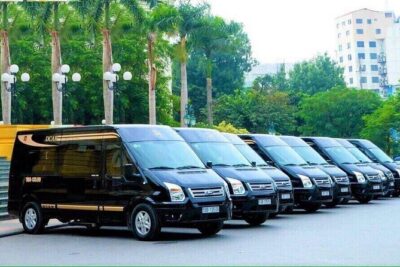
Also, the tour includes an air-conditioned vehicle, which is a big deal in Vietnam when the heat builds. You’ll still feel the outdoor humidity at some point, but the ride comfort helps you reset between river segments and land stops.
You can also read our reviews of more tours and experiences in Ho Chi Minh City
Cai Rang floating market: the lively Lower Mekong moment
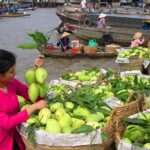
Day two includes a leisurely boat trip to explore tributaries of the Lower Mekong. Then you arrive at Cai Rang Floating Market, described as the most lively market in the region. The “why” is simple: this one pulls together lots of daily river activity in one place, so you can see boats and routines concentrated in a single flow.
What I like about doing it by boat rather than just walking near a market is that you get a different angle on how the market functions. You’re not just looking at boats—you’re moving with them, and it’s easier to grasp the geography of trade.
Timing matters too. You’ll be there during the day, when activity is easier to understand. If you love photos, focus on short bursts: one sweep of the market, then a few frames that show everyday details around the boats.
Con Son: popped rice (cốm nổ), areca trees, and a fruit garden
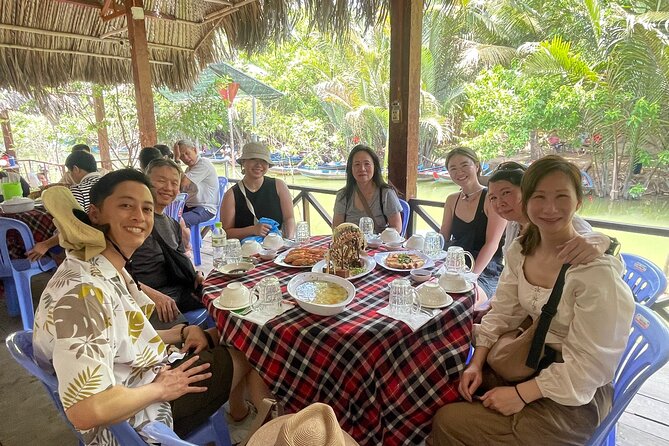
After the floating market, the schedule shifts into more small-experience land stops, and that’s a good balance. You’ll do a hands-on-feeling activity called making cốm nổ (sweet popped rice), then enjoy the result. There’s also time to check out areca trees and the village roads around Con Son.
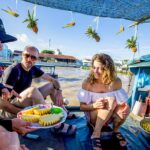
Then you move to the fruit garden. This part is great if you like practical, non-museum food time. You can take photos, check in, and enjoy fresh fruits directly from the garden, plus refreshing drinks.
If you’re the type who hates waiting in long lines for one snack, this is the opposite. It’s structured tasting and photo time, with a natural pace. Bring something simple for sun protection; fruit gardens are outdoors.
Munirangsyaram Pagoda: Cambodian Angkor-inspired architecture
The last listed temple stop is Munirangsyaram Pagoda, which features Cambodian Angkor architecture and many details tied to Khmer beliefs. This is a useful capstone because it connects the Mekong region’s cultural layers to what you’ve been seeing around the river life.
It also gives you one final “walk and look” stop after hours of boat time. Even if you’re not a temple person, the architecture angle helps keep it from feeling repetitive.
Transport, group size, and pace: what $95 buys you
This tour costs $95.00 per person. At first glance, that seems almost too low for a 2-day trip with transport, multiple meals, a hotel, and boat rides. Here’s the value logic that matters:
Included items:
- Air-conditioned vehicle
- Boat ride(s)
- Use of bicycle
- 1 night hotel in Can Tho (3-star)
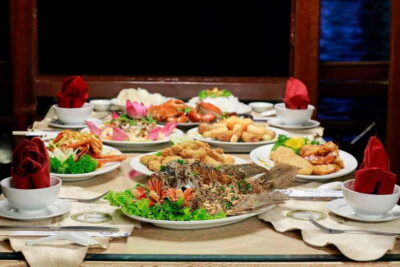
- Lunch twice and breakfast on day two
Not included:
- Dinner
- Beverages
- Tips
- Single supplement: 390,000 VND (for solo rooms)
So you’re not paying separately for most of the big-ticket items. You’re mainly paying for the “structure” that moves you between river areas and village experiences without you having to arrange transport yourself. The one predictable gap is dinner and drinks—budget for that, especially if you like ordering water or sodas with meals.
On pace: this is a busy day-by-day plan, and one possible drawback is how tight the transport can feel. In one shared experience, the bus was too small with limited seat space, so if comfort is your top priority, pack light and be ready for a snug ride.
Who should book this Mekong Delta tour
This is a strong fit if you want:
- A first-timer-friendly way to see My Tho, Ben Tre, Can Tho, and Cai Rang in only 2 days
- A tour that includes both river time and hands-on village food/crafts
- A small group (max 12) and a guide who can explain what you’re looking at (some guides on this route include people like Simon, Nam, Doàn, James, and Jimmy, depending on your departure)
It’s less ideal if:
- You dislike packed schedules
- You’re very sensitive to cramped vehicle seating
- You want long stretches of free time with no structure
Should you book Deluxe Mekong Delta Tour to Floating Market?
I’d book this if you’re trying to make the Mekong Delta count without spending days organizing logistics. The biggest reasons are practical: overnight in Can Tho, included meals, and two core experiences—canal cruising and Cai Rang floating market—plus village stops that add texture, like coconut candy making, honey tasting, cốm nổ, and a fruit garden.
Before you commit, ask yourself one question: can you handle a full, early start with a lot of moving parts? If yes, this feels like solid value for a short Vietnam stop. If not, you might prefer a slower, more spread-out option.
FAQ
How much does this tour cost?
The price is $95.00 per person.
What time does the tour pick me up?
Pickup is around 7:30–8:30 am. The start time listed is 7:30 am.
Where is the meeting point in Ho Chi Minh City?
The meeting point is at 203 Đề Thám, Phường Phạm Ngũ Lão, Quận 1, Thành phố Hồ Chí Minh 700000, Vietnam. Pickup is offered from District 1 hotels or the office.
Is the hotel included, and where do I stay?
Yes. You get 1 night in a 3-star hotel in Can Tho.
What meals are included?
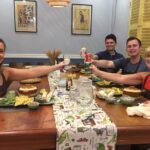
Lunch is included twice, and breakfast is included on the second day. Dinner is not included.
What transportation and activities are included besides the hotel?
The tour includes an air-conditioned vehicle, use of a bicycle, and boat rides.
What are the main highlights on day two?
Day two includes a boat trip along Lower Mekong tributaries and a visit to Cai Rang Floating Market. It also includes Con Son experiences and a visit to Munirangsyaram Pagoda.
How big is the group?
The tour has a maximum of 12 travelers.
Is there an extra cost for solo travelers?
Yes. There is a single supplement of 390,000 VND.
Does the tour run in any weather?
This experience requires good weather. If it’s canceled due to poor weather, you’ll be offered a different date or a full refund.