REVIEW · HO CHI MINH CITY
Ho Chi Minh City: Private City Tour Off the Beaten Track
Book on GetYourGuide →Operated by Withlocals · Bookable on GetYourGuide
Saigon has a second personality. District 6 (Quân 6) shows it, with a private guide and real local rhythm. I like how the tour mixes temples and everyday markets and then threads in street art and local stories so the neighborhood makes sense, not just looks pretty. A small consideration: it’s mostly walking, with occasional local transport, so comfortable shoes matter.
Meeting up at Ben Thanh Market (exit/gate 3), you head into an up-and-coming area that feels less “tour-brochure” and more “people living their lives.” You’ll taste fruit and drink Vietnamese coffee along the way, and your English-speaking guide will point out the small things you’d miss on your own. One drawback to plan around: it’s not suitable for people with mobility impairments or wheelchair users.
In This Review
- Key Highlights You’ll Care About
- District 6 (Quân 6): The Side of Saigon You Don’t See From Maps
- Starting at Ben Thanh Market (Exit/Gate 3): Easy to Find, Easy to Follow
- Ba Chien Hau Pagoda: A Calm Stop That Adds Meaning
- Binh Tay Market: Where Food, Daily Shopping, and Local Energy Meet
- Street Art and Side Streets: The Modern Face of Quân 6
- How a Private Guide Changes Everything (Hieu, Wind, Huyen Energy)
- Transportation and Timing: 3 Hours That Actually Fills Up
- Included Fruit and Coffee: Small Add-On, Real Value
- Who This Tour Is Best For (and Who Should Skip It)
- Price and Logistics: Is $47 Worth It?
- Should You Book This Private Off-the-Beaten-Track Tour?
- FAQ
- How long is the private city tour in District 6?
- Where do we meet for the tour?
- What are the main stops during the tour?
- What food and drinks are included?
- Is transportation included during the tour?
- Is this tour wheelchair accessible?
- What should I bring?
Key Highlights You’ll Care About
- District 6 (Quân 6): a trendy, growing neighborhood that stays off the main tourist route
- Ba Chien Hau pagoda: a spiritual stop that adds calm and context
- Binh Tay market: a front-row seat to local shopping and food culture
- Local street art + architecture: street-level details that make the area feel modern and lived-in
- Included fruit tasting and Vietnamese coffee: small costs covered, so you can focus on the walk
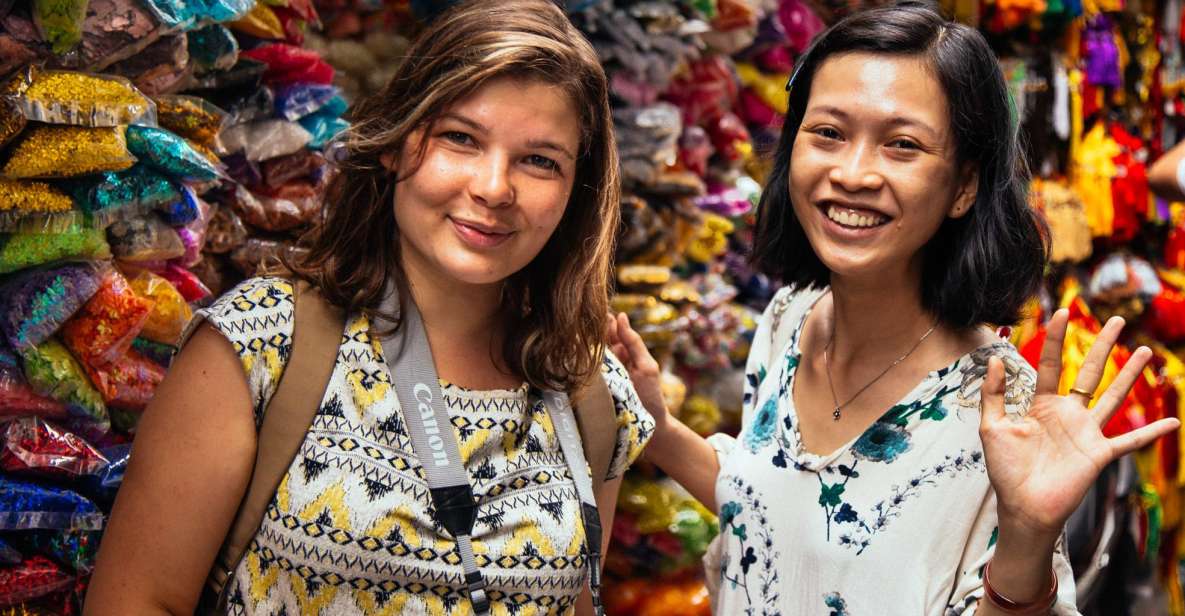
- Private, English-guided: tailored pacing, with real Q&A time
District 6 (Quân 6): The Side of Saigon You Don’t See From Maps
Ho Chi Minh City is easy to experience in neat layers: big landmarks, big viewpoints, big history stops. This tour flips the script. District 6 is the kind of place that makes you wonder why you ever spent time only near the usual sights.
What I like is the balance. You get a religious pause at Ba Chien Hau pagoda, then you move into street-level life at Binh Tay market. In between, there’s local street art and a slow look at architecture you’d normally walk past. The point isn’t to “collect sights.” The point is to understand how a neighborhood works—how people shop, chat, pray, and hang out.
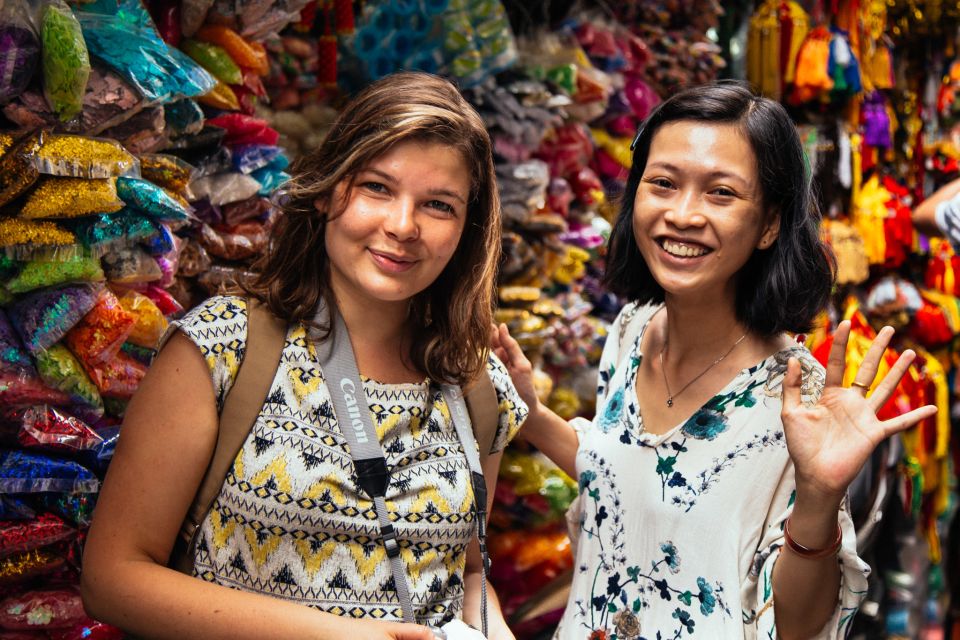
The other big win is your guide. In a good half-day, a local can connect dots fast: why certain streets feel this way, why markets matter, and how today’s street scene fits alongside older layers. Guides such as Hieu, Wind, and Huyen have a knack for making explanations feel practical, not like a lecture. You can ask questions and get answers that match what you’re seeing right then.
You can also read our reviews of more city tours in Ho Chi Minh City

Starting at Ben Thanh Market (Exit/Gate 3): Easy to Find, Easy to Follow
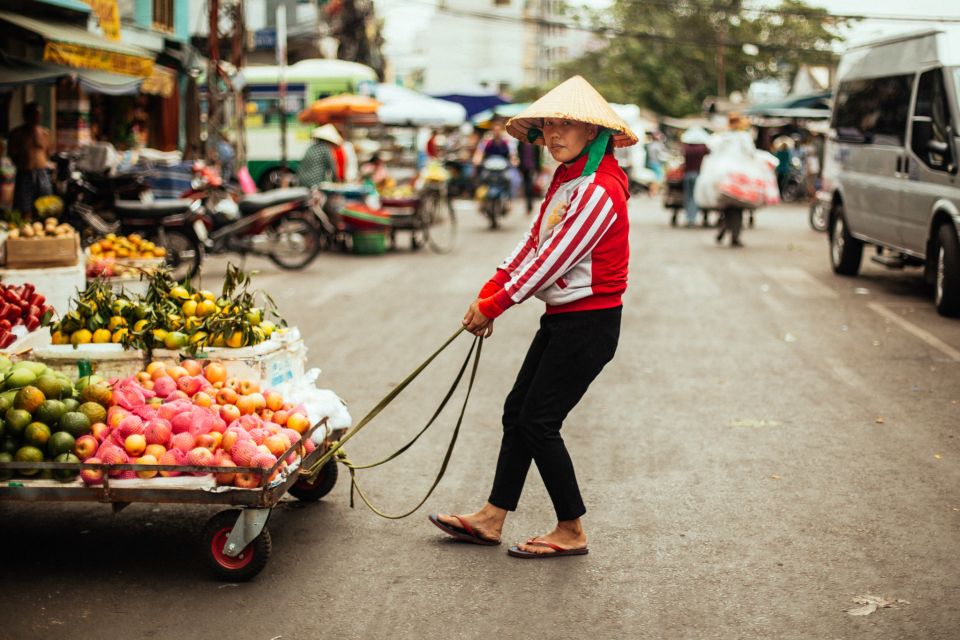
This tour starts and ends at the same spot: Ben Thanh Market, exit/gate 3. That matters more than it sounds. You’re not playing “where’s the pickup van” at the end of your walk. You just return to the starting point, and you’re back in a familiar area for grabbing a taxi or heading toward your next stop.
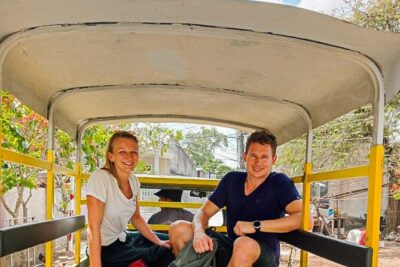
Expect a mix of foot time and local transport. In the experience’s past format, guides have used a local bus occasionally, so the walking is real but not nonstop. Still, the tour is marked as not suitable for wheelchair users or people with mobility impairments, which is your hint that the terrain can include sidewalks that are uneven or crowded.
My practical advice: wear shoes you’d use for a long city walk. District 6 is not the place to test new sneakers. If you’re traveling with any knee/foot issues, you’ll want to choose a different tour format.
Ba Chien Hau Pagoda: A Calm Stop That Adds Meaning
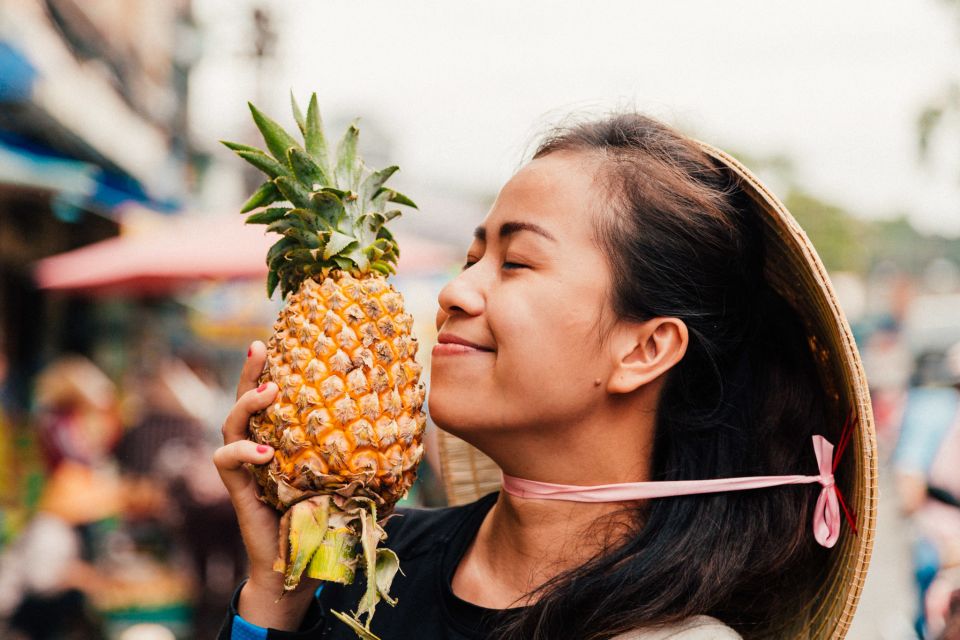
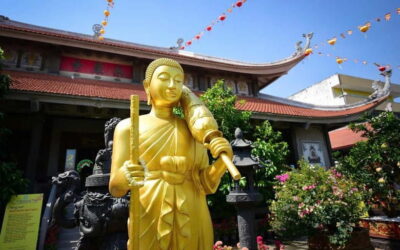
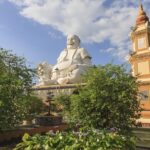
One of the smartest parts of this tour is starting the cultural context with Ba Chien Hau pagoda. Pagodas in Vietnam aren’t just “pretty buildings.” They’re active places where people come for prayer, family moments, and community routine. When you stop here, you’re not only seeing religion. You’re also learning how belief and daily life share space in the city.
Even if you’re not a big religion-history person, a pagoda stop does something useful: it slows you down. It gives you a mental reset before the market noise. And it gives your guide room to explain how locals interpret the neighborhood. In tours guided by people like Hieu and others on the route, the style is usually story-forward: you see a corner of the city, then you get the human explanation behind it.
Potential drawback: if you want a fast, purely street-food-focused route, a temple stop might feel like a pause. But in a 3-hour window, it’s a good use of time because it frames everything else you’re going to notice.
Binh Tay Market: Where Food, Daily Shopping, and Local Energy Meet
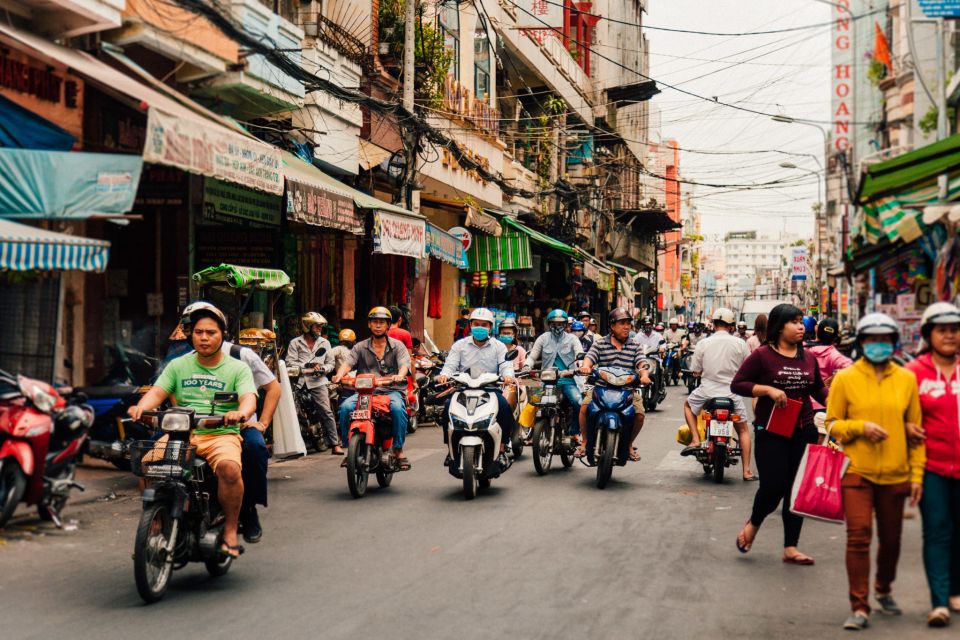
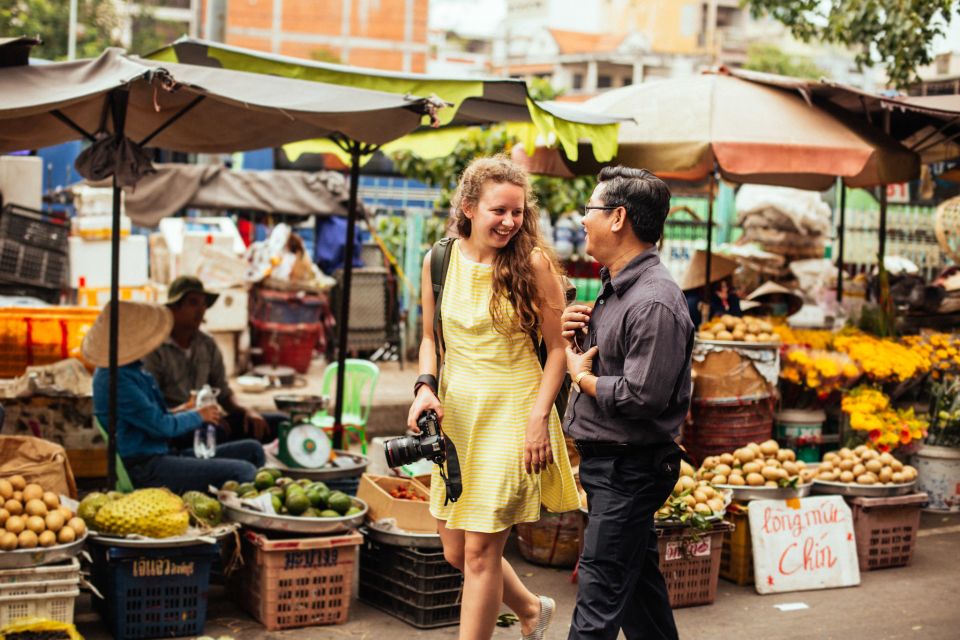
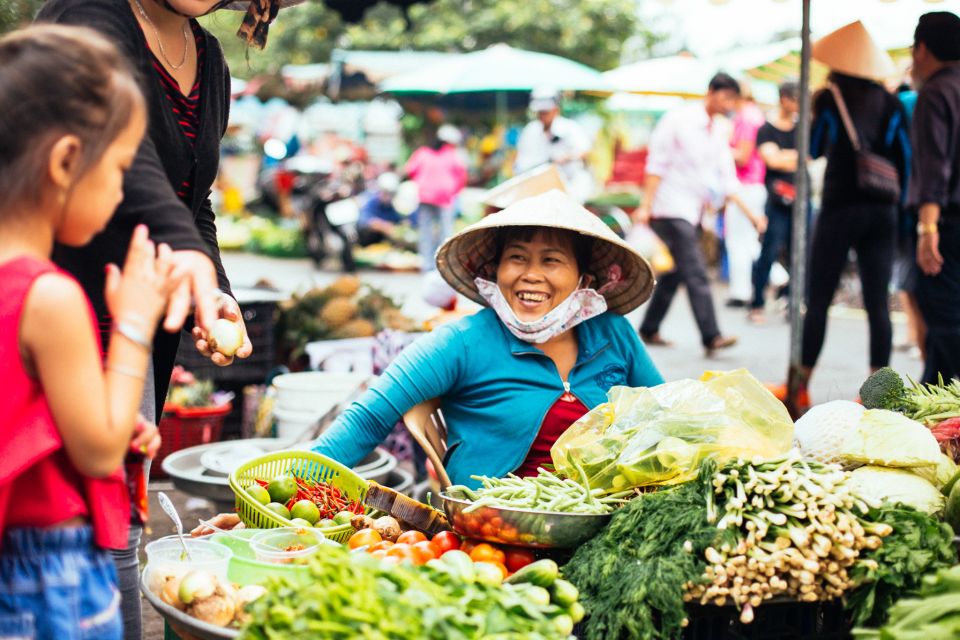
Next up is Binh Tay market. Markets like this are where you understand a city faster than any museum can teach you. You see what locals buy. You notice the pace. You catch the small signals—what people are carrying, how vendors talk, and how the space is organized for constant movement.
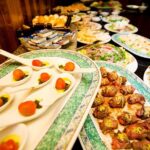
This tour also builds in treats. You get fruit tasting and Vietnamese coffee as part of the experience. That’s a practical value play: you’re not arriving at a market and then asking, what should I buy, what’s safe, what’s worth paying for. Your guide helps you connect the taste to the place, so you remember it as a moment, not just a snack.
One tip that helps: bring a relaxed curiosity. Don’t worry about feeling “in the way.” You’re there to learn. Your guide will manage the flow and point you toward what’s relevant.
A consideration: markets can be crowded and active. If you’re sensitive to busy spaces, keep your pace steady. You might not want to linger too long in the busiest aisles, but the whole point is seeing the market as locals experience it.
Street Art and Side Streets: The Modern Face of Quân 6
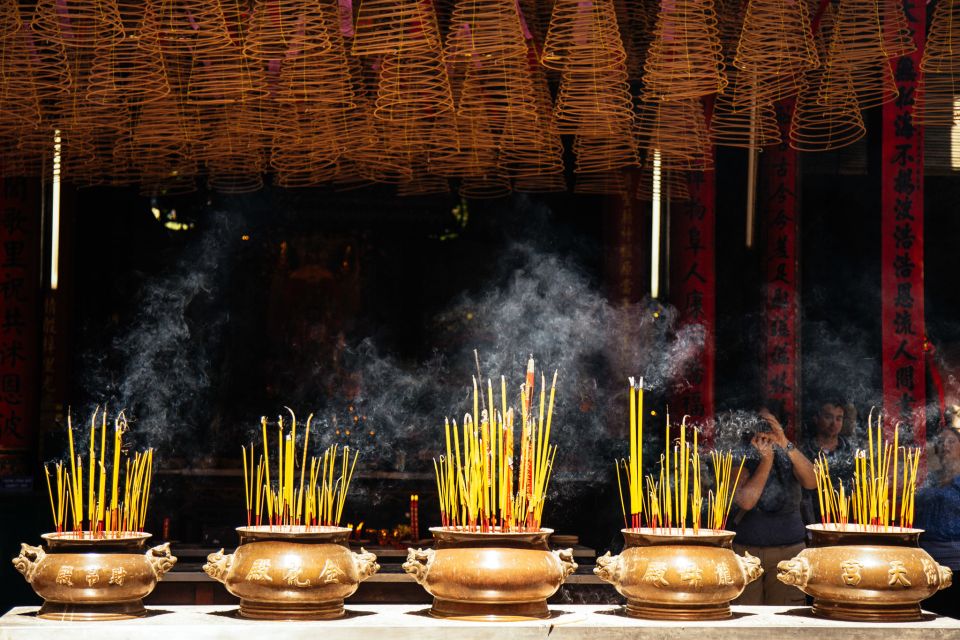
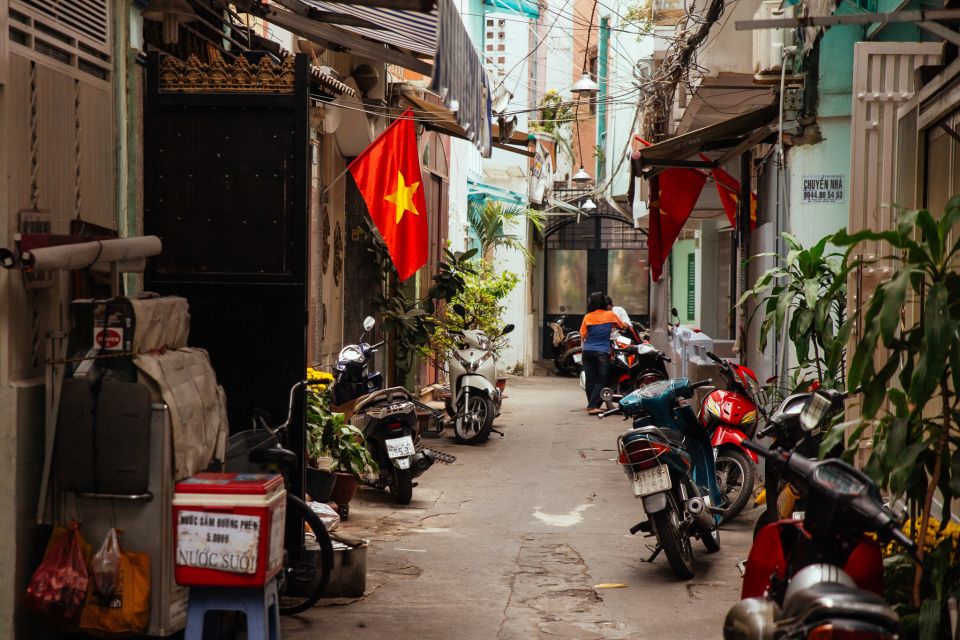
Between the pagoda and the market, and around them, you’ll encounter local street art and architectural gems—small details that give District 6 its personality. This is the part of the tour that feels freshest. It’s not just “old Vietnam” and it’s not just “new city.” It’s both at once, seen at street level.
Street art is a great example. Without a guide, you might treat it like decoration. With a guide, you often learn how murals connect to neighborhoods and identity, or how the city’s changing shape shows up on walls. Your guide’s job is to help you read the street like a page, not like background.
I also like how this part of the tour can shift your attitude. When you look at street-level architecture and the layout of smaller streets, you start to understand why certain areas feel comfortable to locals. It’s not only buildings. It’s the daily choreography.
If you like photography, this is also a good segment. Go for small scenes: doorways, street corners, and details near the art. Those are the shots that look real later, not the “from far away” ones.
You can also read our reviews of more private tours in Ho Chi Minh City


How a Private Guide Changes Everything (Hieu, Wind, Huyen Energy)
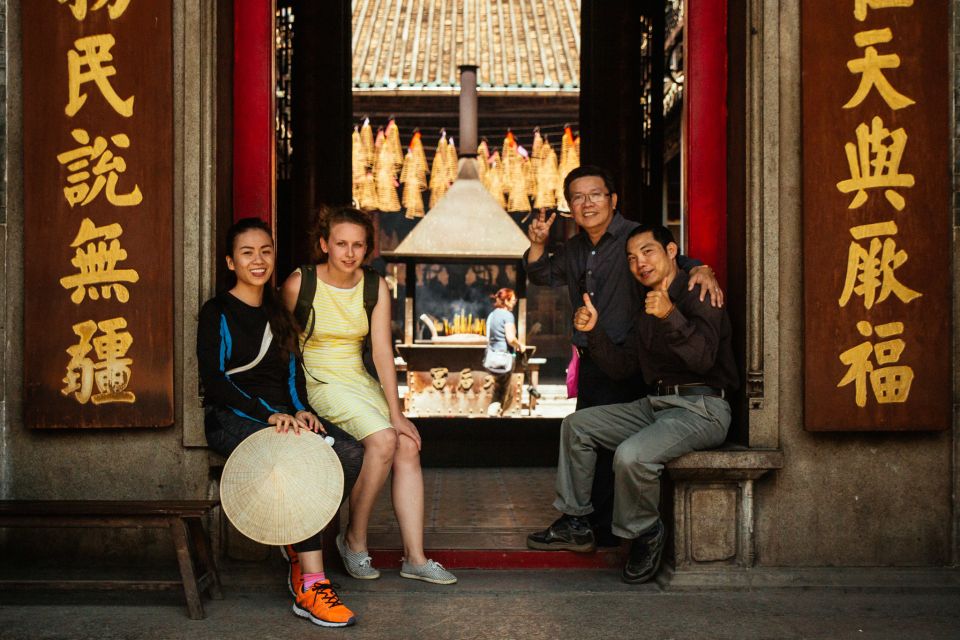
This is a private group tour with an English-speaking guide. That matters because you’re not stuck with a fixed pace or a one-size-fits-all script. A local guide can tailor the route if you have particular interests—food, history context, street details, or architecture.
From the experience’s past guides, Hieu, Wind, and Huyen show a consistent pattern: they’re interactive. They answer questions, they connect what you’re seeing to the everyday life behind it, and they offer practical food recommendations for after the tour. That last part is underrated. A good guide doesn’t only explain. They help you keep eating and exploring with confidence.
Here’s the best way to use the private format: ask good questions as you walk. Instead of waiting for one big Q&A at the end, ask things like:
- What’s happening here on normal days?
- What should I notice in the architecture?
- Where do people go next after the market?
And don’t be shy about food questions. Your guide can suggest what to look for based on what you’ve enjoyed in Vietnam so far.
Transportation and Timing: 3 Hours That Actually Fills Up
The listed duration is 3 hours, and it’s designed to fit into a half-day rhythm without wasting your daylight. Expect a mix of time on foot and short rides using included transport (like taxi and local transport tickets). This is important because District 6 is not a “one straight road” place. It’s spread out enough that local transport helps keep the tour efficient.
Price and time go together here. The tour is listed at $47 per person. For a private, English-guided route with transport support plus food and drinks, that price can feel fair—especially if you’d otherwise spend money on taxis and paid tastings. You’re essentially paying for local navigation, context, and a guided food moment. You’re also paying to save the mental load of figuring out what’s worth your time in an unfamiliar neighborhood.
If you’re traveling on a tight schedule, this is also a useful length. It’s long enough to learn something real, not long enough to exhaust you for the rest of the day.
Included Fruit and Coffee: Small Add-On, Real Value
Some tours include snacks as an afterthought. Here, the fruit tasting and Vietnamese coffee feel like part of the neighborhood experience rather than a checkbox.
I like this kind of inclusion because it reduces decision-making. Markets can be overwhelming if you don’t know what to try. Having food and drink included means you can focus on walking, asking questions, and noticing details instead of negotiating for what to buy.
Also, it keeps the tour feeling “local.” Coffee is not a museum drink. It’s a street-culture drink.
Who This Tour Is Best For (and Who Should Skip It)
This tour fits you best if you want:
- a private, English-guided way to explore District 6 (Quân 6)
- a mix of culture stops and street life (pagoda + market + street art)
- included tasting experiences (fruit and Vietnamese coffee)
- a guide who can recommend places to eat after the tour
You might skip it if:
- you need a wheelchair-accessible route (it’s not suitable for wheelchair users)
- you can’t handle walking on city sidewalks and busy market areas
- you want an itinerary with lots of major-ticket monuments (this is more neighborhood-focused than landmark-focused)
Price and Logistics: Is $47 Worth It?
Here’s the honest value check. You’re paying $47 per person for:
- a private guided experience in English
- included fruit tasting and Vietnamese coffee
- taxi and local transport tickets
- a focused route around District 6 stops like Ba Chien Hau pagoda and Binh Tay market
If you were to recreate this on your own, you’d likely spend time figuring out routes and you’d still need to pay for guided context and local food guidance. The transport support matters too. That’s money you don’t have to add later.
The main “cost” isn’t financial. It’s time on your feet. But if you can handle that, the package looks like good value.
Should You Book This Private Off-the-Beaten-Track Tour?
I’d book it if your goal is to see a side of Ho Chi Minh City that feels lived-in—without giving up comfort. This is the right choice when you like neighborhood texture: markets, small cultural stops, and street-level details.
My decision tip is simple: if you enjoy asking questions while you walk, and you’re okay trading a few minutes of guide explanations for a more meaningful neighborhood perspective, this tour is a strong match. If you want major sights only, or if mobility is an issue, choose something else.
Overall, this is a smart way to spend a few hours in District 6. You come away with a better sense of how people move through the city, not just what to photograph.
FAQ
How long is the private city tour in District 6?
The tour is listed as 3 hours.
Where do we meet for the tour?
You meet your host at Ben Thanh Market, exit/gate 3. The tour ends back at the same meeting point.
What are the main stops during the tour?
The tour includes Ba Chien Hau pagoda, Binh Tay market, and time to see local street art and architectural sights in District 6.
What food and drinks are included?
The tour includes fruit tasting and Vietnamese coffee.
Is transportation included during the tour?
Yes. The price includes taxi and local transport tickets.
Is this tour wheelchair accessible?
No. It is not suitable for wheelchair users and not suitable for people with mobility impairments.
What should I bring?
Wear comfortable shoes, since the tour involves walking.