REVIEW · HO CHI MINH CITY
Ho Chi Minh City Half Day or Full Day Tour
Book on GetYourGuide →Operated by Asian Travel Discovery · Bookable on GetYourGuide
If your Saigon time is tight, this route packs a lot into one day: French colonial sights, heavy museum time, Chinatown culture, then a river ride for skyline views. You’ll cover both the postcard side of Ho Chi Minh City and the places that explain how the city got here.
I especially like the classic architecture stops, from Independence Palace to the Central Post Office designed by Gustave Eiffel. I also like that the guide work can be a highlight, and one guide name you might hear in good experiences is Soli, who’s described as patient and clear.
The one drawback to plan for is logistics. Some departures can feel slow if pickup timing or Water Bus ticket handling gets messy, and clear English matters a lot (one experience called the English hard to understand).
In This Review
- Key points before you go
- French colonial Saigon and the quick-win itinerary
- Independence Palace: where history becomes architecture
- War Remnants Museum: powerful, not light
- Notre Dame Cathedral and Central Post Office: old-world postcard power
- Lunch breaks: simple and local, with flexibility
- Cho Lon and Binh Tay Market: Chinatown’s wholesale heartbeat
- Thien Hau Pagoda: incense, prayer, and a slower pace
- Saigon Water Bus from Bach Dang Wharf: skyline views without stress
- Getting the most from the guide (and what to watch for)
- What’s included, what’s not, and why $30 can still feel fair
- Who this tour fits best
- Should you book this half-day or full-day Saigon tour?
- FAQ
- How long is the Ho Chi Minh City tour?
- What’s included in the price?
- Do I pay entrance fees separately?
- What are the main stops on the itinerary?
- Where does the Water Bus ride start and what views will I see?
- What languages are available for the guide?
- Are toll fees or holidays extra?
Key points before you go
- French-era showpieces: Independence Palace and the Eiffel-connected Central Post Office
- The War Remnants Museum hit: plan for heavier content and photographs
- Chinatown time at Cho Lon: Binh Tay Market plus District 5 and 6 street energy
- Thien Hau Pagoda: an old temple in Chinatown dedicated to the Goddess of the Sea
- Saigon Water Bus from Bach Dang Wharf: skyline views from the river
- Guide quality varies: Soli gets strong praise; language clarity is a real factor
French colonial Saigon and the quick-win itinerary
Ho Chi Minh City can feel like a lot at once. Traffic, heat, noise, and a city that keeps changing every year. This tour is built for speed with structure: car for the daytime routes, then a Water Bus ride for the river perspective.
You’re looking at 4 hours up to about a full day depending on timing and the day’s schedule. That range matters. If you’ve got just a morning or you’re trying to fit this between other plans, you can choose the schedule that matches your energy level.
Value-wise, the price is about $30 per person, which is reasonable for a guided loop that includes hotel pickup (center of Saigon), air-conditioned transport, entrance fees, and a river ride. The cost starts to look even fairer when you realize you’re paying for time-saving logistics as much as sightseeing.
You can also read our reviews of more city tours in Ho Chi Minh City

Independence Palace: where history becomes architecture
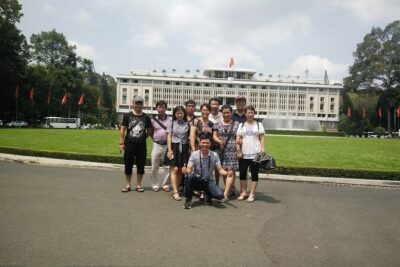
The day often starts at Independence Palace (Reunification Palace). This is not just a pretty building. It’s a symbol that helps you understand Vietnam’s modern story. You’ll walk grand rooms and also get pointed toward hidden chambers where leaders worked.
What makes this stop work for most visitors is the mix of styles and objects. You’re meant to notice the French-influenced design plus the practical details inside, including luxurious interiors and rare antiques. Even if you are not a history fanatic, it’s easier to connect the dots when you can see the spaces where decisions were made.
A small consideration: this is one of the “look slowly” stops. If you rush, you’ll miss the feel of the rooms. If your group tends to move fast, ask the guide to slow down just enough for the main areas.
War Remnants Museum: powerful, not light
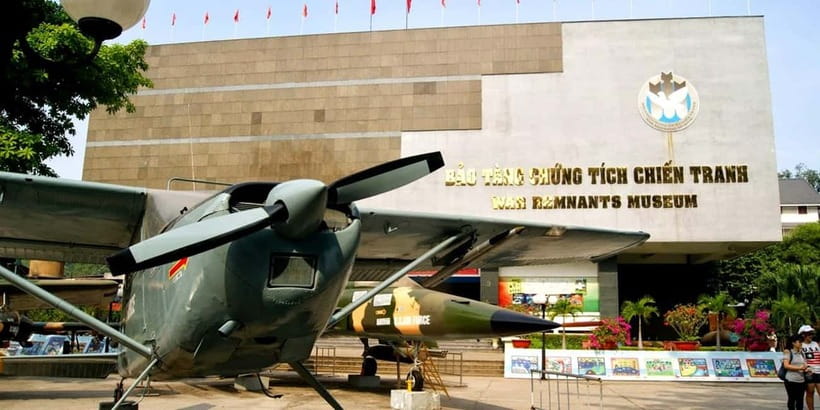
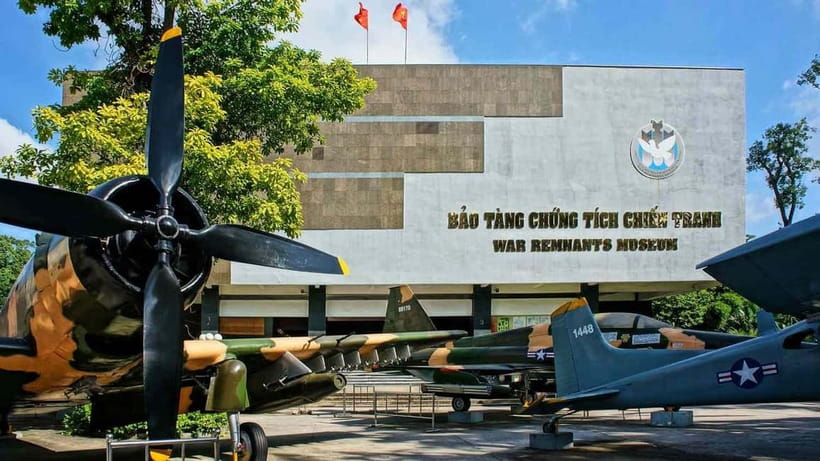
Next comes the War Remnants Museum, which is where the tour shifts tone. Expect exhibits, photographs, and wartime artifacts that are meant to carry the pain and loss Vietnamese people endured, along with stories of courage.
This is a stop where you should match your pace to your mood. Some people want to read every label. Others just need to see the main exhibits and move on. Either approach is fine as long as you give the room what it needs: attention.
If you tend to avoid intense museum content, I’d still include this stop, but plan your timing. Don’t schedule this when you’re already exhausted from jet lag or a long day of walking. You’ll feel the emotional weight more than you expect.
Notre Dame Cathedral and Central Post Office: old-world postcard power
After the museum, the tour swings back toward classic city landmarks.
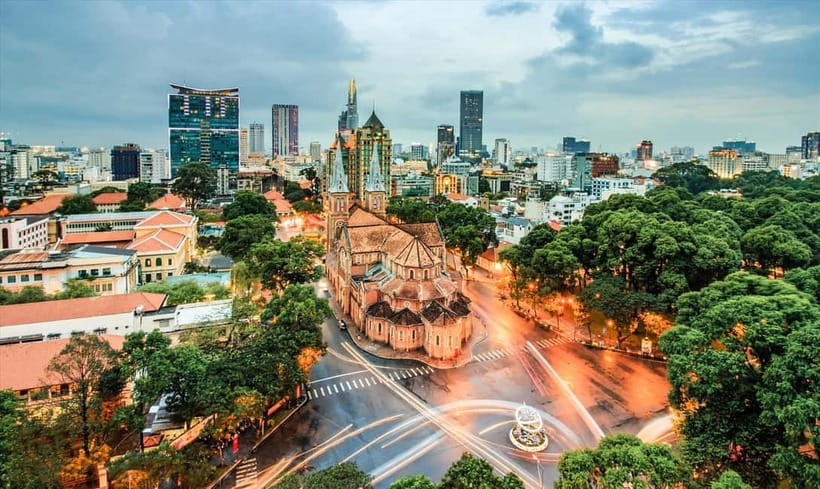
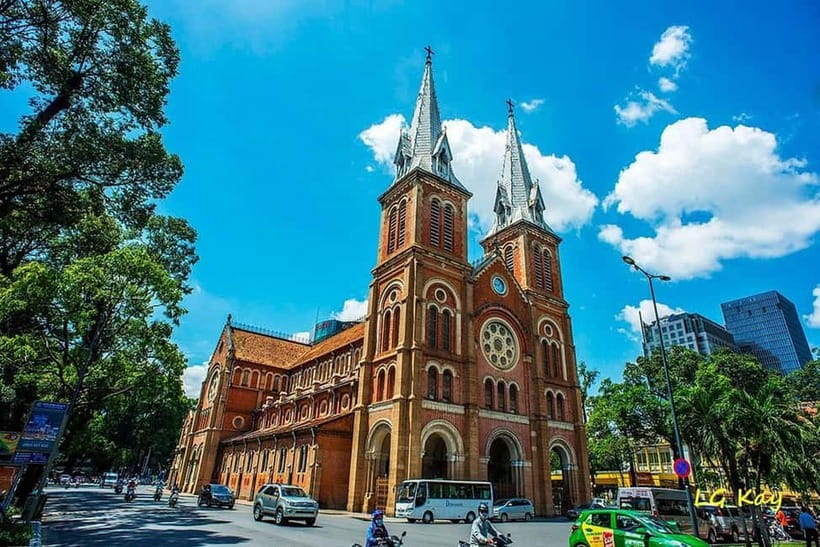
First is the Saigon Notre Dame Cathedral, also called the Cathedral of the Virgin Mary. It’s loved by locals, and it’s also a common spot for wedding photos. The point here is not the wedding part—it’s the fact that this cathedral has been standing for over a century, and you’ll see how it fits into the surrounding city.
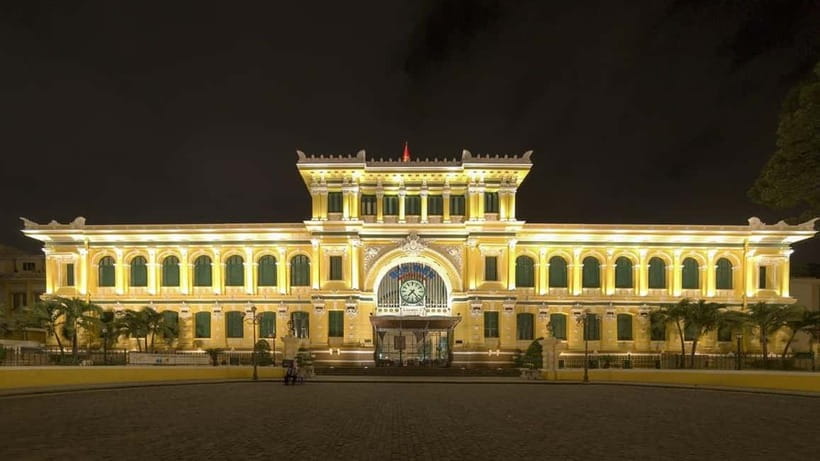
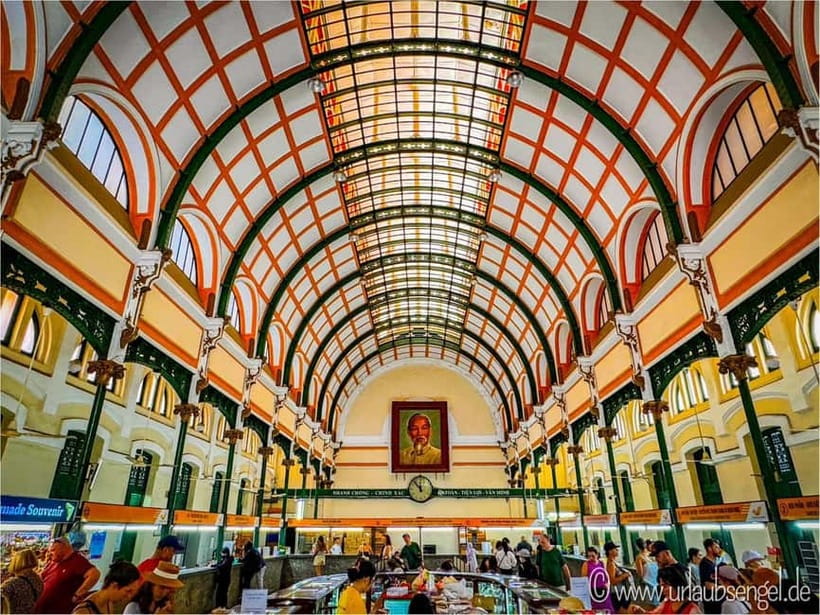
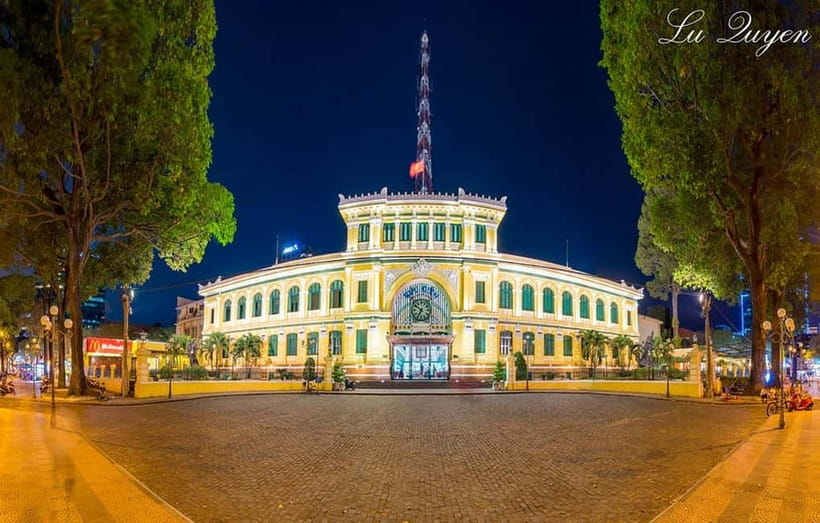
Then you head to the Saigon Central Post Office, designed by Gustave Eiffel. That connection is a big deal. The building’s ornate French colonial architecture and detailed patterns feel like a snapshot from another era. You also get a chance to slow down at a place that is functional as well as historic, which makes it easier to connect the building to everyday life.
One practical tip: bring patience for photos. This area is popular, and you’ll often find people lingering. If you care about getting a clean shot, aim for angles that include architecture details, not just crowds.
Lunch breaks: simple and local, with flexibility
Between the morning landmarks and the Chinatown segment, there’s time for Vietnamese lunch at a local restaurant. Lunch is listed as optional, which matters if you’re trying to keep the schedule tight or you have dietary preferences.
This is also a useful moment to reset. You’ve had museum time and architecture time; a meal helps you transition into sensory overload mode for Chinatown markets.
If you skip lunch, you’ll still be covered for bottled water on the car, but you’ll want to plan how you’ll handle energy until the afternoon activities.
You can also read our reviews of more tours and experiences in Ho Chi Minh City





Cho Lon and Binh Tay Market: Chinatown’s wholesale heartbeat
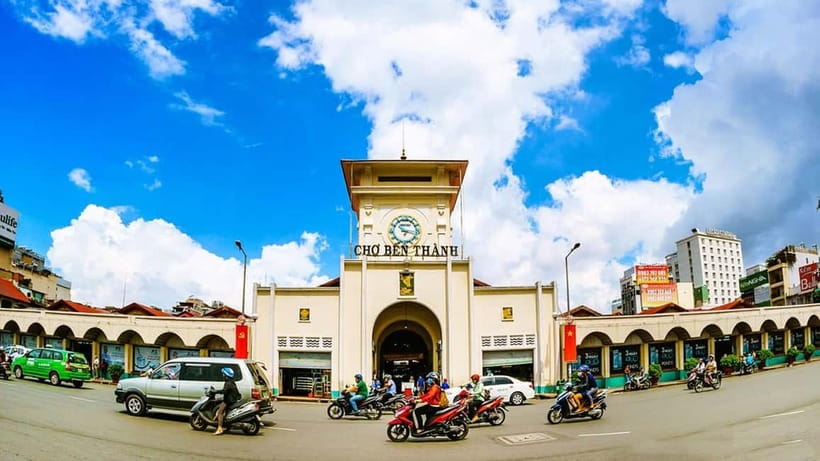
The afternoon heads to Cho Lon and the Binh Tay Market in Chinatown, specifically around Districts 5 and 6. This stop focuses on how people live and trade, not just on sightseeing.
Binh Tay is described as the city’s most famous wholesale market. That means the vibe is less about souvenirs and more about movement: stalls, inventory, and the rhythm of commerce. You’ll walk among active stalls and see how the Vietnamese-Chinese community has shaped the area for generations.
What I like about this market stop for visitors is that it gives you cultural context in a practical way. Markets teach you how a city thinks about daily needs. You’ll come away with a better feel for why certain neighborhoods have the reputation they do.
If you are sensitive to crowds or strong smells, treat this as a walk-through, not a stay-for-hours stop. Spend enough time to see the variety, then move with the group.
Thien Hau Pagoda: incense, prayer, and a slower pace
After the market, the tour visits Thien Hau Pagoda, one of Chinatown’s oldest and most sacred temples. It’s dedicated to the Goddess of the Sea, and the halls are described as incense-filled.
Locals come to pray for peace, luck, and prosperity. That detail matters because it turns the pagoda from a photo stop into a human one. Even if you don’t follow the rituals, you’ll feel what people are asking for when you see the ways they gather.
The “why this works” part: you get contrast. Markets are noisy and practical. A pagoda is about stillness and belief. You’ll likely leave Chinatown feeling like you understood it from more than one angle.
A consideration: temples can be warm and busy during peak times. Wear comfortable shoes and give yourself a moment to just observe before you start taking photos.
Saigon Water Bus from Bach Dang Wharf: skyline views without stress
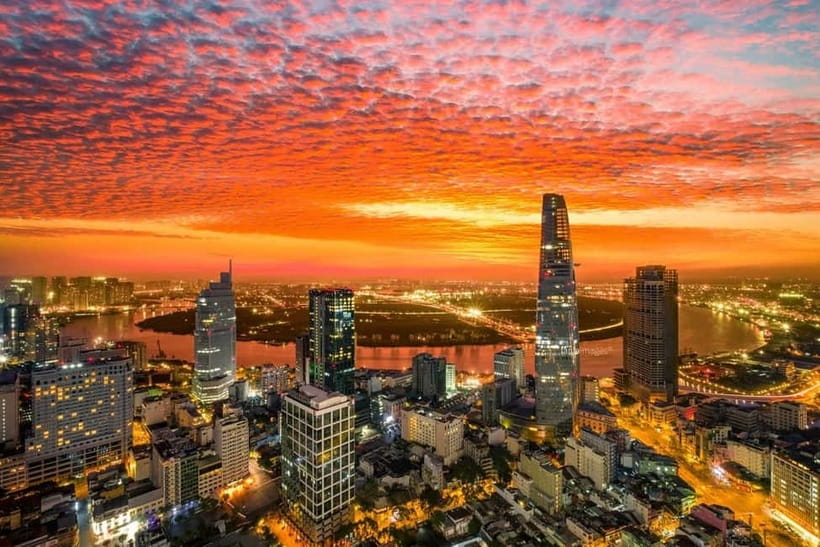
To end the day, the tour brings you to Bach Dang Wharf for a ride on the Saigon Water Bus. This is one of those experiences that changes how you see the city instantly.
You glide along the Saigon River, passing major landmarks like Landmark 81 and Thu Thiem Bridge. The important idea here is perspective: you’re not just looking at the city from the street. You’re watching the city reshape itself along the riverfront.
It’s also a break from the car and the heat. Even if you don’t care about boats, the ride is a low-effort way to get a strong set of views.
Now the practical warning: Water Bus timing and ticket handling can make or break the flow. A review experience described long waits when river tickets weren’t organized well. So when you board, keep an eye on the schedule and ask the guide for clear instructions at the start, especially about when to arrive at the wharf.
Getting the most from the guide (and what to watch for)
A guided day succeeds or fails with communication and pacing. You’ll have an English-speaking guide for this option, and the tour also lists multiple languages. If you’re traveling with a group that needs another language, there can be a surcharge.
From real experiences, one guide name that came up in a great way is Soli, praised for clear explanations and patience. Another guide mentioned is Tuco from TNK travel, who was described as doing a good job. That’s your cue: when the guide is well matched to the group and language, the whole day feels smoother.
Here’s what I recommend you do to avoid common friction:
- Confirm the meeting details early and keep them easy to access on your phone.
- Arrive a few minutes ahead of pickup time so you’re not relying on last-minute coordination.
- If your English is limited, ask questions at the beginning when it’s easiest to clarify.
Some people run into confusion when bookings involve third-party messaging and multiple updates. So treat your confirmation details as the source of truth and follow the guide instructions you receive for the exact meeting point and timing.
What’s included, what’s not, and why $30 can still feel fair
Included highlights:
- Pick up and drop off at the center of Saigon
- Friendly tour guide, English speaking (or surcharge for other languages)
- AC car
- Entrance fees
- Bottled water on the car
- Lunch is listed as optional
Not included:
- Toll fees
- Any add-ons not mentioned
- Surcharge for holidays in Vietnam
So where does the value come from? You’re not just paying to see places. You’re paying for:
- Transportation across multiple neighborhoods
- Entrance fees handled for you
- A structured route so you’re not guessing how to connect the dots
- A Water Bus ride that is a nice change from road travel
At $30, that’s a pretty good deal for many visitors, especially if it saves you time. If you were planning to DIY this, you’d still need transport and tickets and you’d spend a lot of time working out routes across the city.
Who this tour fits best
This tour is a strong match if you want:
- A one-day overview of Saigon that includes both major landmarks and Chinatown
- A guided structure that helps you handle distances and timing
- A mix of tones: architecture, a heavy museum, then temples and markets, ending with river views
It’s also a good fit for first-time visitors who want a guided intro but don’t want to spend a full day doing only one neighborhood.
Where it may not fit:
- If you hate intense historical content, the War Remnants Museum could be too much.
- If you need perfectly smooth logistics, plan for a bit of variability around pickup and Water Bus timing.
Should you book this half-day or full-day Saigon tour?
Book it if you want a guided best-of that covers Independence Palace, the War Remnants Museum, French colonial landmarks, Chinatown stops, and a Saigon River Water Bus ride. The itinerary gives you contrast, and the included transport plus entrance fees make the price easier to justify.
Don’t book if you are very schedule-sensitive and cannot handle the possibility of waiting around during river boarding. In that case, consider other options where timing is simpler—or at least be ready to adjust your next plan.
If you do book, set yourself up for success: wear comfortable shoes, take your time at the palace and post office, and give the museum its due. Then enjoy the river ride—because from the water, Saigon looks like a city in motion.
FAQ
How long is the Ho Chi Minh City tour?
The duration ranges from 4 hours to 1 day, depending on the starting time and schedule. You’ll need to check availability to see the exact options.
What’s included in the price?
Pickup and drop-off in central Saigon, a tour guide, an English-speaking guide option (with surcharges for other languages), an AC car, entrance fees, and bottled water on the car are included. Lunch is optional.
Do I pay entrance fees separately?
No. Entrance fees are included in the tour.
What are the main stops on the itinerary?
The tour includes Independence Palace (Reunification Palace), the War Remnants Museum, Saigon Notre Dame Cathedral, Saigon Central Post Office, Chinatown at Cho Lon and Binh Tay Market, Thien Hau Pagoda, and a Saigon Water Bus ride from Bach Dang Wharf.
Where does the Water Bus ride start and what views will I see?
The Water Bus ride starts at Bach Dang Wharf. From the river, you pass sights like Landmark 81 and Thu Thiem Bridge, which gives you a different view of the city.
What languages are available for the guide?
English is listed, and the tour also offers guides in Chinese, French, Japanese, Italian, Spanish, Korean, German, and Russian. A surcharge may apply for languages other than English.
Are toll fees or holidays extra?
Toll fees are not included. There may also be a surcharge for holidays in Vietnam.