REVIEW · HO CHI MINH CITY
Ho Chi Minh City: Dried Flower Art Workshop in Saigon
Book on GetYourGuide →Operated by VIVA VIETNAM · Bookable on GetYourGuide
Saigon quiets down for an hour. In Ho Chi Minh City, this 1-hour dried flower art workshop is all about slow, satisfying hands-on crafting away from the street noise. You’ll use real dried flowers to build something you can actually use, not just look at.
I especially like the calm, creative pace and how the instructor keeps things simple for beginners. You also get a real choice between a practical floral coaster and a decorative art frame, which makes it easier to pick the kind of keepsake you’ll enjoy using back home.
One thing to keep in mind: the final look can vary. The materials list mentions resin, but you may want to double-check the resin/finish method, and if you’re hoping for specific design details shown in photos, ask what’s included for your session.
In This Review
- Key highlights you’ll care about
- A calmer corner of Saigon: how the hour is paced
- Choose your project: coaster or dried flower art frame
- Floral coaster
- Dried flower art frame
- Which one is better for you?
- The craft process: choosing, arranging, and finishing flowers
- 1) Choose and combine dried flowers
- 2) Arrange for a balanced design
- 3) Fix and finish for long-lasting display
- 4) Take your finished piece home
- Materials and the resin question: what’s actually in your finish
- English-led guidance for complete beginners
- What $20 gets you in Ho Chi Minh City
- Timing and logistics: make it fit your Saigon day
- Who should book this workshop (and who might not)
- Should you book? My practical take
- FAQ
- How long is the dried flower art workshop in Saigon?
- How much does the workshop cost?
- What can I make during the workshop?
- Is the workshop beginner-friendly?
- Is the instructor available in English?
- What’s included in the price?
- Is transportation included?
- Do I need to bring any supplies?
- Can I cancel for a refund?
- Can I reserve and pay later?
Key highlights you’ll care about
- Real dried flowers, arranged by color, size, and texture
- Two project styles: coaster for daily use or framed art for display/gifts
- English instruction from a local craft teacher who guides the steps
- All-in materials provided, so you’re not hunting supplies
- A slower break from busy Saigon, with tea or water included
A calmer corner of Saigon: how the hour is paced
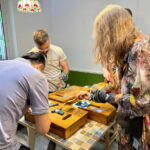
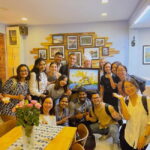
This is one of those activities that feels like it was designed for your brain to exhale. The workshop runs for about 1 hour, and the setting is meant to be quiet and creative rather than rushed. It’s a small-group format, so you’re not lost in a crowd or stuck waiting for attention.
You’ll start by getting oriented and then move quickly into the fun part: choosing materials and building your composition. Tea or water comes along for the ride, which sounds minor until you realize you’re settling in for a craft session, not sprinting through another stop on your list.
The practical advantage here is focus. Saigon can be nonstop—busy streets, constant movement, and sensory overload. This activity gives you one clear task, one steady flow, and a finished keepsake at the end.
You can also read our reviews of more city tours in Ho Chi Minh City

Choose your project: coaster or dried flower art frame
You’ll pick between two outputs, and that choice affects what you’ll do during the session.
Floral coaster
If you choose the coaster, you’re basically making something pretty and usable. The materials you assemble become a design you can set on a table—morning coffee, bedside tea, or a small reminder of your trip when you host friends.
This option is also a smart pick if you want a more compact project. With a coaster, the “finish” needs to look tidy because it’s meant to be handled and used, day after day.
Dried flower art frame
If you choose the art frame, you’re making something more display-oriented. It tends to feel a bit more like classic wall décor: an arrangement meant to be looked at, not reached for constantly.
This is a great option if you’re buying souvenirs for someone whose home needs color, or if you want your finished piece to feel a little more like an artwork rather than a functional object.
Which one is better for you?
- Pick coaster if you want practical and easy to travel with.
- Pick frame if you want display value and gift-friendly décor.
You can also read our reviews of more tours and experiences in Ho Chi Minh City





The craft process: choosing, arranging, and finishing flowers
The core of the workshop is learning how to make a good layout with dried flowers—color, size, texture, and balance. Even if you’re not the artsy type, the structure helps you avoid that blank-page panic.
Here’s what your hour typically looks like, step by step:
1) Choose and combine dried flowers
You’ll select dried flowers based on color, size, and texture. This part is more important than it sounds. Different dried petals can look similar at first glance, but their shape and thickness change the overall look.
In practice, this is where you start building your “visual palette.” Your instructor shows you how to think in layers and contrasts, not just in picking pretty pieces.
2) Arrange for a balanced design
Next comes arranging. The goal is a composition that feels intentional—flowers placed so the design doesn’t look lopsided or cluttered.
You’re learning the craft logic behind good-looking results: where to place focal pieces, how to spread smaller elements, and how to keep negative space from becoming a mess.
3) Fix and finish for long-lasting display
Then you move to finishing. Your project is designed to last, which is why fixing and finishing steps matter. Depending on your specific materials and method for that session, you’ll use finishing components intended to protect and set what you arranged.
The good news: since the materials are prepared in advance, you’re not stuck with complicated prep. You’re focusing on arrangement and final steps, which is what makes the workshop feel doable in just one hour.
4) Take your finished piece home
At the end, you’ll take home one finished product—either the coaster or the framed art. This is one of the strongest values of the workshop: you’re not paying for instruction alone. You’re leaving with something you’ll remember because you built it with your own hands.
Materials and the resin question: what’s actually in your finish
The activity info says materials include resin, molds, frames, and tools, plus dried flowers and other supplies. That suggests a certain kind of protective, glossy (or at least set) finish.
But there’s a real-world consideration. Some sessions can end up with a simpler finish, like dried flowers assembled on a base disc, then given a light decorative touch afterward. In other words, the final look you get might not match every photo perfectly.
So here’s my practical advice: if resin is a key part of what you want—gloss, coating, or a specific style—message or ask the organizer before you go what the finishing step is in your exact workshop. You’ll avoid disappointment if your session uses a different setup than you expected.
Either way, the goal is still the same: a durable keepsake made from real dried flowers. Just don’t assume every session uses the exact same finish layer or decoration style.
English-led guidance for complete beginners
This is comfortably beginner-friendly. You don’t need prior art experience, and the workshop is guided by a local craft instructor in English.
What I like about this teaching style is that it focuses on clear, visual decisions: which flowers work together, how to arrange them so it looks balanced, and what to do for the final set. Instead of turning the class into a lecture, you’re guided as you build.
Also, because the materials are already prepared, you spend your time making—not prepping. For a 1-hour activity, that matters. You want momentum, not a long setup.
If you’re the kind of traveler who likes your activities hands-on but doesn’t want a complicated course, this fits well.
What $20 gets you in Ho Chi Minh City
At $20 per person, the price is reasonable because you’re not just paying for time. You’re paying for all the parts that would normally cost you effort and money: dried flowers, resin and/or finishing supplies, molds, frames, and the tools.
On top of that, you get:
- A guided instructor
- Materials ready to use
- Tea or water
- One finished coaster or art frame to take home
The value math is strong for souvenir-seekers. Souvenirs can be expensive in Saigon if you’re browsing randomly. Here, you’re paying for a crafted item that’s tied to your choices—colors and layout—so it feels personal rather than mass-produced.
If you’re traveling light, the coaster option is often easier to pack than bulkier items. If you’re shopping for gifts, the framed artwork can feel more special because it’s clearly meant for display.
Timing and logistics: make it fit your Saigon day
Transportation isn’t included, so you’ll need to plan how you’ll get there on your own. The workshop’s duration is short—about one hour—so it can slot into your schedule without eating an entire day.
Here’s how I’d plan it:
- Pick a time when you’re not rushing right before or after a long meal or a major tour.
- Give yourself a little buffer for travel, because craft workshops don’t like late arrivals.
- If you have another activity nearby, cluster them by neighborhood so you’re not crossing the city twice.
Also, because the instructor is English and the experience is small-group, show up with a calm attitude. This isn’t a performance class—you’ll do best if you let the process slow down your pace.
Who should book this workshop (and who might not)
This is a great fit if you:
- Want a peaceful, creative break from Saigon traffic and noise
- Like practical souvenirs (coaster) or display-worthy décor (frame)
- Enjoy guided DIY where you get structure and help choosing materials
- Travel as a couple, solo, or with a friend and want a low-pressure activity
It may be less ideal if you:
- Expect a highly standardized look identical to promotional photos
- Care deeply about a specific resin-heavy finish style (ask what’s used in your session)
- Want a longer, multi-step workshop with more advanced techniques
In short: if you want a relaxing hour and a finished keepsake, you’ll likely be happy. If you’re chasing a very specific final aesthetic, do a quick check first.
Should you book? My practical take
I’d book this workshop if you want a calm, beginner-friendly creative activity with real materials and a tangible result at the end. The price makes sense because everything needed to create your piece is included, and you leave with one finished coaster or framed artwork.
Before you go, I’d do two quick sanity checks:
- Ask whether your session uses resin in the way you’re expecting, if that matters to you.
- Confirm what kinds of decorative elements or text-style details are available, especially if you have a photo you’re trying to match.
If you want something personal, made with your own arrangement choices, in an hour that feels like a reset button in the middle of Saigon, this is a strong option.
FAQ
How long is the dried flower art workshop in Saigon?
The workshop lasts about 1 hour.
How much does the workshop cost?
It costs $20 per person.
What can I make during the workshop?
You can choose between a floral coaster or a dried flower art frame.
Is the workshop beginner-friendly?
Yes. It’s designed to be easy and fun for beginners with no prior experience needed.
Is the instructor available in English?
Yes, the instructor speaks English.
What’s included in the price?
All materials are included, such as dried flowers, resin, molds, frames, and tools, plus guidance from the local craft instructor and tea or water. You also take home one finished product.
Is transportation included?
No, transportation isn’t included.
Do I need to bring any supplies?
No. Materials and tools are provided as part of the workshop.
Can I cancel for a refund?
Yes. You can cancel up to 24 hours in advance for a full refund.
Can I reserve and pay later?
Yes. You can reserve now and pay later.