REVIEW · HO CHI MINH CITY
From Ho Chi Minh: 2D Mekong, Floating Market-authentic trip
Book on Viator →Operated by Fabulous Mekong Eco Tours · Bookable on Viator
A real Mekong Delta morning starts early. I like how this small-group plan strings together boats, farms, and food, instead of doing floating-market photos and rushing off. I also love the eco-bent stops—Lung Ngoc Hoang Nature Reserve plus a cocoa farm and Son Islet—so the trip feels rooted in how people actually live with the water. The main drawback to weigh: it runs on early start times and boat schedules, so good weather matters and you’ll feel it in your wake-up alarm.
You’ll get plenty of local color without feeling like you’re stuck in a big bus circuit. Guides such as Thi (praised as caring, funny, and relaxed) and Edward (noted for knowing local plants, fruits, and products) can make the day feel human, not scripted. If you’re hoping for total free time, note that the itinerary is fairly structured and packed across both days.
In This Review
- Key things I’d circle on this Mekong Delta trip
- From Ho Chi Minh City to Can Tho: setting the pace (and the expectations)
- Lung Ngoc Hoang Nature Reserve: boat glide, birds, and rice field calm
- Cai Rang Floating Market at sunrise: the pineapple boat stop and river breakfast
- Phong Điền noodle-making and village steps: learning food the slow way
- Muoi Cuong cocoa farm and the road to Son Islet: chocolate that starts in the soil
- Son Islet on the Hau River: fruit picking, cake making, fish ponds
- Price and value: what $218.50 covers (and what you should budget)
- Who this Mekong Delta eco trip fits best (and who might not love it)
- Booking checklist before you go
- Should you book this 2-day Mekong Floating Market eco trip?
- FAQ
- How long is the Mekong Delta floating market eco trip?
- Where does the tour start in Ho Chi Minh City?
- Is pickup included?
- What is included in the price?
- How many people are in the group?
- Which floating market do you visit?
- Do you do any sunrise activity?
- What food experiences are part of the tour?
- Is the cacao farm stop included?
- What should I bring or plan for since insurance and tips are not included?
Key things I’d circle on this Mekong Delta trip
- Sunrise Cai Rang Floating Market timing, starting from Ninh Kieu Wharf for the morning flow
- Lung Ngoc Hoang Nature Reserve boat + birdwatching, with rice fields on Day 1
- Pineapple boat stop with a quick chat with vendors on river life
- Phong Điền rice noodle house where you can see colorful noodles made by hand
- Muoi Cuong cocoa farm with an explanation of chocolate-making and cacao milk
- Son Islet activities like organic fruit picking (seasonal), cake making, and fish ponds
From Ho Chi Minh City to Can Tho: setting the pace (and the expectations)
The tour begins in Ho Chi Minh City at 9:00 AM, then moves by car or bus toward Can Tho. Pickup is offered, and you can also choose a private car option, which can be a relief if you want less fuss in the morning. The trip includes one night in Can Tho, so you’re not doing the long haul back and forth in one day.
What I like about this setup is the pacing: Day 1 doesn’t try to cram every major stop into the first hours. You arrive, get lunch, then ease into nature and village farmland by afternoon. With a maximum group size of 15, it’s much easier for questions to come up with the guide and for boat transfers to stay organized.
Still, the “eco” side of the Mekong Delta means you’re outdoors a lot and moving by boat. That’s fantastic if you like sights and sounds—less fantastic if you hate early mornings or don’t handle sun and heat well. Bring what you need (hat, sunscreen, and something light for the evening), because the day is structured around river timing, not comfort timing.
You can also read our reviews of more shopping tours in Ho Chi Minh City
Lung Ngoc Hoang Nature Reserve: boat glide, birds, and rice field calm
Day 1’s standout nature portion is Lung Ngoc Hoang Nature Reserve. After you head out from Can Tho, you spend time in the wetlands and forest area with activities built around water and wildlife. The tour includes a boat exploration of the sanctuary, which is where you get that quiet “you’re actually in nature” feeling—motorboats and sampans glide through the channels as birds call overhead.
This is one of the best places to understand why the Mekong Delta isn’t just scenery. Wetlands like these shape the rhythms of local life—farming, fishing, and the daily work tied to water levels. Birdwatching here is also more than a casual extra. You’re guided to look for birds in their habitat, and the whole experience is paced for calm observation rather than frantic photo stops.
Then comes the farmland side: rice fields time. Depending on season, you may see the rice landscape at different stages, and it helps you connect the dots between nature reserve life and the surrounding agriculture. Even if you’re not a “farm person,” seeing rice fields up close makes the Mekong Delta feel practical, not postcard-only.
A small consideration: you’ll likely be outside for parts of this day, so if you’re sensitive to heat or humidity, plan for slower walking and frequent water breaks. It’s not a “sit and learn in a classroom” stop—it’s a moving, breathing nature experience.
Cai Rang Floating Market at sunrise: the pineapple boat stop and river breakfast
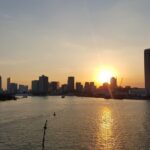
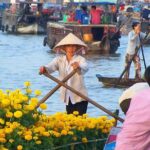
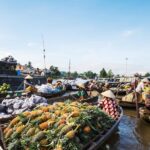
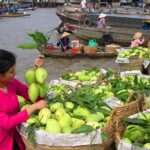
Day 2 wakes you up early. Your guide picks you up around 5:30 AM from Ninh Kieu Wharf, and you’re on the water in time to reach Cai Rang Floating Market by about 6:15 AM. This timing matters. Morning is when the market flow is at its most active, and you get to see vendors selling produce and river goods right from their boats.
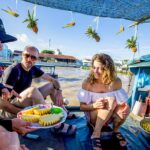
What I like most is that the floating market stop isn’t only about looking. You get a pineapple boat stop, where you can taste fresh pineapple and chat with vendors about life on the river. That’s a small detail, but it changes the whole feel—you’re not just watching commerce; you’re interacting with people who rely on it.
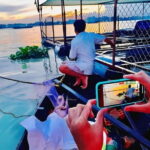
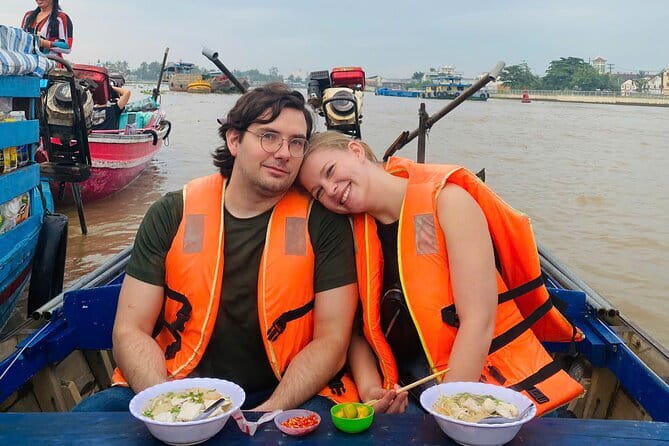
Breakfast is also served as a boat-meal experience, meaning you eat while the river activity continues around you. It’s the kind of moment that makes the Mekong Delta feel real, because the meal isn’t separate from the place—it’s happening in the same world as the market.
One note to keep your expectations straight: floating markets are busy and can be a bit chaotic by nature. The goal here is to see how trading works and why the market matters, not to expect a calm gallery atmosphere. If you come with curiosity (and a willingness to get a little damp from river air), you’ll enjoy it more.
Phong Điền noodle-making and village steps: learning food the slow way
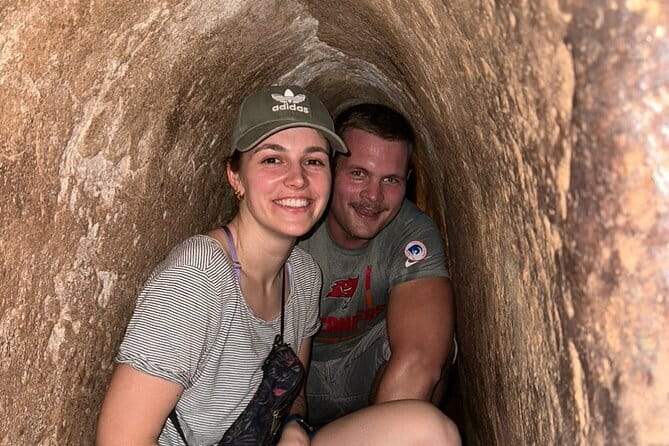
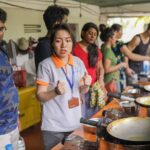
After Cai Rang, the tour pivots into food craft and local routines in Phong Điền. First up is a family-owned rice noodle house where artisans make colorful noodles by hand. You can even try making your own noodles, which is a fun way to slow down and understand the work that goes into everyday foods.
This is a great stop if you like hands-on cultural experiences more than museum-style learning. The noodles aren’t just a snack; they represent technique passed down through generations. And when you see the process, you’ll never look at rice noodles the same way again.
Next, you move to Rạch Trường Tiên, where your boat goes through smaller canals. This section is more about quiet observation than “big attraction” energy. You pass water palms, coconut trees, and fruit orchards while a local expert guides you through what you’re seeing. It’s a nice counterbalance after the busy market morning.
Then there’s a short walking in the village stop. It’s brief, but it gives you a glimpse of daily life and traditional homes. This helps round out the story of the Mekong Delta: market trading in the early morning, food craft by mid-morning, and everyday village life as the day continues.
If you’re worried about being “on the go all day,” this part is surprisingly balanced. It slows down compared to the market, but it still keeps momentum so you don’t lose the day to travel.
Muoi Cuong cocoa farm and the road to Son Islet: chocolate that starts in the soil
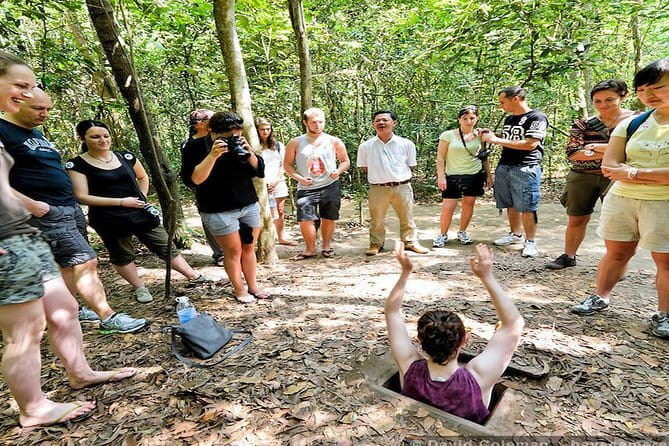
Midday begins with Muoi Cuong Cocoa Farm, where you walk through the plantation and learn the cacao-growing and chocolate-making process from a local artisan. You don’t just hear a general explanation here—you see how cocoa turns into chocolate, and you get cacao milk as part of the experience (included).
If you’ve ever wondered what “bean-to-chocolate” really means, this is one of the more grounded ways to understand it. It connects the river-food world to agriculture deeper in the land. Plus, it’s one of those stops that feels like a real business visit, not a staged performance.
After that, the tour returns toward Can Tho for lunch around 11:30 AM, then moves you onward to Son Islet by boat from Bến Phà Cô Bắc. The ride is about 20 minutes, and by 13:20 you arrive at Son Islet in time to spend a full afternoon there.
This is a key transition moment. The tour stops acting like a “collect stops” day and starts acting like a mini day-trip within a day—community life, food, and farming all on one island setting.
You can also read our reviews of more tours and experiences in Ho Chi Minh City
Son Islet on the Hau River: fruit picking, cake making, fish ponds
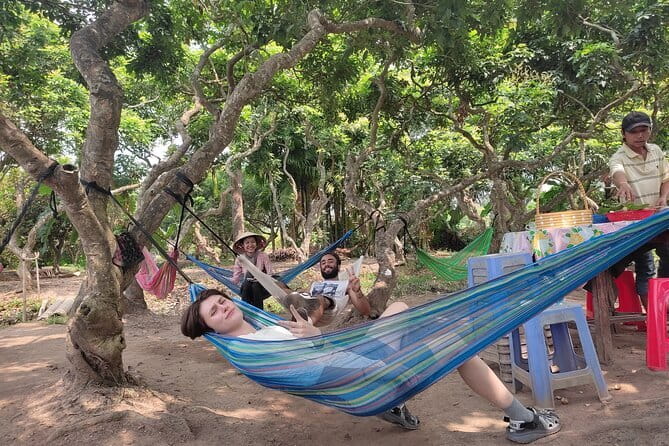
Son Islet is the big community-focused finale. It’s described as an ecotourism-based area in Can Tho, and the activities keep it hands-on and local rather than performative.
You spend about 3 hours on the island, with a mix of nature and craft:
- Tropical fruit orchards (seasonal): you can pick fruit and eat it right in the garden since it’s described as organic
- Making local cakes with local chefs: a practical, fun skill-based activity
- Walking the island: you see fish ponds made by local people and get time to explore the island’s rhythms
- A fish farm stop plus views along the Hau River
This combination is why Son Islet lands so well for many people. It ties together themes from earlier in the trip: farming from the land (fruit and fish), food craft from the kitchen (noodles and cakes), and the river that supports all of it.
A small practical note: fruit is seasonal, so don’t expect the exact same options in every month. But that’s also part of the point—these are working orchards tied to the calendar.
If you want one “final payoff” moment, Son Islet is it. After sunrise on the water and food-making stops, this is where the day feels slow enough to actually watch how community life works.
Price and value: what $218.50 covers (and what you should budget)
The price is $218.50 per person for about 2 days with an overnight in Can Tho. I think the value is solid because you’re not paying for only one attraction. You’re getting transportation by boat and car, an in-person guide, breakfast, two lunches, and landing and facility fees, plus the 1 night stay.
You’re also getting a lot of “time on the water.” Boat transfers aren’t cheap, and they’re a major part of why Mekong Delta tours can’t be done on foot. If you’ve tried to DIY the floating market before, you know how quickly logistics eat your energy. This tour handles the routing, so you spend your brainpower on what you’re actually seeing.
What to plan for: personal expenses, compulsory insurance (not included), and gratuities. So if you like buying snacks, drinks, or small souvenirs at stops, bring some extra cash in Vietnamese dong. Also, since the tour requires good weather, it’s smart to keep your schedule flexible if you’re traveling in a rainy period.
Who this Mekong Delta eco trip fits best (and who might not love it)
This tour fits well if you want the Mekong Delta to feel like a working region, not just a sightseeing circuit. You’ll enjoy it most if you like:
- Boats and rivers
- Food craft (noodles, cake making)
- Eco-style nature watching (birds in a reserve)
- Small-group pacing with a guide you can talk to
It may not be your best choice if you need a very slow pace, dislike early mornings, or want lots of free time. The schedule is structured and the day-to-day flow depends on water conditions.
If you’re a solo traveler, the small group size can feel friendly. If you’re with friends, it’s also easy to coordinate because the program is clear and the handoffs are handled.
Booking checklist before you go
- Pack for sun and humidity (hat, sunscreen, water)
- Wear footwear that handles boat steps
- Bring a light layer for mornings and evenings
- Expect seasonal differences for fruit and crops
- Keep an extra buffer for weather changes
Should you book this 2-day Mekong Floating Market eco trip?
I’d book it if you want a balanced Mekong Delta mix: sunrise floating market energy, nature reserve bird-and-wetland calm, and community food/farm experiences on Son Islet. The small-group size, the named guide feedback around Thi and Edward, and the “food craft + river life” focus make it more than a drive-by stop list.
Skip it if early starts will ruin your trip vibe or if you’re looking for a fully self-paced experience. This one runs on river timing, not your timetable.
If you match the style—curious, outdoorsy, and food-inclined—this is a strong value way to experience the Mekong Delta from Ho Chi Minh City to Can Tho.
FAQ
How long is the Mekong Delta floating market eco trip?
It’s approximately 2 days.
Where does the tour start in Ho Chi Minh City?
The tour starts at 9:00 AM from the meeting point in Ho Chi Minh City.
Is pickup included?
Pickup is offered, and a private car option is available.
What is included in the price?
The tour includes breakfast, two lunches, boat and car, landing and facility fees, an in-person guide, and 1 night in Can Tho.
How many people are in the group?
The group maximum is 15 travelers.
Which floating market do you visit?
You visit Cai Rang Floating Market.
Do you do any sunrise activity?
Yes. The second day starts very early with a sunrise boat trip.
What food experiences are part of the tour?
You get breakfast on the boat, a stop at a rice noodle house where you can learn about noodle making, and cake making on Son Islet. Lunch is included on both days.
Is the cacao farm stop included?
Yes. Muoi Cuong Cocoa Farm is included, and cacao milk is included as well.
What should I bring or plan for since insurance and tips are not included?
Personal expenses, compulsory insurance, and gratuities are not included, so plan a budget for those. The tour also requires good weather.