REVIEW · HO CHI MINH CITY
3 DAYS MEKONG DELTA
Book on GetYourGuide →Operated by An Travel · Bookable on GetYourGuide
Mekong Delta in three days is a lot to like. This tour is built around river life and temple architecture, with Vinh Trang Pagoda in Mỹ Tho and the Cái Răng floating market as the two “you have to see this” moments. I also like the mix of scenery and real routines: farm hands, candy-making, and boat sellers all show up in the same trip. One thing to consider: English may not always feel like a full-time, everyone-get-it clearly kind of experience if the group is mixed in language, and the meals lean local.
What makes it practical is that you’re not wandering on your own. You get hotel stays, entrance fees, and a live guide with pickup and drop-off from central areas, plus you skip the ticket line. Depending on the day, you’ll either head toward Châu Đốc (with mountain temples and mangrove time near Trà Sư) or toward Cà Mau (with Khmer sites and the far-southern mangrove ecosystem).
In This Review
- Key highlights I’d prioritize
- How this Mekong Delta tour fits together (and why it works)
- Day 1 in Mỹ Tho: Vinh Trang Pagoda, then boats to Unicorn Island
- Day 1 in Ben Tre: Coconut candy factory, rowing boat, village time
- Evening of Day 1: Châu Đốc City base (Program 1) or a Cần Thơ arrival (Program 2)
- Route that goes to Châu Đốc (Program 1)
- Route that drives to Cần Thơ (Program 2)
- Day 2 route A (Châu Đốc side): Sam Mountain temples + Trà Sư mangrove to Cần Thơ
- Morning: Sam Mountain and nearby temple highlights
- Afternoon: Trà Sư Mangrove Forest
- Day 2 route B (Cà Mau side): Cái Răng floating market, Khmer influence, and the far-southern mangroves
- Morning: Cái Răng floating market
- Later morning/afternoon: Sóc Trăng and Khmer architecture
- Bạc Liêu stops and Mũi Cà Mau
- Day 3: Cần Thơ classics (Route A) or Bac Lieu big house + return to HCMC (Route B)
- Route A (Cần Thơ + monastery + café time)
- Route B (Ca Mau → Bac Lieu → HCMC)
- The practical reality: group size, guide language, and how to set expectations
- Value check: what you’re paying for at about $181 per person
- Best fit: who this Mekong Delta tour suits
- Tips to make your day smoother (no guesswork needed)
- Should you book this 3-day Mekong Delta tour?
- FAQ
- How long is the Mekong Delta tour, and how many nights are included?
- What places are included in the itinerary?
- Are meals included?
- Is transportation included?
- Is the guide available in English?
- Are entrance fees included?
- Is there a single supplement?
- What is the cancellation policy?
Key highlights I’d prioritize
- Vinh Trang Pagoda: Big, ancient-feeling architecture in Mỹ Tho before you hit the water.
- Unicorn Island farm stop: Pomelo farm + bee farm at the same visit, with honey tea and royal jelly mentioned in the program.
- Ben Tre coconut candy + rowing boats: A hands-on village-style break with a more local pace.
- Cái Răng floating market: Boat-and-river viewing, plus chances to try river food where it’s actually sold.
- Trà Sư mangrove forest: A quieter nature contrast after temples and villages.
- Châu Đốc or Cà Mau route choice: Same core Mekong experience, different ending depending on the schedule.
How this Mekong Delta tour fits together (and why it works)
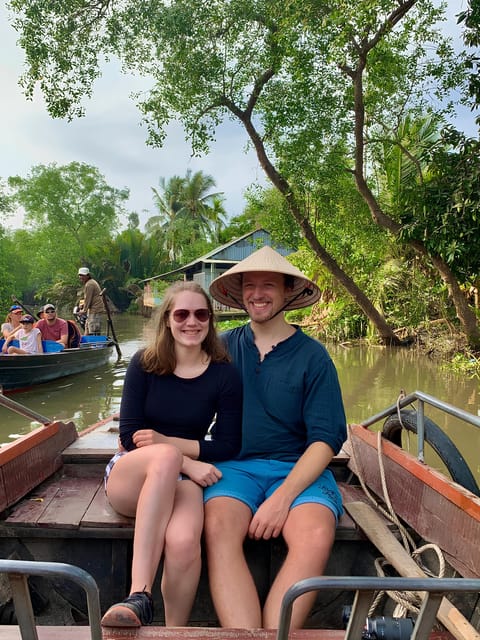
This is a 2 nights / 3 days Mekong Delta sweep that’s designed for first-timers. You’ll get river transport moments (motorized boat and rowing boat), big cultural anchors (pagodas and temples), and market time (Cái Răng). You also get a structured pace: mornings are active, afternoons slow down with temples/villages, and evenings are either city dinner + night exploration or another overnight base.
The biggest value is that the trip doesn’t only show sights. It tries to show daily work along the river: selling from boats, farming on islands, and local food culture along the way. That’s also why it can feel very “Vietnam local” at meal times. If you’re a picky eater, plan to be flexible—or be ready to stick to safer choices when the menu is more adventurous.
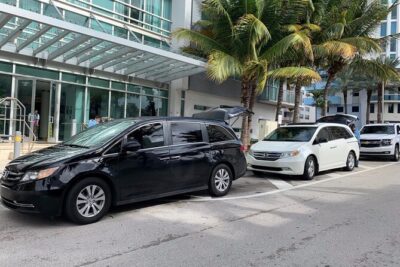
Also, the tour runs on set schedules and includes the essentials: bus transportation, an English-speaking guide, three breakfasts, three lunches, two dinners, two nights in a 3-star hotel, and entrance fees. Pickup and drop-off are included for hotels in central areas, so you’re not starting your day with guesswork.
You can also read our reviews of more tours and experiences in Ho Chi Minh City
Day 1 in Mỹ Tho: Vinh Trang Pagoda, then boats to Unicorn Island
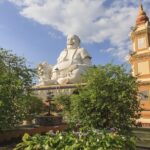
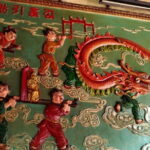
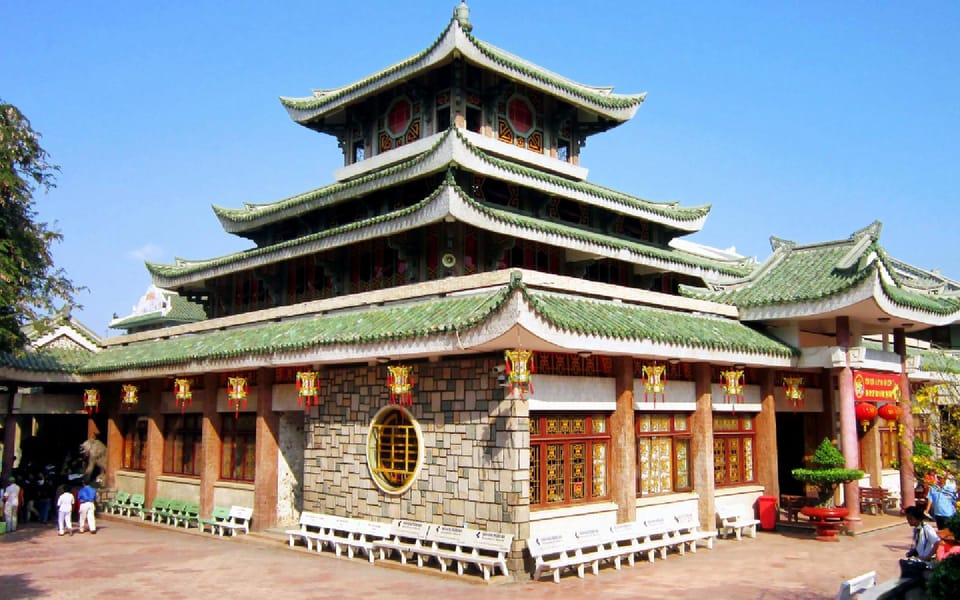
Day 1 usually starts with a drive to Mỹ Tho (the program version that lists times says about 1.5 hours by bus, then ~8:30 am arrival). The first stop is Vinh Trang Pagoda, described as one of the oldest and the largest pagodas in Southern Vietnam, known for special architecture. Even if you’re not a temple-person, this is a smart start because it sets the cultural tone before the river stuff.
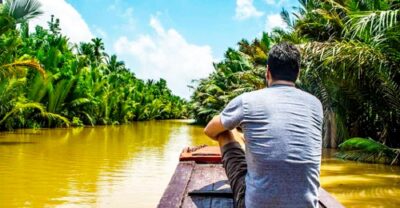
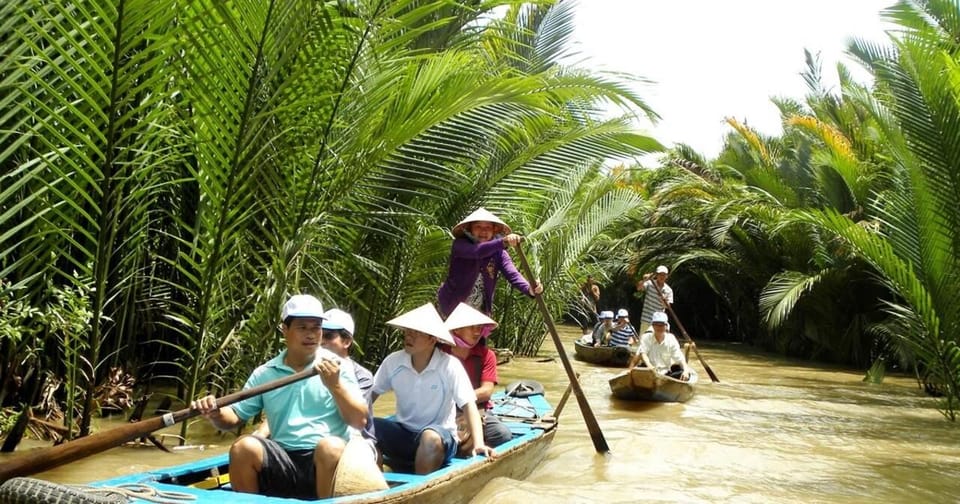
Then you switch to water mode. The itinerary takes you on a boat ride on the Tien River to an island (Unicorn Island is specifically named). Here, you’ll do farm-style visits—pomelo farm and bee farm are both mentioned—and you’ll have farm tastings like honey tea and royal jelly (as listed in the program). It’s not an “artsy photo stop” kind of farm. It’s a working-agriculture stop, and that comes through in how time is allocated and what you’re able to try.
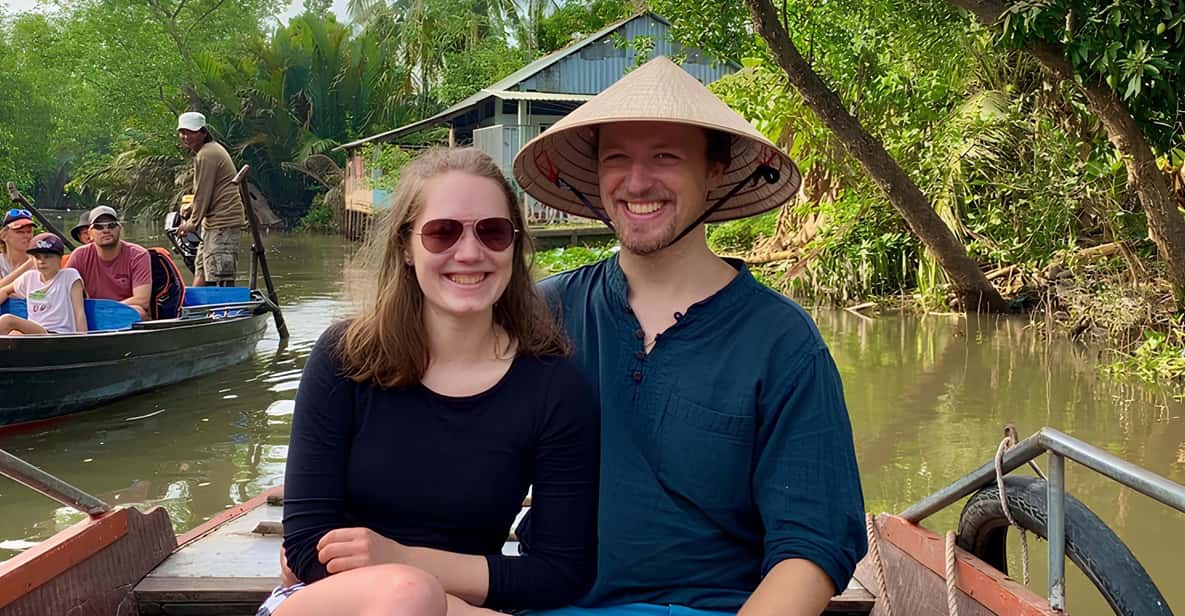
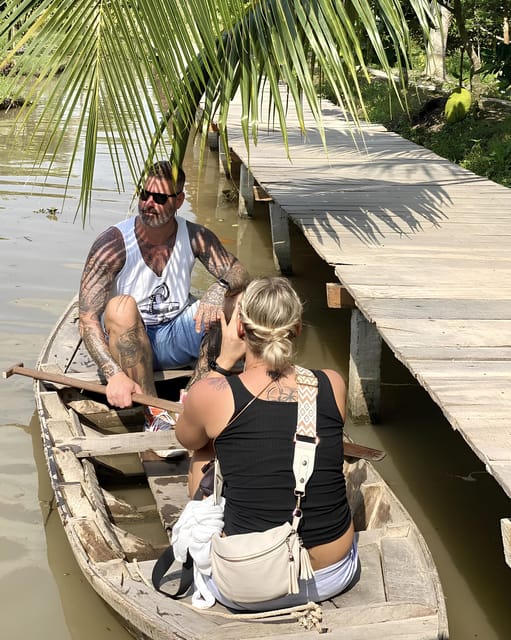
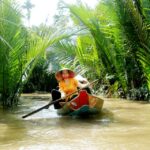
If your schedule includes the Ben Tre connection on Day 1, you’ll later get a rowboat experience around the restaurant/village area (the program lists this around 12:00 pm in the version with more detailed timing). This is a good rhythm-break: you get a calmer, slower boat moment after the more structured motorized ride.
Practical note: the first day can feel like “transfer + activity” back-to-back. If you’re prone to travel fatigue, bring water and keep your pace gentle during the first island stop.
Day 1 in Ben Tre: Coconut candy factory, rowing boat, village time
Ben Tre is where the tour shifts from “big attraction” to “craft and daily work.” The itinerary includes a Coconut Candy Factory, and the program describes this stop as part of a wider Ben Tre block that also includes a rowboat excursion, lunch, and village discovery.
Why I think this works: coconut candy in the Mekong isn’t just a sweet shop. It’s a local product made from what the region produces, and the factory visit gives you context for why the goods are everywhere. Pair that with a rowing boat and village time, and you’re not only watching—you’re seeing the connections between landscape, labor, and what people sell.
The possible drawback is time and expectations. A factory stop can be short, and village “discovery” depends on the flow of the day. If you want long free time to wander, this style of tour may feel structured.
Evening of Day 1: Châu Đốc City base (Program 1) or a Cần Thơ arrival (Program 2)
Your Day 1 ending depends on which route your departure follows.
Route that goes to Châu Đốc (Program 1)
The plan is to travel to Châu Đốc City for dinner and an overnight stay. This matters because it sets up Day 2’s cluster of mountain-side religious sites.
Route that drives to Cần Thơ (Program 2)
Another version goes Mỹ Tho → Can Tho → Ben Tre on Day 1. It includes arrival in Cần Thơ around 6:00 pm, with dinner on a 5-star cruise (as described in that program version), followed by free time to explore at night—specifically mentions the Ninh Kiều night market and a walking-street vibe.
If you like nighttime food and strolling, that Cần Thơ evening can be a real highlight. If you’d rather be in bed early, the free-time portion is your choice, not a forced event.
Day 2 route A (Châu Đốc side): Sam Mountain temples + Trà Sư mangrove to Cần Thơ
Day 2 on the Châu Đốc side focuses on religious sites first, then nature.
Morning: Sam Mountain and nearby temple highlights
You’ll visit the Lady Temple of Sam Mountain, Thoại Ngọc Hầu’s Tomb, and Tây An Temple. This set of stops is valuable because it gives you contrast: temples aren’t just “one building,” they’re often part of a whole spiritual landscape. Also, Sam Mountain is a named location, not a generic stop—so it feels like you’ve arrived somewhere specific.
Afternoon: Trà Sư Mangrove Forest
Next comes Trà Sư Mangrove Forest, with lunch and then a move to Cần Thơ for the night. The mangrove stop is the natural palate cleanser. After temples and tombs, you get a different kind of Mekong feel—water, trees, and ecosystem time.
One practical consideration: mangrove areas can involve walking and getting in/out of boats or transport. Wear shoes you’re comfortable with, and keep your hands free for photos.
Day 2 route B (Cà Mau side): Cái Răng floating market, Khmer influence, and the far-southern mangroves
If your departure follows the Cà Mau end, Day 2 is one of the most intense in terms of variety.
Morning: Cái Răng floating market
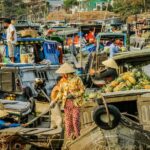
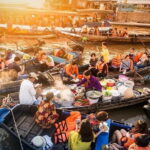
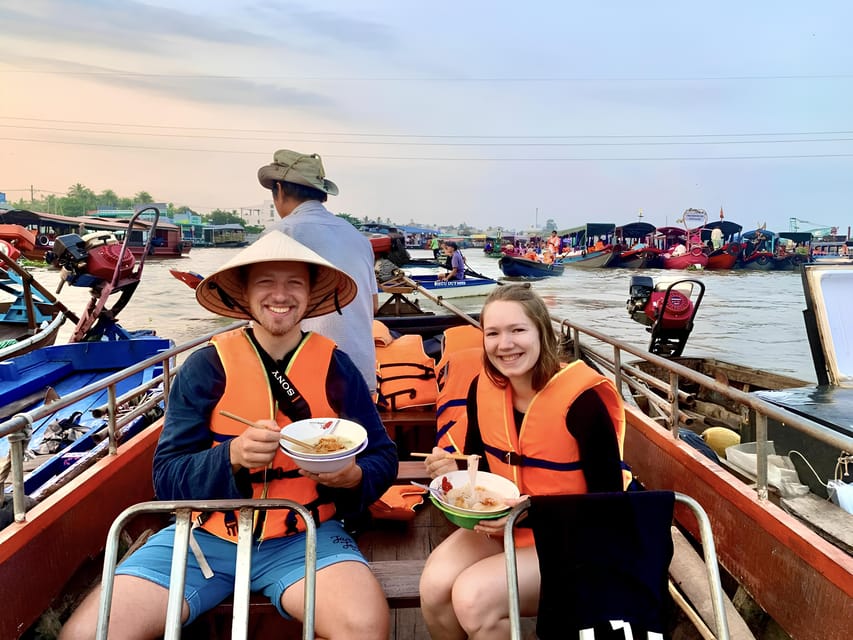
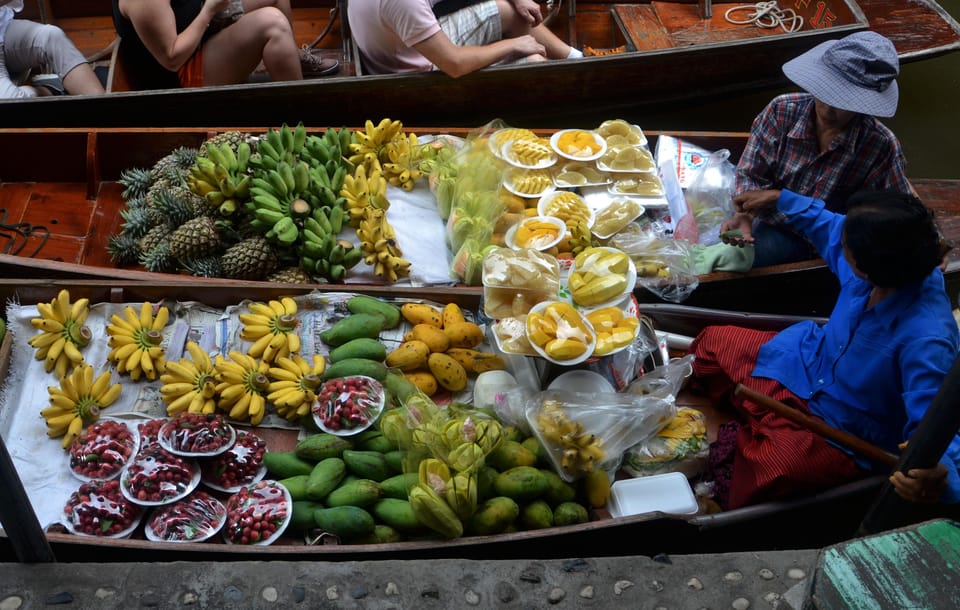
Start with Cái Răng floating market, and the program notes that you’ll be on the water while seeing how locals live and work on the river. It specifically highlights that selling from boats looks different than selling on land. This is where you’ll likely understand the Mekong Delta as a river economy, not just a sightseeing circuit.
You’ll also be able to try river delicacies—the itinerary calls out sampling unique river food.
Later morning/afternoon: Sóc Trăng and Khmer architecture
As the day moves on, you’ll visit Somrong Pagoda in Sóc Trăng province. The program mentions it has the longest Sleeping Buddha statue in Vietnam, plus special Khmer architecture. Then you continue toward Bạc Liêu.
Bạc Liêu stops and Mũi Cà Mau
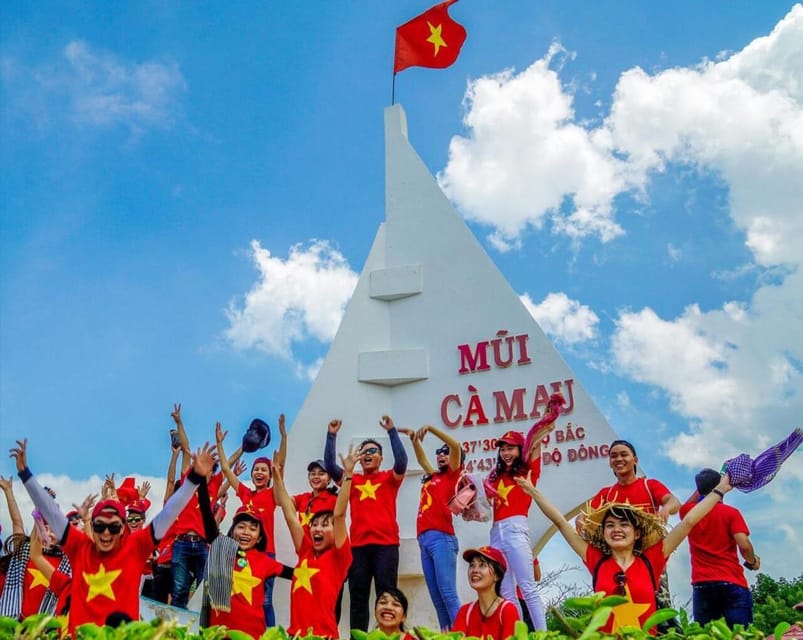
In Bạc Liêu province, you visit Tắc Sậy Church and the tomb of Bishop Trương Bửu Diệp. Lunch is listed at Ánh Nguyệt restaurant, then you head to Mũi Cà Mau. The plan includes going through the mangrove forest to see the ecosystem there, and then dinner at a local restaurant.
Why this day is worth it: you’re not only going to the market—you’re also seeing how cultural influences shift across provinces (including Khmer-linked religious architecture) as you travel south.
The potential downside is that it’s a long day with many stops. If you hate rushing, plan on a slower pace after dinner.
Day 3: Cần Thơ classics (Route A) or Bac Lieu big house + return to HCMC (Route B)
Day 3 depends on which ending you’re on.
Route A (Cần Thơ + monastery + café time)
The program lists morning time at Cái Răng floating market again, then adds Trúc Lâm Zen Monastery, Mỹ Khánh Tourist Village, and Purple House café. This is a more “Cần Thơ sightseeing” style closer, with both spirituality and leisure stops included.
The tour then returns to HCMC in the evening.
Route B (Ca Mau → Bac Lieu → HCMC)
If you’re on the Cà Mau side, Day 3 starts with breakfast at the hotel, then you return to Bạc Liêu for a visit to the richest man’s house in the Mekong Delta in the 20th century (as stated in the program). Lunch is at a local restaurant, then you head back to Ho Chi Minh City.
This ending tends to appeal to people who like a “history-of-wealth” kind of contrast—how wealth and industry show up in homes and estates, not only in temples.
The practical reality: group size, guide language, and how to set expectations
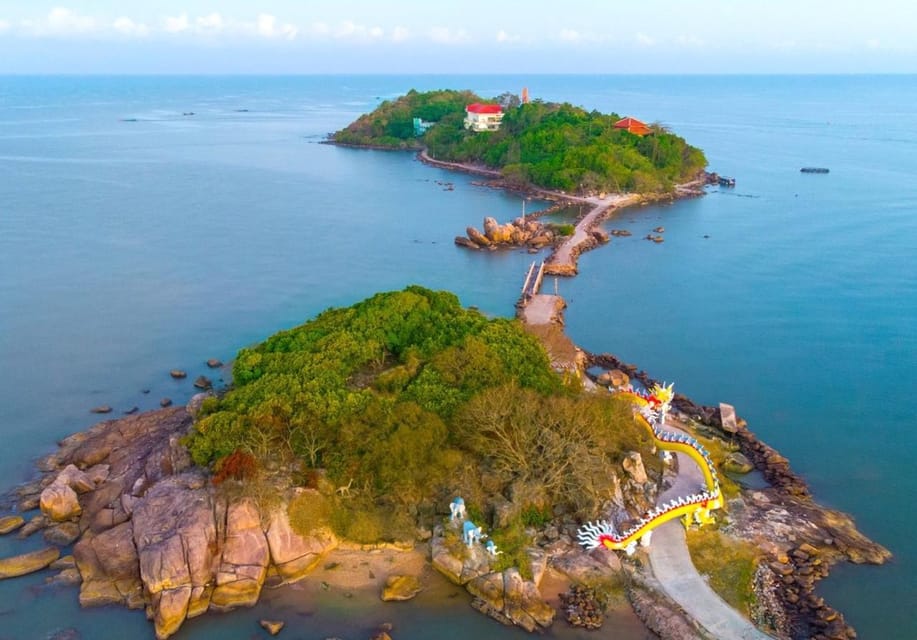
The tour is marketed as English-guided. In reality, what you experience may depend on your departure group. One clear issue to watch for is language mix: if the group has many Vietnamese participants, you may hear Vietnamese first and then an English translation. I’d treat that as a possibility, not a guarantee of perfect flow.
If you’re counting on clear, constant English narration (especially for market and boat segments), you’ll feel happier if you choose a departure with a stronger international mix. If you’re okay with having key points translated and you mainly care about sights and the ride experience, you’ll likely do fine.
Food is another practical factor. Meals are included (three lunches and two dinners across the itinerary versions), and the meals are described as very local in style. If you prefer Western food, you’ll want to manage expectations and maybe save your “must-have” comfort foods for outside-meal time.
Value check: what you’re paying for at about $181 per person
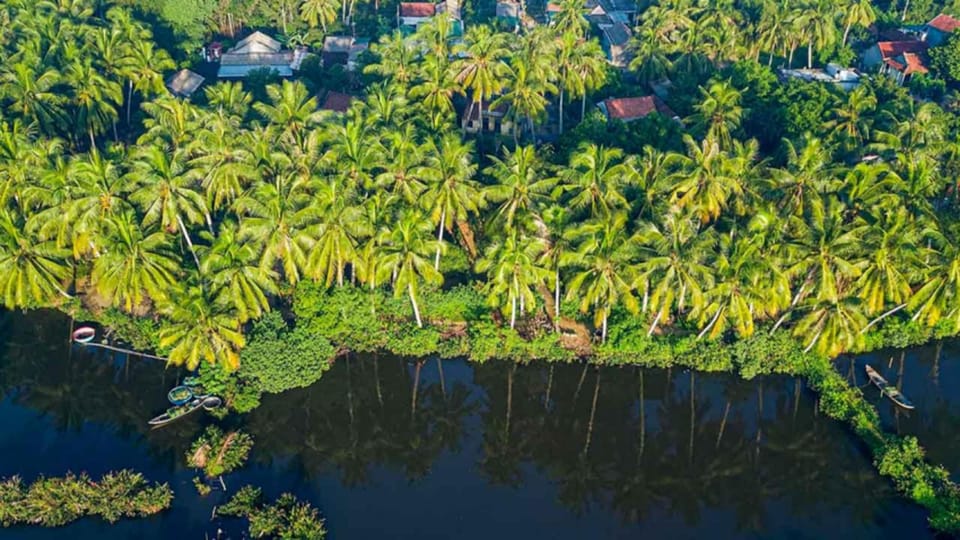
At $181 per person for three days, you’re paying for organization: transport, a live guide, entrance fees, hotel nights, and a set sequence of named stops across multiple provinces. The value improves if you’d otherwise struggle to piece together boat access, market timing, and inter-province travel on your own.
Where it may not feel like a bargain is if you’re especially sensitive to food preferences or language clarity. When those two factors don’t match your style, even a good itinerary can feel less satisfying. That’s not a flaw with the region; it’s just how this kind of tour runs.
A small plus: the itinerary includes skip-the-ticket-line, which saves time at the kinds of spots where lines can pop up.
Best fit: who this Mekong Delta tour suits
I think this tour is a strong match if you want:
- A first-time Mekong overview with big anchors like pagodas and Cái Răng
- A mix of river rides (motorized + rowboat) and village/craft stops
- A structured schedule that covers a lot without you organizing buses and stops
It’s less ideal if:
- You need very consistent, full-time English narration in every segment
- You won’t enjoy local meal styles
- You want lots of unplanned free wandering time
Tips to make your day smoother (no guesswork needed)
- Bring breathable clothes and sun protection. You’ll be outside around boats, pagodas, and market areas.
- Wear shoes that handle boats and uneven surfaces. Even “short” rowing boat moments can be bumpy.
- Have small bills or some cash ready for snacks outside included meals. The itinerary includes meals, but markets naturally tempt extra purchases.
- If you care about English clarity, ask before you go what language setup typically looks like on your departure date.
Should you book this 3-day Mekong Delta tour?
If your priority is seeing Mỹ Tho, experiencing Cái Răng floating market, and getting a guided, stop-to-stop Mekong sweep with transport and hotels handled, then yes, this is a solid booking. The itinerary hits the core Mekong experiences—pagodas, farms, boats, and river trading—without asking you to plan route logistics.
If you’re very picky about food or very strict about English narration, I’d approach with caution and choose your departure carefully. For most people, though, the mix of river life + named cultural sites makes it worth the time—and it’s hard to beat the convenience of having everything stitched together for you.
FAQ
How long is the Mekong Delta tour, and how many nights are included?
It runs for 3 days and includes 2 nights at a 3-star hotel.
What places are included in the itinerary?
Key stops include Vinh Trang Pagoda (Mỹ Tho), Unicorn Island farm visits, Coconut Candy Factory (Ben Tre), rowing boat excursion and village time, Cái Răng floating market, and additional sites that vary by route such as Châu Đốc City (Program 1) or Cà Mau and Mũi Cà Mau (Program 2).
Are meals included?
Yes. The tour includes 3 breakfasts, 3 lunches, and 2 dinners.
Is transportation included?
Yes. The tour includes bus transportation, plus pickup and drop-off at hotels in central areas.
Is the guide available in English?
The tour includes a live English-speaking guide. (How translation feels can depend on the group composition.)
Are entrance fees included?
Yes, entrance fees are included.
Is there a single supplement?
Yes. A single supplement surcharge is listed as +55$.
What is the cancellation policy?
Free cancellation is offered up to 24 hours in advance for a full refund.