REVIEW · HO CHI MINH CITY
Saigoncholon
Book on Viator →Operated by Saigoncholon · Bookable on Viator
Cholon hits you fast, and then it sticks. This Saigon Cholon Chinatown discovery tour is built around real local rhythm: markets with everyday trading, plus temple stops that show how faith looks when you’re not just sightseeing. I especially like that you get an early Chinese-style noodle breakfast and a small-group feel that helps your guide keep the pace human.
Two more things I like: the guide, Minh (call him Tony), brings personal ties to the district and tends to steer you toward what you care about. The other win is the handoff from shopping sights to lived-in places, so you can compare what looks tourist-friendly versus what feels local in daily life. One drawback to consider: the tour relies on timing and pickup coordination, and one bad experience in the wild can mean waiting with no clear follow-through.
In This Review
- Key things to know before you go
- Cholon in half a day: what makes this tour different
- Meeting at Ben Thanh: the easiest way to start your Cholon day
- The breakfast move: Chinese-style noodles before the market heat
- Binh Tay Market: Chinatown’s trade symbol, without the fluff
- Soai Kinh Lam fabric market: textiles, silks, and the trade connection
- Ba Thien Hau Temple: local worship you can actually see
- Nghia An Temple and the surprise location after the first visit
- Chợ Thủ Đô food market: street-food time, with a safer structure
- Who this tour is best for (and who should rethink)
- Value and price: $29.75 makes sense if you use it well
- Guide Minh (Tony): why a local connection matters here
- What to do before and during the tour
- Should you book Saigoncholon?
- FAQ
- How long is the Saigon Cholon Chinatown discovery tour?
- Where does the tour start and end?
- What’s included in the tour price?
- Is pickup available?
- Do I need admission tickets for the stops?
- Can I cancel and get a full refund?
Key things to know before you go
- Minh (Tony), a Cholon local who grew up in Chinatown and helps you read what you’re seeing
- Binh Tay Market as the classic entry point into how the market economy works
- Soai Kinh Lam fabric market to see the Chinese-Vietnamese trade in silk and textiles
- Two temple styles: a more straightforward local stop, then a deeper, less expected one
- Included breakfast and drinks, so you start full before the stalls and alleyways
- Small group max 4 travelers, which usually means less standing around
Cholon in half a day: what makes this tour different
If you only do Ho Chi Minh City’s main sights, Cholon can feel like a side street you skipped. This tour works because it puts you in the parts of town where local life shows up on purpose: markets, temples, and food places where the point is function, not photos.
You’ll get a clear storyline. You start with a market symbol that people outside the district recognize, then you move to a fabric hub that’s more about trade than souvenirs. From there, the tour shifts gears to temples and prayer rhythms, and it ends with eating time that feels like locals do it.
You can also read our reviews of more tours and experiences in Ho Chi Minh City.

Meeting at Ben Thanh: the easiest way to start your Cholon day
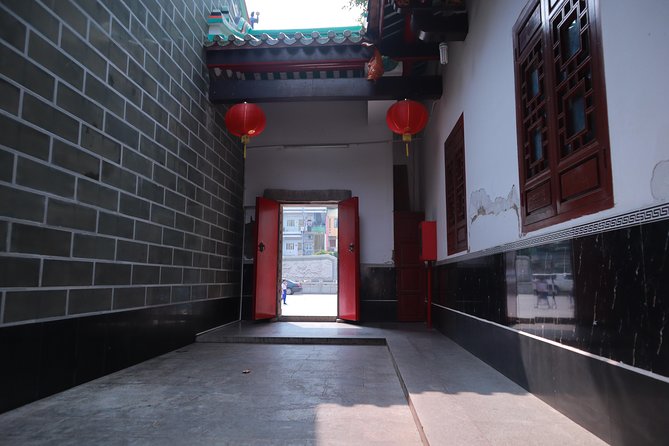
The tour begins and ends back at Ben Thanh Market in District 1. That matters because Cholon itself can take planning if you’re navigating from different parts of the city. Having the start point anchored in a famous location also makes it simpler to line up transport and timing.
Pickup is offered, and there’s an air-conditioned vehicle. That’s a practical bonus in Ho Chi Minh City’s heat, especially if you’re doing markets back-to-back. You’ll also have a mobile ticket, which is handy when you’re juggling photos, water, and bags.
The breakfast move: Chinese-style noodles before the market heat
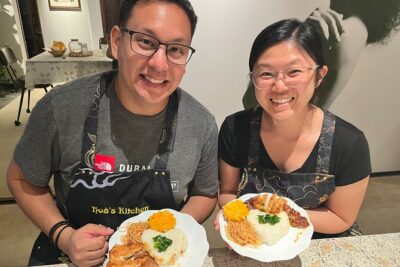
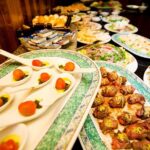
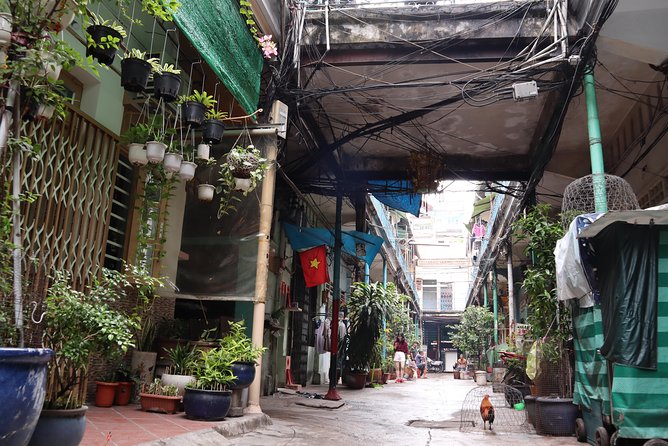
One of the smartest choices here is the included breakfast: a Vietnamese-Chinese style noodle dish served in an alley. Starting with food first does two things. It keeps you from getting grumpy at the market, and it helps you notice the cultural blend you’ll keep seeing through the day.
After breakfast, you’re not just “touring.” You’re already in the right mindset: small local spaces, quick service, and food that’s part of the neighborhood workflow. If you’re the type who hates stopping too often, breakfast first is a good way to keep the rest of the plan moving.
Tip: you’ll still want to bring your own snack cravings mindset. Extra foods and water beyond what’s included aren’t covered, so decide early if you want to sample a lot or keep it light.
Binh Tay Market: Chinatown’s trade symbol, without the fluff
Your first stop is Binh Tay Market, described as the market symbol of Chinatown and built by a wealthy Chinese businessman. Even if you only catch fragments of the story, the market itself gives you context fast. You’ll see how locals trade, how stalls are arranged for flow, and how the day’s shopping works on a practical level.
This is one of the best segments for people who like to watch how commerce actually happens. It’s also where you can pick up small snacks and food samples at low cost, since the market is known for affordable bites.
The possible drawback: markets can turn into a blur if you’re walking too fast. If your goal is understanding rather than shopping, go slower than you think you should and ask Minh what to look for while you’re there.
Soai Kinh Lam fabric market: textiles, silks, and the trade connection
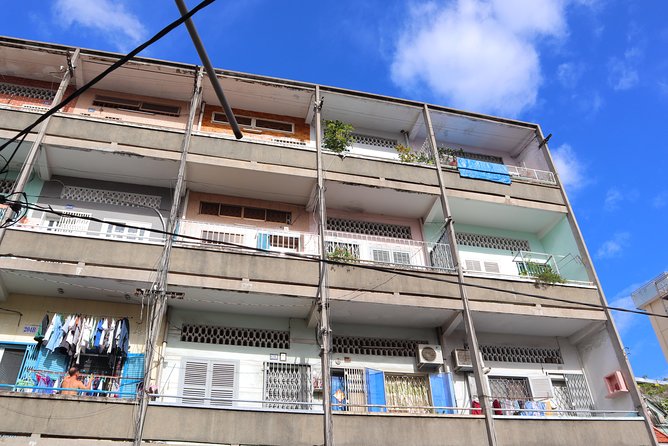
Next comes the Soai Kinh Lam fabric market, called the biggest fabric and silk materials market. This stop is less about eating and more about seeing how Chinatown connects to both locals and the outside world through textiles.
If you’re someone who likes craft and materials, this is where you’ll notice details: how fabrics are handled, how people compare quality, and how the trade environment feels different from food stalls. It’s also a solid cultural contrast after Binh Tay, since you move from snack-shopping energy to a more focused buying mindset.
Time-wise, it’s about 30 minutes, so don’t expect a full shopping spree. Think of it as a guided orientation to what’s available and how the business side of Cholon runs.
Ba Thien Hau Temple: local worship you can actually see
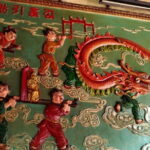
Your third stop is Ba Thien Hau Temple. Here, you’re encouraged to look and compare the local temple feel versus more touristy versions of temples you might have seen elsewhere. That comparison is valuable because it teaches you how to read religious spaces beyond surface-level decoration.
This segment is also a good “reset” in the schedule. After two market stops, the temple offers a change in pace: less bargaining, more quiet attention.
If you’re visiting with questions about faith, Minh is the kind of guide who can explain what you’re seeing in a way that makes the space feel understandable. Just be ready to keep your voice low and your pace respectful.
Nghia An Temple and the surprise location after the first visit
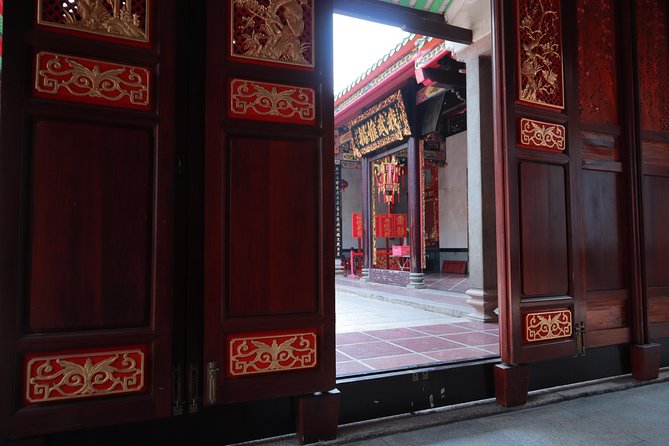
The next stop is Nghia An Temple, where the tone shifts toward a more hidden local experience. You’ll hear about touching the god’s figure and learning about praying culture for luck and blessings. The tour notes that the hidden place will be shown after the visit, so expect a bit of follow-through once you’ve gone through the first part.
This stop is where you’ll likely feel the “local expert” value most. In many places, guides just point and move on. Here, the point is to help you understand what’s happening during prayer, not just where the altar sits.
Practical consideration: this is about 1 hour, longer than the market segments. If you’re sensitive to heat, bring a moment-by-moment strategy: water sips, shade breaks when possible, and avoid sprinting to every angle for photos.
Chợ Thủ Đô food market: street-food time, with a safer structure
The final activity is Khu ăn uống chợ Thủ Đô, a local food market focused on local trading and street foods. You get 30 minutes to sample the food environment, and the tour’s framing emphasizes safe, delicious street eating.
I like that the tour doesn’t treat food as an afterthought. Ending with food helps you connect the day’s themes: the same community you saw in markets is the one feeding itself in everyday ways. Also, eating at the end is smart after walking around temples and stalls when your hunger is more accurate.
Keep expectations realistic: included items are coffee/tea, breakfast, and a bottle of water per person. Extra foods you buy yourself are not covered, so this is the moment to decide your budget for snacks and drinks you want to add.
Who this tour is best for (and who should rethink)
This is a great fit if you want a guided walkthrough of Cholon’s markets and temples with context from someone who grew up there. It also suits first-timers who want to avoid getting lost between District 1 and Cholon without planning every stop.
You’ll probably enjoy it if you like:
- market watching and learning how trading works
- simple cultural comparisons, like temple differences
- food time that’s structured instead of random wandering
If you need a very flexible schedule, this may feel a bit structured. The tour is set into short blocks, so it’s not built for long shopping detours or lingering forever at one stall.
Value and price: $29.75 makes sense if you use it well
At $29.75 per person, the price can feel low for a guided half-day with air-conditioned transport and multiple stops. And that’s the key: the included items make a difference. You’re getting coffee or tea, breakfast noodles, and bottled water, plus admission is free at each listed stop.
The real value shows if you treat the tour as more than walking. If you ask questions, you’ll leave with a better sense of what the markets and temples mean. If you show up only for pictures and shopping without engaging, you might still have a nice time—but you could end up wishing you had more time to slow down.
Guide Minh (Tony): why a local connection matters here
The guide is Minh, and he’s also introduced with the name Tony. That name detail matters because it signals a friendly, approachable style. The bigger point is credibility: Minh is Taiwanese-Chinese, raised in Cholon Chinatown, and he lived and studied overseas in Australia for five years.
What you’ll feel during the tour is a mix of personal memory and practical explanation. The tour description says he works with friends as local experts and professional guides to promote Chinatown and Chinese-Vietnamese identity, plus to support local businesses that visitors often overlook.
In one excellent experience, the guide asked beforehand about special interests and then adjusted the tour while still covering core Cholon essentials. That’s exactly what I’d want from a guide: flexibility, not a rigid script.
One caution from the less positive end: there can be rare coordination failures like a no-show. If you book, keep your phone accessible, confirm pickup details, and have a backup plan for getting to Ben Thanh if needed.
What to do before and during the tour
Before you go, think about your food approach. You’ll have an included breakfast and coffee/tea, but extra snacks and water later are on you. If you have food allergies, you should inform the tour in advance.
During the tour:
- Wear breathable shoes for market floors and temple steps
- Bring a small fan or light towel if you run hot
- Plan to buy only a few items if you don’t want to carry bags
- Ask Minh what to look for at each stop so you don’t just skim past stalls
And remember: temples and markets have different comfort rules. At temples, keep it calm and respectful. At markets, it’s normal to observe and ask questions, but don’t expect every vendor to slow down just because you’re watching.
Should you book Saigoncholon?
Book it if you want a compact, well-paced look at Cholon Chinatown that goes beyond surface sightseeing. This tour’s strongest assets are the included start (noodle breakfast and drinks), the guided structure across markets and temples, and the local perspective from Minh (Tony), who knows Cholon in a personal way.
Skip or rethink it if you’re highly sensitive to schedule issues or you need fully guaranteed pickup reliability. In that case, you might prefer a plan where you control your exact arrival route to Ben Thanh and can adapt quickly.
If you’re on a first visit and you like learning while you walk, this tour is a good value way to see Cholon as a living neighborhood—markets, faith, and everyday food habits included.
FAQ
How long is the Saigon Cholon Chinatown discovery tour?
It runs about 3 to 4 hours.
Where does the tour start and end?
It starts at Ben Thanh Market in District 1 and ends back at the same meeting point.
What’s included in the tour price?
You get coffee and/or tea, a breakfast noodle dish, bottled water (1 per person), and an air-conditioned vehicle. Admission tickets for the listed stops are free.
Is pickup available?
Pickup is offered, and the tour starts near Ben Thanh Market.
Do I need admission tickets for the stops?
The tour notes that admission ticket is free for each listed stop.
Can I cancel and get a full refund?
Yes, free cancellation is available. You can cancel up to 24 hours in advance for a full refund, and cancellations within 24 hours are not refunded.