REVIEW · HO CHI MINH CITY
Private Long Tan and Nui Dat Australian Battlefield Day Trip
Book on Viator →Operated by Vielokal Travel · Bookable on Viator
Long Tan hits harder in person. This private Australian battlefield day trip links what happened during the Vietnam War to what you can still see today, with a strong English guide and real stops at the heart of the story. I especially liked the way the day starts with context en route, and the focus on three anchor locations: Nui Dat SAS Hill, the Long Tan Cross Memorial, and the Long Phuoc Tunnels.
Two other things I appreciate: you’re taken care of start to finish in a comfortable car with bottled water and all entrance tickets handled, so you can concentrate on the sites. The one thing to consider is that the content is heavy—memorials and tunnels aren’t light sightseeing—and the drive from Ho Chi Minh City makes the day feel full, even with a few breaks built in.
In This Review
- Key highlights you’ll notice fast
- From Ho Chi Minh City to Nui Dat: the ride that sets context
- Nui Dat SAS Hill: seeing the former Australian Task Force base
- Long Tan Cross Memorial: remembrance you can actually feel
- Long Phuoc Tunnels: underground survival and tactics
- The optional Vung Tau beach finish (and how lunch works)
- Price and value: what you’re really paying for
- How long is enough time for Long Tan?
- Who should book this tour—and who should skip it
- Book it or not: my take
- FAQ
- How long is the Private Long Tan and Nui Dat Australian Battlefield Day Trip?
- Do they pick me up from my hotel in Ho Chi Minh City?
- Is this tour private or shared?
- What stops are included during the day?
- What is included in the $99 per person price?
- Is lunch included?
- Do I need to buy entrance tickets separately?
- Do I get a mobile ticket?
- What is the cancellation policy?
- Is the tour suitable for most people?
Key highlights you’ll notice fast
- Hillbilly Jack’s briefing in the car sets up Australian involvement with clear, practical context
- Nui Dat SAS Hill remains include visible remnants like helicopter landing zones and camping areas
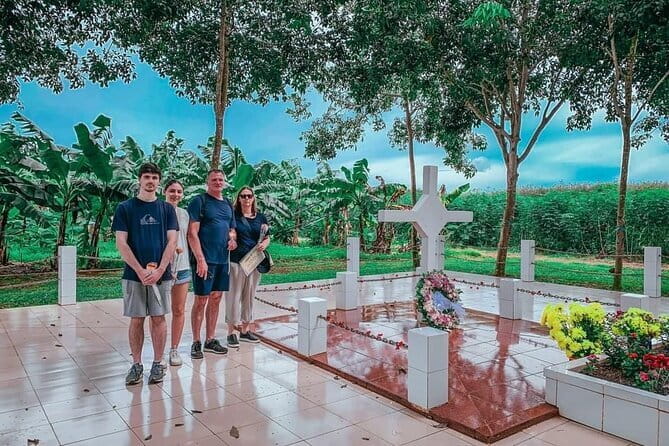
- Long Tan Cross Memorial focuses on remembrance for both Australian and Vietnamese soldiers
- Long Phuoc Tunnels explain how Viet Minh and Viet Cong used underground space for shelter, communication, and combat
- Private group format keeps the experience paced for your questions and interests
From Ho Chi Minh City to Nui Dat: the ride that sets context
Most history days in Vietnam start when you arrive. This one starts while you’re still on the road. You get picked up from your hotel in Ho Chi Minh City and ride out toward Ba Ria – Vung Tau Province in a comfortable vehicle, with the day structured so you begin learning before you see the terrain.
That matters. When I think about a battlefield site, the most confusing part is always the geography—how hills, roads, and distance shaped decisions. The best tours help you mentally “wire” the place together first, then let you read the landscape with better eyes. In this case, your English-speaking guide (a highlight in the reviews was Hillbilly Jack) kicks off with an informative talk in the car, zooming in on the Vietnam War through the lens of Australian involvement.
You’ll spend about two hours on this drive, and it’s long enough that a good briefing makes the difference between a sightseeing checklist and a day that actually connects dots. You’ll also have bottled water on board, which is a small comfort, but on a long day it keeps you from spending mental energy on logistics you don’t need.
You can also read our reviews of more private tours in Ho Chi Minh City



Nui Dat SAS Hill: seeing the former Australian Task Force base
Nui Dat is where the story becomes physical. This stop is centered on SAS Hill, a key former base for the 1st Australian Task Force, and you’ll spend about an hour here. The point isn’t to treat it like a museum with perfect reconstructions. It’s more about seeing what’s left behind and letting your guide explain how the base operated in a tactical way.
You can expect to notice remnants of the base area, including helicopter landing zones and camping areas. Those details are important because they show how mobile and infrastructure-heavy the war really was—not only firefights, but transport, staging, and day-to-day survival.
What makes this stop work well is the way the guide ties observation to strategy. You don’t just look at patches of land; you learn how a base like this influenced movement and response. Even if you’re already familiar with the battle, having someone frame it around why this location mattered will change what you pay attention to.
Practical note: because this is a battlefield setting, you’ll want to move calmly and stay aware of your footing and surroundings. It’s not an urban stroll. Wear shoes that work on uneven ground, and take a moment when you need it—this isn’t a “rush through” stop.
Long Tan Cross Memorial: remembrance you can actually feel
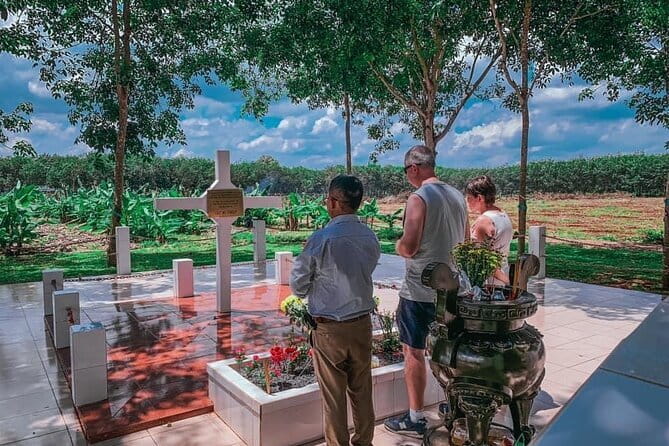
Next comes the most emotional moment of the day: the Long Tan Cross Memorial. You’ll have about an hour here, and entrance is included. This memorial commemorates Australian and Vietnamese soldiers who fought during the Battle of Long Tan, so it isn’t a one-sided monument.
That balanced focus is one reason I like this stop. Long Tan is often discussed through Australian military history, but the memorial’s purpose is remembrance for soldiers on more than one side. Standing there, you feel how war stories are shared grief, not sports trivia. The guide helps you understand the significance without turning it into a lecture.
The way to get the most out of this stop is simple: give it time. Don’t treat it like a quick photo-and-go point. If your group wants photos, fine—but also spend a few quiet minutes just reading the meaning in the setting. Your guide’s job is to add context; your job is to let that context land.
If you’re traveling with someone who gets uncomfortable at solemn sites, it helps to set expectations ahead of time: this hour is about reflection, not entertainment.
Long Phuoc Tunnels: underground survival and tactics

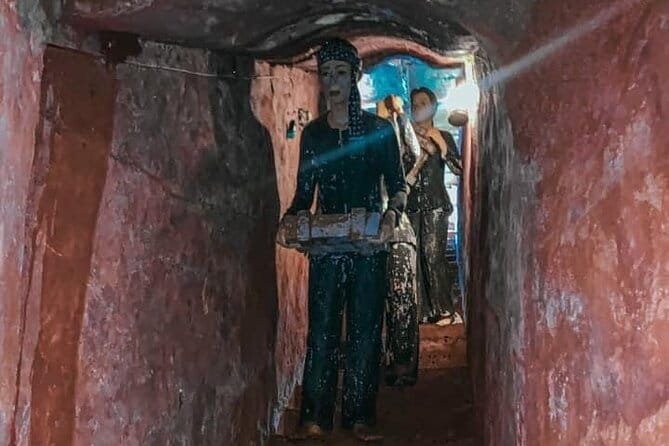
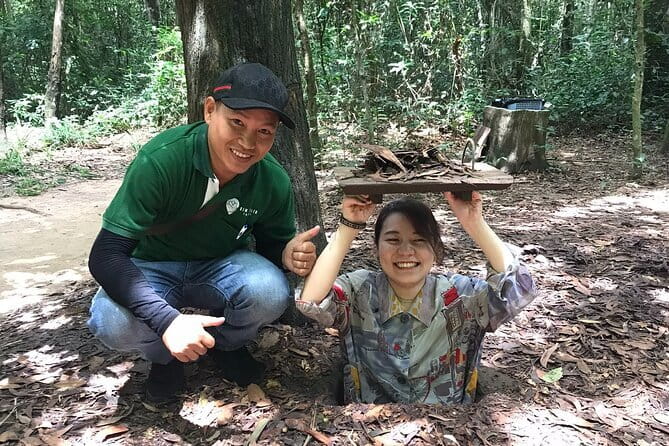
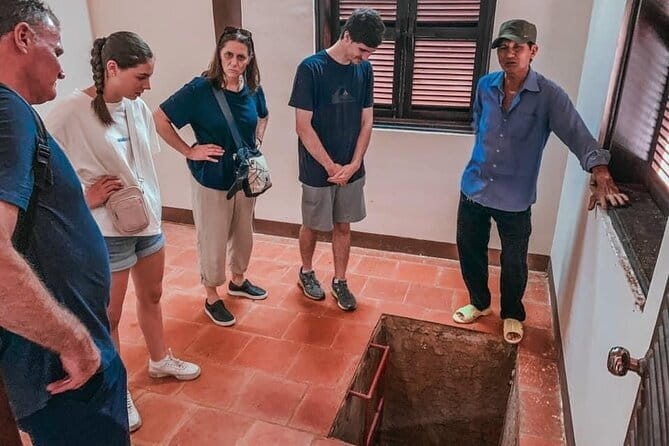
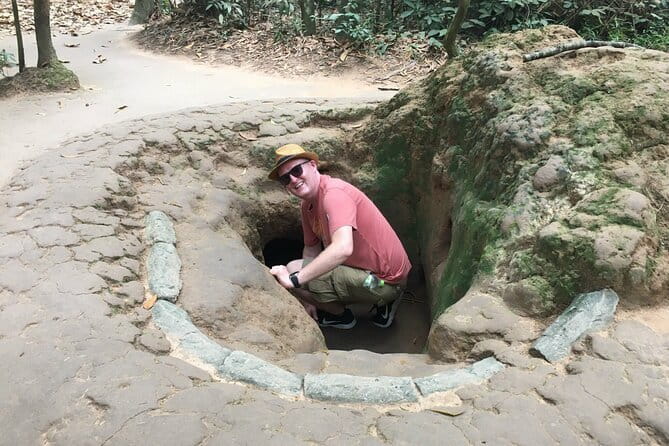
Then you shift from monuments to mechanics—how people actually lived and fought underground. Long Phuoc Tunnels are an underground network used by the Viet Minh and Viet Cong for shelter, communication, and combat. You’ll spend about an hour here, with entrance included.
Tunnels can be tricky on tours. People sometimes expect dark, theatrical set pieces. Here, the value is in the explanation: you learn how underground space supported resilience and tactics. That turns a “cool underground” stop into something more useful—because it shows the logic behind the shelter and the ways communication and operations could continue despite pressure above ground.
Even without going too far into technical claims, you’ll likely come away with a clearer sense of why tunnel systems were strategic, not just desperate. The war wasn’t fought only with firepower. It was fought with planning, concealment, and movement—sometimes literally moving while unseen.
Practical tip: tunnels are naturally more enclosed and can feel cooler or stuffier depending on the setup. If you’re even a little sensitive to tight spaces, go slow and keep a steady pace. Wear clothes you’re comfortable moving in, and don’t rush if you feel boxed in.
The optional Vung Tau beach finish (and how lunch works)
You’ve got choices for how the day ends, and it’s worth matching the option to your energy level.
If you choose the option that focuses only on Long Tan, the day includes a stop for lunch—though lunch is your own expense—and then you head back to Ho Chi Minh City. This keeps the schedule tightly focused on battlefield history, with less time spent on a beach add-on.
If you add Vung Tau beach, you’ll continue to the coast after the battlefield stops. You’ll have time at the beach and also time for local lunch there, before returning to Ho Chi Minh City later in the day. The big benefit here is pacing. After memorials and tunnels, you may want a visual reset—open sky, salt air, and a gentler pace.
The trade-off is that beach time shortens the “thinking time” you might otherwise want after Long Tan. In a perfect world, you’d do battlefield sites and then slowly process them over the rest of the day. The beach option gives you recovery time, but not unlimited it.
Either way, you’ll spend about two hours getting back toward Ho Chi Minh City after the final stop, so plan the rest of your evening accordingly.
You can also read our reviews of more tours and experiences in Ho Chi Minh City





Price and value: what you’re really paying for
At $99 per person, this is positioned as a private day trip with hotel pickup. That price can feel high or reasonable depending on what you’re comparing it to—so here’s the useful way to think about value.
You’re paying for:
- a comfortable car for the day
- an experienced English-speaking guide
- bottled water
- all entrance fee tickets
Those pieces matter because battlefield days add up fast if you’re trying to handle transportation and ticket logistics yourself. When entrance fees are included, you avoid the annoying part of travel where you scramble to confirm what’s covered and what isn’t.
You’re also paying for the private format. Private doesn’t just mean comfort; it means the pace can be adjusted and questions can be answered without a group pressure to move on. For sites like Nui Dat and Long Phuoc Tunnels—where context changes what you notice—that’s a real benefit.
Finally, the tour is described as commonly booked about 21 days in advance on average. That signals demand, which is usually a good sign for value and guide quality, especially when the day trip is specific and not something every operator offers.
If you’re traveling in a group that can split the cost effectively, the “per person” price can feel even smarter. If you’re solo, you’re paying more for privacy, but you’re still getting transportation and tickets wrapped up.
How long is enough time for Long Tan?
This is a 6 to 8 hour day, which is a common length for a Ho Chi Minh City battlefield excursion. The right question isn’t Is it short? It’s Is it long enough to absorb?
Here’s what works:
- You get orientation during the drive.
- You spend focused time at each major stop: Nui Dat, Long Tan Cross, and Long Phuoc Tunnels.
- You don’t get stuck in one place for so long that the day drags.
What you might not get:
- unlimited time for deep, lingering exploration at any single site
- a slow, unhurried pace where you sit with every question
So if you’re the type who wants to read everything, sketch every angle, or spend extra time wandering, you might feel slightly rushed. If you like guided context and a well-paced “see the essentials” day, this is closer to an ideal schedule.
Who should book this tour—and who should skip it
This is a strong fit if you:
- care about the Vietnam War from the Australian perspective (ANZAC-style context is central here)
- enjoy guided interpretation more than unguided wandering
- want battlefield sites grouped logically into one day
- prefer private travel, even if it means a shorter schedule
It’s also a good option for people who want their learning guided but not academic-heavy—your guide’s role is to explain what you’re seeing in a way that helps it make sense.
You might skip it if you:
- strongly dislike emotional memorial settings
- want a beach-first day (this is history-first, beach is optional)
- hate long car rides; the Ho Chi Minh City to Ba Ria – Vung Tau Province drive is part of the deal
Most importantly, check your own comfort with solemn sites. This tour handles remembrance respectfully, but the subject matter is difficult by nature.
Book it or not: my take
I’d book this tour if your priority is a focused, guided battlefield day with entrance fees included, a private group setup, and a guide who knows how to frame the story before you reach the sites. The fact that a guide like Hillbilly Jack can begin with an insightful car presentation is the kind of detail that improves everything that comes after.
I wouldn’t book it if you’re looking for a light, casual outing. Long Tan Cross Memorial and tunnel sites will set a serious tone, and the day is long enough that you’ll feel it by the end.
If you want an Australian Vietnam War day trip that actually helps you understand what you’re looking at—not just see it—this one is worth your time.
FAQ
How long is the Private Long Tan and Nui Dat Australian Battlefield Day Trip?
It runs about 6 to 8 hours total.
Do they pick me up from my hotel in Ho Chi Minh City?
Yes. Hotel pickup is offered.
Is this tour private or shared?
This is a private tour/activity, and only your group participates.
What stops are included during the day?
The day includes Nui Dat SAS Hill, the Long Tan Cross Memorial, and the Long Phuoc Tunnels. There is also an option to continue to Vung Tau beach.
What is included in the $99 per person price?
The tour includes a comfortable car, an experienced English-speaking guide, bottled water, and all entrance fee tickets.
Is lunch included?
If you choose the option that only visits Long Tan, lunch is your own expense. If you choose the option that includes Long Tan and Vung Tau beach, you’ll proceed to Vung Tau beach and have time for local lunch there.
Do I need to buy entrance tickets separately?
No. Entrance fees for the stops are included.
Do I get a mobile ticket?
Yes, mobile ticket is included.
What is the cancellation policy?
You can cancel for free up to 24 hours in advance for a full refund.
Is the tour suitable for most people?
The tour notes that most travelers can participate.