REVIEW · HO CHI MINH CITY
Make 3 Regions Iconic Vietnamese coffees: Brown, Salted, Egg
Book on GetYourGuide →Operated by Vietnam Coffee Journey - Day · Bookable on GetYourGuide
Vietnam’s coffee story fits on one Phin. This 90-minute workshop is built around hands-on making and a clear tour through the country’s coffee regions, using three signature drinks to explain cultural differences. I like the way you get to practice the traditional dripper, then connect each cup to how people actually drink and think about coffee in Vietnam.
I also like that the host, Quynh, runs it like a real F&B pro—organized, energetic, and practical. One consideration: there’s a lot of caffeine, so you’ll want to avoid coffee for at least 2 hours before the class.
In This Review
- Key Points You’ll Care About
- A Map of Vietnam You Can Drink: Brown, Salted Cream, and Egg
- The 90-Minute Flow: From Coffee History to Brewing in Your Hands
- Meet Quynh: The F&B-Style Host Who Keeps It Fun and Clear
- Phin Brewing Tips That Save Your Cup (and Your Time)
- Brown Coffee (South): What a Simple Cup Really Says
- Salted Cream Coffee (Central): Sweet-Salty Balance You Can Taste
- Egg Coffee (North): The Famous North-Style Texture
- The Snack Pairing: Bánh mì with Condensed Milk
- Price and Value: Why $22 for Coffee Lessons Adds Up
- Who Should Book This Workshop (and Who Should Skip It)
- Caffeine Reality Check: Plan Your Day Around It
- Should You Book Vietnam Coffee Journey – Day?
- FAQ
- How long is the coffee workshop?
- What coffees are included in the experience?
- Does the class teach how to use the Phin dripper?
- Is there a snack included?
- Can I request alternatives for dietary needs?
- Is it suitable for children or older adults?
Key Points You’ll Care About

- Phin technique first: you learn the proper way to use the traditional Vietnamese drip dripper.
- Three regions, three flavors: Brown (South), Salted cream (Central), Egg (North) are taught as a cultural map.
- Hands-on and not lecture-heavy: you make the drinks yourself and get tips as you go.
- Four tastings included: you taste multiple coffees, not just what you end up making.
- Small group, calm pace: limited to 6 participants in air-conditioned comfort.
- Dietary options available when you book: vegan, coeliac, and lactose intolerance alternatives are listed.
A Map of Vietnam You Can Drink: Brown, Salted Cream, and Egg

If you want Vietnam in one compact experience, coffee is a smart choice. This workshop turns coffee into a fast cultural lesson: different regions developed different preferences, and you see that in the way each iconic drink is built.
The format is simple. You spend 90 minutes learning Vietnamese coffee basics, then making three famous cups that represent the country’s north, central region, and south. Along the way, you get the background on how coffee became so integrated into daily life here—because it’s not just a beverage. It’s routine, comfort, and local identity, all at once.
What makes it especially useful is that the three drinks aren’t treated like random recipes. They’re presented as a system. So when you taste something like Salted cream coffee, you’re not only thinking it’s sweet and creamy—you understand why that style makes sense for that region’s tastes.
And since it’s a small group session in central-city convenience, you don’t have to plan a half-day around it. It fits into a travel schedule without feeling rushed.
You can also read our reviews of more tours and experiences in Ho Chi Minh City.



The 90-Minute Flow: From Coffee History to Brewing in Your Hands
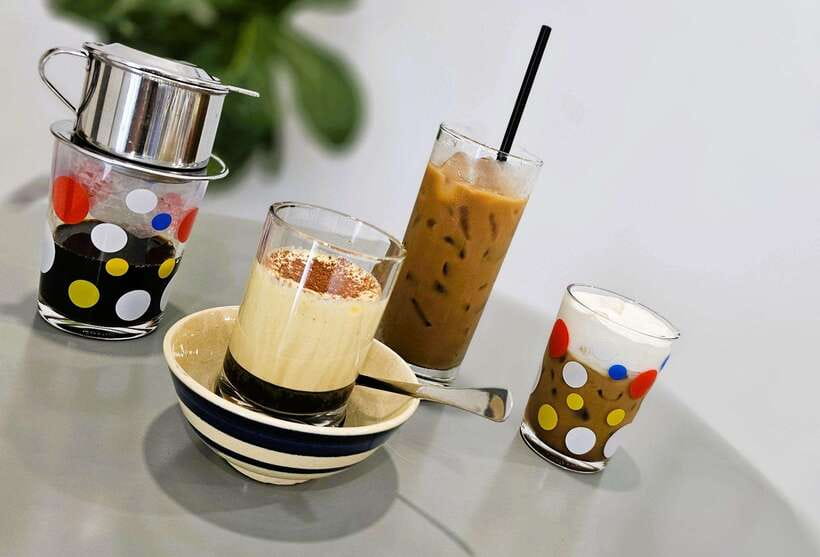
This experience is designed to move fast without becoming chaotic. In just 90 minutes, you cover history, technique, and actual drink-making—so you leave with something you can reproduce at home.
Here’s the typical progression you can expect:
First, you’re set up with a quick orientation: brief Vietnamese coffee history and how coffee became part of everyday life. This matters because it explains why certain flavors show up so often—like why people prefer stronger, more intense coffee profiles, or why sweetness and toppings play a big role.
Next comes the practical core: using the traditional dripper, the Phin. You don’t just watch. You’re taught the proper way to use it, then you apply that knowledge while brewing.
After that, you make three iconic regional drinks:
- Brown coffee for the South
- Salted cream coffee for the Central region
- Egg coffee for the North
Throughout, you get brewing tips. Those little adjustments are the difference between coffee that tastes flat and coffee that tastes like it has structure. And because you’re making the drinks yourself, you’ll notice changes immediately.
Finally, you also get four tastings across the session. That extra tasting time is a big deal for value. You’re not only learning by doing; you’re also learning by comparing.
Meet Quynh: The F&B-Style Host Who Keeps It Fun and Clear
A workshop lives or dies on its guide. Here, the energy comes from Quynh and his background in food and beverage work (he has +16 years experience). The vibe isn’t stiff. It’s organized, with enough humor to keep attention high, but still focused on real technique.
Quynh’s approach is also what makes this work for people who don’t think they’re coffee people. You still get value because the session is built like a guided tasting and skill-building class, not a performance.
What I like about this kind of hosting style is that it gives you permission to ask questions. You can get explanations on the coffee history side, but you can also get practical answers on the brewing side—especially when you’re using the Phin and adjusting what you see and taste.
If you’re the kind of person who enjoys learning how things are made—rather than just trying them once—this format fits you well.
Phin Brewing Tips That Save Your Cup (and Your Time)
The star tool here is the Phin dripper. The workshop specifically recommends learning the proper way to use it, and that’s not a small detail. In Vietnamese coffee, the brewing method changes the output: strength, texture, and how the flavors land on your tongue.
You’ll be taught to pay attention to the steps while brewing, plus you’ll get tips during the process. That’s ideal because it helps you avoid two common traveler mistakes:
1) Brewing that’s too weak
2) Brewing that tastes uneven because you didn’t follow the method closely enough
If you’ve ever made coffee at home and wondered why one batch tastes smooth and another batch tastes rough, it often comes down to technique details. In this class, you learn those “why” mechanics without needing to be a home barista.
And because you’re making the drinks as part of the workshop, you don’t have to take notes and guess later. You can compare taste right away, adjust your approach, and understand what the host is guiding you toward.
Brown Coffee (South): What a Simple Cup Really Says

Let’s start with Brown coffee, the regional pick for the South. This isn’t presented as a complicated specialty. It’s presented as an iconic baseline that shows how coffee is approached in that part of Vietnam.
When you taste Brown coffee in the workshop context, you’re likely to notice it’s built for bold, straightforward satisfaction. It’s the kind of cup that works when you want coffee to feel strong and direct, not hidden under layers of toppings.
As part of the regional explanation, it also helps you understand how different areas developed different expectations for sweetness, milk use, and overall balance. Even if you don’t become a coffee expert overnight, you’ll at least leave with a clear mental model of what “South-style” coffee means.
This is a great first drink in the lineup too. If you’re new to Vietnamese coffee, Brown coffee gives you an anchor flavor before you move on to the more distinctive styles.





Salted Cream Coffee (Central): Sweet-Salty Balance You Can Taste

Next up is Salted cream coffee, the Central Vietnam signature. This is where the workshop’s “culture through drinks” idea becomes easy to grasp.
Salted cream coffee is about contrast: creamy and sweet on top, with coffee that still shows through. The salted element isn’t just a trendy topping—it makes the flavor feel more dimensional. It also changes how sweetness reads, so the cup doesn’t end up one-note.
In this class, you don’t just learn what it tastes like; you learn why this kind of flavor makes sense as a regional preference. The host connects the drink to the broader regional differences, so you can understand it as a choice, not an accident.
If you’re someone who finds straight black coffee too intense, salted cream versions are often the gateway. They still taste like coffee, but the cream texture and the salt-brightening effect make it more approachable.
Egg Coffee (North): The Famous North-Style Texture
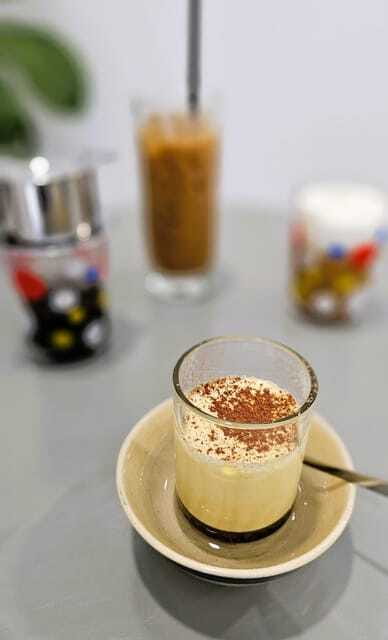
Then comes the headline style for the North: Egg coffee. This is one of those drinks people recognize immediately, but tasting and making it in a structured way makes a big difference.
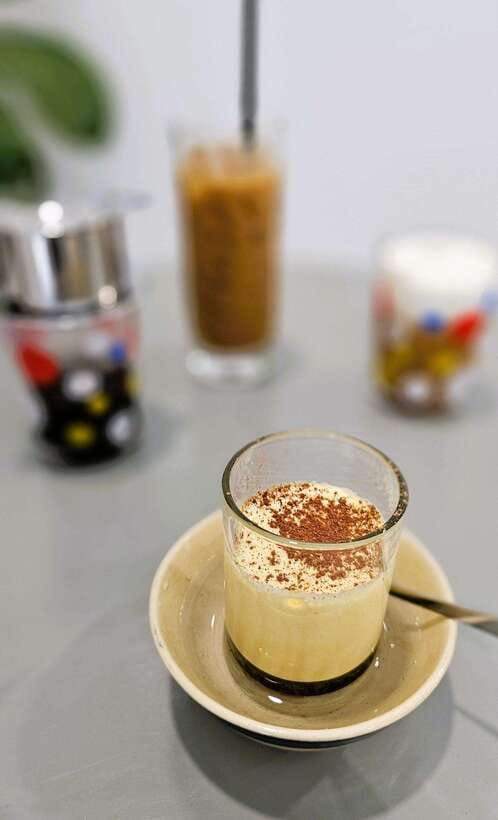
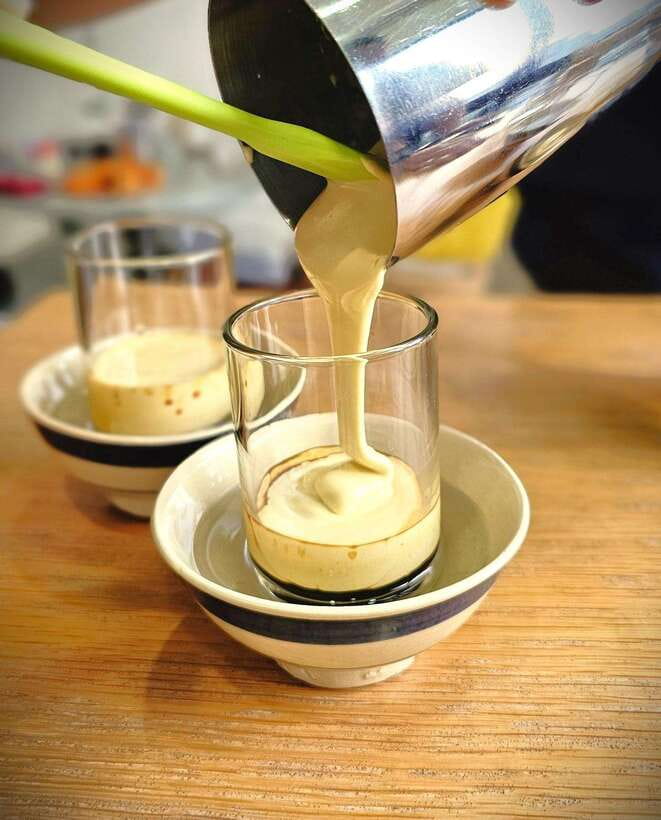
Egg coffee is known for its distinctive texture—creamy, custard-like, and slightly indulgent—paired with the coffee base. The magic is how the egg component changes mouthfeel and how it interacts with the coffee underneath.
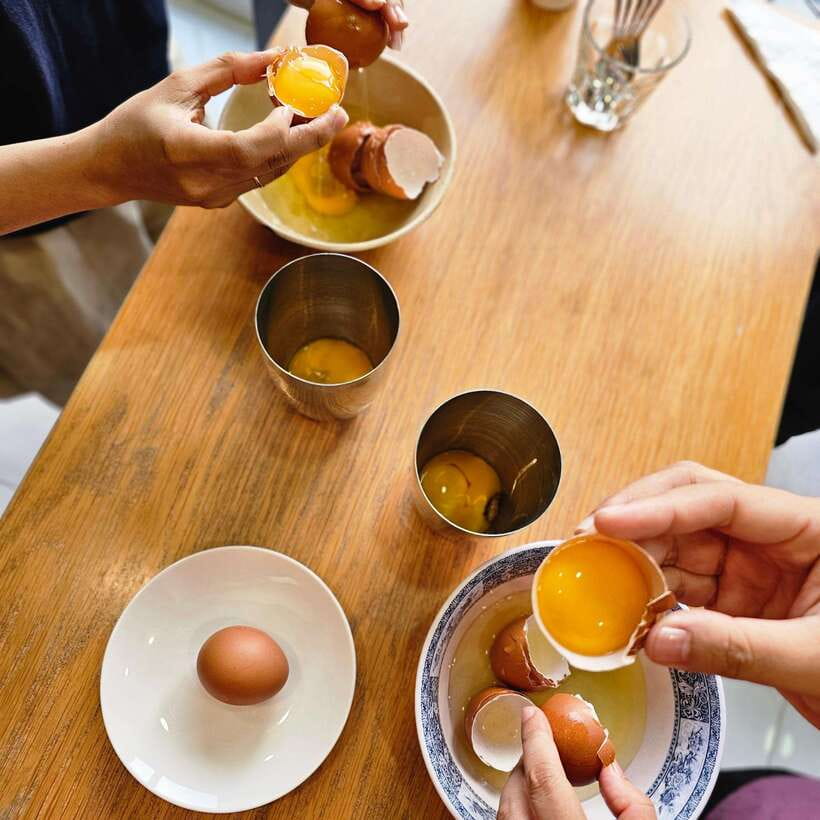
In this workshop, you also get brewing tips and guidance as you make it. That matters because egg coffee isn’t just about the egg element. It depends on having a properly brewed coffee foundation from the start. With the Phin method, you learn how to set yourself up for the right result.
If you want a souvenir flavor you can actually recreate later, egg coffee is a strong candidate. You’ll leave with more than a taste memory—you’ll have seen the process and understood how the coffee base fits into the final cup.
The Snack Pairing: Bánh mì with Condensed Milk
Food pairing is included here and it’s not just a token. You get a simple local snack: plain bánh mì with condensed milk.
This is a practical addition because it balances the caffeine. Also, it helps you experience another side of everyday Vietnamese sweet-salty flavor logic. It’s not a gourmet detour. It’s meant to keep you comfortable while you taste and make multiple coffees.
If you have dietary needs, the workshop lists alternatives when you book (including vegan and coeliac and lactose intolerance options). So it’s worth flagging your requirements early.
Price and Value: Why $22 for Coffee Lessons Adds Up
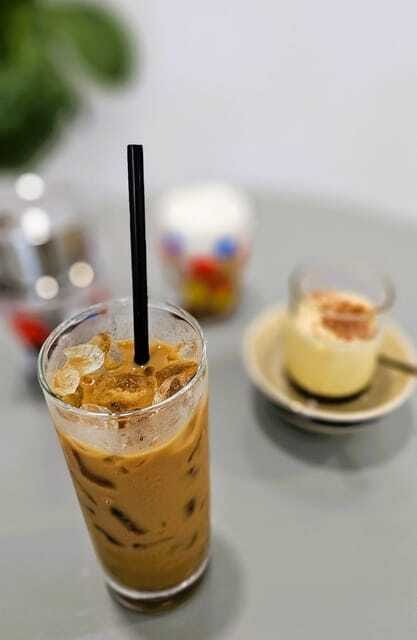
At $22 per person for 90 minutes, this isn’t just a drink stop. It’s a skill-based tasting session with:
- Four tastings
- Making three iconic regional coffees yourself
- A snack
- Air-conditioned seating
- Small group size (limited to 6)
- Everything included with no other charges
The value isn’t only the price. It’s what you walk away with: technique you can repeat. If you’re the type who likes to learn how a dish is built, this workshop gives you a real “do this again later” outcome.
Also, since the location is described as convenient and in the heart of the city, you’re not paying a premium in time just to reach it. That matters when you’re juggling day trips, busy markets, or multiple neighborhoods.
Who Should Book This Workshop (and Who Should Skip It)
This experience fits best if you want a structured, hands-on introduction to Vietnamese coffee styles.
You’ll likely love it if:
- you enjoy making food or drinks, not just tasting
- you like learning the meaning behind what you eat
- you want a compact way to understand regional differences in Vietnam
It’s not suitable for:
- children under 14 years
- people over 95 years
- and there’s a note that conflicts with the word wheelchair accessible. The activity is listed as wheelchair accessible, but it also states it’s not suitable for wheelchair users. If mobility is a factor for you, check directly when you book so you don’t arrive with the wrong expectations.
Caffeine Reality Check: Plan Your Day Around It
The session includes coffee and the workshop notes that there’s lots of caffeine. It recommends that you avoid coffee within 2 hours before the starting time.
This is one of those “sounds obvious until it isn’t” travel tips. If you’ve been doing early mornings and strong coffees already, you might feel jittery. If you’re sensitive to caffeine, adjust your schedule and keep your morning lighter.
If you manage timing, it’s a great experience because the caffeine keeps the tasting vivid and the flavors easy to detect. Just don’t sabotage yourself right before starting.
Should You Book Vietnam Coffee Journey – Day?
I’d book it if you want an efficient, hands-on way to understand Vietnamese coffee and the regional identities behind it. The small group limit, the clear focus on Phin brewing, and the fact you taste multiple coffees while making three iconic drinks yourself give you more than a quick souvenir tasting.
Skip it if you’re strictly trying to avoid caffeine, if you’re traveling with younger kids, or if mobility access is a primary concern for you and you’re not able to confirm how the wheelchair-accessible note applies in practice.
If you want one “Vietnam coffee” experience that actually teaches you something tangible, this is a strong bet—and Quynh’s style keeps it engaging the whole time.
FAQ
How long is the coffee workshop?
The duration is 90 minutes. It’s listed as a small group experience with limited participants.
What coffees are included in the experience?
You get four tastings of coffees, and you make three iconic Vietnamese coffees representing different regions: Brown coffee (South), Salted cream coffee (Central), and Egg coffee (North).
Does the class teach how to use the Phin dripper?
Yes. The workshop includes recommendations on the proper way to use the traditional Phin dripper, plus tips while brewing.
Is there a snack included?
Yes. A simple local snack is included: plain bánh mì with condensed milk.
Can I request alternatives for dietary needs?
Yes. Alternatives are listed for Vegan / Coeliac / Lactose Intolerance guests—just note your needs when you book.
Is it suitable for children or older adults?
It’s not suitable for children under 14 years and people over 95 years. It also notes wheelchair accessibility but separately states it is not suitable for wheelchair users, so it’s best to confirm when booking.