Saigon’s underground stories start here. This walking tour strings together Vietnam War relics, powerful memorials, and big-name French-colonial sights, all with a guide who keeps things human and easy to follow. I like the small group feel—it’s capped at a tight number—so you can actually ask questions, not just shuffle along. I also like the blend of “show me the architecture” with “show me the consequences,” from the Saigon Secret Weapons Cellar to the War Remnants Museum.
One thing to consider: the $0.71 price is more of a booking anchor than what you’ll spend for the day, since you’ll pay small admissions for the weapon bunker and the museum. Also, the War Remnants Museum can be heavy, so if you prefer lighter history, plan accordingly.
In This Review
- Key Things I’d Watch For
- A Half-Day Saigon Walk That Doesn’t Feel Rushed
- Price and What You’ll Actually Pay
- Meeting at 7-Eleven and Building a Simple Game Plan
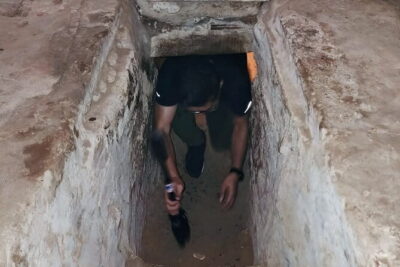
- The Secret Weapons Cellar: Saigon’s War Underground
- Meeting a Guide’s Family World (and Why It Matters)
- Thích Quảng Đức Memorial: Protest You Can Still Feel
- French Archbishop’s Palace and the 1790 Surprise
- War Remnants Museum: Powerful, Organized, and Not for the Fainthearted
- Jade Emperor Pagoda: Religion as Living Culture
- Lê Quý Đôn High School: French Colonial Education, Up Close
- Independence Palace: The End of the War, Preserved Rooms, One Big Moment
- How the Small-Group Format Improves Real Learning
- What This Tour Is Best For
- Should You Book This Saigon Bunker Walking Tour?
- FAQ
- How long is the Ho Chi Minh City Hidden Bunker and Vietnam War walking tour?
- Is the tour free?
- Do I need to pay admission fees during the tour?
- How large is the group?
- Where do I meet the guide?
- Is there a vegetarian option?
- Can I cancel and get a refund?
Key Things I’d Watch For
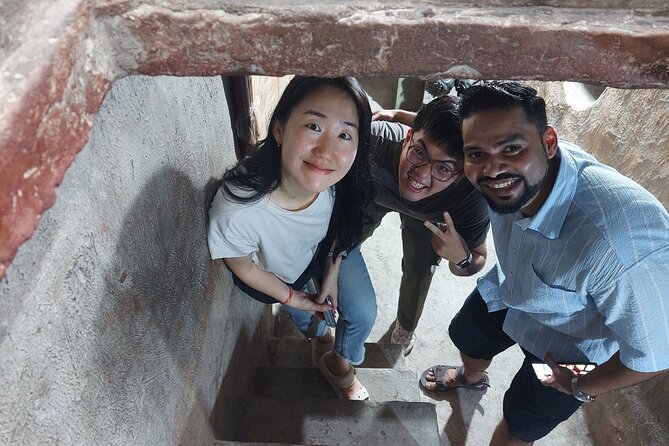
- Secret Weapons Cellar stop: a Vietnam War bunker relic that many people skip.
- Joseph as a standout guide: extra effort, warm energy, and practical help when needed.
- Tight walking-group experience: capped at a small number for real conversation.
- Memorials with real meaning: the Thích Quảng Đức tribute is not just a photo stop.
- Two ticketed “power points”: weapon bunker and War Remnants Museum cost extra.
- Old Saigon + religion stops: French-era buildings plus Vietnamese faith at the Jade Emperor Pagoda.
A Half-Day Saigon Walk That Doesn’t Feel Rushed
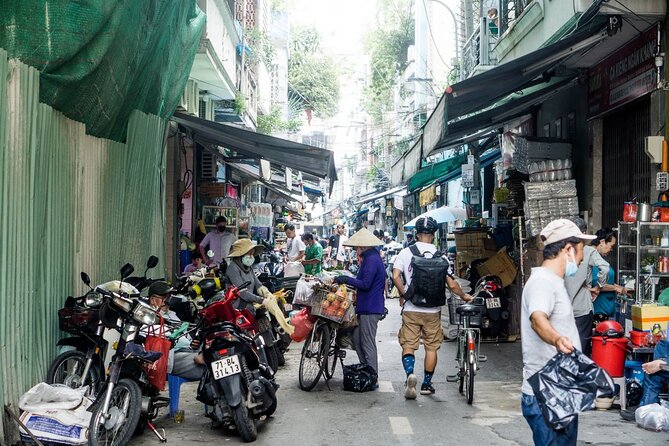
This is the kind of tour you take when you want your first taste of Ho Chi Minh City—without spending the whole day on buses or guessing what’s worth seeing. The format is built around a smooth downtown walk, with stops designed to layer different parts of the city story: French colonial power, post-colonial change, Vietnamese religion, and the lingering weight of war.
What makes it work for you is the pacing. You’re not stuck in one museum room for hours. You hit a series of short, focused stops—then you get one longer museum time—so you can keep your energy while still getting real depth.
And yes, you’ll see the big visual landmarks people come for, like the Central Post Office area and the Saigon Notre-Dame Basilica zone. But you’ll also spend time on less expected places, like a secret bunker and memorial sites that turn the walk into something more than sightseeing.
You can also read our reviews of more walking tours in Ho Chi Minh City



Price and What You’ll Actually Pay
On paper, the price looks almost too good to be true. It’s listed at $0.71 per person and the tour runs on a tips-only basis, so your main “payment” is what you choose to leave your guide at the end.
Still, keep one detail in your budget: admissions aren’t all included. You’ll pay about $2.00 per person for the Weapon Bunker and the War Remnants Museum. It’s not a huge add-on, but it’s enough that you’ll want cash or an easy payment plan ready.
Value-wise, I think this tour is a bargain because you’re getting:
- a local English-speaking guide
- a small-group feel
- multiple meaningful sites, including one bunker stop that costs extra to enter
At the end of the day, you’re not just buying entry tickets. You’re buying context—and that’s where tours like this pay off.
Meeting at 7-Eleven and Building a Simple Game Plan
You start near 7-Eleven, 23 Tôn Thất Tùng in District 1. That’s useful because it’s a straightforward, easy-to-find landmark in an area where traffic can be a headache. The tour ends around Independence Palace (Ben Thanh area), so you finish right where you can keep exploring on your own.
The main game plan is simple: you’ll walk downtown, stop often, and then spend your heavier time at the War Remnants Museum. If you’re thinking about meals, plan lunch afterward. Your feet will be doing most of the work, and you may want a coffee break after the museum.
The Secret Weapons Cellar: Saigon’s War Underground
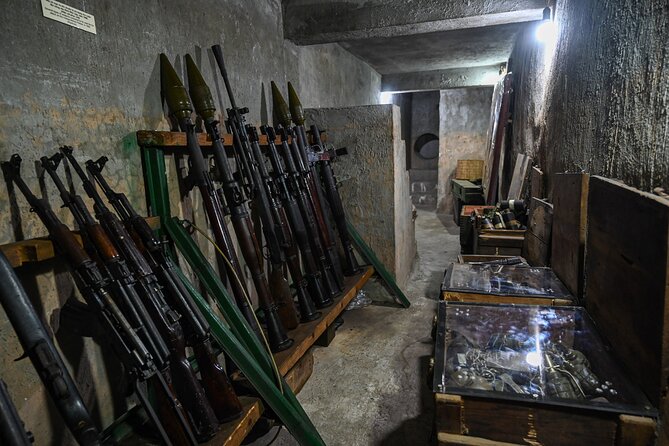
This is the stop that makes the tour feel different. The Saigon Secret Weapons Bunker is the kind of Vietnam War site that doesn’t always get top billing from typical sightseeing routes. The experience is built around the idea that you’ll see how people used ingenuity under pressure—turning a hidden facility into a story you can actually stand in.
Expect a focused, guided time here—long enough to understand what you’re looking at, not long enough to make it feel like a lecture. The fact that the admission is included for this stop matters too, since you’re already paying that $2.00 total for ticketed entries.
Practical tip: if you tend to get claustrophobic, you might feel a bit more aware underground. Nothing is mentioned about comfort levels, so you’ll want to use your own instincts.
Meeting a Guide’s Family World (and Why It Matters)
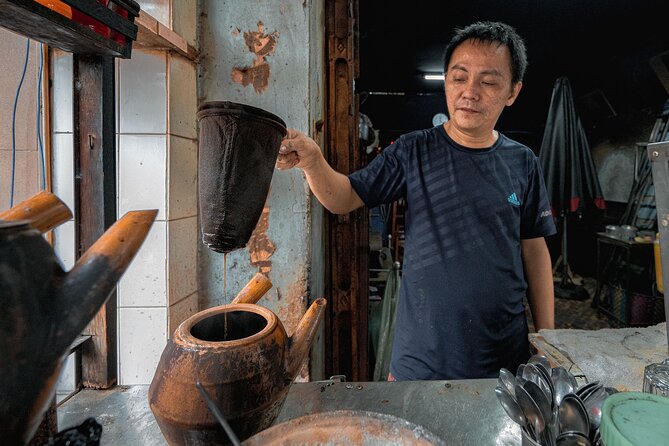
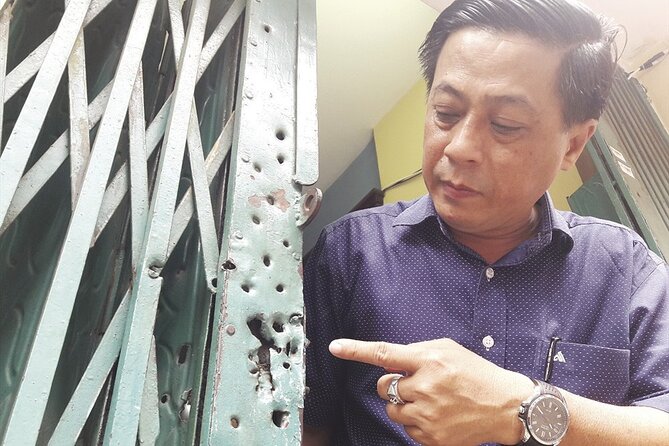
One of the most memorable parts is the stop that takes you off the standard tourist path and into a place tied to your guide’s life. You sit together—more like a conversation than a performance—and you’ll see history in photos and hear stories connected to daily Vietnamese life.
This matters because it changes the tone of the day. Instead of only absorbing official narratives from monuments and museums, you also get the human-scale version: family stories, personal context, and what the past looks like when it lives in someone’s home.
In the best version of this experience, you also get practical warmth. In one instance, the guide named Joseph helped with logistics and even offered support when someone was short on local currency—so you didn’t have to stop the day from feeling fun.
You can also read our reviews of more city tours in Ho Chi Minh City



Thích Quảng Đức Memorial: Protest You Can Still Feel
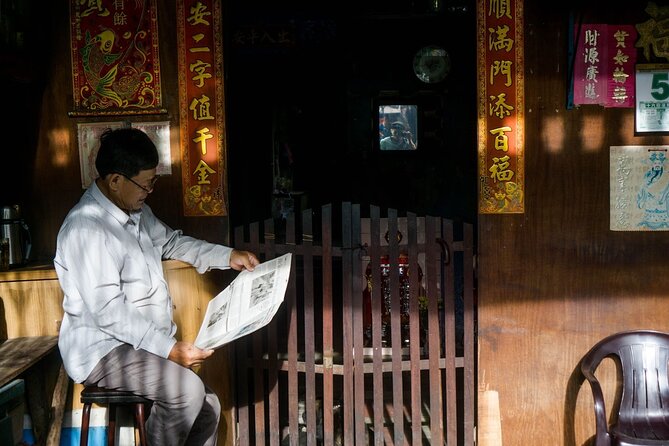
Next up is the Thích Quảng Đức Memorial, honoring the Buddhist monk known for self-immolation in protest. This is one of those stops where you’re not looking for a pretty building—you’re meeting a moment of moral force that still affects how people understand the war and its social impact.
The guide’s job here is crucial. Without context, it can turn into just another plaque. With context, it becomes a way to understand how religion and politics collided in Vietnam’s 20th-century history.
Expect a moving tribute and then a bridge into broader war history, framed in a way that helps you connect the memorial to the larger story you’re learning throughout the walk.
French Archbishop’s Palace and the 1790 Surprise
Saigon’s French Archbishop’s Palace area is visually imposing, and it holds a longer story than many people expect. You’ll also learn that the tiled chapel connected to the area dates back to 1790, long before the reign of Emperor Gia Long.
That time marker matters. It helps you realize you’re walking through layers, not a single era. A building that looks “French” at first glance still sits on a timeline that goes back earlier Vietnamese rule—then shifts again under later influences.
This stop is short in your schedule, but it’s a good one for sharpening your city reading skills. You start noticing how architecture becomes politics: who had power, whose style took over, and how those choices still shape what you see on the street today.
War Remnants Museum: Powerful, Organized, and Not for the Fainthearted
The War Remnants Museum is where the tour turns serious. You’ll spend about one hour here, with exhibits, photographs, and military artifacts showing the impact of the Vietnam War on people and places.
This is not a casual museum. The tone is meant to confront, and it’s exactly why it’s worth including on a first trip. You can’t really understand the city’s modern attitude toward war without seeing how that history is presented in one place.
What I appreciate is that the museum time is long enough to give you substance, but not so long that you lose the thread of the rest of your day. You’ll likely leave with your head full and your eyes tired. That’s normal.
And remember the practical part: the museum ticket isn’t included in the base tour price, and you’ll pay the $2.00 per person admission portion along with the bunker entry total.
Jade Emperor Pagoda: Religion as Living Culture
The overview includes a visit to the Jade Emperor Pagoda, and that stop adds an important counterweight to the war sites. This is Vietnamese religious life you can see in action, not just in a museum display.
What you’ll get from this part of the tour is a sense that Saigon isn’t only about history in the political sense. It’s also about belief, ritual, and how people make meaning in the middle of a fast-moving city.
Even if temples aren’t usually your thing, this can be a great reset between heavy memories. It gives your brain a different kind of context: spiritual continuity instead of conflict continuity.
Lê Quý Đôn High School: French Colonial Education, Up Close
You’ll stop at Lê Quý Đôn High School, described as the first French colonial school in Saigon. That’s a specific detail, and it helps you understand that colonization wasn’t just about buildings and flags—it was also about training people and shaping what future generations learned.
This stop is brief, so focus on what you can absorb quickly: the visual language of the period and the idea of how education systems can shift culture. It’s the kind of place that’s easy to walk past without noticing, which makes it a good match for this tour’s goal of guiding you toward what’s usually missed.
Independence Palace: The End of the War, Preserved Rooms, One Big Moment
The tour finishes with a visit to Independence Palace, known as the site where the Vietnam War ended in 1975. You’ll see it as it exists today: preserved rooms and the feeling of a command center that once operated with urgency.
This is one of those places where the stories you’ve heard all day start stacking neatly in your head. The bunker helped you grasp survival and secrecy. The memorial helped you understand moral protest. The museum showed the human cost. Then Independence Palace gives you the political end point, preserved so you can walk through the space where that moment happened.
The palace admission isn’t listed as included, so if it’s part of your paid pathway, expect an extra cost for entry. Your guide can help you understand what to pay and what you’ll be able to see.
How the Small-Group Format Improves Real Learning
The tour is capped at a small number, and it shows in the way your questions get answered. When you’re in a group that’s too big, guides talk at you. Here, you’re more likely to be asked something back, or to get a direct explanation tied to what you’re seeing right now.
This is also where the guide support from Joseph becomes part of the value. A guide who goes the extra mile—like organizing transfers or helping solve a problem so you can grab an iced coconut coffee instead of worrying about money—changes how your day feels. It turns history into something you can still enjoy while you’re learning.
What This Tour Is Best For
I’d book this if:
- it’s your first visit to Ho Chi Minh City and you want a smart “starter course”
- you want a mix of downtown landmarks and the Vietnam War side of the story
- you like small-group walking tours where you can ask questions
It might not be your best fit if:
- you want only upbeat, light stops
- you hate paying small additional admissions for attractions you care about
- you’re uncomfortable with war-related exhibits
In short: this is a history-focused walk, with some architecture and faith sites layered in. If you can handle that mix, it’s a strong choice.
Should You Book This Saigon Bunker Walking Tour?
Yes—if you’re looking for an efficient first-day orientation that goes beyond postcards. The tips-only setup plus the small group feel makes it excellent value, and the inclusion of the Secret Weapons Cellar gives you a different angle on the Vietnam War.
I’d just go in with two expectations: plan a little extra for admissions (weapon bunker and the War Remnants Museum), and be ready for emotionally heavy content at the museum. If that sounds doable, you’ll get a memorable, well-guided Saigon walk with a guide like Joseph who actually helps you enjoy the day, not just march through stops.
FAQ
How long is the Ho Chi Minh City Hidden Bunker and Vietnam War walking tour?
The tour runs about 2 to 3 hours.
Is the tour free?
The tour is priced very low and it operates on a tips-only basis.
Do I need to pay admission fees during the tour?
Yes. The weapon bunker and the War Remnants Museum have admission fees of about $2.00 per person. Other stops listed are marked as free admission.
How large is the group?
The experience is described as a small group capped at no larger than eight travelers, and the activity has a maximum of 20 travelers.
Where do I meet the guide?
The tour starts at 7-Eleven, 23 Tôn Thất Tùng, Phường Phạm Ngũ Lão, Quận 1.
Is there a vegetarian option?
Yes. A vegetarian option is available if you advise at booking.
Can I cancel and get a refund?
You can cancel for a full refund if you cancel at least 24 hours in advance. If you cancel less than 24 hours before the start time, the amount paid isn’t refunded.