REVIEW · HO CHI MINH CITY
Small-Group Tour to Can Gio Vam Sat Mangrove Forest
Book on Viator →Operated by Ginkgo Voyage · Bookable on Viator
Can Gio is a nature reset just outside Saigon. I love the small-group pace and how you get out on the water early, because that’s when the mangroves feel most alive. The day pairs fruit-bat spotting with a walk to bird areas, plus lunch and a later stop at a crocodile lake. The main thing to consider is that the big bird moment depends on season, so your sightings can vary.
Here’s the tradeoff: if you’re hoping for nonstop wildlife on demand, this isn’t that kind of tour. It’s more about patient watching in a real UNESCO mangrove reserve, with a bit of walking and waiting for wildlife to show up.
In This Review
- Key highlights worth planning around
- Why Can Gio and Vam Sat feel like a real break from Ho Chi Minh City
- Getting there: 7:30 start, air-conditioned comfort, and what the drive accomplishes
- On the water first: rowing and canoe time through mangrove waterways
- Large fruit bats: what the bat area is really good for
- Bird reserve season vs. salt-production months (and why it changes the day)
- Lunch at a local eco restaurant: fueling up without killing the vibe
- The crocodile lake walk: chances to see crocodiles and forest-edge monkeys
- Small-group reality: maximum 10 travelers and an English-speaking guide
- Price and value: how $129 stacks up for this UNESCO mangrove day
- Who should book this Can Gio–Vam Sat day (and who might not love it)
- Should you book it? My decision checklist
- FAQ
- How long is the Can Gio Vam Sat small-group tour?
- What time does the tour start?
- Where does the tour start and end?
- Is hotel pickup and drop-off included?
- What’s included in the price?
- Is there a boat or canoe ride?
- When do you visit the bird reserve?
- What happens during April through October?
- Is lunch included?
- What is the cancellation policy?
Key highlights worth planning around
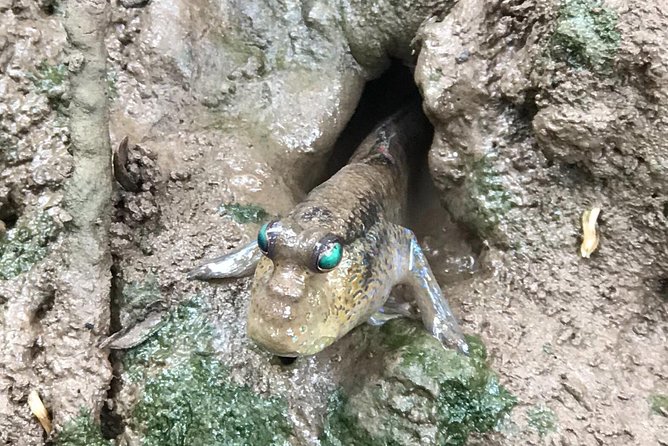
- UNESCO Biosphere Reserve: Can Gio is listed in the UNESCO World Network of Biosphere Reserves.
- River boat + rowing canoe time: You’ll ride along the waterways to reach the bat zone.
- Large fruit bats: A dedicated stop focuses on these big flyers.
- Watchtower bird viewing (seasonal): During Nov–May, you can climb up and scan thousands of birds.
- Crocodile lake walk: A later nature walk includes chances to see crocodiles and monkeys at the forest edge.
- Max 10 people: Small-group feel, with an English-speaking guide and water included.
Why Can Gio and Vam Sat feel like a real break from Ho Chi Minh City
Ho Chi Minh City can feel loud and fast. This tour gives you a different rhythm within a few hours: drive out, get on the water, then slow down and watch.
Can Gio – Vam Sat is a UNESCO-listed biosphere reserve and wetland system, and the numbers are big enough to matter: more than 200 species of animals and 52 species of plants. On this kind of day, those aren’t just facts on a brochure. They’re the reason the guides keep the focus on what you’re actually seeing—where animals live, how the mangroves work, and why certain spots are better at certain times.
The best part is that you’re not stuck in a bus for long stretches. Once you’re in the reserve area, the schedule shifts from driving to paddling and short walks. That means your time in Can Gio feels less like sightseeing and more like being in the ecosystem—quiet, humid, and full of small movement you have to look for.
You can also read our reviews of more tours and experiences in Ho Chi Minh City.
Getting there: 7:30 start, air-conditioned comfort, and what the drive accomplishes
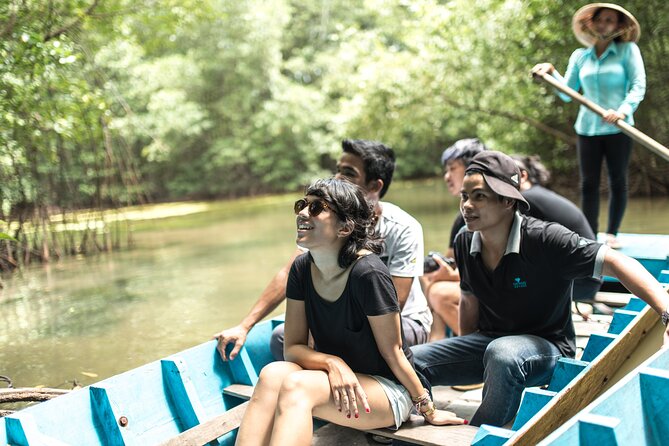
The day starts early. Pickup is at 7:30 am from the meeting point area at 10 Lê Lợi, Quận 1, and for some hotels you’ll get actual hotel pickup. You’ll head out by AC mini-van for about 1.5 hours to the Can Gio – Vam Sat port area.
That ride matters. It positions you to start the wildlife portion before the heat and crowds build up. It also means you don’t waste your morning figuring out transport or where to dock. Instead, you can use the drive time to get oriented: the reserve is not just one park with one view. It’s a network of waterways and zones, and the best experiences come from going step by step.
You’ll also get the practical essentials baked in: lunch is included, entrance fees are included, and you get water (1 bottle per person). This is one of those small-group tours where the comforts help you spend your attention on the natural stuff—not logistics.
One more note: the tour requires a moderate physical fitness level. It’s not a marathon, but you will be walking—plus there’s the watchtower climb during bird season.
On the water first: rowing and canoe time through mangrove waterways
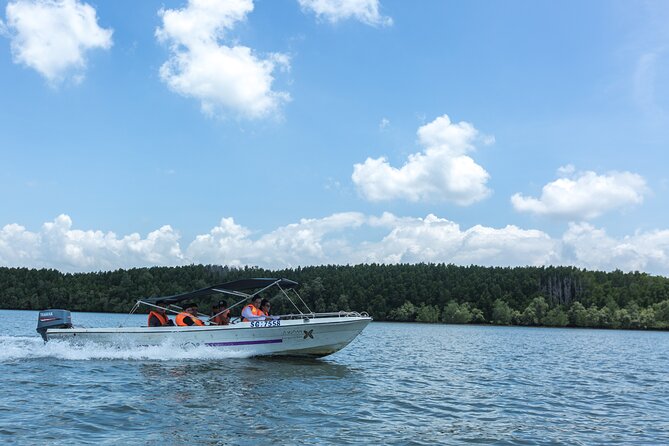
The heart of the experience is the time on the water. After reaching the port, you’ll head into the reserve by boat and rowing/canoe-style activity to explore the river system.
Why this is a big deal: mangroves don’t work like a typical forest where everything is reachable on foot. You reach different zones by water. So the boat portion isn’t just for fun scenery—it’s part of how the tour gets you to the wildlife areas.
In the bat section, your guide focuses on the large fruit bats. These are the types of animals you don’t want to chase. You want to be positioned correctly and then pay attention. Being on the river and moving at a slower pace gives you a chance to notice details: where the flight paths tend to be, how the reserve sounds change, and how the mangroves create sheltered pockets.
If you’re the type who likes photos, you’ll still get plenty of chances—but the more important “shot” is learning how to watch. Look up when the group cues; scan the edges when the guide points out likely areas. This tour is built around those moments, not just driving by them.
Large fruit bats: what the bat area is really good for
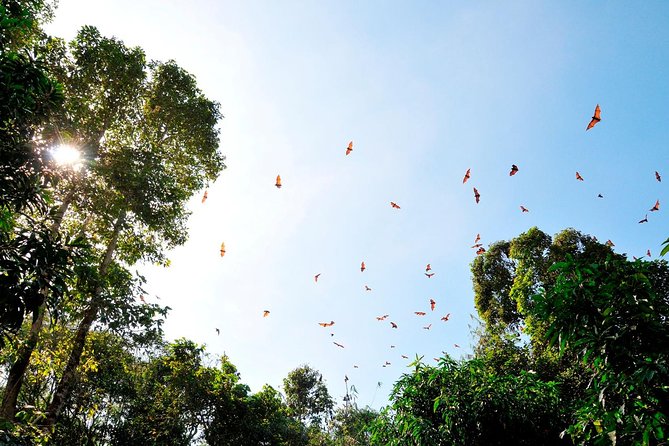
The bat stop is one of the most memorable parts of the day. The idea is simple: you move to the bat area and then you look for large fruit bats in their active environment.
Here’s the practical mindset I’d bring: you’re in a live wildlife setting, not a zoo. You don’t control the animals’ timing. So your success isn’t only about luck—it’s about staying observant and following the guide’s rhythm.
Also, the tour structure helps. You’re not only relying on one quick glance. There’s a sequence: you take the waterways out, then you shift to land for the next nature segment. That pacing gives you time to adjust your eyes and attention before you get to the bird reserve.
If you care about seeing wildlife beyond birds—bats are a refreshing option. They’re also a strong reason to pick this tour instead of another “mangrove walk” style outing. The reserve’s wildlife isn’t only on branches. It moves through air as well.
Bird reserve season vs. salt-production months (and why it changes the day)
This is the main variable in the itinerary. During November through May—the bird breeding season—the tour continues on foot to a nearby bird reserve where you can climb a watchtower and observe large numbers of birds.
During the April through October non-breeding season, the bird reserve visit changes. Instead, you’ll learn about local salt production rather than visit the bird reserve.
So, what should you do with that information?
- If your trip lands in Nov–May, plan for serious bird watching. The watchtower climb is part of the payoff. One detail that stands out from the experience is that the viewing point can put you around 26 meters up, which helps you scan for movement and flocks.
- If your trip lands in Apr–Oct, expect a different kind of nature-plus-human-interest day. You’ll trade bird density for a salt-production angle, which can still be interesting, but it won’t deliver the same bird intensity.
Either way, the guide keeps the day tied to the natural world and the reserve’s function. Just don’t assume the watchtower moment will be identical year-round.
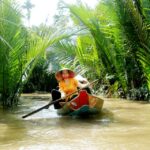

Lunch at a local eco restaurant: fueling up without killing the vibe
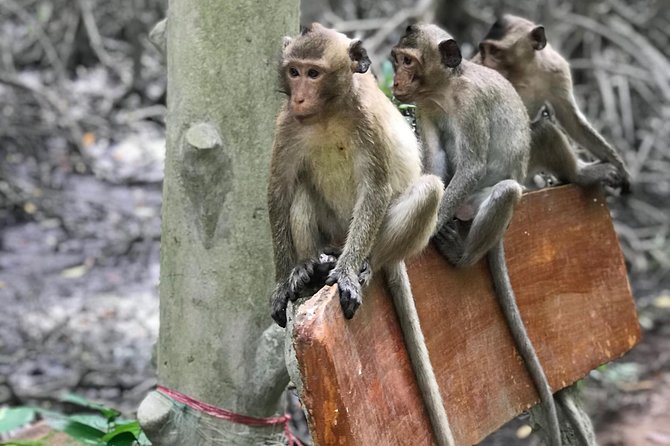
Lunch is included, and it happens after your earlier wildlife and water segments. You’ll eat at a nearby local eco restaurant, which fits the day’s overall theme: not fancy, not scripted, just food that keeps you going.
How to think about this meal: you’re spending the day in outdoor conditions. Even in the morning, it can get warm. The best choice is to eat what’s easiest to digest and then plan to stay flexible for the afternoon walking.
You don’t need to over-optimize lunch. Your main job after food is to stay alert for the next stop—the crocodile lake area—and to be ready for any wildlife moments that pop up along the edges of the path.
If you’re picky, keep it practical. The tour includes lunch, so you likely won’t be ordering your own perfect plan like you would at a full-service restaurant back in the city. Go in hungry, eat well, and save your energy for the next walk.
The crocodile lake walk: chances to see crocodiles and forest-edge monkeys
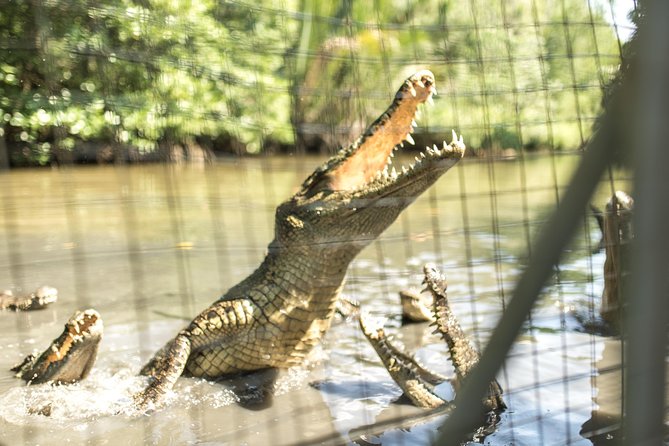
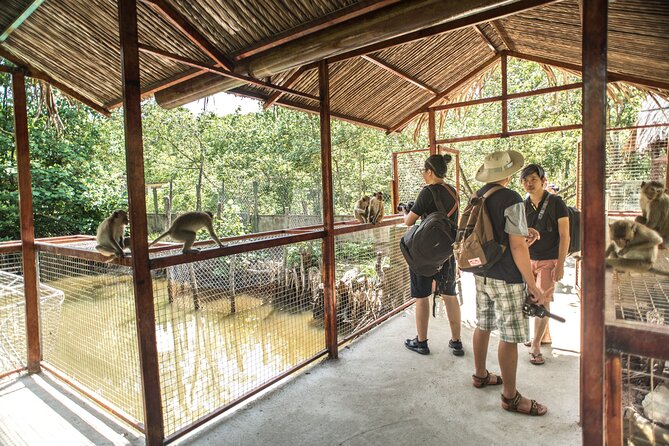
After lunch, the day shifts to the afternoon nature walk toward a natural crocodile lake. This is where the tour earns its full wildlife identity.
The setup is straightforward: you walk, you watch the water, and you look toward the forest edges. The goal is to see crocodiles in the lake. You may also spot wild monkeys that sometimes appear at the edge of the forest.
Two important points to keep your expectations realistic:
- Animals don’t show up on your schedule.
- Your best odds come from patience and staying with the group and guide cues.
This is also a good moment to enjoy the reserve as a living place rather than a list of stops. Mangrove areas can change hour by hour, and the mix of water, shoreline, and undergrowth creates lots of micro-habitats. Even when you don’t see something immediately, the walk helps you understand how the ecosystem is structured.
If you’re someone who likes “small wins,” this stop can deliver exactly that—quiet moments, quick sightings, and the satisfaction of spotting wildlife in a setting that still feels wild.
Small-group reality: maximum 10 travelers and an English-speaking guide
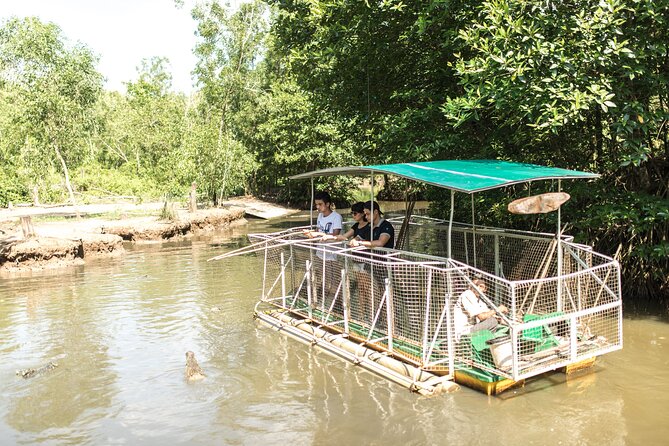
This tour runs with a maximum of 10 travelers, which is exactly the right size for wildlife watching. Big groups struggle in places where you need to line up, look, and move quietly. Here, you can actually hear the guide, and you can find your own viewing spot without a crowd bottleneck.
An English-speaking guide leads the day and keeps attention on the natural world. In practice, that means you’re not only hearing where to go—you’re learning what you’re likely to see and why the reserve behaves the way it does.
Comfort details are handled too. You get an AC mini-van, water, and a full-day structure that includes boat time and walks rather than endless transfers. The result feels like a day tour that respects your time and energy.
Also, confirmation is received after booking, and the tour requires a minimum of 2 people per booking. That matters because it affects whether the group runs as planned.
Price and value: how $129 stacks up for this UNESCO mangrove day
At $129, you’re paying for a lot more than a bus trip. You’re paying for the whole package: hotel pickup/drop-off (selected hotels), air-conditioned transport, lunch, an English-speaking guide, entrance fees, water, and a boat ride.
Value is about what you get relative to your effort and what you would otherwise have to manage yourself. If you tried to piece it together independently, you’d still need transport out to Can Gio, entry costs, a way to reach the correct waterways, and a guide who can interpret what you’re seeing. This tour wraps that up into one predictable day.
That said, there is a legitimate drawback to consider if you’re the type who needs constant action: not every wildlife day delivers the same density of sightings. And if your season doesn’t line up with peak bird activity, the bird reserve experience can feel less intense than expected.
So, I’d call $129 fair when you want nature-focused time with minimal hassle. I’d be cautious with $129 expectations if you only book when you’re guaranteed a specific spectacle and you hate the wait-for-nature part.
Who should book this Can Gio–Vam Sat day (and who might not love it)
This tour fits best if you:
- Want a nature-heavy day trip outside Ho Chi Minh City.
- Enjoy wildlife watching where you have to look and stay patient.
- Like learning as you go—especially about bats, birds, and reserve ecology.
- Prefer a small group over a crowded outing.
You might want to skip it or choose a different style of tour if you:
- Expect nonstop, guaranteed animal sightings.
- Need a very packed schedule with lots of built-in “stuff to do.”
- Are traveling in a window where the bird reserve isn’t running, and you booked mainly for the watchtower bird scene.
Season matters. Nov–May generally gives you the bird reserve experience. Apr–Oct shifts to salt production learning instead of bird viewing. That’s not a dealbreaker—but it changes the feel of the day.
Should you book it? My decision checklist
If you want a realistic, well-paced wildlife day with minimal planning, I think this is a solid choice. Book it if you’re happy with watching wildlife rather than forcing it, and if you’ll be in town during Nov–May for the bird reserve option.
Before you pay, check one thing: your season. The difference between bird viewing and salt-production learning is the biggest driver of whether the day matches your expectations. After that, you can feel confident about the basics: pickup, lunch, entrance fees, and water are included, and the max 10 group size keeps the experience comfortable.
If you’re traveling in a less bird-dense month, go in with the right mindset. The mangroves, bats, and the crocodile lake walk can still make the day worth it—even if the birds aren’t the headline act.
FAQ
How long is the Can Gio Vam Sat small-group tour?
It runs about 7 to 8 hours (approximately), with a full-day schedule that includes transport, wildlife areas, and lunch.
What time does the tour start?
The start time is 7:30 am.
Where does the tour start and end?
It starts at 10 Lê Lợi, street, Quận 1, Thành phố Hồ Chí Minh 700000, Vietnam, and it ends back at the same meeting point.
Is hotel pickup and drop-off included?
Pickup and drop-off are included for selected hotels.
What’s included in the price?
Included items are hotel pickup/drop-off (selected hotels), AC mini-van, lunch, English-speaking guide, water (1 bottle/pax), boat trip, and all entrance fees.
Is there a boat or canoe ride?
Yes. The day includes a boat trip and rowing/canoe-style river time to reach the bat area.
When do you visit the bird reserve?
You visit the nearby bird reserve during the bird breeding season November through May, when you can climb a watchtower.
What happens during April through October?
During April through October, the tour does not visit the bird reserve. Instead, you’ll learn about local salt production.
Is lunch included?
Yes, lunch is included.
What is the cancellation policy?
Cancellation is free up to 24 hours in advance for a full refund. The tour may also be rescheduled or refunded if it can’t run due to poor weather or if the minimum number of travelers isn’t met.
If you tell me your travel month and whether you’re staying in a hotel in Quận 1, I can help you judge whether the bird season version will likely match what you want most.