REVIEW · HO CHI MINH CITY
Ho Chi Minh City: Ghost, Belief & Culture Tour on Motorbike
Book on GetYourGuide →Operated by CONNECT CULTURE CO.,LTD · Bookable on GetYourGuide
Ghost stories ride shotgun in Ho Chi Minh City. This tour puts belief, Buddhism, and a few spooky tales onto the back of a motorbike, starting at a pagoda to explain how locals think about spirits and the circle of life.
I also like the stop at the funeral house, where you walk inside to see how ceremonies work before the stories start. Then you hit Chinatown for the abandoned ghost building tied to feng shui, with banh mi and a coffee or fruit drink to reset your nerves. One consideration: this isn’t a gentle stroll, so it’s not suitable for people with back problems or those over 70.
In This Review
- Key Things I’d Watch For on This Tour
- What This Motorbike Ghost Tour Is Really About
- Starting at a Pagoda: Beliefs Before the Scares
- Funeral House Stop: Customs, Ceremonies, and Respectful Fear
- Chinatown and the Abandoned Ghost Building Tied to Feng Shui
- The Banh Mì and Local Drink Break You’ll Actually Enjoy
- Thich Quang Đức Monument: From Protest to Buddhist Memory
- Motorbike Ride Tips for a More Comfortable Time
- English Guides, Real Storytelling, and Names You Might Hear
- Price and Value: Why $16 Can Be a Good Deal
- Who Should Book This Tour, and Who Should Skip It
- Should You Book This Ho Chi Minh City Ghost, Belief & Culture Tour?
- FAQ
- How long is the Ho Chi Minh City ghost, belief & culture motorbike tour?
- Is hotel pickup included?
- Where is the meeting point?
- What’s included in the price?
- Is the tour in English?
- Is it suitable for everyone?
- Can I choose a car instead of a motorbike?
Key Things I’d Watch For on This Tour
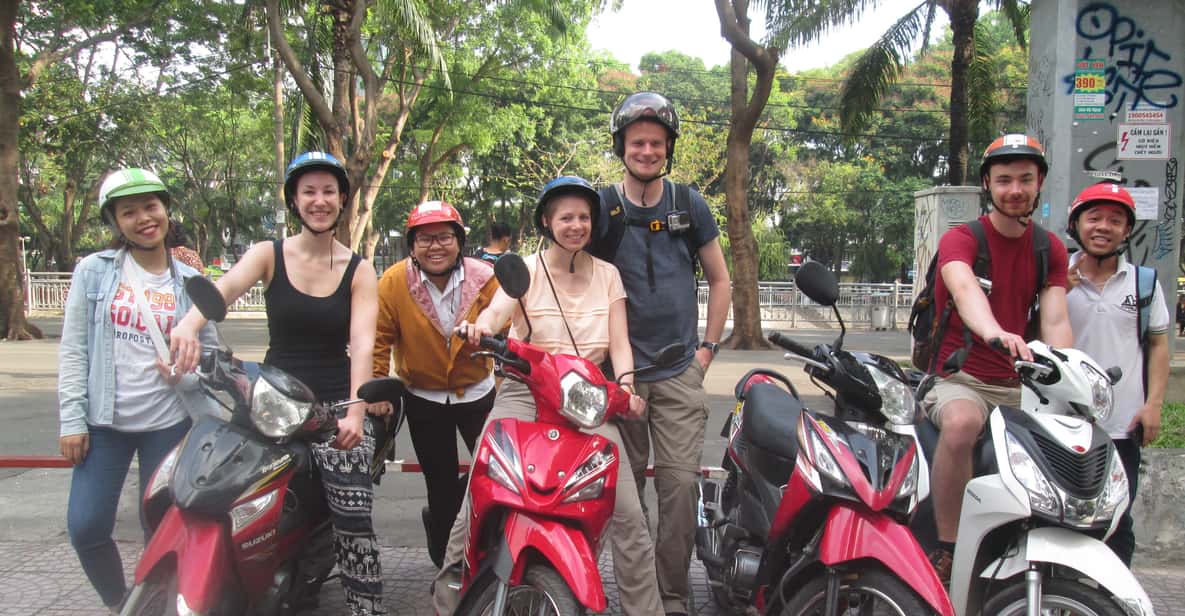
- Motorbike route + religion first: you start with a pagoda so the ghost stories make cultural sense, not just jump-scare vibes.
- Funeral house walking stop: you see ceremonies in action, then get the customs explained in plain, human terms.
- Chinatown ghost building and feng shui: the abandoned site is framed through local belief about luck and balance.
- Food break is part of the experience: banh mì plus coffee, juice, or smoothie so you don’t fade halfway through.
- Thich Quang Đức monument: the final stop ties spiritual belief to a real 1963 protest event.
What This Motorbike Ghost Tour Is Really About
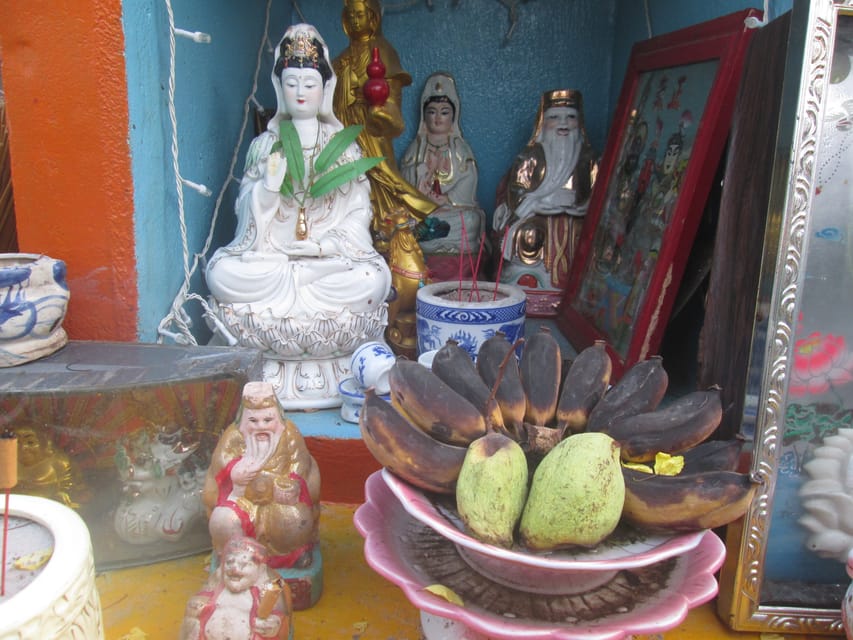
This isn’t a cookie-cutter horror show. The tour uses ghost stories as a doorway into everyday belief in Ho Chi Minh City. You’ll hear accounts and local interpretations, but you’ll also get context about worship, gods, and the circle of life.
The motorbike aspect matters. It’s not just for speed. It lets you glide through neighborhoods and stop at places you’d likely miss on foot or from a bus window. Expect a mix of reverence and storytelling, with a focus on culture as the backbone.
You can also read our reviews of more city tours in Ho Chi Minh City

Starting at a Pagoda: Beliefs Before the Scares
The tour begins at a pagoda, and that’s the smart move. Before you’re handed ghost tales, your guide lays out the basics of how locals practice Buddhism and how they understand spiritual forces. You’ll learn about worshipping different kinds of gods, plus the idea that life and death sit inside a larger circle.
Why I like this part: it helps you hear the ghost stories as belief, not just entertainment. When the guide later connects spirits to places, you’re not starting from zero. You’re already holding the framework.
The other practical upside is timing. A pagoda early in the route sets a calm pace. You’re still fresh, your questions are easier, and you’re mentally ready for the heavier stops ahead.
Funeral House Stop: Customs, Ceremonies, and Respectful Fear
Next comes the funeral house. You don’t just point and pass. You’ll walk inside to witness funeral ceremonies, and the guide explains customs as you go.
This is the part that feels most real. Funerals aren’t spooky by default. They’re about family, ritual, and how people talk about death and the next stage of life. The tour then layers in ghost stories or personal experiences linked to the setting, so you’re learning the human side before the supernatural side.
A key consideration: this stop can be emotional. Even if you’re there for ghost stories, approach it like a cultural site. Keep your voice low. Follow the guide’s cues. You’ll get more out of it that way.
Chinatown and the Abandoned Ghost Building Tied to Feng Shui
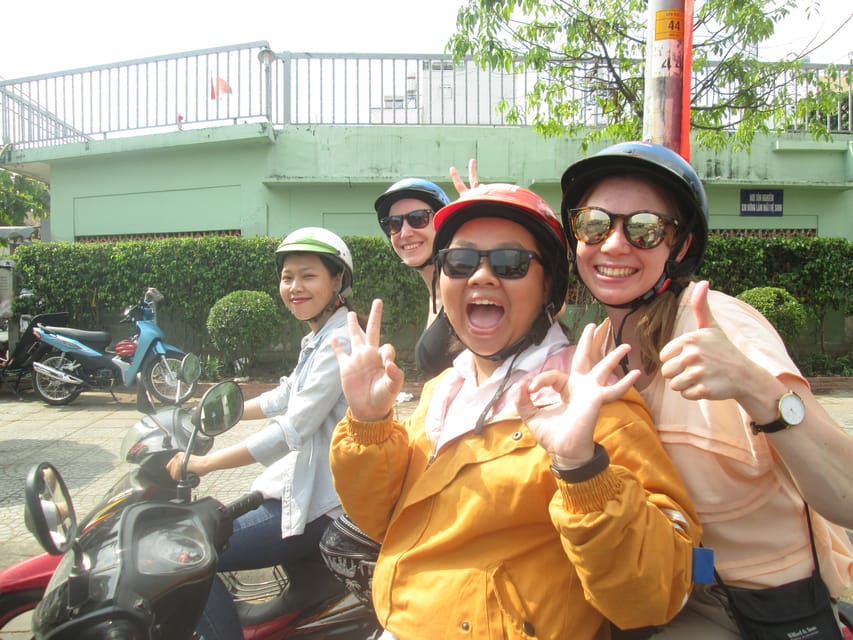
Then you head to Chinatown, one of the most atmospheric areas of the city. The tour includes the biggest Chinatown stop and a specific attraction often called a ghost building. It’s abandoned, and the explanation centers on feng shui.
Here’s what makes this stop interesting: you’re not only hearing a story about a building. You’re learning how people think about energy, balance, and bad luck when something feels off in the layout. Even if you don’t buy every claim, you’ll understand the logic locals use to connect place and fate.
You’ll also get a change in tone. After ceremonies at the funeral house, the Chinatown environment shifts the mood from ritual to urban legend. That contrast is part of the tour’s rhythm.
The Banh Mì and Local Drink Break You’ll Actually Enjoy
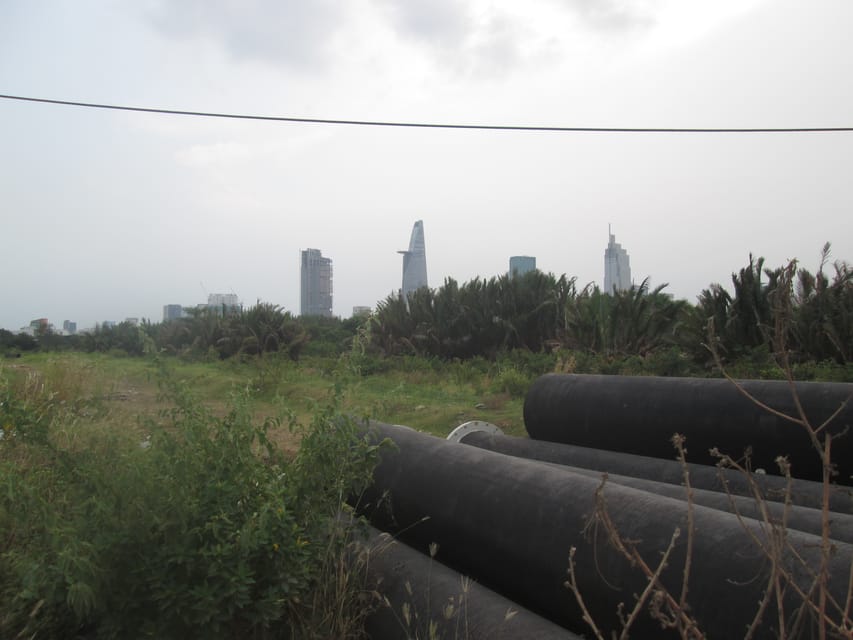
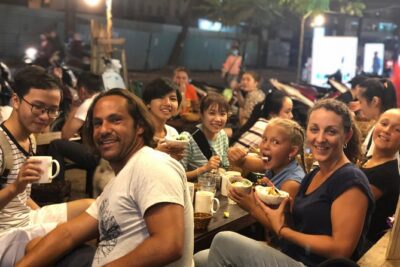
Halfway through a story tour, people often start drifting. Not here. The guide pauses for food: Vietnamese baguette, aka banh mì, plus coffee, fruit juice, or a smoothie at a local coffee shop.
This matters for two reasons. First, banh mì is portable and fast, which keeps the schedule smooth. Second, you get a little time to breathe and reset before the final monument stop.
Practical tip: try to eat before you feel hungry. With the motorbike ride and multiple stops, you can burn through your appetite faster than you’d expect.

Thich Quang Đức Monument: From Protest to Buddhist Memory
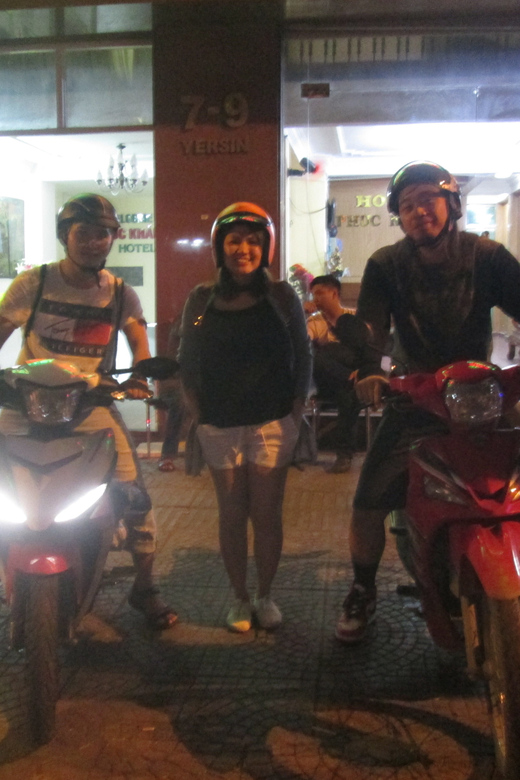
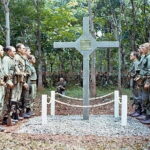
The final stop is the Thich Quang Đức monument, connected to the 1963 act where Thích Quảng Đức burned himself in protest of the persecution of Buddhists.
This is where the tour’s “belief” side becomes historical. You’re no longer just hearing modern ghost stories. You’re connecting spirituality to a real political flashpoint. The guide’s framing helps you see why this person is remembered, not only how the event happened.
In the flow of the tour, this ending hits harder than you might guess. It turns the day from spooky folklore into a story about faith, suffering, and public conscience.
Motorbike Ride Tips for a More Comfortable Time
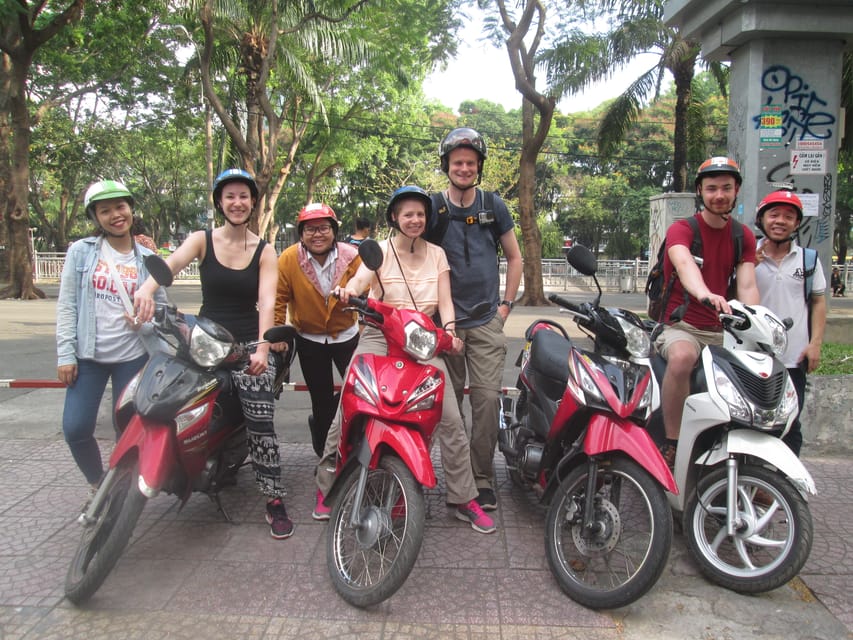
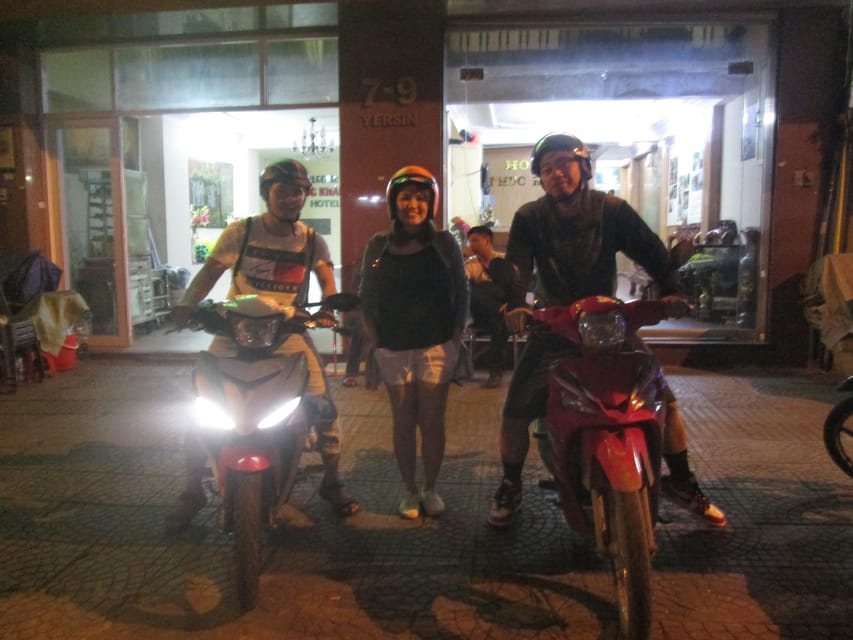
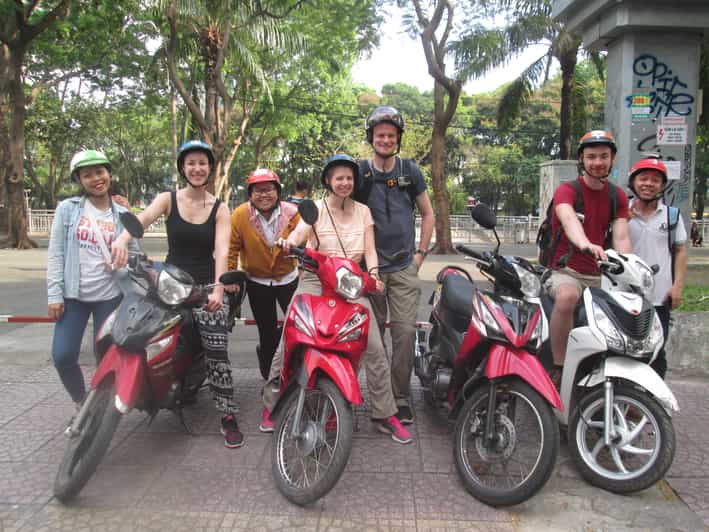
This is a join-in motorbike tour, so your comfort is partly on you. The good news: you’ll be provided a helmet, and a poncho if required. That’s a practical safety win, especially if weather turns.
A few things to think about:
- Wear comfortable clothes and shoes you can move in.
- Hold your posture steady on stops and when traffic shifts.
- If you’re sensitive to noise or fast movement, mentally treat this as an active tour day.
Also remember the tour is 2 to 4 hours. That’s enough time to feel like you’ve covered real ground, but not long enough to drag all day. You’ll still want to be ready for the ride.
English Guides, Real Storytelling, and Names You Might Hear
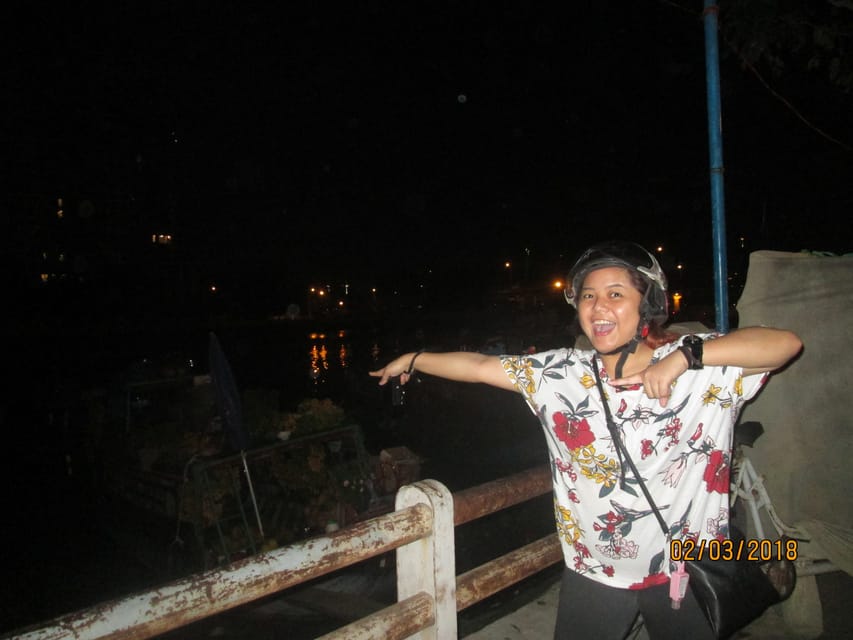
The tour uses an English-speaking professional driver/guide. Based on past experiences shared by customers, guides like Vincent, Danny, and Wibu stand out for making the stories easy to follow and fun to listen to, with clear explanations in English.
What you’re looking for here is tone. The best guides can switch between cultural context and personal-style ghost stories without turning it into random chaos. When it works, you’ll feel like you’re hearing local belief explained by someone who respects it.
Price and Value: Why $16 Can Be a Good Deal
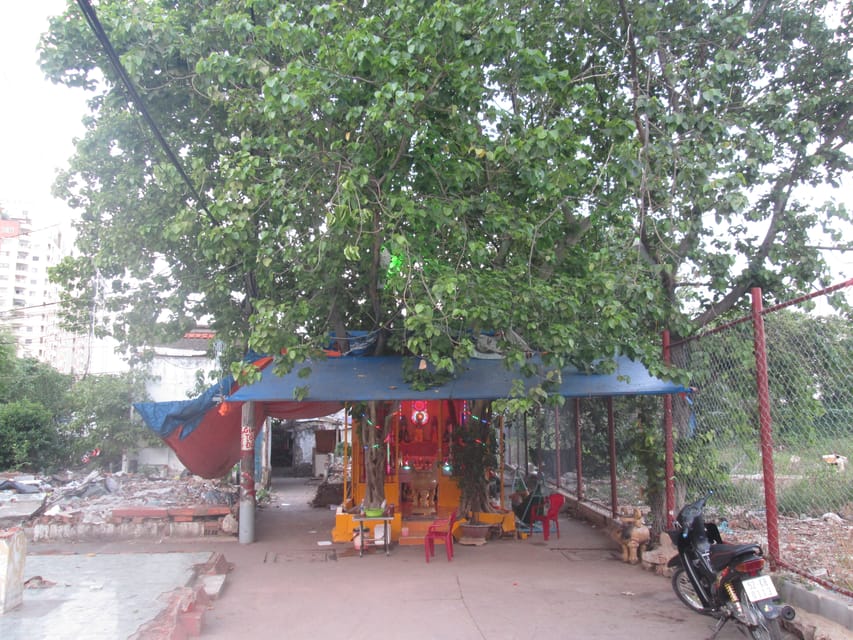
The price is listed at about $16 per person, and that’s where this tour can feel like a steal, especially for a motorbike-based format.
You’re not just paying for a ride. Included are round-trip transfers within District 1, 3, and 4 (free pickup/drop-off in those areas), helmet and fuel, plus banh mì and a local coffee or drink. Insurance is included too. For many visitors, that combination is what makes the math work.
What you should note: pickup is free only in District 1, 3, and 4. If you’re outside those areas, there can be a $5 per person surcharge to pick up at your hotel. If you want to keep costs down, aim to meet at the Saigon Opera House meeting point on Quảng Trường Lam Sơn, District 1.
Also, the tour can be private or small groups. The private option includes a surcharge of $5 per pax. You can also upgrade for a Female Aodai Rider option for $10 extra per pax, and there are car options if you don’t want the motorbike (50 USD for a 7-seat car, 70 USD for a 16-seat van, booked at least 24 hours in advance).
So yes, $16 is the headline. But the final value depends on where you start and what ride option you choose.
Who Should Book This Tour, and Who Should Skip It
This is best for you if you:
- Want an up-close view of Ho Chi Minh City culture through belief, worship, and ritual.
- Like stories that have context, not just spooky sound effects.
- Enjoy motorbike touring and can handle a couple hours on the go.
Skip it if:
- You have back problems.
- You’re over 70.
- You strongly prefer not to be on a motorbike or you know you’ll feel uncomfortable.
If you fall into the “not sure” category, consider the car option. The tour still focuses on the same stops; it just changes how you travel between them.
Should You Book This Ho Chi Minh City Ghost, Belief & Culture Tour?
If you want ghosts with a purpose, book it. The pagoda start, the funeral house ceremony context, and the Thich Quang Đức monument ending give the stories weight. You’re not just collecting creepy anecdotes. You’re learning how belief shapes how people interpret places and life transitions in Vietnam.
I’d only hesitate if you’re worried about comfort on a motorbike or you know you can’t do the walking and ceremony atmosphere. Otherwise, this is a smart way to spend a few hours in District 1–4, eat well with banh mì, and leave with a deeper understanding than a typical sightseeing route.
FAQ
How long is the Ho Chi Minh City ghost, belief & culture motorbike tour?
The tour lasts 2 to 4 hours, depending on the starting time and the day’s schedule.
Is hotel pickup included?
Yes, free pickup and drop-off are included for hotels in District 1, 3, and 4. If you’re outside those areas, you can meet at the Saigon Opera House meeting point, or you may be charged a 5 USD per person surcharge for pickup.
Where is the meeting point?
The meeting point is Saigon Opera House, 07 Quảng Trường Lam Sơn, District 1.
What’s included in the price?
Included are round-trip transfers (where free pickup applies), an English-speaking professional driver/guide, motorbike and fuel, helmet and a poncho if required, banh mì, coffee/smoothies/juice, and insurance.
Is the tour in English?
Yes, the tour has an English-speaking live guide.
Is it suitable for everyone?
It is not suitable for people with back problems or for people over 70.
Can I choose a car instead of a motorbike?
Yes. You can upgrade to a car or van: a 7-seat car for a 50 USD surcharge, or a 16-seat van for a 70 USD surcharge, booked before 24 hours.