REVIEW · HO CHI MINH CITY
Hands-On Vietnamese Cooking Lesson in Small Group
Book on GetYourGuide →Operated by Saigon Cooking Class · Bookable on GetYourGuide
Cooking Vietnamese food feels personal fast. This small-group class in Ho Chi Minh City has you working side-by-side with the chef, making a hands-on 3-course meal and eating what you cook as you go. I especially like that you get digital recipes to take home, not just a fun morning and then nothing after.
The one thing to keep in mind: some ingredients may be prepped for you already, so the class is more about technique and flavor than doing every tiny step from scratch.
In This Review
- A morning that ends with a full plate
- Key highlights at a glance
- Entering the kitchen near Nguyen Trai Street
- Your 10am to 1pm flow: cook, eat, repeat
- What you’ll cook and what you’ll learn from it
- Ingredients first: natural herbs, simpler choices, better results
- Dietary needs: how to get a menu that fits you
- The small-group size that actually helps you learn
- Water, iced tea, and a real meal you don’t have to find later
- Take home digital recipes you can use right away
- Price and value: $33 for 3 hours and a meal
- Who should book this cooking class
- Should you book? My honest take
- FAQ
- What time does the cooking class run?
- How long is the experience?
- How much does it cost?
- What’s included in the class?
- Is the instruction available in English?
- Can the menu be changed for dietary needs?
- Where is the meeting point?
- What should I tell the host before the class?
- What’s the cancellation policy?
A morning that ends with a full plate
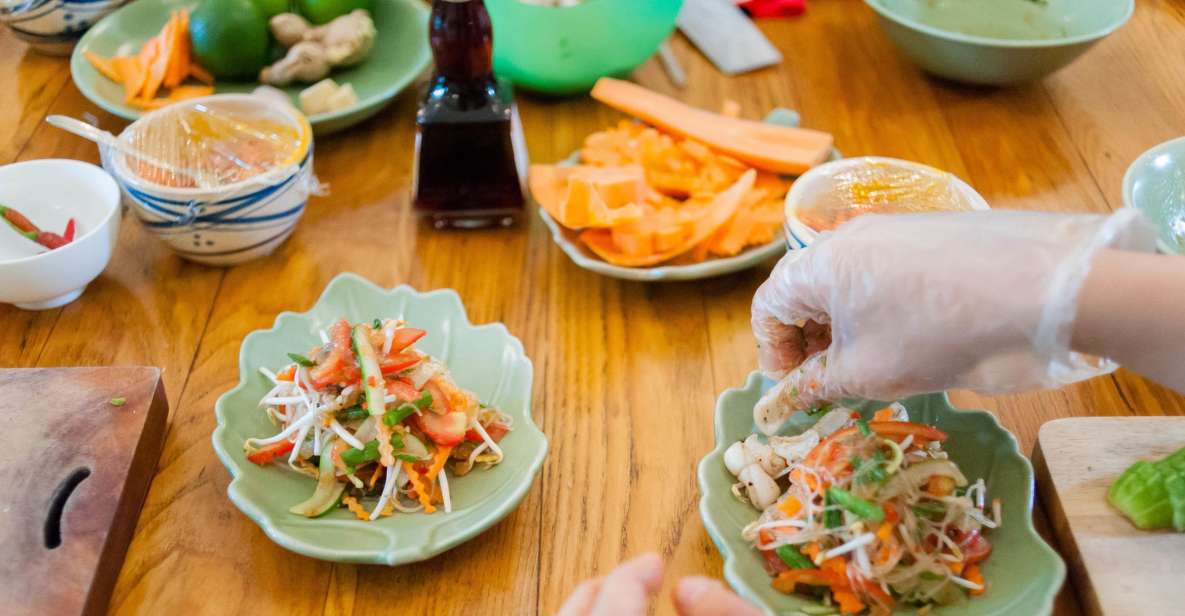
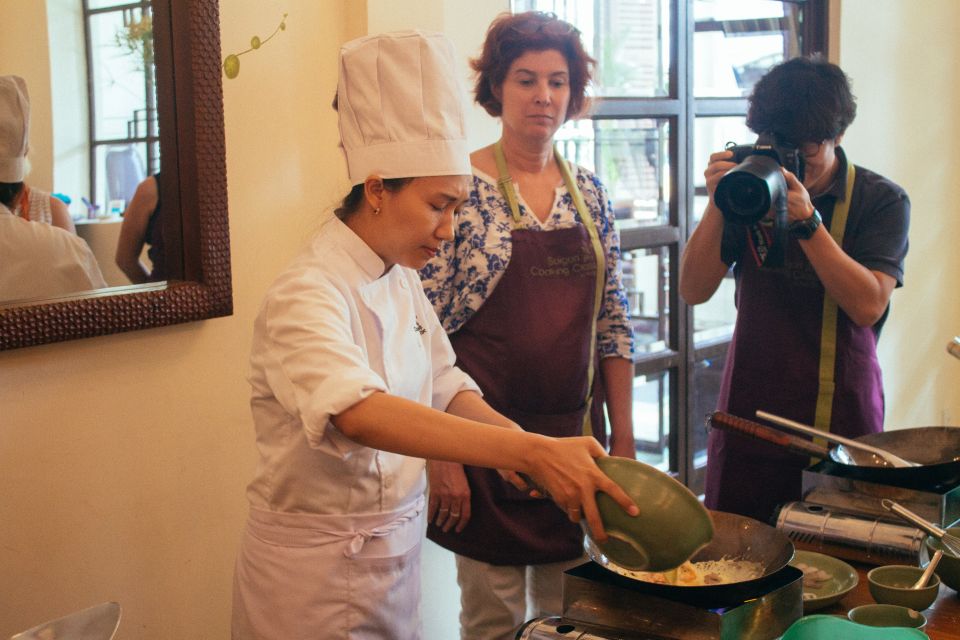
You start at 10am and finish around 1pm, with water and iced tea included while you cook. It’s set up in a warm, welcoming kitchen where everyone gets their own materials and ingredients, so you’re not just watching from the sidelines.
If you’re arriving hungry (and you should), bring your appetite and a bit of patience while you learn the rhythms of Vietnamese cooking: chopping, mixing, tasting, and adjusting.
Key highlights at a glance
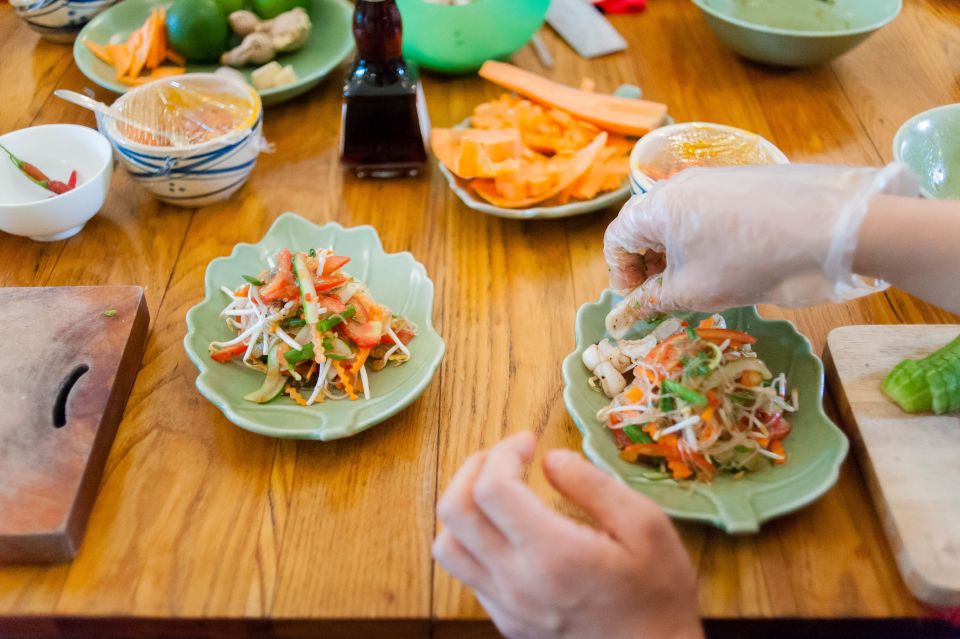
- Small-group, hands-on format where you cook along with the chef
- Cook-and-eat progression: each dish is made and tasted during the session
- Natural ingredients and herbs used throughout the lesson
- Vietnamese kitchenware and prep style you can recognize and recreate later
- English-speaking instruction with step-by-step guidance
- Digital recipe take-home so you can keep practicing after the class
You can also read our reviews of more tours and experiences in Ho Chi Minh City

Entering the kitchen near Nguyen Trai Street
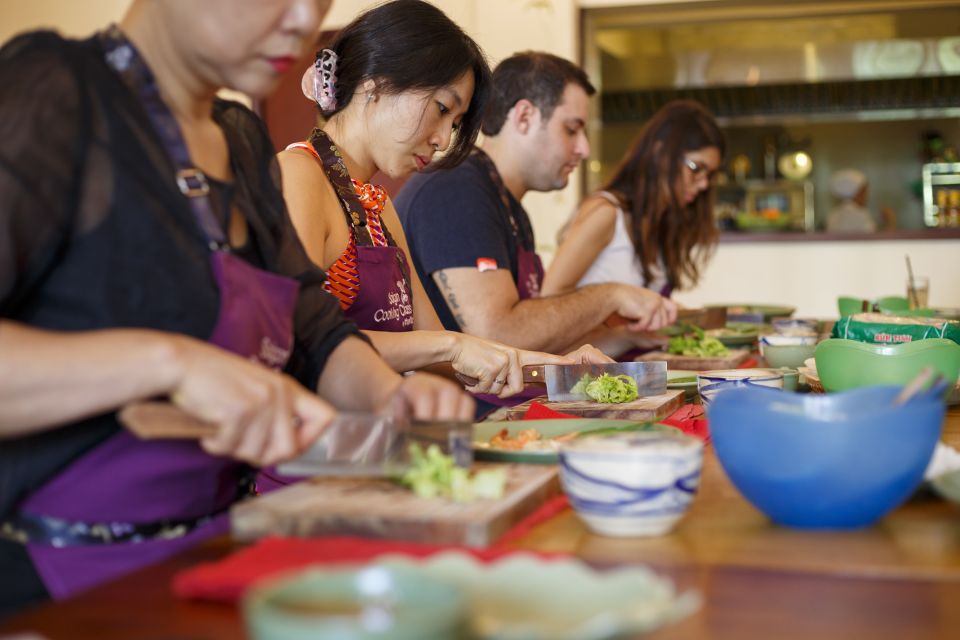
The class meets at 80 Nguyen Trai Street, District 1. The directions are simple: take the small alley, and you’ll find the team to your left. For an easy start, give yourself a few extra minutes to locate the alley entrance before 10am.
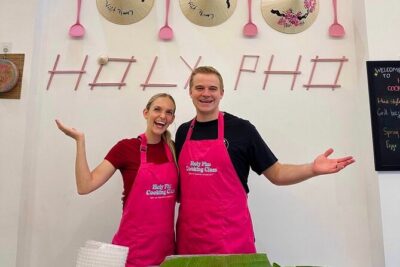
Once you’re in, the atmosphere is the opposite of a stiff classroom. This is a working kitchen setup, and that matters because Vietnamese cooking is about timing—things move fast, and flavors come together quickly when you’re doing the steps yourself. You’ll notice you’re not sharing one cutting board with five people either. Each participant gets their own setup, which helps you learn the technique instead of just tagging along.
Your 10am to 1pm flow: cook, eat, repeat
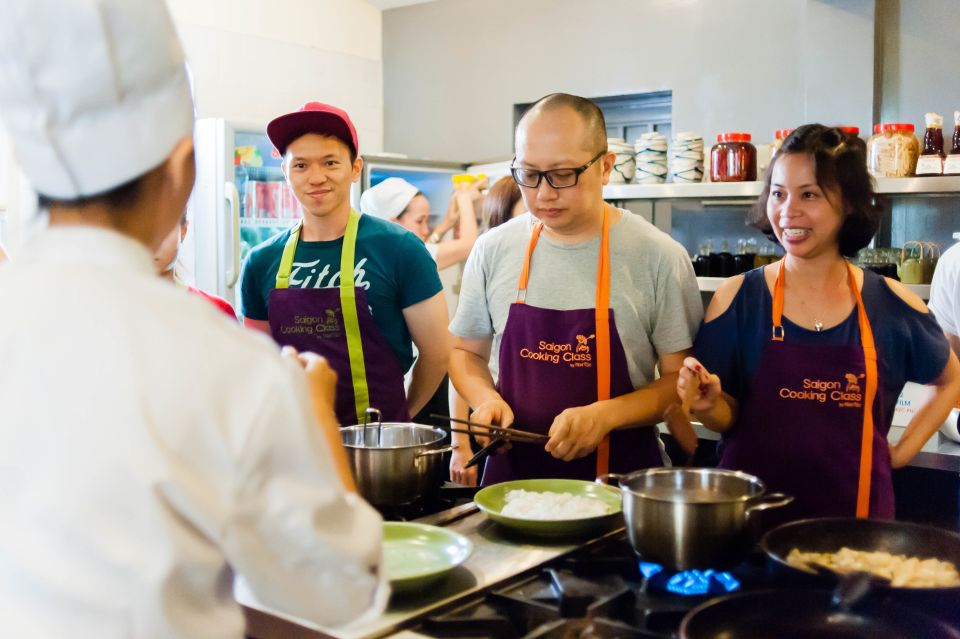
This is a 3-hour class that runs from 10am to 1pm. The structure is built around one clear idea: you cook together, then you taste your results right away, then move to the next dish.
Here’s how the rhythm typically works:
- Chef walkthroughs + your hands on the work
You follow the chef’s example step by step. Expect a lot of small instructions rather than one big lecture—things like how to handle herbs, how to season as you go, and what texture you’re aiming for.
- Course-by-course cooking and tasting
The class is described as a three-dish meal, and multiple dishes show up across different sessions in similar formats (for example, spring rolls, salads, and noodle soups like pho). You might see wording about a four-course meal style in some descriptions, but the core experience you’ll feel is the same: you cook a set of dishes and eat them during the session, not hours later.
- Questions welcomed during the process
Several class notes from different instructors emphasize clear English instruction and a patient, helpful approach. That means you can ask why something tastes a certain way, not just what to do next.
What I like most about this format is the feedback loop. If a sauce is off, you can correct it right then. You’re not waiting until home to realize you should have adjusted salt, sweetness, or acidity.
What you’ll cook and what you’ll learn from it
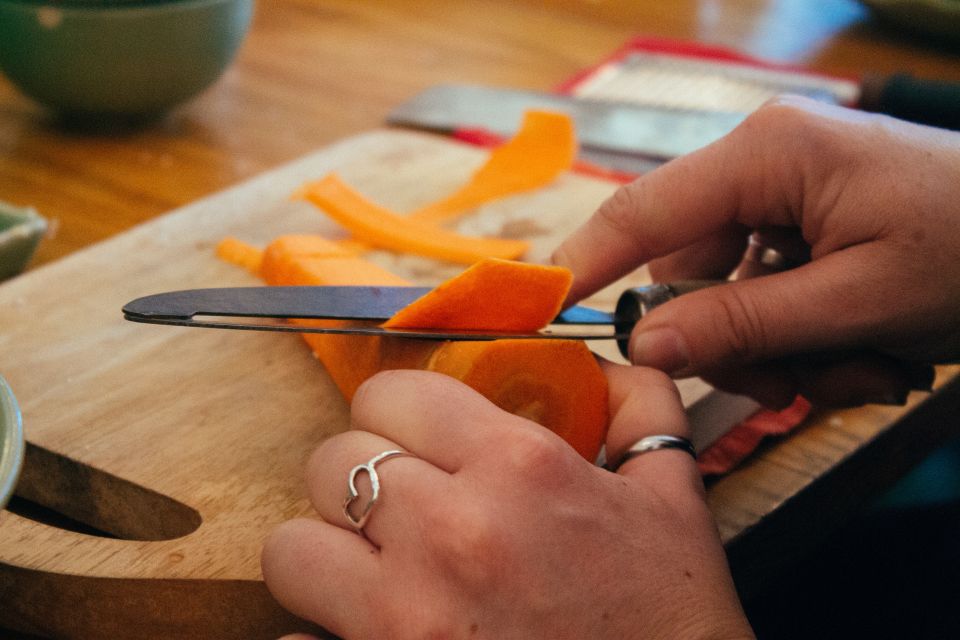
You’ll create a traditional Vietnamese meal using natural ingredients and herbs. The practical benefit here is that you learn the logic behind the flavors, not just the final recipe. Vietnamese cuisine often balances salty, sweet, sour, and fresh-herb notes—so the chef usually builds that balance as you cook.
Based on past dish examples tied to this experience, you may work with dishes like:
- Spring rolls (often with a focus on herb freshness and wrapping technique)
- Salad preparations that highlight crunch, herbs, and a well-made dressing
- Pho or other noodle soup styles (where broth flavor and seasoning timing matter)
- Mango salad type combinations (sweet fruit paired with herbs and tangy dressing)
- Banh xeo or similar savory pancake-style dishes (where batter texture and filling balance are key)
- Other familiar dishes may appear depending on the menu for your day
Even if the specific menu changes, the skills tend to transfer well:
- how to prep ingredients so cooking moves smoothly
- how to balance flavors while tasting
- how to use herbs without overwhelming the dish
- how to understand what “right texture” means for each component
And yes, you’ll also get a look at Vietnamese cooking tools and kitchenware used for the lesson. That’s a quiet advantage: it gives you a clearer idea of how locals actually set up their cooking, not just how a recipe reads on paper.
Ingredients first: natural herbs, simpler choices, better results
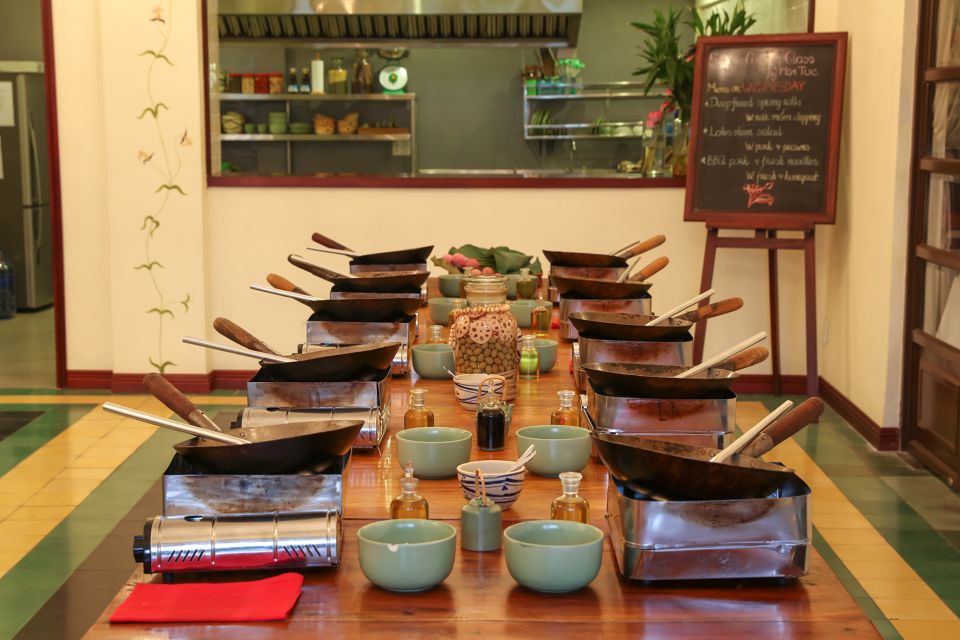
One detail I really appreciate: the class specifically notes that it uses natural ingredients and herbs. That choice isn’t just marketing. In practice, it means you learn to build flavor with fresh components and traditional seasonings rather than relying on complicated shortcuts.
You also don’t have to be an expert home cook to follow along. The class is designed for beginners and intermediate cooks alike. You’ll get step-by-step instructions, and because everyone has their own ingredients, you can focus on learning the technique with your own “workstation,” not competing for tools.
If you’re concerned about supermarket availability back home, you’ll likely find it helpful that the recipes are geared toward common Vietnamese flavor foundations: herbs, sauces, aromatics, and cooking methods you can reproduce with ingredients available in Vietnamese markets or well-stocked Asian grocery stores.


Dietary needs: how to get a menu that fits you
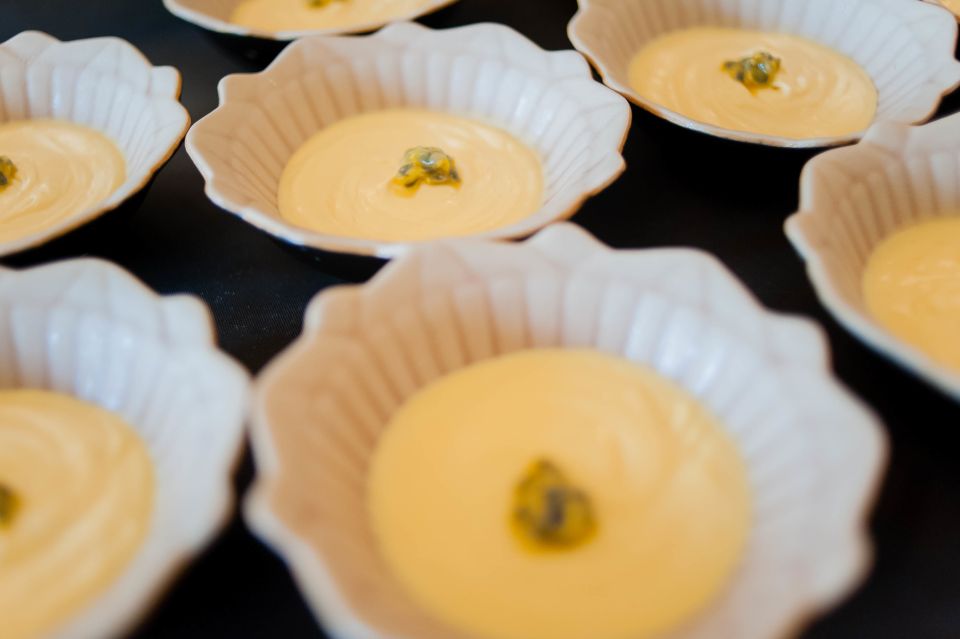
You can adapt the menu for vegetarians or people with food allergies—you just need to note it during booking. That’s the key practical point: the flexibility is baked into the service.
What this means for you:
- If you’re vegetarian, you can request swaps so you’re still cooking and eating a full meal.
- If you have allergies, you should specify them clearly so your dish can be adjusted.
The class runs in English, so communication is usually straightforward. Still, it’s smart to be direct when you book—list your allergies and any ingredients you want avoided. The more exact you are, the better your outcome.
The small-group size that actually helps you learn
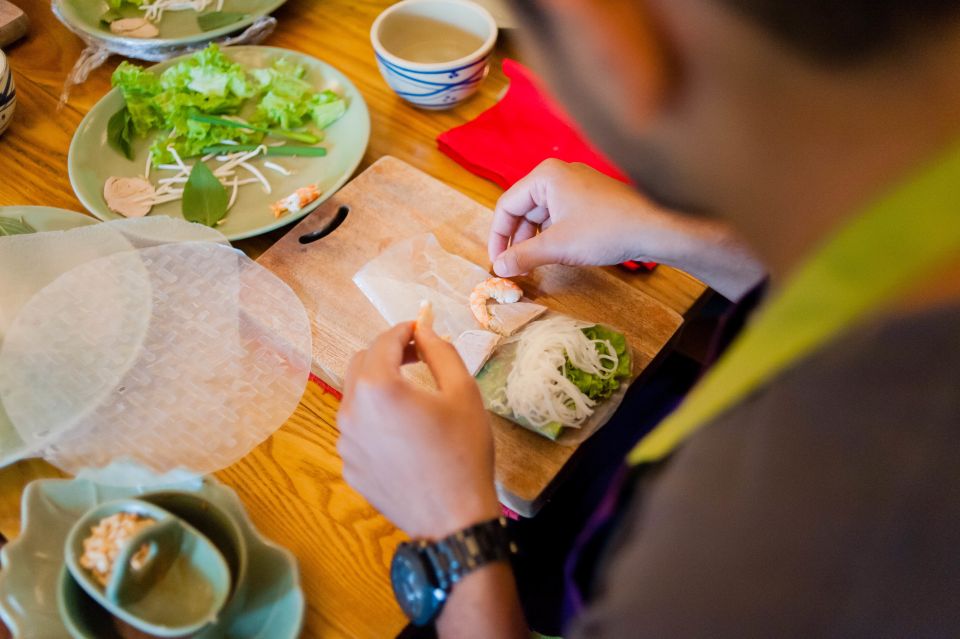
This is sold as a small group, and the experience reports back that it can be quite intimate. Some sessions have been described as having very small attendance, including cases where the class felt almost one-on-one. Even when there are more people, the format stays hands-on, with the kitchen setup supporting multiple participants at once.
That’s what makes the class worth your time. In bigger cooking classes, you often watch someone else do the key steps. Here, you get to repeat the motions, ask questions, and taste your own work.
Water, iced tea, and a real meal you don’t have to find later
The experience includes water and iced tea, which sounds minor until you realize it changes the whole flow. You’re eating during the session, and you’re not scrambling afterward to find a place for lunch when you’re already done.
Because the meal is part of the activity, you can plan your day around it. If you’re doing other things in District 1, this is the kind of morning experience that doesn’t turn into a long hunger gap.
Take home digital recipes you can use right away
You’ll take home a folder of recipes plus digital recipes. That combination is practical: the digital copy is searchable on your phone, and a physical folder format makes it easier to cook step by step without staring at a screen.
Also, multiple class reports mention recipe delivery after the session and recipe cards. Either way, the point is you won’t be stuck with only memories and photos. If you remember the flavor but forget the order, the recipes are there to bring you back.
My advice: after the class, write a couple notes on each dish while it’s fresh—like what you felt was the most important flavor or what you adjusted while tasting. Those quick notes make the recipes work better than generic cooking instructions.
Price and value: $33 for 3 hours and a meal
At $33 per person for 3 hours, this isn’t a casual add-on. You’re paying for a guided cooking setup, ingredient access, instruction in English, and a full meal you eat during the class—plus drinks.
How that feels in real travel terms:
- You’re getting a structured morning activity, not just a food tasting.
- You’re learning cooking technique you can reuse, which stretches the value beyond one meal.
- You’re saving time compared with trying to piece together a Vietnamese cooking day by yourself (ingredients, tools, and learning what to do with them).
Is it expensive compared with making food at home? Sure. But it’s usually a bargain compared with paying restaurant prices for similar dishes in the same city—especially when you factor in the instruction and hands-on practice.
Who should book this cooking class
This is a strong fit if you want:
- a hands-on food experience (not just watching)
- beginner-friendly instruction in English
- a small-group setting where you can actually ask questions
- traditional Vietnamese flavors built from real herbs and natural ingredients
It may be less ideal if you want a super intense, every-ingredient-from-scratch experience where nothing is prepped ahead of time. The class still has plenty of hands-on work, but it’s designed for learning and flow, not a full grinding-and-mincing marathon.
Should you book? My honest take
If you’re in Ho Chi Minh City and you like food, I’d book this without hesitation. The format is straightforward and effective: learn by doing, cook and eat during the session, then leave with recipes you can actually use again.
I especially think it’s a great choice for:
- first-timers to Vietnamese food who want a guided path
- couples or friends who want a shared activity with real results
- travelers who like their experiences practical, not just scenic
Just do one thing: come hungry, tell them about any allergies or dietary needs clearly, and be ready to cook. It’s one of those mornings where you leave with a stronger understanding of Vietnamese flavor than you’ll get from a few restaurant plates alone.
FAQ
What time does the cooking class run?
The class runs from 10:00am to 1:00pm.
How long is the experience?
It lasts 3 hours.
How much does it cost?
The price is $33 per person.
What’s included in the class?
You’ll get the cooking class, a meal of three dishes, water and iced tea, and digital recipes.
Is the instruction available in English?
Yes, the instructor provides instruction in English.
Can the menu be changed for dietary needs?
Yes. You can request vegetarian options or accommodations for food allergies—just note your needs during booking.
Where is the meeting point?
The meeting point is 80 Nguyen Trai Street, District 1. Take the small alley and find the team to your left.
What should I tell the host before the class?
You should specify any food allergies and your vegetarian/vegan requests.
What’s the cancellation policy?
You can cancel up to 24 hours in advance for a full refund.