REVIEW · HO CHI MINH CITY
Half Day Cu Chi tunnel Morning Daily
Book on Viator →Operated by LVP TRAVEL · Bookable on Viator
Cu Chi tunnels feel like another planet. This half-day morning trip from Ho Chi Minh City takes you through the wartime Cu Chi Tunnels with documentary stops and guidance from Danny (Dan Tran), plus door-to-door transfers.
I like how you get more than a surface look. I enjoy seeing the system as a place where people tried to survive underground, including living areas and trap doors. I also like the simple food lesson—tea and tapioca/cassava served as guerrilla fuel.
One consideration: there’s an optional shooting add-on with an extra surcharge, and the pace is full enough that you’ll want comfortable shoes and patience for the drive.
In This Review
- Key highlights worth prioritizing
- A half-day morning plan that fits real schedules in Saigon
- Getting to Cu Chi: the drive and why it matters
- The documentary start: setting the tone before you go underground
- Living underground: kitchens, bedrooms, storage, and command centers
- Trap doors and handmade weapons: learning what the design was for
- Rice paper workshop and the guerrilla food lesson
- The optional shooting range: a real add-on, not part of the baseline
- Time on the ground: why two tunnel segments work
- Price and logistics: is $38.47 good value?
- Who this tour is best for
- Who should think twice
- Booking decision: should you go on this half-day Cu Chi morning tour?
- FAQ
- What time does the half-day morning tour start?
- How long is the Cu Chi Tunnels morning tour?
- How do I get to Cu Chi from Ho Chi Minh City?
- Are the documentary films included?
- What can I expect to see at the tunnels?
- Is there food included?
- Is there an admission ticket included?
- Do I have to pay extra to shoot a rifle?
- What’s included in the price, and what isn’t?
- What happens if the weather is bad?
Key highlights worth prioritizing
- Door-to-door hotel pickup and drop-off in Saigon saves you time and stress
- On-site documentary films give context before you walk the tunnel sections
- Living areas, storage, kitchens, and field hospitals are explained as a working underground network
- Trap doors and handmade weapons/traps get pointed out so you understand why the design mattered
- Rice paper workshop plus tea and tapioca/cassava ties the history to daily life
- Optional AK/M16/M60/M30 shooting lets you add adrenaline for a stated surcharge
A half-day morning plan that fits real schedules in Saigon
If you have limited time in Ho Chi Minh City, this kind of morning tour makes sense. You leave at 8:00 am, ride out to Cu Chi (about 60 km / 1.5 hours), and spend the middle of your day focused on one strong theme: what the Cu Chi tunnels were built to do during the Vietnam War.
You’ll also appreciate the logistics. Hotel pickup and drop-off plus a mobile ticket means you’re not hunting for meeting points. The tour keeps group size to up to 30 people, which helps you move through the site without feeling completely lost in a crowd.
One more practical note: the experience is marked as requiring good weather. If conditions are poor, you should be ready for a reschedule or refund offer, depending on how it’s handled by the operator that day.
You can also read our reviews of more tours and experiences in Ho Chi Minh City

Getting to Cu Chi: the drive and why it matters
The ride north is part of the experience. You’ll head about 60 km and follow a route described as scenic toward the Cambodian border area. That matters because the tunnels are not a random tourist attraction—they were tied to geography, movement, and pressure from outside forces.
This is also where the tour starts to feel organized. You’re not just dropped off; you’re guided from Saigon with a driver and professional guide. Along the way, your guide gives you an overview so the site stops being a set of dark hallways and starts becoming a real wartime plan.
If you’re doing this as one of your first experiences in Vietnam, take advantage of that setup. I find it helps to understand the basic idea before you’re shown trap doors, storage spaces, and command centers. Without that, it’s easy to walk away impressed but confused.
The documentary start: setting the tone before you go underground
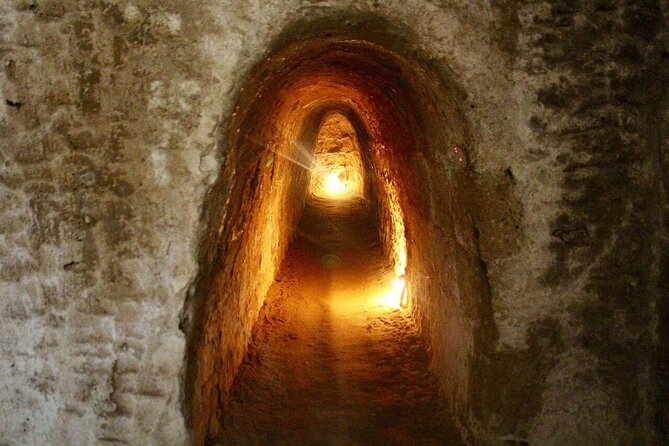
Once you arrive, you’ll watch a documentary film. Then you’ll get guided through what the tunnels were used for—things like kitchens, bedrooms, storage areas, weapons factories, field hospitals, and command centers.
That first film is one of the smartest parts of the half-day format. It’s doing the heavy lifting: giving you the wartime context so the physical details make more sense. In a site like Cu Chi, where there’s a lot to see and the explanations can be fast, a short film helps you keep your bearings.
I’d treat the film as part of the tour, not a pause. Sit where you can hear well, pay attention to the big picture, and let your guide connect those themes to what you’re going to see next.
Living underground: kitchens, bedrooms, storage, and command centers
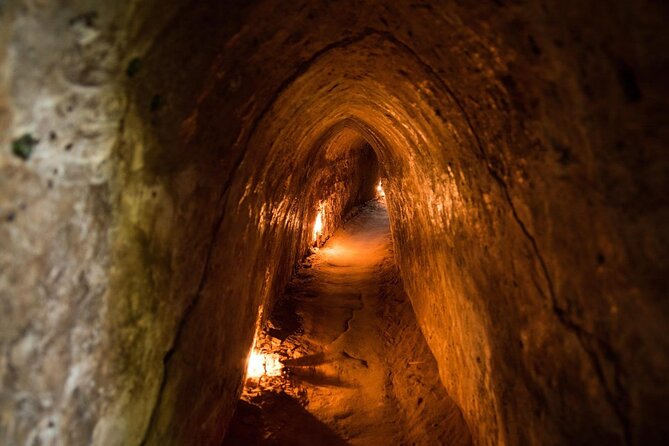
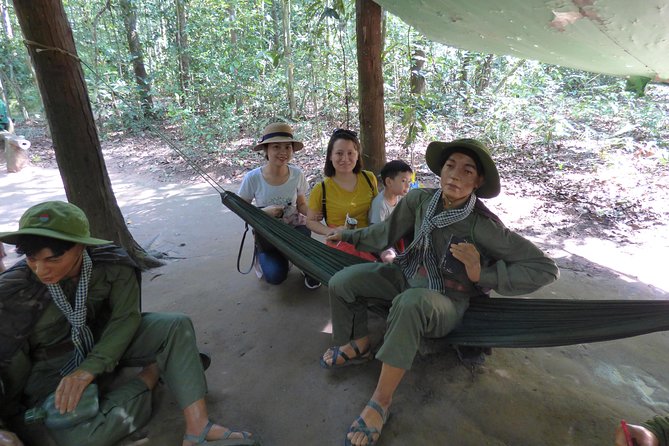
One of the best values here is how the tour frames the tunnels as a whole system. You don’t just get shown one tunnel segment and sent on your way. You learn about constructed living areas and the practical setup for people who lived there.
You’ll get walked through areas your guide describes as including:
- kitchens and bedrooms
- storage facilities
- weapons factories
- field hospitals and command centers
What you’re really learning is that the tunnels weren’t only about hiding. They were a way to keep people running and supplied while operating under constant threat. That’s why it’s helpful that your guide keeps tying physical features back to daily survival needs.
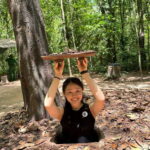
The tour also covers a section described as an underground town and highlights many hidden trap doors and dangerous traps. That part can be intense, but it’s exactly the point of the site. The design choices were made to slow, confuse, and protect.
Trap doors and handmade weapons: learning what the design was for

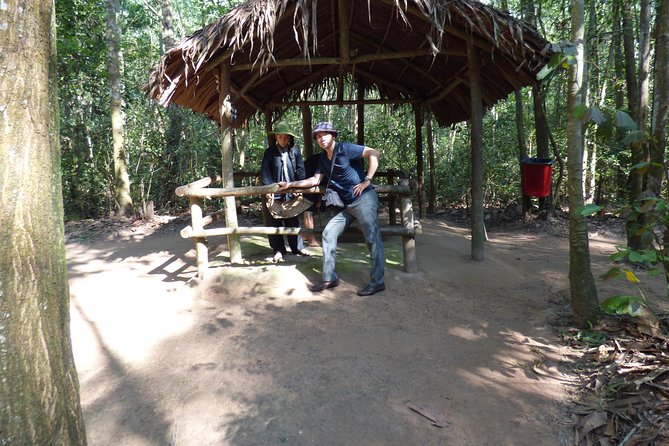
At Cu Chi, the “wow” factor comes from the small, specific details. Your guide spends time showing how the maze-like tunnels connect to defense tactics—like trap doors and hazardous areas. You’re also taught about handmade weapons and traps, which helps you understand the logic behind the engineering you’re seeing.
This is where you should slow down mentally. It’s tempting to rush through photos and move on. Instead, I recommend focusing on the explanation first, then taking pictures only after you understand why something exists.
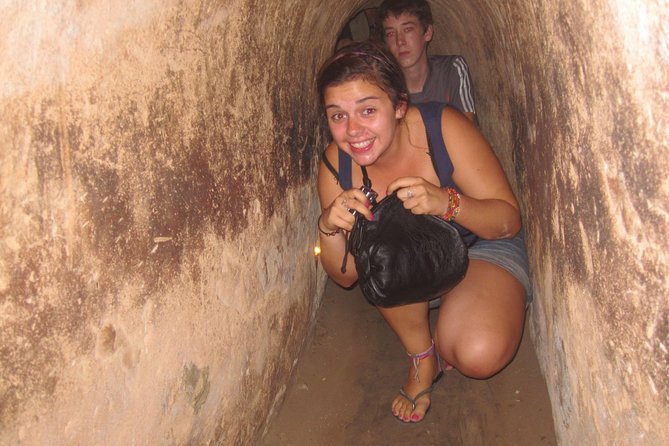
Also, keep in mind the tour says you’ll climb inside to see storage facilities, weapons factories, and kitchens. So if you have mobility limits or you’re not comfortable with uneven, enclosed spaces, consider that before booking. The experience does say most travelers can participate, but “most” still leaves room for personal comfort levels.
Rice paper workshop and the guerrilla food lesson
This tour includes a rice paper workshop and food tasting, which is a smart balance in a war-focused day. After the serious underground elements, it gives you something lighter but still meaningful.
You’ll be served tea and tapioca/cassava—described as guerrilla’s food during the war. I like this stop because it connects history to daily life, not just tactics and weapons. When you’re outside the tunnels eating something simple, you can start to picture how fighters kept themselves going with what they had.
The inclusion list is practical too: food tasting, coffee and/or tea, and bottled water are included. Drinks and lunch are not included, so if you get hungry after the tour, plan for it with an afternoon snack or meal back in Ho Chi Minh City.
The optional shooting range: a real add-on, not part of the baseline
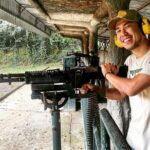
There’s an optional chance to try shooting AK47, M16, M60, M30. The key detail is the price: there’s a surcharge of $2 USD, with the note that one line has 10 bullets.
If you’re considering it, I suggest treating it as a separate decision. Some people want the story and history; others want a hands-on experience. Either way, decide before you feel rushed in the moment. Also remember that this is an add-on, so it can change what you end up spending for the day.
Time on the ground: why two tunnel segments work
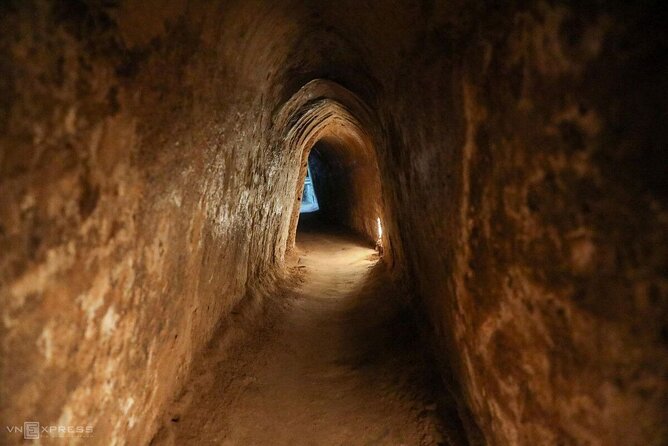
The morning tour is structured to keep you busy but not scattered. You start with an arrival documentary and a guided walkthrough that includes living areas and trap features. Then you continue with another guided tunnel-focused segment, where you’ll again watch a short film and get more explanation tied to the war’s intensity and the tunnels’ role.
That repetition isn’t wasted time. It gives you a second chance to connect what you learn to what you see. After you’ve heard about storage facilities, kitchens, and defense tactics once, you’re better prepared for the next tunnel section.
The total duration is listed as about 5 hours. That’s enough time for real context, but not so long that you lose your afternoon.
Price and logistics: is $38.47 good value?
At $38.47 per person, the price is competitive for a half-day tour that includes several things many solo travelers end up paying separately for. You’re getting:
- hotel pickup and drop-off
- a professional guide
- admission ticket included
- bottled water
- food tasting
- coffee and/or tea
- a driver/guide setup plus a guided visit through tunnel areas
Not included is lunch and drinks, so factor that into your total day budget. Still, when you compare the bundled admission + guide + round-trip transfers, it can feel like a fair deal—especially if you don’t want to manage transportation on your own.
One extra value point: this is a tour that people seem to book ahead of time (it’s listed as commonly reserved about 24 days in advance on average). If you’re visiting during peak dates, booking earlier can help you lock in the morning slot.
Who this tour is best for
This is a good fit if you:
- want a focused morning activity from Saigon
- are interested in Vietnam War history and how people lived and fought under pressure
- like guided context, especially with documentary films before site visits
- appreciate food culture stops like tea and tapioca/cassava, not just buildings and weapons
It’s also a solid choice if you want door-to-door convenience. If you’re staying outside the center, that pickup can be the difference between a smooth morning and a rushed one.
Who should think twice
You might want to consider another option if:
- you strongly prefer tours with longer breaks, since the morning is packed and you’re done by the afternoon
- you’re not comfortable with the idea of “climbing inside” and seeing dangerous traps and trap doors
- you don’t like add-ons, since there’s an optional shooting experience with extra cost
Booking decision: should you go on this half-day Cu Chi morning tour?
I’d book this tour if you want one efficient morning that combines transport, guided history, tunnel access, and a food tasting—and you don’t want to spend your precious time figuring out logistics. The balance between films, underground explanations, and the tea/cassava stop makes it easier to understand what you’re seeing.
Skip it or choose another format if you want a calmer pace or if you know you’re uncomfortable with confined underground spaces. Also, if you care less about war history and more about general Vietnam culture, you may feel this day is too focused.
FAQ
What time does the half-day morning tour start?
The start time is listed as 8:00 am.
How long is the Cu Chi Tunnels morning tour?
The duration is listed as about 5 hours (approx.).
How do I get to Cu Chi from Ho Chi Minh City?
You get hotel pickup and drop-off with a drive to Cu Chi of about 60 km (1.5 hours).
Are the documentary films included?
Yes. You’ll watch a documentary film upon arrival, and there is also a short documentary film during the visit.
What can I expect to see at the tunnels?
You’ll discover constructed living areas (like kitchens and bedrooms), storage, weapons factories, field hospitals, and command centers, plus trap doors and dangerous traps.
Is there food included?
Yes. The tour includes food tasting and tea and tapioca/cassava, plus coffee and/or tea.
Is there an admission ticket included?
Yes. The experience includes the admission ticket.
Do I have to pay extra to shoot a rifle?
Shooting AK47, M16, M60, and M30 is optional and has a surcharge of $2 USD, with one line of bullets having 10 bullets.
What’s included in the price, and what isn’t?
Included: bottled water, food tasting, coffee and/or tea, driver/guide, professional guide, and hotel pickup and drop-off. Not included: drinks and lunch.
What happens if the weather is bad?
This experience requires good weather. If it’s canceled due to poor weather, you’ll be offered a different date or a full refund.