REVIEW · HO CHI MINH CITY
Cu Chi Tunnels Tour with LUNCH (Pho)-LESS TOURISTY-Max 7pax
Book on Viator →Operated by Viet Fun Travel Company · Bookable on Viator
A trip to the Cu Chi Tunnels hits fast. One minute you’re in Ho Chi Minh City daydream mode, the next you’re hearing how Viet Cong fighters turned the underground into a working system of tunnels, traps, and survival. This version keeps things small (max 7) and includes hotel pickup plus the key sights at Ben Dinh, from guided walking to photo moments like an American tank and a camouflaged trapdoor.
What I love most is how the guide keeps the story grounded in everyday choices and engineering tricks, not just big war headlines. I also like that you get a mix of time with your guide and time to look around at your own pace, so it feels less like a stamp-collecting exercise.
One thing to plan for: even if it’s advertised as a half-day, the return timing can slip due to travel delays. Also, the optional tunnel crawl can be a deal-breaker if you dislike tight, claustrophobic spaces since the tunnels are very narrow (about 0.5 to 1 meter).
In This Review
- Key highlights worth betting on
- Cu Chi Tunnels From HCMC: why this 5–6 hour format works
- Pickup and the reality of starting at 8:00 am
- The aboveground lesson: guided walking at Ben Dinh
- Photo stops with an American tank and a camouflaged trapdoor
- Going deeper: what you learn about life inside the tunnels
- Optional tunnel crawl plus the tapioca-and-tea break
- Lunch with pho, plus the small comforts that help you enjoy the day
- Price and what you actually get for $40
- Timing surprises: when half-day plans run long
- Who this tour suits best (and who should rethink it)
- Final call: should you book this Cu Chi Tunnels tour?
- FAQ
- How long is the Cu Chi Tunnels tour?
- What time does the tour start?
- Is hotel pickup included?
- What lunch do you get?
- Are entrance fees included?
- Is the tour only guided or is there free time too?
- Can I crawl through the tunnels?
- Is gun shooting included?
- What is the maximum group size?
- Should you book this Cu Chi Tunnels tour?
Key highlights worth betting on
- Small-group size (up to 7) keeps questions easy and the pace calmer.
- Hotel pickup with transport that’s air-conditioned helps you start fresh for a long drive.
- Guided history at Ben Dinh explains how and why the tunnels were built.
- Photo stops include an American tank and a camouflaged trapdoor.
- Optional crawling plus tapioca and tea gives you a full “understand it, then feel it” arc.
Cu Chi Tunnels From HCMC: why this 5–6 hour format works
This is one of those tours that fits neatly into a Ho Chi Minh City schedule without turning into a full-day endurance test. The timing is listed as about 5 to 6 hours, and the pacing is built around a long-ish road trip plus a couple hours at the tunnels site.
For me, the value is in the structure: you don’t just arrive, walk, and leave. You get guide-led context first, then you’re free to explore and make sense of what you’re seeing at your own speed. That blend matters at Cu Chi because the site is more than “cool tunnels.” It’s about how people built a whole way to live and move under pressure.
You can also read our reviews of more tours and experiences in Ho Chi Minh City


Pickup and the reality of starting at 8:00 am

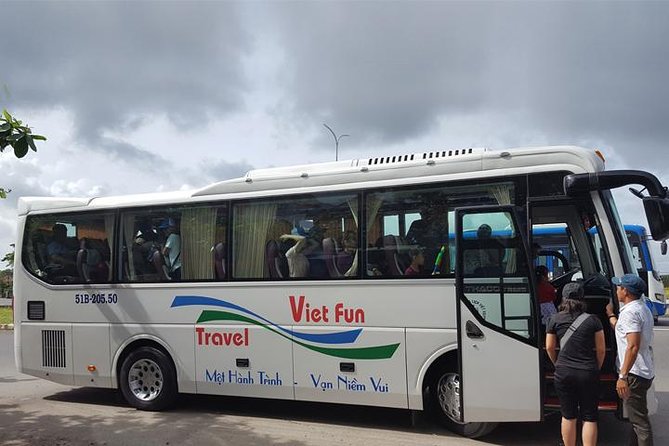
You start at 8:00 am at Viet Fun Travel, and you can get hotel pickup if you’re in District 1 and your hotel details are provided. Pickup is described as having a limited selection, so don’t assume every hotel in HCMC is eligible. If you’re staying just outside District 1, you may need to be prepared to make your own way to the meeting point.
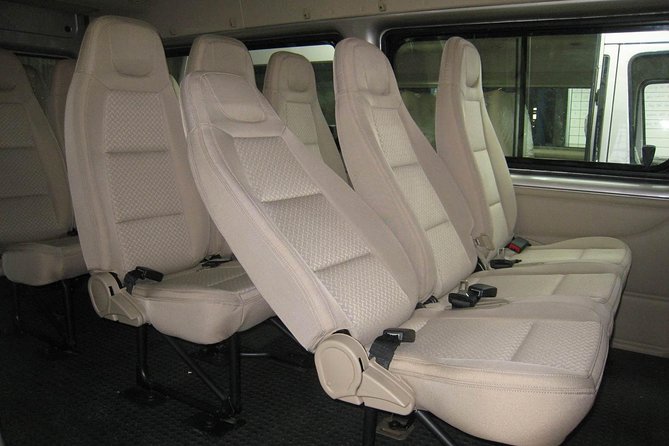
Once you’re picked up, you’ll be on an air-conditioned tourist coach for the round trip. One review mentioned the drive time from District 1 is around 1.5 hours, which gives you a decent idea of what the “early morning” really buys you: more daylight energy when you arrive at Ben Dinh.
The aboveground lesson: guided walking at Ben Dinh
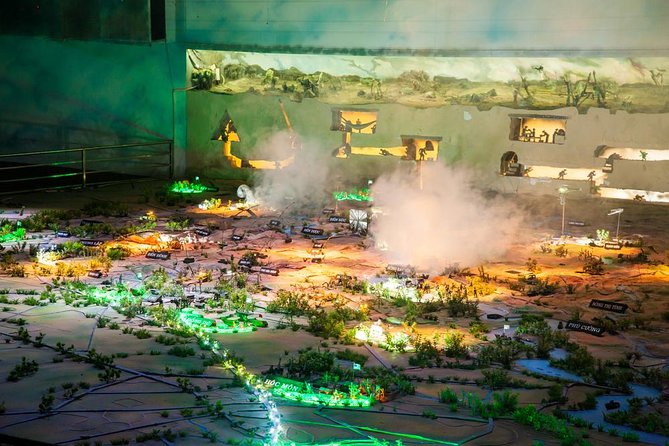
At Cu Chi Tunnels (Ben Dinh), the tour focuses on walking the rugged ground while a guide explains the history and purpose of the network. You’ll hear how and why the underground system was constructed, and you’ll get enough time to walk and absorb details instead of rushing through only the most obvious spots.
This part is strongest when you want context. Cu Chi can look like just a set of entrances if you don’t have the story behind it. A guided approach helps connect what you’re seeing—narrow spaces, concealed access points, and defensive layout—to the reality of wartime living.
You’ll also have time with the guide, then time without. That matters. When the guide steps back, you can slow down, look at the ground patterns, and decide what you want to photograph or revisit.
Photo stops with an American tank and a camouflaged trapdoor
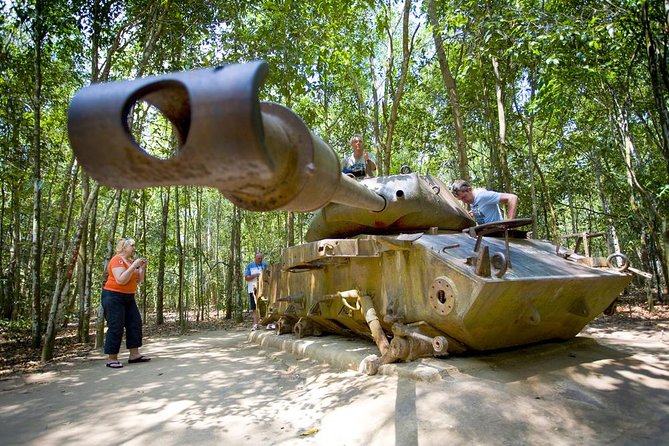
One of the most fun parts of this tour is that it doesn’t only focus on solemn plaques. You get unique photo opportunities that feel like a break from the constant narrative, even though the subject is heavy.
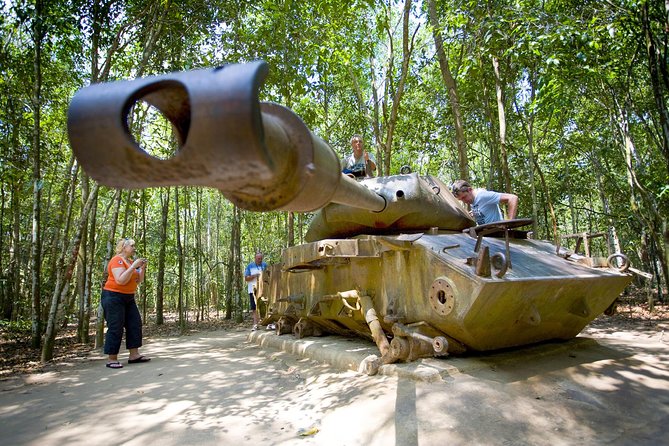
There’s time to pose by an American tank, and you can also take photos at a camouflaged trapdoor area. These are the moments where your camera gets a workout—and where you can compare what you imagine versus what’s actually presented on the ground. Just keep in mind the site is still a memorial space. Treat the photo stops as context points, not distractions.
If you like tours that give you both learning and light moments, this is one of the better-balanced stops in the Cu Chi experience.
Going deeper: what you learn about life inside the tunnels
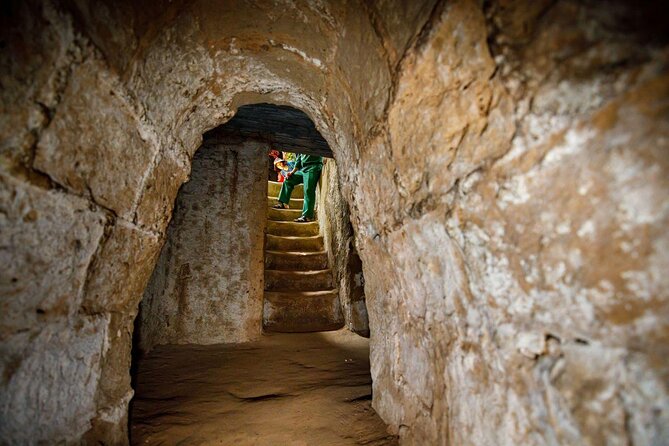
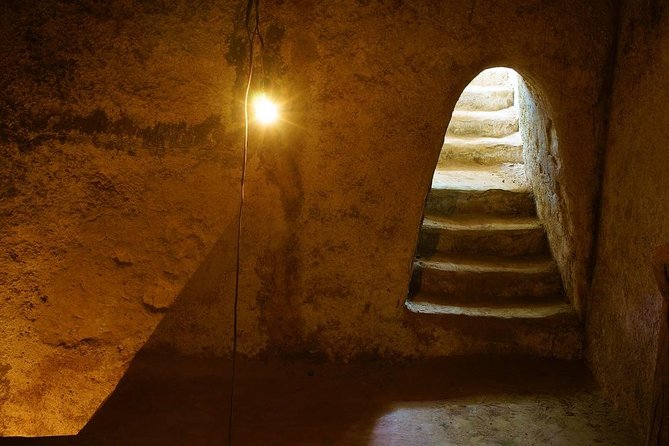
The most intense section is the focus on the tunnel experience itself. The tunnels are described as extremely narrow, measuring roughly 0.5 to 1 meter across, which forces people to maneuver by bending or dragging themselves.
The guide covers what daily survival required—movement, concealment, and how the design shaped life underground. This is where the tour earns its place in a Vietnam War-focused itinerary. You’re not just learning dates. You’re learning constraints, and constraints shape behavior.
At this stage, you may notice the tour messaging tries to balance history with a realistic feel for how the system functioned. You’re asked to understand the logic of the tunnels, not just admire the construction.



Optional tunnel crawl plus the tapioca-and-tea break
You’ll reach the part where an underground crawl is optional. You can skip it, and that’s important advice if you’re worried about tight spaces, limited visibility, or physical discomfort. Since the tunnels are so narrow, this isn’t a “walk through” like a museum hallway. It’s meant to make you understand the limitation through your own body.
After crawling (if you choose to), you’ll get boiled tapioca as a snack, plus local tea. Water is also included. I like this pacing: you learn the story, then you get a small break that lets you reset before heading back.
This is also the point where the tour feels practical. You’re not leaving the site starving, and you’re not trying to manage food on your own right after the most physically challenging moment.
Lunch with pho, plus the small comforts that help you enjoy the day
Lunch is included as a light lunch (pho). It’s not described as a fancy feast, so treat it as fuel for the afternoon rather than a culinary highlight. Still, having food built in matters on this route because you’re spending most of your day traveling and then focusing hard at the tunnels site.
Besides lunch, you also get bottle drinking water and the tapioca-and-tea snack later. Those “small inclusions” add up. They reduce stress, especially if you’re the type of traveler who hates making food decisions while you’re tired.
If your plan is to go from Ho Chi Minh City to Cu Chi and then still enjoy the rest of your evening, having lunch handled by the tour is a real convenience.
Price and what you actually get for $40

At $40 per person, this isn’t a bargain tour, but it also isn’t overpriced for what’s included. You get hotel pickup (limited selection), entrance fees, an English and Vietnamese speaking guide, a round-trip air-conditioned coach, and the included food items (pho lunch, tapioca, local tea, water).
Where the money makes sense is in the guide portion. A Cu Chi visit without context can turn into a series of tunnel openings and guesswork. With a guide, you’re paying for explanations and interpretation—especially the parts about construction purpose and how life worked under wartime pressure.
The other value driver is group size. Max 7 travelers usually means less waiting, fewer awkward pauses, and more chances to ask practical questions. Even when the tour runs long, the smaller group tends to feel easier to manage.
Possible trade-off: because this is a guided, included-fee format, you’re less free to create your own timing. If you want total independence, you might prefer a self-guided approach, but then you’d lose the built-in history narration.
Timing surprises: when half-day plans run long
There’s a real-world consideration here: the tour is listed as 5 to 6 hours, but one experience noted it ran closer to a longer return time than expected due to a driver accident on the way back. That doesn’t mean it will happen to you, but it does mean you should avoid booking something right at the end of the day.
My practical advice is to plan a buffer. If you have dinner reservations, give yourself breathing room for a later arrival back to the meeting point. Cu Chi days can get delayed by road conditions, and this route is no exception.
Who this tour suits best (and who should rethink it)
This works especially well if you want a guided Vietnam War learning experience that still includes hands-on realism like narrow tunnels and optional crawling. The small group size is great for couples, solo travelers, and families who want to ask questions without feeling lost in a large bus.
You might rethink the optional crawl if you’re strongly claustrophobic or uncomfortable in very tight spaces. The tunnel width detail (0.5 to 1 meter) is a clue that this is not a light activity.
It also suits people who care about both history and “place understanding.” The guide-led story plus the time to explore on your own helps you make sense of why the tunnels looked and worked the way they did.
Final call: should you book this Cu Chi Tunnels tour?
I’d book it if you want guided Vietnam War history, small-group pacing, and included basics like pho lunch plus entrance fees. The photo moments (American tank and camouflaged trapdoor) give you memorable visuals without replacing the core learning.
I’d hold back if your schedule is tight to the minute, since return times can slip. And I’d think twice about the optional crawl if you’re not comfortable with narrow, low-clearance spaces.
If your goal is to understand Cu Chi beyond the surface, this tour is a solid choice for a half-day window in Ho Chi Minh City.
FAQ
How long is the Cu Chi Tunnels tour?
The tour runs about 5 to 6 hours in total.
What time does the tour start?
The start time is 8:00 am.
Is hotel pickup included?
Yes, hotel pickup is included, but it’s described as limited selection and you need to provide your hotel name and address in District 1.
What lunch do you get?
Lunch is a light lunch with pho.
Are entrance fees included?
Yes, entrance fees are included.
Is the tour only guided or is there free time too?
You get time with your guide and also time to explore on your own.
Can I crawl through the tunnels?
A crawl underground is optional.
Is gun shooting included?
No. Gun shooting is not included, and a shooting range visit is listed as own expense.
What is the maximum group size?
The tour has a maximum of 7 travelers.
Should you book this Cu Chi Tunnels tour?
If you want a guided, small-group Cu Chi experience with transport, entrance fees, and lunch handled, this is a practical pick. Just give yourself a timing buffer and think carefully about the optional tunnel crawl if tight spaces aren’t your thing.