REVIEW · HO CHI MINH CITY
Cooking Class: 3 Course Traditional Meal by local Chef HCM
Book on Viator →Operated by The Provincial Table Cooking Class · Bookable on Viator
Cooking Vietnamese food can feel intimidating. This class makes it practical, step-by-step, with a local chef guiding you through a true three-course meal. I like that you get a private cook station so you are not watching from the sidelines, and I also love the focus on classic dishes that connect to Vietnamese everyday cooking. One thing to consider: the class runs for about 3.5 hours, so you’ll be focused on learning the essentials rather than trying to master a long menu.
In Ho Chi Minh City, a great food experience is more than eating. This one is built around doing the work—mixing, assembling, and cooking with ingredients already prepped for your pace. You’ll hear technique cues and flavor notes as you go, and you’ll likely leave with a small recipe booklet you can use later. The main drawback I’d watch for is space: a previous participant flagged that the room felt tight, so if you prefer lots of breathing room, think twice.
In This Review
- Key Highlights You’ll Actually Use
- District 1 Start Point and the 3.5-Hour Timeline That Makes Sense
- What Happens at Your Station: Learn by Doing, Course by Course
- Why this format works
- Three Classic Dishes You Can Expect to Cook
- Spring rolls: where technique meets texture
- Vietnamese pancakes: learning the batter-and-pan logic
- Pho: understanding the comfort-food build
- Flavors, Spices, and Chef Cues Without the Guesswork
- The Take-Home Recipe Book: Why It’s More Than Paper
- Food Quality and Fresh-Made Value at $30
- Price and Logistics: Easy to Plan, Simple to Find
- Who Should Book This Cooking Class (and Who Might Hesitate)
- The Little Things That Make the Class Feel Fun
- Book It or Skip It: My Decision Guide
- FAQ
- FAQ
- How long is the cooking class?
- How many dishes do you cook?
- What kinds of dishes are included?
- Where is the meeting point?
- How large is the group?
- What is the cancellation window for a full refund?
Key Highlights You’ll Actually Use
- Private station for each guest so you can cook, not just observe
- Chef-led flow built around classic Vietnamese dishes and core techniques
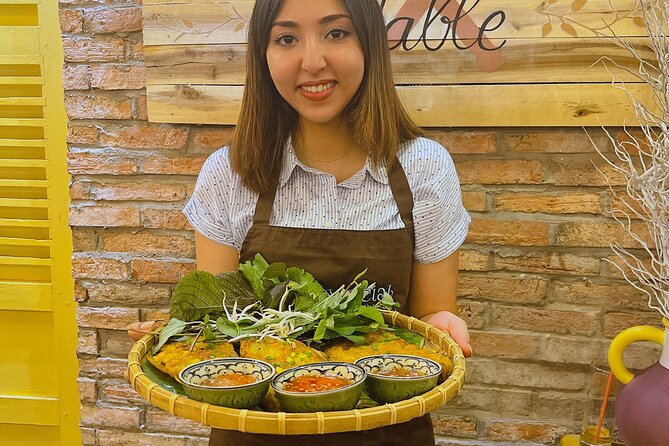
- Classic 3-course menu with examples like spring rolls, Vietnamese pancakes, and pho
- Small group size (max 20) which keeps the pace friendly
- Take-home recipe book to help you repeat what you learned
District 1 Start Point and the 3.5-Hour Timeline That Makes Sense
You meet at 131/3 Nguyễn Thị Minh Khai, Phường Phạm Ngũ Lão, Quận 1, Hồ Chí Minh 711106, and the activity ends back at the same place. That matters more than it sounds. District 1 can be a quick-mix of buses, motorbikes, and walking shortcuts, so starting and finishing at one fixed spot keeps your day from turning into a mini scavenger hunt.
The class runs for about 3 hours 30 minutes, which is a sweet spot for a cooking workshop. It gives you enough time to learn techniques, cook three dishes, and then eat what you made. It’s also short enough that you won’t feel like your whole afternoon disappeared.
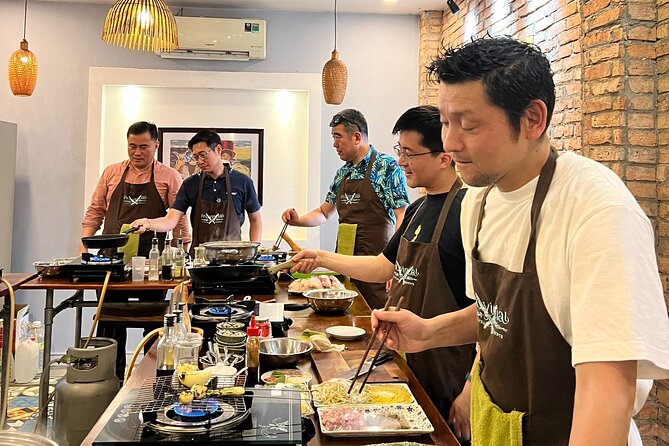
You’ll also be dealing with a small group—up to 20 travelers—so you should expect interaction, not a lecture hall vibe. A mobile ticket is part of the process, so you’ll want your phone handy and charged.
You can also read our reviews of more cooking classes in Ho Chi Minh City

What Happens at Your Station: Learn by Doing, Course by Course
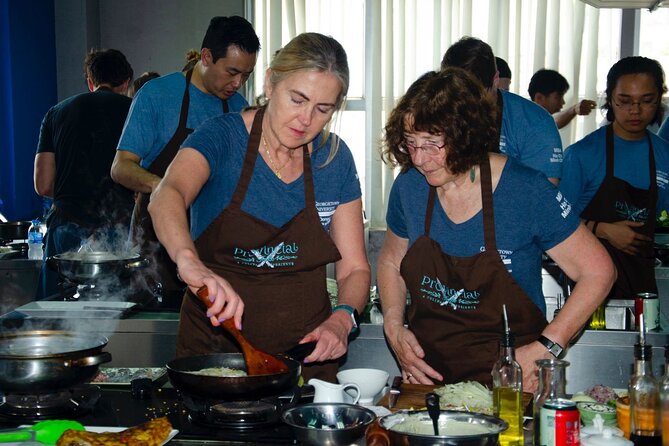
The backbone of this experience is simple: every guest gets a private cook station with the ingredients you need. That setup is a huge value for a beginner. You can practice without waiting your turn, and you can get feedback while your food is still in progress.
The chef-led structure follows a three-course rhythm. While the menu can vary day to day, the goal stays the same: you’ll learn how Vietnamese dishes are assembled and cooked, and you’ll understand why certain flavors show up again and again across the country.
Why this format works
Vietnamese cooking often relies on balance—acid, herbs, saltiness, and heat working together. When you only watch, it’s easy to miss the timing cues that make the difference. When you cook at your own station, you start noticing things like:
- how quickly an item changes once heat hits
- how mixing affects texture
- how assembling affects the final bite
That’s the real point of a hands-on class. You’re not collecting facts; you’re training your eyes and hands.
Three Classic Dishes You Can Expect to Cook
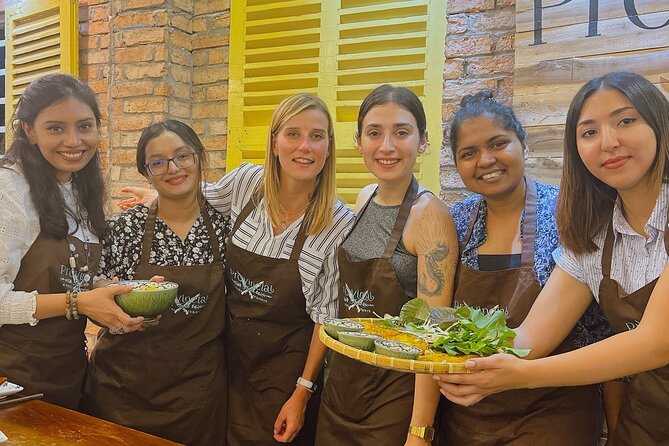
The class is designed around classic Vietnamese dishes with a spread of techniques across Vietnam’s culinary heritage. Based on prior participants, the menu commonly includes dishes such as spring rolls, Vietnamese pancakes, and pho.
Here’s how that matters for you, even before you arrive.
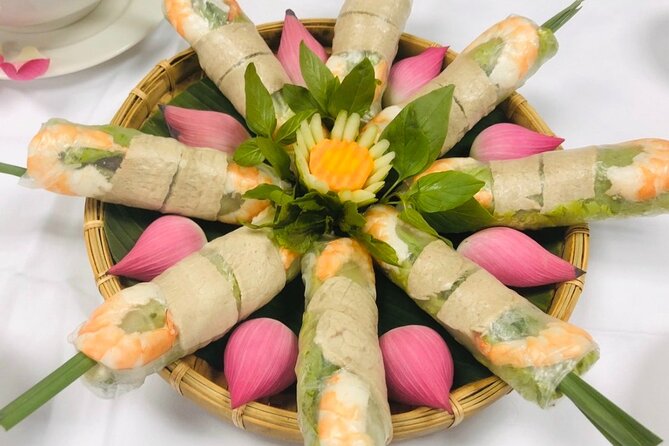
Spring rolls: where technique meets texture
Spring rolls are often the first dish that teaches you the practical basics: how ingredients should feel before rolling, and how to handle the assembly so it holds up. If you’re new to Vietnamese cooking, this kind of starter dish helps you understand the logic of filling, wrapping, and cooking without overwhelming you with too many steps at once.
You can also read our reviews of more tours and experiences in Ho Chi Minh City
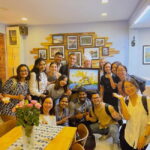
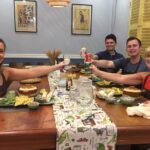

Vietnamese pancakes: learning the batter-and-pan logic
Vietnamese pancakes usually reward attention to how the batter behaves and how the pan heat works. A previous participant noted that the class is friendly for beginners and includes basic skills—like cooking an egg—so you’re not expected to already know Vietnamese kitchen shortcuts.
Pho: understanding the comfort-food build
Pho is one of those dishes people order constantly, but rarely make. Even if your class version is built around the essentials (not a full multi-day broth project), the value is learning the direction: how pho is structured for aroma and balance, and how components come together into a bowl that feels like pho, not just soup.
Flavors, Spices, and Chef Cues Without the Guesswork
The class doesn’t just hand you ingredients and wish you luck. A local head chef guides the process and explains flavors, spices, and cooking techniques that span Vietnam. That guidance is what prevents Vietnamese food from feeling like an unsolvable puzzle.
If you’re worried about spice overwhelm, this style of class should help. One participant specifically pointed out that ingredients are mostly prepared already, and you focus on straightforward skills. That means you spend your time learning cooking actions—mixing, cooking, assembling—rather than prepping everything from scratch.
Still, you’ll learn enough to adjust flavor. Vietnamese cooking is rarely one-note. You’ll get a feel for how different elements change the overall balance, and that’s what you can reuse later when you cook at home.
The Take-Home Recipe Book: Why It’s More Than Paper
A recurring theme in the feedback is that the class includes a small recipe book you get at the end. That matters because Vietnamese cooking isn’t just one formula—you build confidence by repeating a few core recipes until you stop translating everything into guesswork.
In other words, the booklet gives you a way to turn a fun afternoon into actual home cooking. It helps you remember:
- the order of operations
- how the dish should look and feel at key moments
- what you learned about technique so you can re-create it next time
If you like cooking for friends, this is the part you’ll thank yourself for. Make the class day once, then make the dishes again later.
Food Quality and Fresh-Made Value at $30
At $30 per person, you’re paying for three things: ingredients, chef time, and instruction at a private station pace. In Ho Chi Minh City, that price lands in a reasonable zone for a guided, hands-on workshop—especially because you’re not just tasting; you’re producing a full three-course meal.
Some feedback also highlighted that the dishes were freshly made with quality ingredients. That’s important. In a cooking class, the meal you eat is a direct part of the value. If the food tastes like it was cooked with care, the whole experience feels worth it, not like you paid mainly for teaching.
Also note the experience capacity: maximum 20 travelers. Smaller class sizes usually support better attention and less waiting. That’s the type of detail that turns a $30 class into a class you actually remember.
Price and Logistics: Easy to Plan, Simple to Find
Logistics for this activity are straightforward:
- Meeting point in Quận 1, returned at the end
- Mobile ticket for entry
- Near public transportation, which helps if you don’t want to rely on one specific route
- Service animals allowed
- Confirmation received at booking
If you’re stacking this with other District 1 plans, the return-to-start setup helps you keep your schedule clean. You’re not trekking across town with wet hands and an empty stomach.
One small practical note: because it’s a cooking class, you’ll want to plan other activities carefully afterward. You’ll likely leave smelling like food, and you’ll be fed, so avoid booking anything that needs your full attention within minutes of finishing.
Who Should Book This Cooking Class (and Who Might Hesitate)
This class fits best if you want a structured way to learn Vietnamese cooking without a steep learning curve.
You’ll probably enjoy it if:
- you’re a beginner and want basics taught clearly
- you like cooking with others but still want a private station
- you want a classic meal experience, not just a snack tour
- you value take-home recipes and want to repeat dishes later
You might hesitate if:
- you dislike crowded spaces. One participant mentioned the space felt very small, so it’s worth considering if personal space matters to you.
- you’re hoping to cover lots of dishes or advanced techniques in detail. The menu is built around three courses in about 3.5 hours, so the focus stays tight.
The Little Things That Make the Class Feel Fun
It’s not only about cooking. The tone matters.
One instructor, Alice, came up in multiple comments. People described her as warm and making the class fun, with humor and energy. That’s not fluff. In a hands-on setting, an encouraging instructor helps you stay relaxed, ask questions, and not fear mistakes—especially for dishes like spring rolls and pho where timing and assembly matter.
You should also expect a clear beginner-friendly pace. Feedback noted that ingredients are mostly prepared, and the skills you practice are basic cooking actions. That’s a smart design for a short, satisfying class.
Book It or Skip It: My Decision Guide
I think you should book this class if you want a reliable way to learn Vietnamese cooking from a local chef, at a price that doesn’t feel like you’re paying for tourism. The private station, the three-course structure, and the fact that you leave with a recipe book are the big wins.
Skip it if you’re extremely sensitive to tight indoor spaces or if you want a class that teaches advanced, fully from-scratch cuisine with long simmer times and huge ingredient prep. This is built for learning efficiently, not for marathon culinary projects.
FAQ
FAQ
How long is the cooking class?
It runs for about 3 hours 30 minutes.
How many dishes do you cook?
You cook a 3-course traditional Vietnamese meal.
What kinds of dishes are included?
The class focuses on classic Vietnamese dishes, and past menus have included spring rolls, Vietnamese pancakes, and pho.
Where is the meeting point?
The start point is 131/3 Nguyễn Thị Minh Khai, Phường Phạm Ngũ Lão, Quận 1, Hồ Chí Minh 711106, Vietnam. The experience ends back at the meeting point.
How large is the group?
The class has a maximum of 20 travelers.
What is the cancellation window for a full refund?
Free cancellation is available up to 24 hours in advance for a full refund. If you cancel less than 24 hours before the start time, you won’t get a refund.
If you want, tell me what month you’re going and whether you’re a total beginner or already cook at home—I’ll suggest a good time to schedule it in your Ho Chi Minh City day.