REVIEW · HO CHI MINH CITY
Saigon Slum Tour with Motorbike
Book on GetYourGuide →Operated by CONNECT CULTURE CO.,LTD · Bookable on GetYourGuide
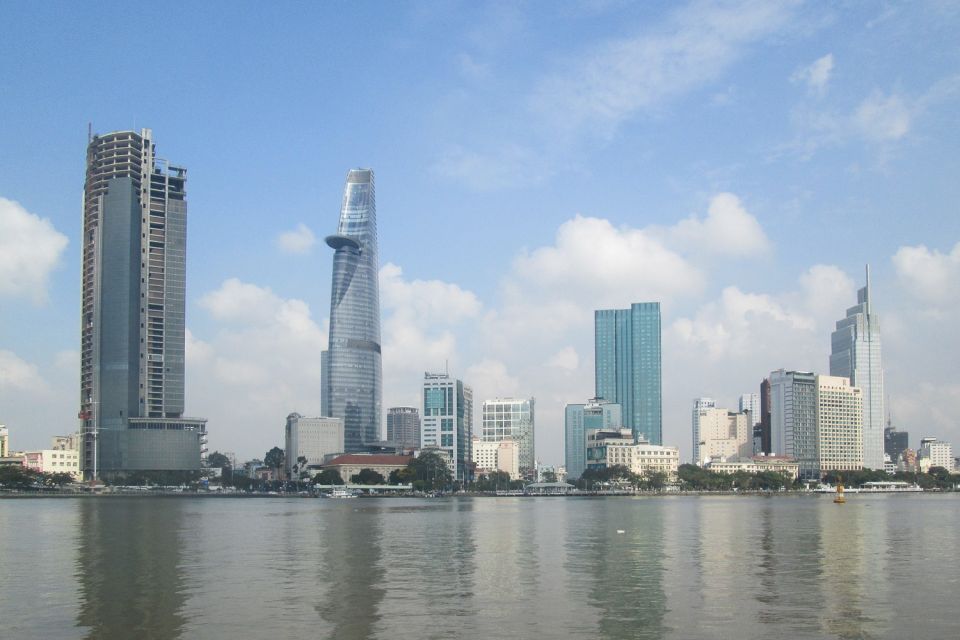
Saigon’s contrast hits fast on two wheels. This motorbike tour gives you a quick, street-level view of Ho Chi Minh City, from luxury areas down into slum neighborhoods, including places in the center, the old mafia area, and along the river through districts 5 to 7. You’ll also see housing areas that are being dismantled and rebuilt, plus a stop that connects the trip to local support systems.
I really like two things here. First, the route is intentionally varied: you go beyond one neighborhood and instead move across the city’s economic map, from inside the center to outside it, and even toward the floating market area. Second, the focus stays human. Guides in English share local context about how people work and live in the slums and how the government supports the areas, and you stop at a charity food stall where you can buy a simple rice meal for just 2,000 VND. Names that come up often in the guide mix include Che and Zack, Jay, Hana and Flora, Peter, Anna, and Duy.
One possible drawback: this is not a calm, postcard-style ride. You’ll be in real traffic, and the topic can feel heavy, so it helps to wear comfortable shoes and mentally prep for the fact that the shorter end of the schedule can mean a fair chunk of time spent traveling between districts (some people note around a third).
In This Review
- Key things that make this tour work
- From District 1 contrasts to alley-level Saigon
- How the motorbike ride really feels (and how to prep)
- Your guide’s role: turning what you see into understanding
- The itinerary in the real order you’ll feel it
- 1) The transition: from showy Saigon to lived-in Saigon
- 2) Slum areas in the center: close to the city’s heartbeat
- 3) The old mafia area: history told through streets
- 4) Along the river (districts 5 to 7): different living pressures
- 5) Outside the center and toward the floating market area
- 6) Areas in process of dismantling and reconstruction
- 7) The charity food stall: a 2,000 VND meal that grounds the story
- Safety, comfort, and the small gear details that matter
- Price and value: what you get for $16
- Who this tour suits best (and who should think twice)
- Should you book this Saigon slum tour?
- FAQ
- What’s the duration of the Saigon Slum Tour with Motorbike?
- Is hotel pickup included?
- Where is the meeting point if I’m not in the pickup zones?
- What does the $16 per person price include?
- Do I need to bring anything?
- Is the tour guided in English?
- Are private tours available and is there an extra charge?
- Can I upgrade the experience or use a car instead of a motorbike?
- Are there holiday surcharges?
- Can I cancel for a refund?
Key things that make this tour work
- Luxury-to-slums route that actually changes neighborhood vibes: you’re not just repeating the same streets.
- Motorbike support that makes the ride more manageable: helmets, ponchos, and accident insurance are included.
- English guides who bring the city into focus: you’ll hear how locals live, work, and how support is organized.
- A charity food stall stop with a real price point: rice meals are listed at 2,000 VND.
- You see places in transition: the tour includes areas being dismantled and reconstructed.
- Pickup centered in District 1, 3, and 4: outside those areas, expect an extra per-person surcharge.
From District 1 contrasts to alley-level Saigon
This tour is built around one idea: in Ho Chi Minh City, the distance between wealth and hardship can be measured in minutes, not continents. You start with the kind of scenery most visitors associate with Saigon and then move into neighborhoods that sit closer to the city’s everyday reality. The motorbike format is what makes the contrast feel immediate. You’re moving with the flow of the city rather than watching it from a bus window.
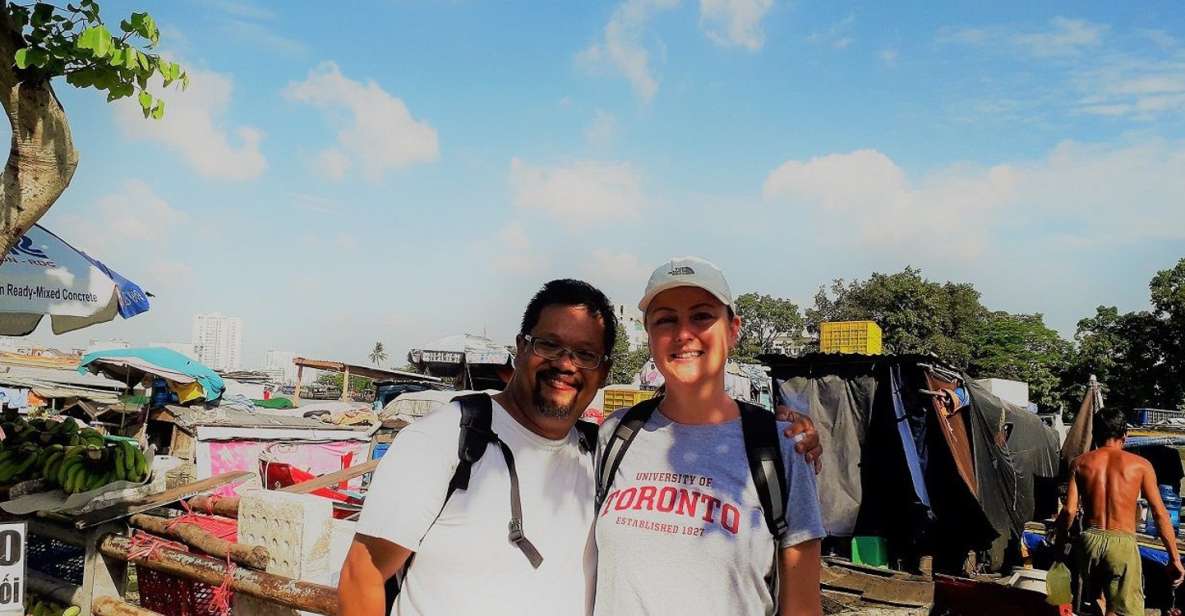
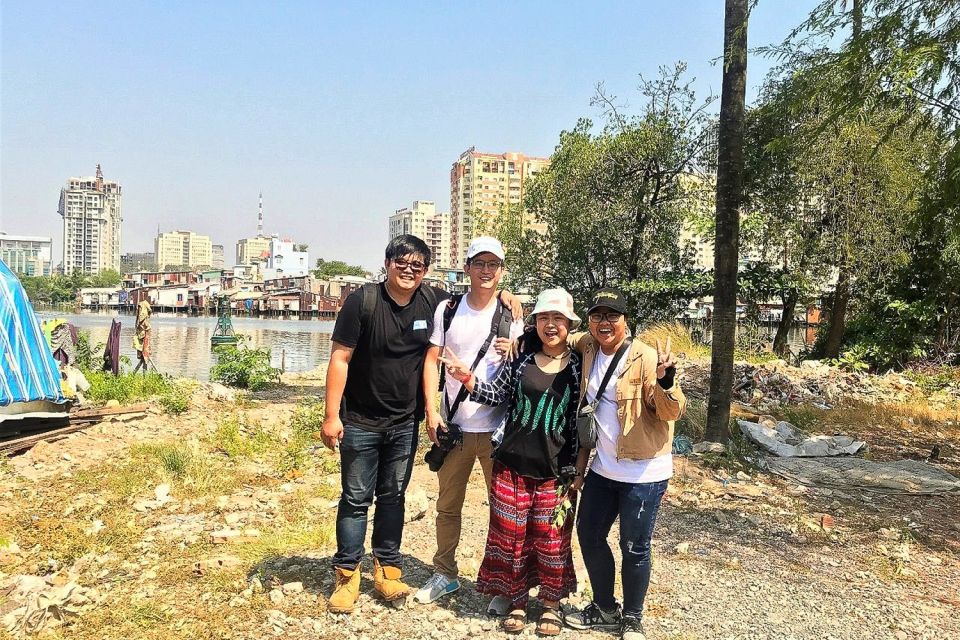
You’ll cover multiple slum areas rather than treating slums as one fixed place. The tour includes stops in the center, the older mafia-area neighborhood zones, places along the river through districts 5 to 7, and also slum areas outside the central core. There’s even mention of a floating market area in the mix, which helps you see how different lifestyles can still share the same city pressures.
What I like about this structure is that it helps you avoid a common mistake: reducing “slums” to a single snapshot. When you see several areas side by side, the city’s economic system becomes easier to understand. You start noticing patterns—what services exist, how daily routines get built, and where infrastructure changes happen first.
You can also read our reviews of more tours and experiences in Ho Chi Minh City.



How the motorbike ride really feels (and how to prep)
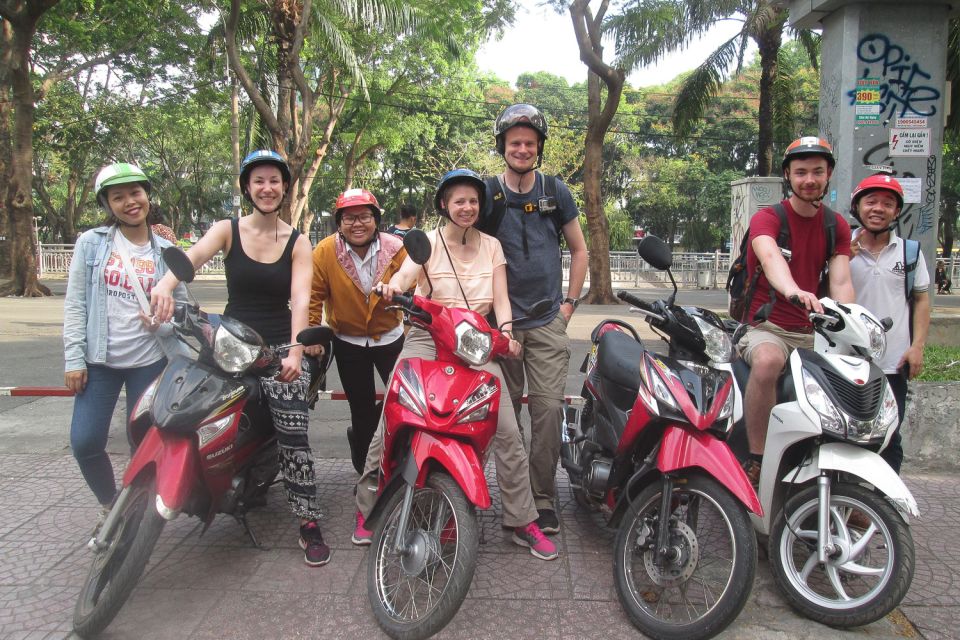
Yes, you’ll be on the back of a motorbike. No, it’s not a high-adrenaline stunt tour. The operator includes helmets and ponchos, and accident insurance is part of the package. That matters, because it shifts your job from worry to attention: look ahead, follow your driver, and focus on the streets.
Still, this is Saigon traffic. Expect turns, quick lane shifts, and narrow lanes where you need to trust the driver. People in the guide mix mention skilled drivers and a strong safety focus, including names like Rosalie and MayLin for driving roles, plus guides such as Duy. If you’ve never ridden a scooter here, plan for that initial “hands-on everything” phase. One rider specifically noted feeling more relaxed by the end.
A practical tip: bring comfortable shoes and don’t wear anything that limits your feet. You may stop and walk briefly between ride segments. Also, keep your phone secured. Photos are included, but you’ll still want to be able to switch between looking and listening without fumbling.
Your guide’s role: turning what you see into understanding
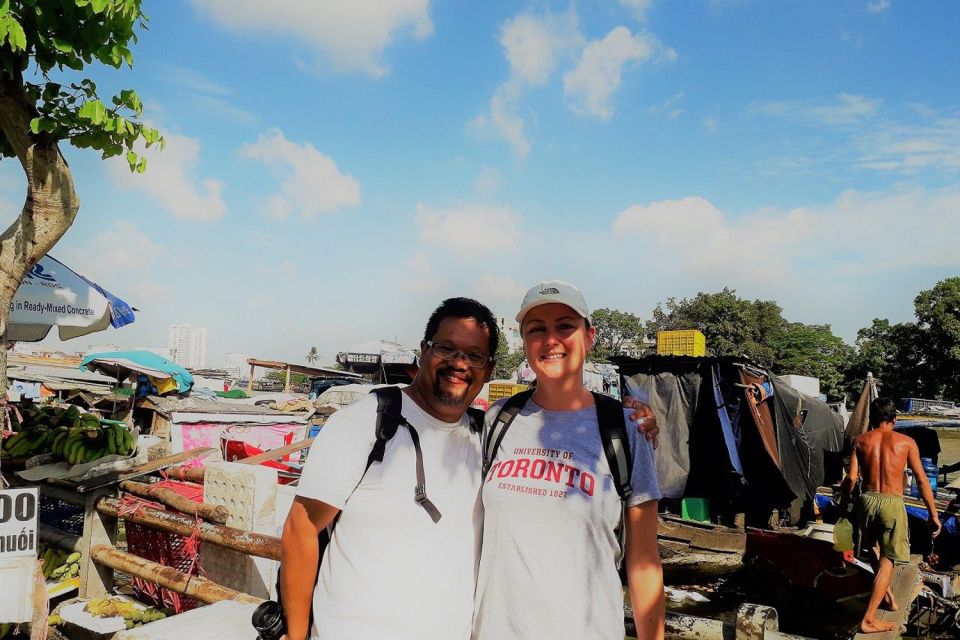
This tour works because the guide is doing more than pointing. You’re in English, and the guide’s job is to connect the neighborhoods to how Saigon works after the war and how people make a living today. You’ll learn about how residents live and work in the slum areas, and you’ll hear the guide’s views on the difference between tourist Saigon and the Saigon that locals navigate every day.
Some of the named guides who come up include Jay, Hana, Flora, Anna, Peter, Rosalyne, Eddie Nguyen, Wibu, My, and Duy. Even if you don’t get the same person, the common thread is the same: lots of explanation at each stop, with time to ask questions. That matters on a subject like this, where the risk is misunderstanding what you’re seeing. A good guide helps you avoid judging too fast and helps you notice what’s meaningful to the residents.
One especially valuable part of the experience is the way government support is discussed. The tour doesn’t only show conditions; it also frames how support is organized and what residents say matters in daily life. That context helps you move from sympathy-by-sight to understanding-by-story.
The itinerary in the real order you’ll feel it
You’ll begin with hotel pickup around 8:00 AM (the schedule can run about 2 to 4 hours, depending on the selected timing). The tour starts in the direction of the city’s more luxurious zones and then makes its way toward less tourist-covered areas.
From there, here’s how the route pieces typically land in your experience:
1) The transition: from showy Saigon to lived-in Saigon
Early on, you’ll feel the change quickly. Streets may look similar at first glance, but then you notice small differences: how space is used, who controls the storefront energy, and how people structure their day in tight surroundings. This is the moment where the tour earns its price. You’re not just visiting one dramatic stop. You’re watching the city’s economic gradient shift in real time.


2) Slum areas in the center: close to the city’s heartbeat
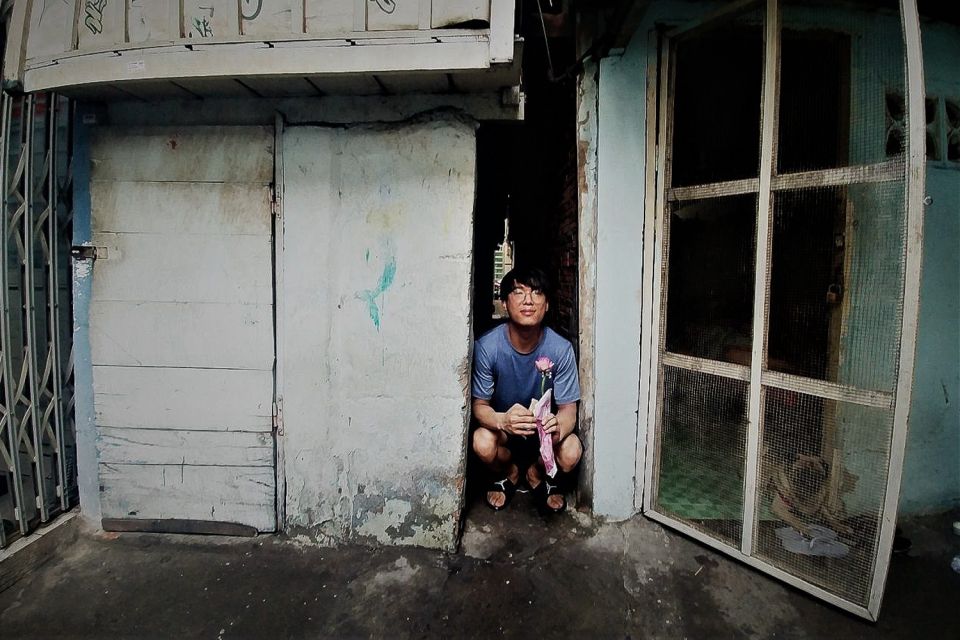
The central slum stops are where you understand density. You’ll see how people manage work, family life, and small routines in tight spaces. Even without a lot of formal explanations, the guide’s commentary usually helps you read the environment: what the area offers, what it lacks, and how residents adapt.
A drawback here is also practical: the streets can be narrow and busy. Keep your camera handy but use it respectfully and sparingly. The tour includes photos, so you don’t need to treat every moment like a production.
3) The old mafia area: history told through streets
The tour specifically lists slum areas in the old mafia zone. That’s interesting because it hints at how communities change over time. Rather than treating the neighborhood as a “before-and-after” stereotype, the guide helps you see how older social patterns can still echo in today’s living conditions and informal economies.
4) Along the river (districts 5 to 7): different living pressures
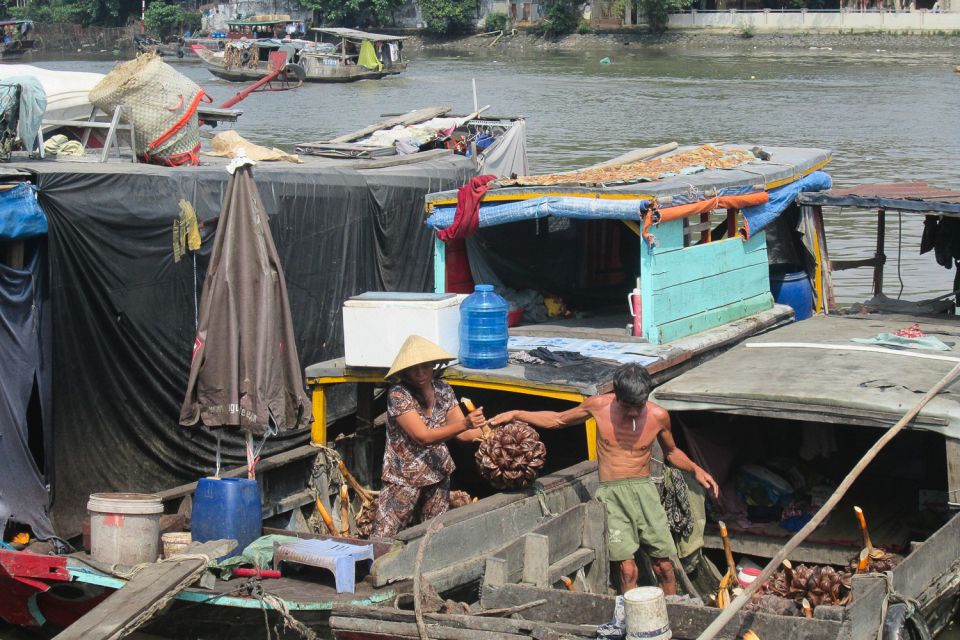
The river-area section changes the visual texture. You’ll likely notice how daily life aligns with water access and how neighborhoods behave when they’re shaped by riverside infrastructure. This part of the tour also helps explain why slum conditions aren’t identical across the city. You’re looking at different constraints, not one universal template.
5) Outside the center and toward the floating market area
By the time you move away from the center, you start seeing how economic life can look less compressed but still precarious. The floating market area mention is especially helpful for context. Even if you’re not spending a full market-style session, it signals that the city’s livelihoods connect to waterways and informal trade in more than one form.
6) Areas in process of dismantling and reconstruction
One of the most meaningful parts of the tour is the mention of slums being dismantled and rebuilt. This isn’t just a “look at poverty” segment. It’s framed as change in progress, which raises harder questions about housing security, continuity, and what “help” actually means when communities are moved or rebuilt.
If you like understanding how cities evolve, this piece gives you a clearer mental model than a simple sightseeing loop.
7) The charity food stall: a 2,000 VND meal that grounds the story
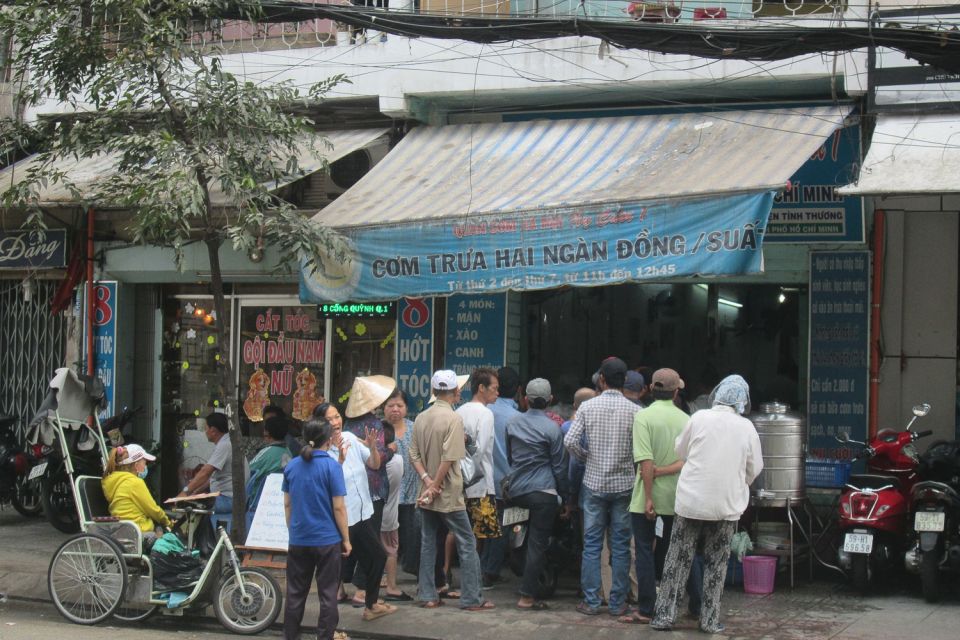
You’ll stop at a charity food stall that serves a meal with rice for 2,000 VND. This is the kind of practical detail that keeps the tour from becoming abstract. It makes the support system feel concrete, and it also gives you a break in the middle of the ride day.
Just remember: you’re not on a food tour. You’re part of a guided social context, so keep your focus on respectful interaction and the larger story the guide is building.
Safety, comfort, and the small gear details that matter
A big reason people recommend this tour is transport quality. The operator notes 96% of reviewers gave the transport a perfect score. More importantly for you, the included gear is straightforward: helmets, ponchos, and accident insurance.
For comfort:
- Wear comfortable shoes
- Expect you’ll sit on the bike for extended stretches, so bring patience
- If it rains, ponchos are included, and you won’t need to hunt for a disposable one
- Photos are included, so you don’t need to turn the day into constant shooting
For peace of mind, look for guide-driver pairings known for calm driving and clear pacing. Named examples include Rosalyne as a guide (and stories mention a friendly, comfortable vibe), plus drivers like Rosalie and MayLin referenced in the driving context.
Price and value: what you get for $16
At $16 per person, the value is mainly in what’s bundled. You get:
- hotel pickup and drop-off within District 1, 3, and 4
- local English guides
- motorbikes, helmets, ponchos
- photos
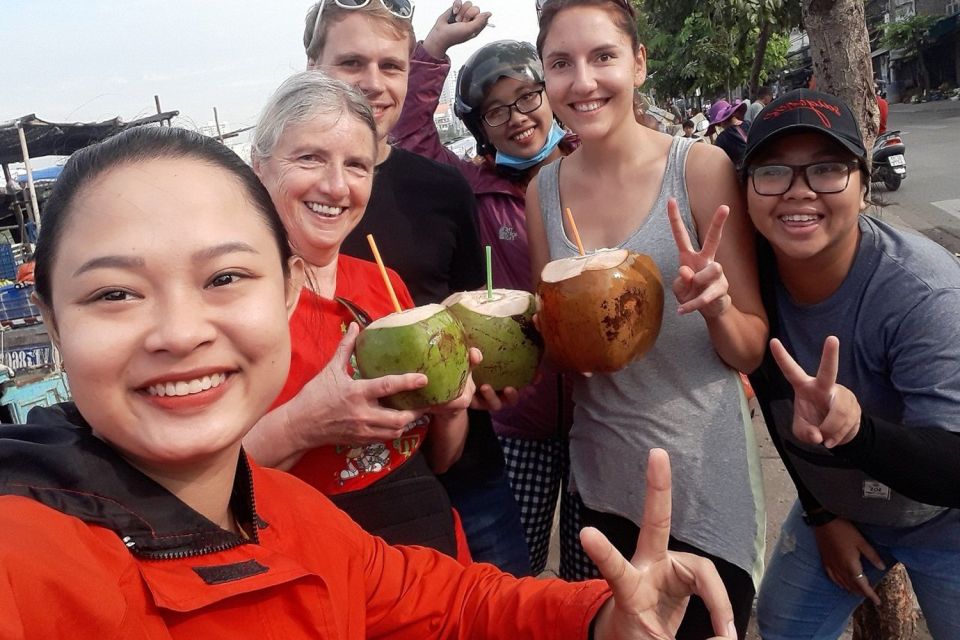
- one local drink (coconut, coffee, or another local drink)
- accident insurance
That’s not just convenience. It’s also time-saving. Without a tour, getting from one slum area to another safely and efficiently, while also understanding what you’re seeing, is difficult. Even if you hired a private ride, you wouldn’t automatically get the local context about work, daily life, and how government support is described.
If you’re thinking about upgrades, the options listed include:
- private tour surcharge of 5 USD per person
- female Aodai rider upgrade for 10 USD extra per person
- car support (7-seat car for 50 USD, or 16-seat van for 70 USD), with the note that it should be booked before 24 hours
Those are choices for comfort and style. The core value remains the same: you’re buying context plus transport, not just movement.
Who this tour suits best (and who should think twice)
This is a great fit if you want a fast, honest introduction to Ho Chi Minh City beyond the standard highlights. It’s also ideal if you like guided conversation and you want the city’s contrast explained by someone who lives nearby.
It might be a less satisfying choice if:
- you’re uncomfortable with motorbike traffic
- you dislike tours that mix serious social topics with sightseeing
- you prefer long, slow walking time over street-level exposure
And here’s a practical note: do this earlier in your Saigon stay if you want it to shape how you interpret everything else. When you see the city’s economic split first, the later places you visit make more sense.
Should you book this Saigon slum tour?
I’d book it if you want a structured, guided way to understand Saigon’s contrast in just a few hours, and if you’re open to hearing real-life stories that go beyond the typical tourist route. The motorbike format plus English guidance plus the charity rice stop makes it feel like a complete introduction, not a drive-by photo mission.
I’d skip (or at least consider alternatives) if you’re very risk-averse about motorbikes or you know you won’t handle sensitive topics well. You’re not required to “be brave” here, but you do need a bit of emotional readiness.
If you do book, wear comfortable shoes, listen closely, and treat people with the same respect you’d want visitors to show you.
FAQ
What’s the duration of the Saigon Slum Tour with Motorbike?
The tour runs about 2 to 4 hours, depending on the selected starting time and option.
Is hotel pickup included?
Pickup and drop-off are included within District 1, 3, and 4. If you stay outside those areas, there is a 5 USD per person surcharge mentioned by the operator.
Where is the meeting point if I’m not in the pickup zones?
A listed meeting point is near Saigon Opera House at 212 Lê Lai, Phường Phạm Ngũ Lão, Quận 1, Hồ Chí Minh.
What does the $16 per person price include?
It includes local English guides, motorbikes, helmets, ponchos, photos, one local drink (coconut, coffee, or a local drink), accident insurance, and hotel pickup/drop-off within the specified districts.
Do I need to bring anything?
Bring comfortable shoes. The tour provides helmets, ponchos, and includes photos and one drink.
Is the tour guided in English?
Yes, it’s a live tour guide in English.
Are private tours available and is there an extra charge?
Yes. A private tour option is mentioned with a surcharge of 5 USD for each pax.
Can I upgrade the experience or use a car instead of a motorbike?
Yes. There is an option to upgrade for Female Aodai Rider for 10 USD extra per person. Car options are also available with surcharges (7-seat car: 50 USD; 16-seat van: 70 USD), and the car/van option should be booked before 24 hours.
Are there holiday surcharges?
Yes. On Vietnam public holidays, the operator states a 100% surcharge for a 2-hour tour and 50% for other tours, payable onsite. Dates listed include Lunar New Year (Jan 27, 2025 to Feb 9, 2025), April 7, April 30 to May 1, Sep 1 to Sep 2, and Dec 31 to Jan 1.
Can I cancel for a refund?
Yes. Free cancellation is available up to 24 hours in advance for a full refund.