REVIEW · HO CHI MINH CITY
Ho Chi Minh City: Street Food and Sightseeing by Motorbike
Book on GetYourGuide →Operated by CONNECT CULTURE CO.,LTD · Bookable on GetYourGuide
Motorbikes plus noodles: a smart way to read Saigon. I really like the motorbike route through small alleys that helps you feel the city’s rhythm, and I really like the street food variety, from beef noodle soup to Vietnamese pancakes, with guides like Vincent and Seng keeping things clear and fun. The only real catch is that you’re riding in traffic and ducking through side streets, so if you get carsick or hate the idea of a scooter seat, this may not be your comfort zone.
You’ll get pickup in central districts, gear (helmet and poncho), and food included, then float between neighborhoods that most first-timers miss: an older apartment in District 3, Chinese temple and market areas in District 5, and a floating-market stop in old Saigon. Depending on the time of day, the pacing shifts from sightseeing and shopping lanes to busier nighttime eateries where you eat like locals keep eating—after the daytime rush.
In This Review
- Key things that make this tour work in HCMC
- Why a motorbike street-food tour makes sense here
- District 3 old apartment: how locals live in the oldest neighborhood vibe
- Getting your bearings: small alleys, big sensory impact
- The big flower market stop: color and timing in one stop
- District 5 Chinatown markets: motorbike, lantern, and medicine lanes
- A Chinese community temple: religion as a lived thing, not a brochure
- Floating market in old Saigon: when food and trade meet the water
- Night option vs day option: same concept, different energy
- Food you’ll likely taste, and how to order like a friend
- Price and logistics: what $16 buys you, plus the possible extras
- Safety, comfort, and who should skip the motorbike
- The guide makes the difference: Vincent, Seng, and the team style
- Should you book this Saigon street-food motorbike tour?
- FAQ
- How long is the motorbike street-food and sightseeing tour?
- Where is pickup available?
- What’s included in the price?
- What if my hotel is outside the pickup districts?
- Is alcohol allowed on the tour?
- What should I bring?
- Is it refundable if I cancel?
Key things that make this tour work in HCMC
- District 3 old-apartment look: see daily life in the oldest neighborhood feel, not just landmarks
- District 5 Chinatown markets: motorbikes, lanterns, and Chinese medicine in one route
- Chinese-religion temple stop: a practical way to understand how different communities share space
- Street-food plan you can actually finish: multiple small tastings instead of one huge meal
- Floating-market moment: a classic setting tied to how Saigon trades and travels
- English guide plus safe-feeling gear: helmets, ponchos, and a guide who answers your questions fast
Why a motorbike street-food tour makes sense here
Ho Chi Minh City can feel like two cities at once: the shiny, postcard version and the real, working city. Walking alone helps, but it’s slow, and you often get stuck on wide roads. Motorbikes fix that. They give you quick access to side streets, neighborhood lanes, and those food counters you’d never spot from the main avenue.
The other reason this tour works is the structure. You’re not just “eating random stuff.” You move through areas tied to daily life: older housing in District 3, Chinese community spaces in District 5, then toward markets and riverside scenes associated with old Saigon. Food becomes part of the geography, not an add-on.
Also, the included setup matters. You get pickup in Districts 1, 3, and 4, plus helmets and ponchos, and the guides keep the flow tight so you’re not waiting around with your stomach growling.
You can also read our reviews of more food & drink experiences in Ho Chi Minh City

District 3 old apartment: how locals live in the oldest neighborhood vibe
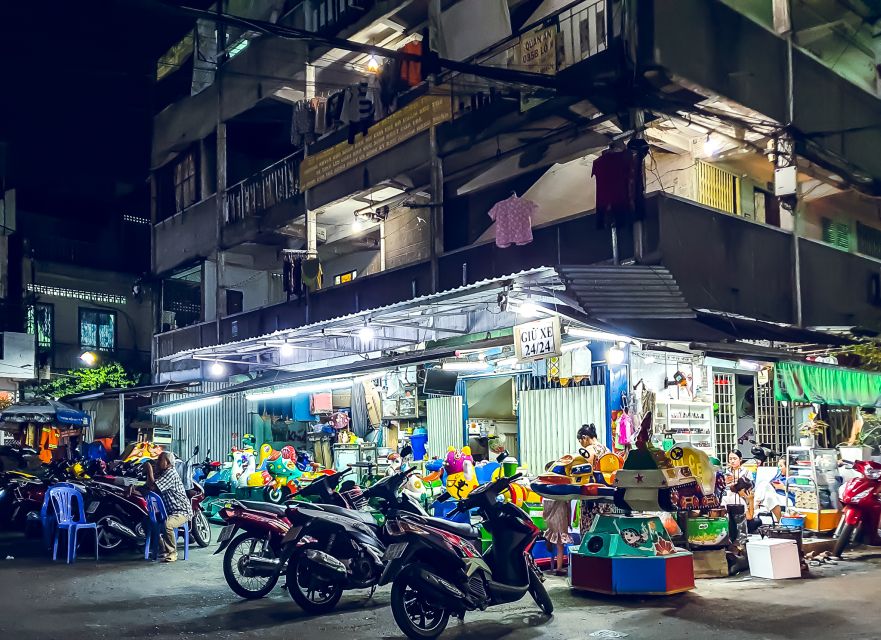
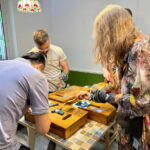
One of the most memorable parts is the stop at an apartment in District 3, a place described as one of the city’s oldest areas. This isn’t a museum-style “look but don’t touch” stop. The point is to see how people live—how space is used, how daily routines fit into the neighborhood, and what it means to live near the city’s older core.
Why I think this is valuable: sightseeing in HCMC often means buildings and stories. An apartment stop adds texture. Even if you only observe for a short time, it helps you understand why the rest of the day makes sense—why markets matter, why street food is built into schedules, and why neighborhoods keep their identity even as new development pushes in.
Potential drawback: this kind of stop is more observational. If you’re hoping for hands-on activities, you might feel it’s more of a quick “see and learn” moment than a full deep dive.
Getting your bearings: small alleys, big sensory impact
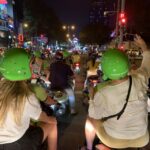
After the apartment and early neighborhood time, the motorbike ride becomes its own lesson. You’ll be taken through the city center by turning off the main roads and into smaller passages where the pace feels different. This is where HCMC stops being a map and starts being a living place: scooters everywhere, shopfront life, and those food smells that show up before you even see the stall.
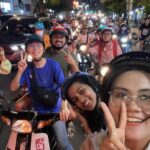
This is also where a good guide earns their money. Guides like Vincent and others in this group are known for being upbeat and talkative, answering questions about what you’re seeing and keeping you comfortable on the bike. And because the ride is guided, you’re less likely to feel lost or end up in the “wrong kind” of street—always a plus when you’re new to the traffic patterns.
Tip for you: wear comfortable shoes. You’ll likely do short walks between stops, and the ground can be busy underfoot.
The big flower market stop: color and timing in one stop
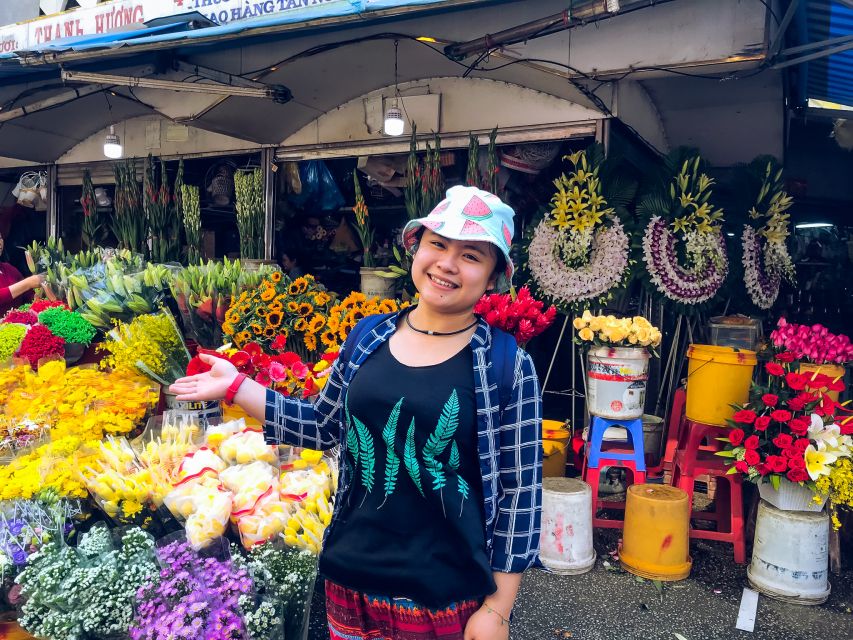
Next comes a flower market moment, including a stop at a large flower market where you can see the range of blooms for sale. Flowers might sound like a detour in a food tour, but here it makes sense. In HCMC, flowers are tied to everyday occasions—weddings, religious visits, and personal offerings. So seeing this market tells you something real about how people mark moments and keep traditions visible.
What you’ll notice quickly is variety: different colors and styles, sold in a way built for speed. Even if you don’t buy, you get a strong sense of the city’s supply chain and how markets support daily life.
District 5 Chinatown markets: motorbike, lantern, and medicine lanes
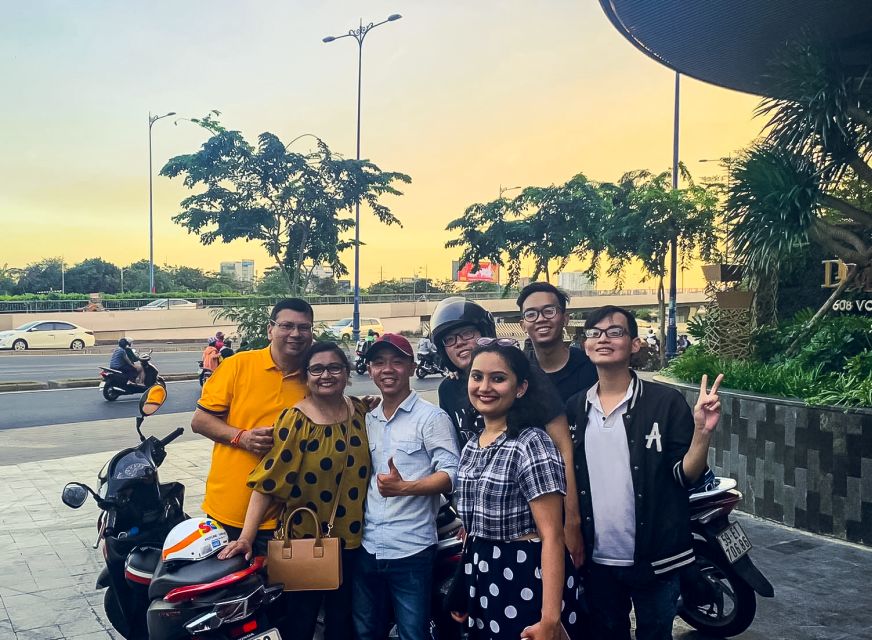
If there’s one zone that turns the volume up, it’s Chinatown in District 5. On this tour, you’re not just passing through. You’re guided through specific market areas, including a motorbike market, a Chinese lantern market, and a Chinese medicine market.
Why this is more interesting than it sounds:
- Motorbike market: it’s a practical, working trade. You’re seeing how transportation culture and commerce overlap.
- Lantern market: you’re seeing how festivals and home traditions use bright visual language.
- Chinese medicine market: you’re seeing a different side of “market culture,” where ingredients and remedies are part of everyday decision-making.
Your guide will explain what you’re looking at so it doesn’t turn into random shopping browsing. Past guests also describe these guides as professional and fun—good traits when you’re in busy areas and want clarity without feeling like you’re being lectured.
Possible drawback: if you hate crowds or shopping traffic, this is the part where it can feel busiest. The good news is the tour is timed, so you’re not wandering for hours.
You can also read our reviews of more tours and experiences in Ho Chi Minh City
A Chinese community temple: religion as a lived thing, not a brochure
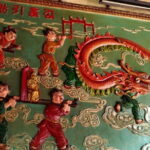
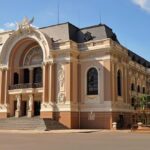
Then you’ll stop at a typical temple that showcases the religious culture of the Chinese community. This isn’t only about architecture. It’s about how belief shows up in daily practice and community identity.
What I like about including a temple on a street-food and motorbike day: it gives the Chinese market area meaning. Markets sell goods, sure—but they also reflect the needs of the people using them. When you see the temple afterward (or alongside explanations of it), the day feels connected instead of chopped into separate “random stops.”
A practical note for you: dress comfortably but respect the space. You’ll be walking and standing in a public religious setting.
Floating market in old Saigon: when food and trade meet the water
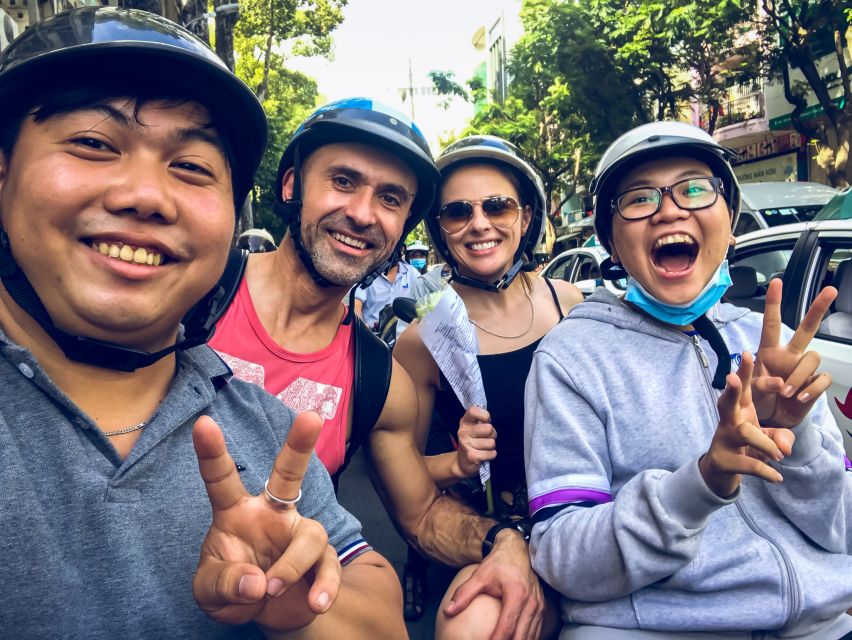
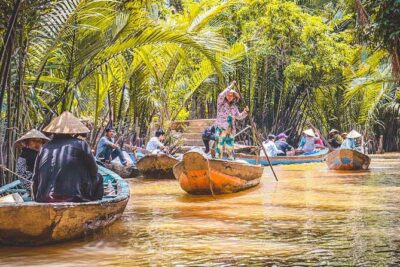
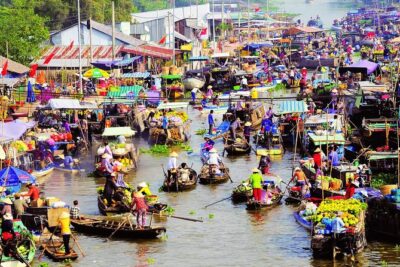
In the route, you also go to a floating market in the heart of old Saigon. Floating markets are one of those places where the scene can feel staged in some countries, but in HCMC’s case, the value here is the connection to old Saigon’s trading life.
Even without going deep into history lessons, you’ll see why this matters: it’s a reminder that waterways shaped how people moved goods and how food reached neighborhoods. For a food tour, that context is helpful. You’re not just eating—you’re learning where supply comes from and how communities plan around what’s available.
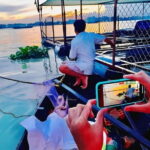
If you’re the type who likes photos, this is one of your best moments for pictures. Just keep your camera ready, but also keep an eye on where your guide is leading you.
Night option vs day option: same concept, different energy
The tour can run morning or afternoon, with a Chinatown focus in District 5 and markets included. There’s also a night food tour version, and the style changes.
On the night option, your guide takes you to more busy local restaurants rather than focusing on Chinatown after daytime business wraps. You also get a drive through the Saigon Old Mafia Area, described as a food paradise nowadays. That matters because the mood is different at night: fewer “shopping streets,” more “people eating,” and you see how the city relaxes into evening.
If you like nightlife but don’t want a club crawl, this is a good middle ground: you’re out late, but your evening is built around meals and local spots.
Food you’ll likely taste, and how to order like a friend
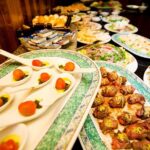
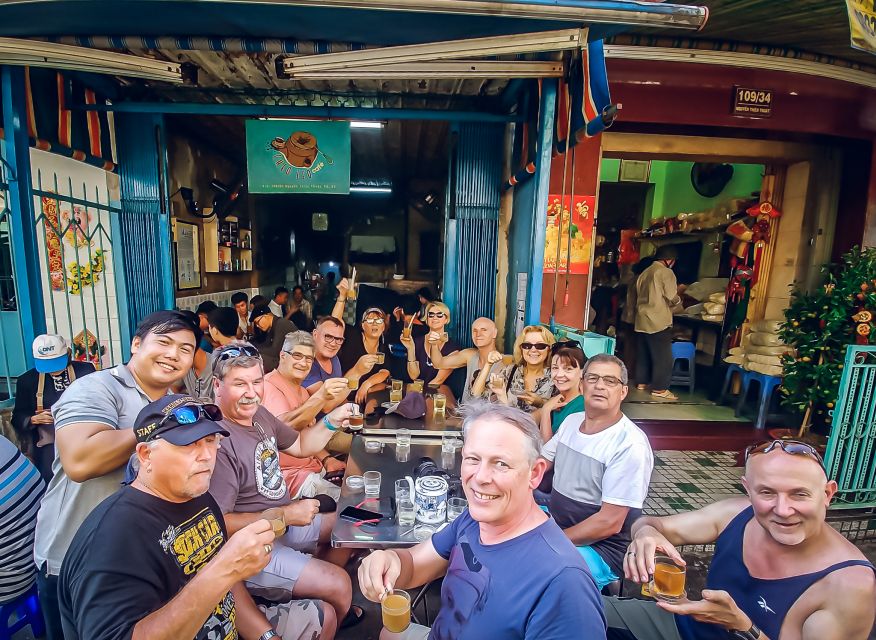
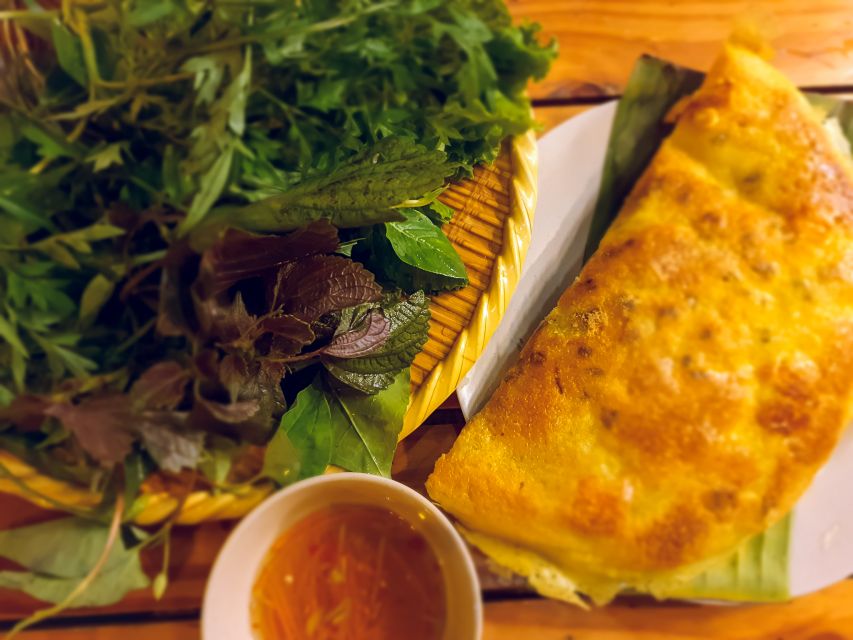
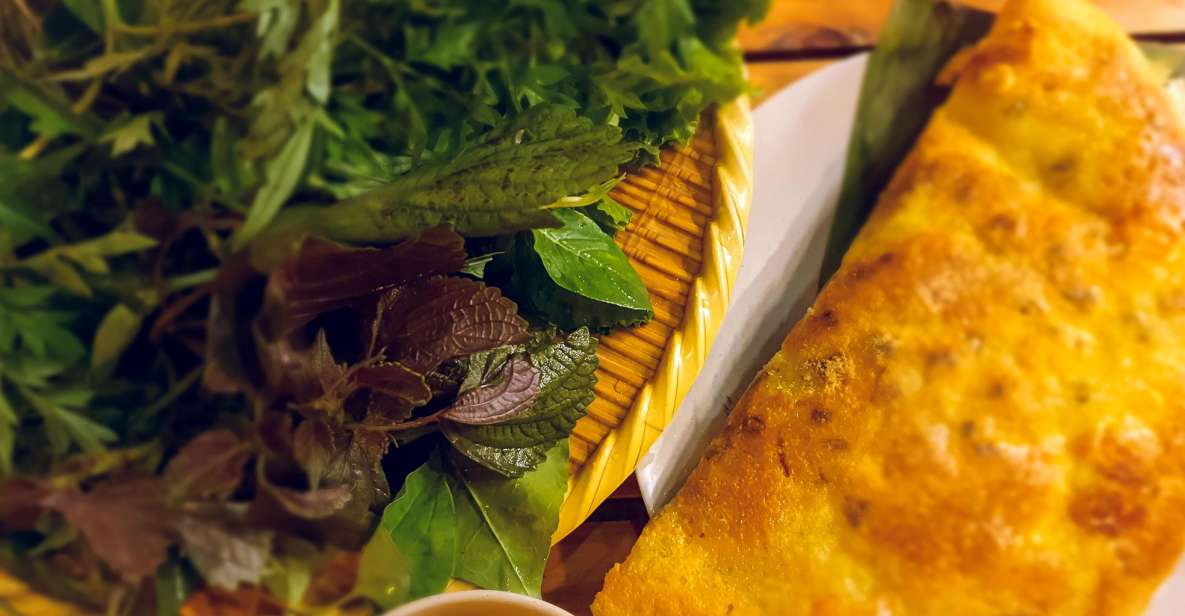
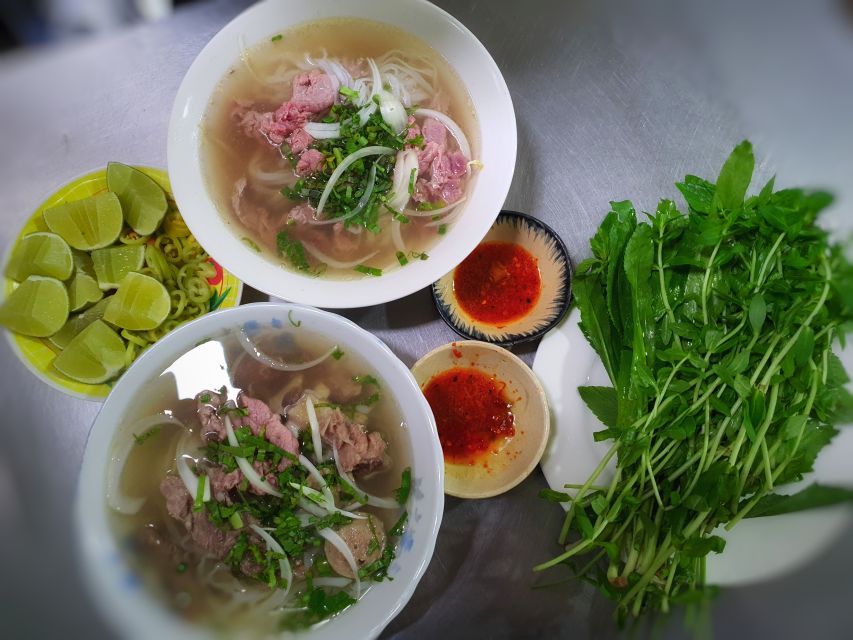
Street food in HCMC isn’t about one “famous dish.” It’s a menu built for sampling. This tour’s set of tastings includes classics like beef noodle soup and Vietnamese pancakes, and it also tends to include coffee stops during the day.
Based on what’s commonly served on this route, you might run into:
- Beef noodle soup (a reliable, filling starter)
- Vietnamese pancakes (often fun because they’re easier to share)
- Vietnamese coffee, including traditional coffee and egg coffee
- Other small plates guests often mention, like pork sausage and clams
How to make the food portion work for you:
- Go in hungry, but not starving. The tour includes drinks and multiple tastings.
- Be ready to try what you’ve never had before. Pancakes and noodle dishes can look familiar but taste very different here.
- If you have preferences (no seafood, less spice, etc.), say it early. Guides on this kind of route can tailor choices to your comfort level.
One more practical tip: bring cash. Even when food is included, you’ll sometimes want a snack, a drink, or a small souvenir.
Price and logistics: what $16 buys you, plus the possible extras
At $16 per person for a 2-hour to 210-minute experience, the value is mainly in what’s included. You’re getting:
- pickup and drop-off in Districts 1, 3, and 4
- an English-speaking guide
- motorbikes, helmets, and ponchos
- all food and drinks
- photos
That’s a lot to pack into one price, especially in a city where “just transportation” tours can cost nearly as much without feeding you. The bike is also key: it’s the tool that makes the route possible.
Where the price can change:
- If your hotel is outside the included pickup districts, there’s a $5 per person surcharge by the operator.
- On private options there’s also a $5 per person surcharge.
- There are add-ons like a car/van option (not included in the base price) if you want a less-scooter feel.
My take: if your hotel is in the included pickup area, this is one of the cleaner deals in the “food plus movement” category.
Safety, comfort, and who should skip the motorbike
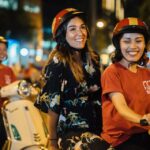
This isn’t a casual stroll tour. It’s a scooter ride with short stops. You’re provided with helmets and ponchos, which is helpful for comfort and light rain protection.
In terms of who it’s best for, the tour isn’t suitable for:
- pregnant women
- wheelchair users
- people over 70 years
If you’re prone to motion sickness, it’s worth considering carefully. The route includes weaving through traffic and side streets, and the whole point is speed and access, not a slow scenic cruise.
What I’d recommend for most people:
- wear comfortable clothes and shoes you can walk in for short distances
- keep your camera secured so you’re not juggling it on the move
- don’t carry alcohol or anything prohibited; alcohol and drugs aren’t allowed
The guide makes the difference: Vincent, Seng, and the team style
A lot of the “wow” in this kind of tour comes down to the guide. From the names you’ll hear in this operation—Vincent, Seng, Vi, Peace, Storm, Tom, Vu, and Danny—you can expect guides who:
- explain what you’re seeing in clear English
- keep the day fun while staying organized
- help you pick foods you actually want
- answer questions about both old and modern life in Saigon
Some guides also help guests find Vietnamese coffee to take home, including cheaper options compared with tourist-facing spots. If you’re a coffee person, that alone can make the tour feel like more than just two hours of snacks.
Should you book this Saigon street-food motorbike tour?
Book it if you want a fast, practical introduction to HCMC that mixes real neighborhoods with real food. This is especially good for you if:
- you’re short on time and want to cover multiple districts
- you like street food and want help ordering and pacing
- you’re comfortable riding a scooter for a couple of hours
- you want context, not just a checklist of sights
Skip it (or consider a different format) if:
- the idea of traffic and motorbike riding stresses you out
- you need full step-by-step accessibility support
- you prefer slow walking tours with minimal movement
If you fall somewhere in the middle, do this as your first big food-and-neighborhood day. It’s the kind of tour that gives you bearings fast, and then the rest of your trip feels easier.
FAQ
How long is the motorbike street-food and sightseeing tour?
It runs from 2 hours up to about 210 minutes, depending on the option and timing.
Where is pickup available?
Free pickup is offered for hotels in Districts 1, 3, and 4, or you can meet at 212 Lê Lai Phường Phạm Ngũ Lão, Quận 1, Hồ Chí Minh.
What’s included in the price?
Included items are pickup and drop-off in the eligible districts, an English-speaking guide, motorbikes with helmets and ponchos, all food and drinks, and photos.
What if my hotel is outside the pickup districts?
If you stay outside the included pickup destinations, there is a $5 USD per person surcharge that the operator charges on the service day.
Is alcohol allowed on the tour?
No. Alcohol and drugs are not allowed.
What should I bring?
Bring comfortable shoes, a camera, comfortable clothes, and cash.
Is it refundable if I cancel?
Yes. You can cancel up to 24 hours in advance for a full refund.