REVIEW · HO CHI MINH CITY
Ho Chi Minh City Half Day Afternoon – 6 Major Attractions
Book on Viator →Operated by KIM TRAVEL · Bookable on Viator
Saigon in four hours feels like a movie montage. You’ll hop between major sights that show the city’s war-era scars, colonial-era landmarks, and Chinese-Buddhist temple life, all with an English-speaking guide and air-conditioned comfort. It’s a compact way to understand why Ho Chi Minh City can feel both modern and old at the same time.
I love the convenience: hotel pickup and drop-off covers central District 1, 3, and 4, so you skip the guessing game. I also appreciate that the trip handles the money side for you, with entrance fees included, bottled water, and even small comforts like wet tissues and wheat cake.
The main thing to consider is pacing. Each stop is timed at about 30 minutes, so if you want slow reading or long photo breaks, this tour can feel a bit fast, especially during the bigger museums.
In This Review
- Key takeaways before you go
- How the four-hour afternoon format really feels in Ho Chi Minh City
- War Remnants Museum: where your tour starts with the hard stuff
- Independence Palace: a fast stop that adds huge context
- Saigon Notre Dame Cathedral and the Central Post Office: French-era icons in walking distance
- Emperor Jade Pagoda: a calm contrast after the museum stops
- Ben Thanh Market: a final sprint through everyday Saigon
- Price and value: is $45 a good deal for six attractions?
- What to expect from the guide (and why it matters)
- Vegetarian options, snacks, and small comforts that add up
- Who should book this half-day Ho Chi Minh City tour?
- Should you book this tour?
- FAQ
- How long is the Ho Chi Minh City half-day afternoon tour?
- What attractions are included on the tour?
- Is hotel pickup and drop-off included?
- Do I need to pay for entrance tickets?
- Is transport provided?
- Is bottled water and a snack included?
- Is the tour private?
- Are vegetarian options available?
- Is the tour weather dependent?
- Is there free cancellation?
Key takeaways before you go
- Door-to-door pickup in Districts 1, 3, and 4 makes a half-day plan actually work
- Entrance fees are included for the major stops
- Two heavy-hitting history stops are paired back-to-back for context
- A mix of French, Vietnamese, and Chinese influence shows up in the sights
- Timed visits (about 30 minutes each) mean less wandering and more ticking off highlights
- English-speaking guides are part of the value; names you might see include Jackie, Long, Lee, Kelvin, and Bao
How the four-hour afternoon format really feels in Ho Chi Minh City
This is built for an afternoon reset. About four hours total means you’re not stuck in transit all day, and you also avoid the pressure of trying to hit everything on your own in a traffic-heavy city.
You start with pickup from central hotels (District 1, 3, and 4). That matters because Ho Chi Minh City can be much easier when someone else is coordinating timing, parking, and logistics. From there you ride in an air-conditioned minivan between stops, with a guide who keeps the flow going and covers each place in plain, practical language.
You’ll move through six headline attractions, and the tour time is split evenly: roughly 30 minutes at each stop. That schedule has a clear upside: you won’t get stuck at one location and miss the rest. The downside is that you’ll need to choose what you want most from each stop (photos, people-watching, quick orientation, or guided explanation).
One more note: this experience is set up for good weather. Since a good chunk of the day is outdoors between sites, it helps if you dress for heat and stay hydrated, even though bottled water is included.
You can also read our reviews of more city tours in Ho Chi Minh City

War Remnants Museum: where your tour starts with the hard stuff
The afternoon begins at the War Remnants Museum. It’s the kind of stop that sets the tone for the rest of the day because it frames the war in Vietnam through what you see inside the museum galleries.
You get about 30 minutes here, and that’s enough time to get oriented and grasp the main themes without pretending you’ll read everything. The best way to use the time is to focus on what the museum is trying to communicate, then leave yourself a moment to let the impact land before you move on.
I like how this tour doesn’t start with something easy and cheerful and then try to catch up later. Starting with the museum gives meaning to what you’ll see at the next major historical site. The tour flows from memories and evidence into a physical place tied to national transition, which feels more connected than visiting these locations at random.
It’s also worth saying plainly: this stop is intense. Even if you’re just doing a half-day overview, you should expect emotional weight and a museum experience that doesn’t pull punches.
Independence Palace: a fast stop that adds huge context
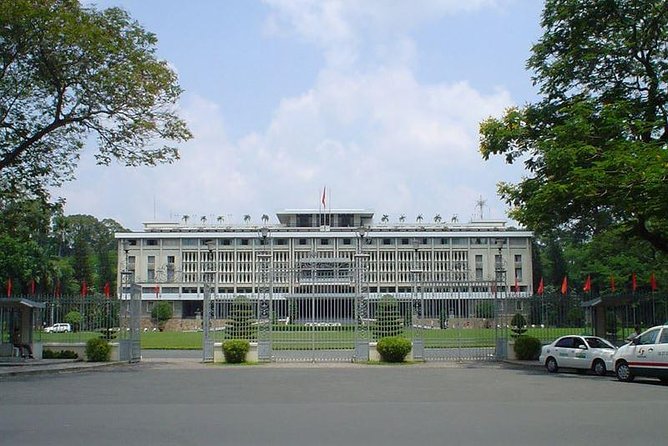
Right after the museum, you head to the Independence Palace, also known as the Reunification Palace. This stop is another 30 minutes, which keeps the pacing brisk, but it works because the palace is a tangible setting for the story you just started learning.
What I like here is the “see it, then understand it” rhythm. A museum tells you what happened; a palace helps you picture how power, decisions, and daily reality converged in a specific place. Even with a short visit window, having the guide explain what you’re looking at makes the palace feel less like a photo stop and more like a snapshot of political change.
If you prefer history that’s tied to real buildings and real rooms, you’ll probably enjoy this pairing. It also helps that entrance fees are included, so you’re not spending time sorting tickets while you’re already mid-plan.
Saigon Notre Dame Cathedral and the Central Post Office: French-era icons in walking distance
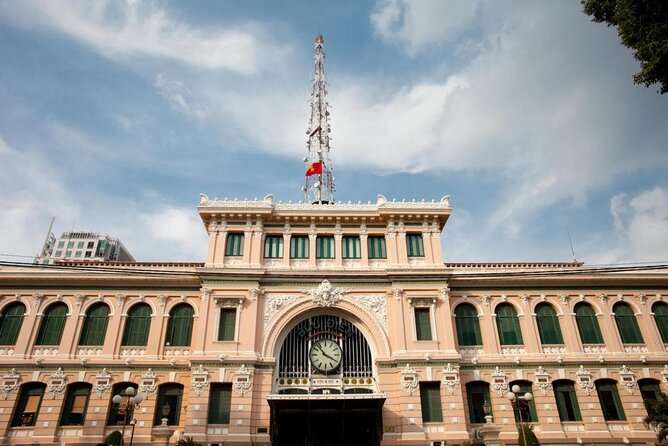
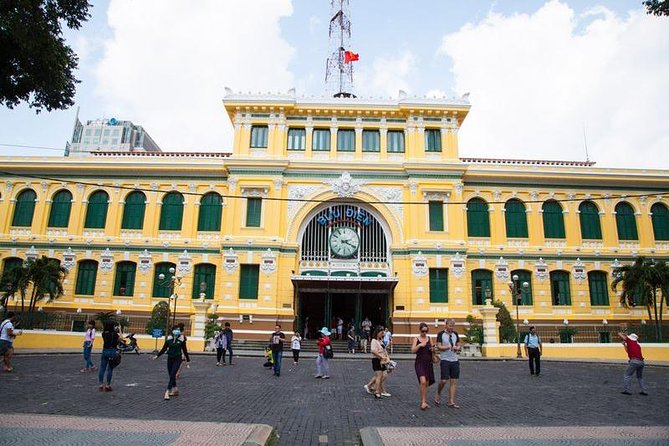
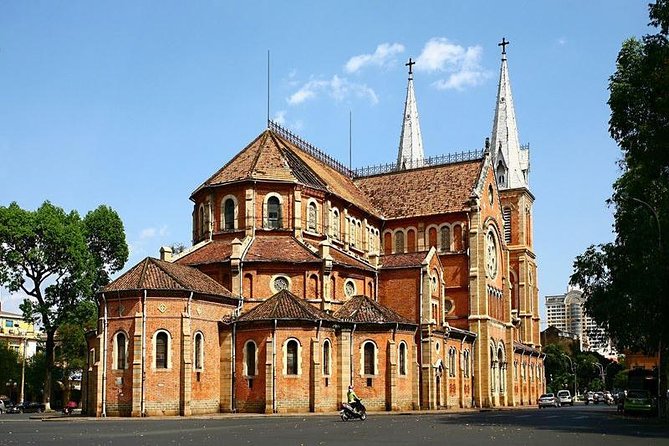
After the two history anchors, the tour shifts into iconic city landmarks: Saigon Notre Dame Cathedral and the Central Post Office.
Each gets about 30 minutes. For me, the sweet spot at this stage is using the guide’s narration to understand why these buildings matter, then using your own eyes for the atmosphere. These are famous because they reflect a French influence that still shows up in the architecture and the city’s layout. In a half-day tour, you’re mainly getting an overview, not a slow architecture seminar, so you’ll want to pay attention to details you can actually notice quickly.
The Cathedral stop is also useful for photos and for understanding the area’s landmark role in central Saigon. The Central Post Office works as a practical rest break too, since it’s a major indoor-friendly landmark on many visitors’ lists.
One thing to consider: during a tight schedule, you may not have the luxury to linger. If you want to spend extra time with a building’s interior, you’ll have to decide quickly how much you want to prioritize and what you can skim.
Emperor Jade Pagoda: a calm contrast after the museum stops

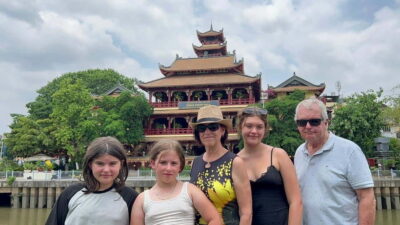
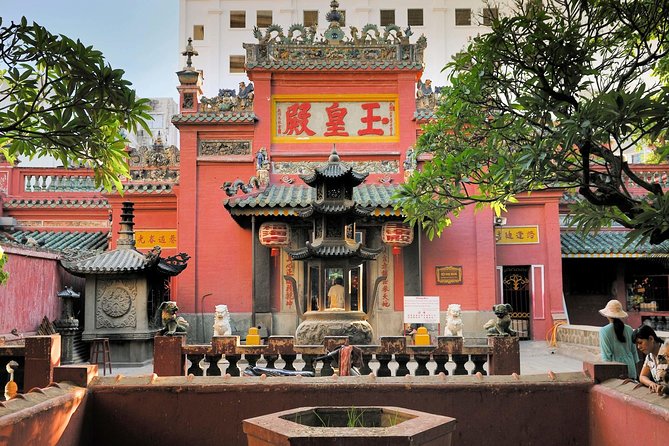
Next is Emperor Jade Pagoda. At about 30 minutes, this stop is designed to give you a quick look at a different spiritual and cultural side of the city without stretching your day.
I like the contrast built into the routing. You go from war-era history into colonial-era landmarks and then into a temple setting, so your brain gets a change of pace. Even if you’re not a religion expert, a pagoda is a powerful place to notice how Chinese-Vietnamese culture shows up in everyday reverence, decoration, and visitor behavior.
Because the tour includes an experienced English-speaking guide, you’re not just staring at ornate details and guessing. The guide helps you connect what you’re seeing to how the site functions and why it holds meaning for worshippers.
Tip for your own experience: be respectful with your time inside. You’ll enjoy this more if you treat it as a short cultural pause rather than another “in and out” photo stop.


Ben Thanh Market: a final sprint through everyday Saigon
Ben Thanh Market is the last major stop, and it’s timed at about 30 minutes. That makes it a browse window more than a full market immersion.
What I like about ending here is that it shifts you into street-level life. After museums, palaces, and landmark buildings, the market gives you a sense of how people live and shop right now. It also helps if you want quick souvenirs or simple snacks without planning a separate trip.
If you’re the type who loves people-watching, you’ll likely enjoy this end-of-tour segment. If you hate crowds or prefer quiet spaces, you may want to keep your expectations realistic and focus on just a few lanes or stalls rather than trying to see everything.
Price and value: is $45 a good deal for six attractions?
At $45 per person for roughly four hours, the value depends on what you care about. This tour includes a lot of the friction points that add up on your own: hotel pickup and drop-off, air-conditioned transport, an English-speaking guide, entrance fees for every listed stop, bottled water, wet tissues, wheat cake, and travel insurance.
So you’re not just paying for sightseeing. You’re paying for time savings and organization. That’s especially useful on a first afternoon when you’re still learning how your way around works.
There is one potential drawback to keep in mind. When a tour feels “overpriced,” it’s usually because the pacing and limited time make it feel like you’re getting a quick look instead of deep exploration. Since each stop is about 30 minutes, you’re buying access and orientation more than exhaustive study.
If you want a guided overview and you value not dealing with tickets and timing, $45 can feel fair. If you prefer slow wandering and don’t mind arranging your own transport and admissions, you might choose a cheaper self-guided approach instead.
What to expect from the guide (and why it matters)
The tour is designed around an English-speaking guide, and guide quality shows up fast in how the day feels. People praised guides such as Jackie, Long, Lee, Kelvin, and Bao for being friendly and for making the history easier to understand.
That said, the schedule is tight. Even with a great guide, there’s only so much explanation you can fit into 30 minutes per stop. So if you’re the kind of traveler who loves long, detailed answers, you’ll get more out of asking a few focused questions rather than expecting full lectures at every location.
This is also why I recommend being clear about what you want most. If you’re most curious about war history, spend extra attention at the museum and palace. If architecture or religion is your priority, lean into the Cathedral, Central Post Office, and Emperor Jade Pagoda with your questions.
Vegetarian options, snacks, and small comforts that add up
Included in the day are wet tissues and wheat cake, plus bottled water. These are small details, but in Ho Chi Minh City’s afternoon heat, they can keep you from feeling drained before you finish.
Vegetarian options are available. If you need it, you should advise at booking, so the snack situation is handled from the start rather than becoming a last-minute scramble.
Who should book this half-day Ho Chi Minh City tour?
This is a great fit if you want a guided “greatest hits” route without turning your afternoon into a logistics project. I’d especially recommend it if:
- You’re on your first day and want to get your bearings fast across central landmarks
- You want a balanced route: war history, colonial icons, a major pagoda, and a real market
- You prefer convenience: pickup/drop-off, air-conditioned transport, and entrance fees handled
- You travel in a group and want just your group on the tour (it’s a private tour/activity)
It’s also a good choice if you don’t want to spend half a day deciding what to do next. The structure is simple, the stops are clear, and the guide helps you make sense of what you’re seeing.
If you’re coming with a strong interest in one single topic and want hours of depth, you may prefer a longer, single-focus tour. In that case, this half-day can feel like a tasting menu.
Should you book this tour?
I think you should book if you want a practical, organized intro to Ho Chi Minh City and you like being guided through six big icons in one afternoon. The big reason is value: pickup, transport, English guidance, entrance fees, and included comfort items remove a lot of day-to-day hassle.
I would hesitate if you hate time pressure or you know you want extended time in major sites like the War Remnants Museum. In a schedule where every stop is about 30 minutes, you’ll need to be comfortable with quick orientation over deep reading.
If you’re deciding between chaos and clarity, this one is built for clarity.
FAQ
How long is the Ho Chi Minh City half-day afternoon tour?
It runs for about 4 hours.
What attractions are included on the tour?
The War Remnants Museum, Independence Palace, Saigon Notre Dame Cathedral, Saigon Central Post Office, Emperor Jade Pagoda, and Ben Thanh Market are all included.
Is hotel pickup and drop-off included?
Yes. Pickup and drop-off are included for hotels in the center of District 1, 3, and 4.
Do I need to pay for entrance tickets?
No. All entrance fees for the listed stops are included.
Is transport provided?
Yes. You’ll travel by air-conditioned minivan.
Is bottled water and a snack included?
Yes. Bottled water is included, along with wheat cake and wet tissues.
Is the tour private?
Yes. It’s a private tour/activity, and only your group participates.
Are vegetarian options available?
Vegetarian options are available if you advise at the time of booking.
Is the tour weather dependent?
Yes. It requires good weather, and if it’s canceled due to poor weather, you’ll be offered a different date or a full refund.
Is there free cancellation?
Yes. You can cancel up to 24 hours in advance for a full refund.