REVIEW · HO CHI MINH CITY
HCMC: Cu Chi Tunnels & Rice Paper Village Small Group Tour
Book on GetYourGuide →Operated by HANA TOURIST VIP · Bookable on GetYourGuide
Cu Chi isn’t something you just glance at. This small-group day trip takes you into the Cu Chi Ben Duoc Tunnels and then swaps history for a hands-on rice paper workshop. You’ll ride out of Ho Chi Minh City with time to settle in, and you’ll move through the day at a pace that feels less like a factory line.
I really like two parts: the chance to see Ben Duoc, a quieter section where fewer people go, and the way the day mixes heavy subject matter with a practical, local skill at the rice paper village. The authentic Southern lunch also hits the spot after the morning.
One consideration: this is an underground-and-outdoor day. If you have mobility limits related to back problems or insect allergies, or if heat bugs you, you’ll need to think carefully about whether this format fits you.
In This Review
- Key highlights worth planning for
- Cu Chi Ben Duoc and the rice paper twist
- Pickup in Districts 1, 3, and 4: how the morning runs
- The ride out of HCMC: what you’ll notice on the way
- Ben Duoc Tunnels: war-era living, built for survival
- What you’ll see underground and around the complex
- The optional tunnel walk (and what to do with it)
- The shooting range time slot
- Lunch at a countryside restaurant: what included food really means
- The rice paper village at 1:30 PM: bánh tráng up close
- Learning the process, not just watching it
- Making rice paper yourself (the workshop)
- Timing on the way back: arriving before evening plans
- Small group size (up to 10): better questions, less waiting
- English-speaking guide: what to do with that advantage
- Price and value: what $21 gets you in real terms
- What to bring (and skip) for a smoother Cu Chi day
- Who this tour suits best
- Should you book this Cu Chi and rice paper day?
- FAQ
- How long is the Cu Chi Tunnels & Rice Paper Village small group tour?
- Where do you get picked up and dropped off in Ho Chi Minh City?
- What’s included in the tour price?
- Is lunch included, and are vegetarian options available?
- Do you get to make rice paper or just watch?
- How many people are in the small group?
- What should I bring with me?
- Is the tour wheelchair accessible?
Key highlights worth planning for
- Ben Duoc instead of the busiest tunnel area: a calmer, more local-feeling stop.
- Short safe tunnel walking option: you get a taste of tight spaces without making it the whole mission.
- Local lunch included: real Southern Vietnamese dishes, plus vegetarian options on request.
- Rice paper workshop (bánh tráng): you actually make and test your own rice paper.
- Hotel pickup and drop-off: included in Districts 1, 3, and 4, so you avoid logistics stress.
- Small group (up to 10): more questions, less waiting around.
Cu Chi Ben Duoc and the rice paper twist
A trip to the Cu Chi Tunnels can go two ways: either it feels like a checklist, or it feels like you’re trying to understand how people lived under extreme conditions. This one leans toward understanding. Ben Duoc is a more peaceful slice of the tunnel network, so you spend less time stuck in crowds and more time watching, listening, and taking it in.
Then the day does something smart: it moves from war-era underground life to a food-making craft. At the rice paper village, you’re not just looking at bánh tráng on a shelf. You learn the process and make your own, which gives your brain a break while still keeping things grounded in daily life.
You can also read our reviews of more tours and experiences in Ho Chi Minh City.


Pickup in Districts 1, 3, and 4: how the morning runs
You’ll start between 7:30 and 8:00 AM with pickup from your Ho Chi Minh City hotel if you’re in District 1, 3, or 4. The guide will meet you in the lobby, and you might get contacted via WhatsApp if timing needs adjusting. The pickup order is organized for an efficient route, so try to be ready on time.
Then it’s a van ride to the countryside. The drive runs about 105 minutes, which is long enough to get comfortable and let the day start sinking in before you reach the tunnels. If you’re prone to morning stiffness, bring a layer and wear comfy shoes, because the day mixes walking and time outdoors.
The ride out of HCMC: what you’ll notice on the way
Leaving the city early is part of the value here. You’re not waiting for a late start, and you’re not cooking in the hottest part of the day before you even begin. Your guide also shares context about Vietnam’s war history and rural life during the drive, so you arrive with a framework instead of just facts.
This is also where you can take care of a practical thing: insect repellent and water. Bottled water is included, but you still want repellent on hand because you’ll have outdoor time later.
Ben Duoc Tunnels: war-era living, built for survival
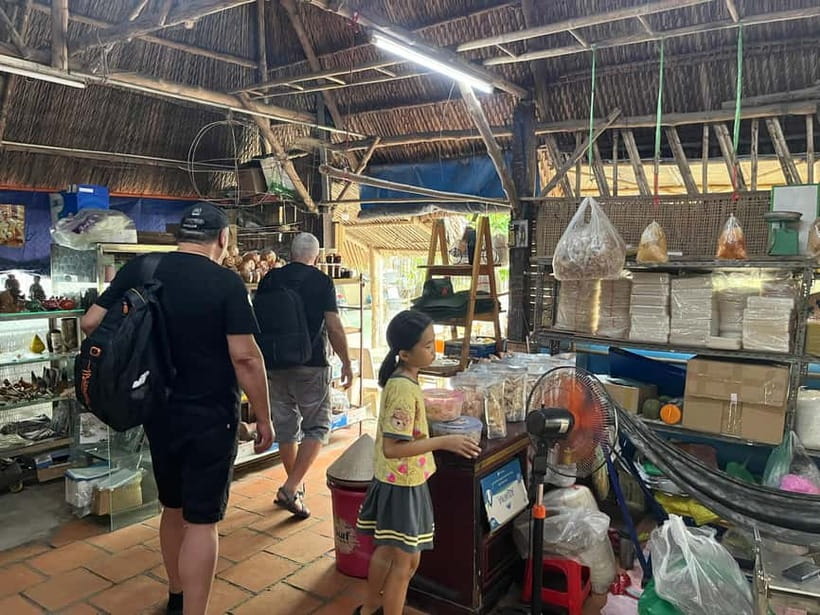
Around 10:00 AM, you arrive at Củ Chi, Ben Duoc, the less-crowded part of the Cu Chi Tunnel network. The tone is calmer here, and that matters. When a site is packed, your brain gets loud. Ben Duoc gives you space to focus on what you’re seeing: how Vietnamese soldiers and civilians lived, fought, and survived underground.
What you’ll see underground and around the complex
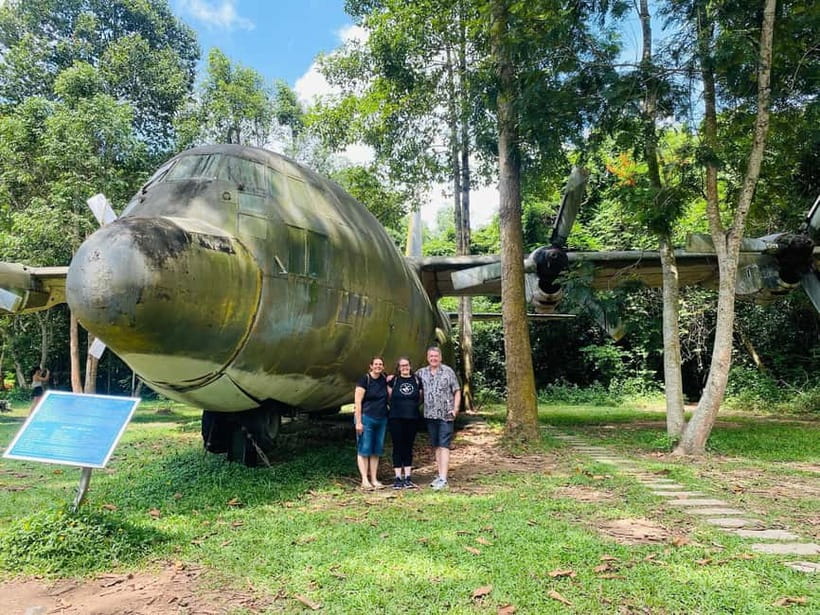
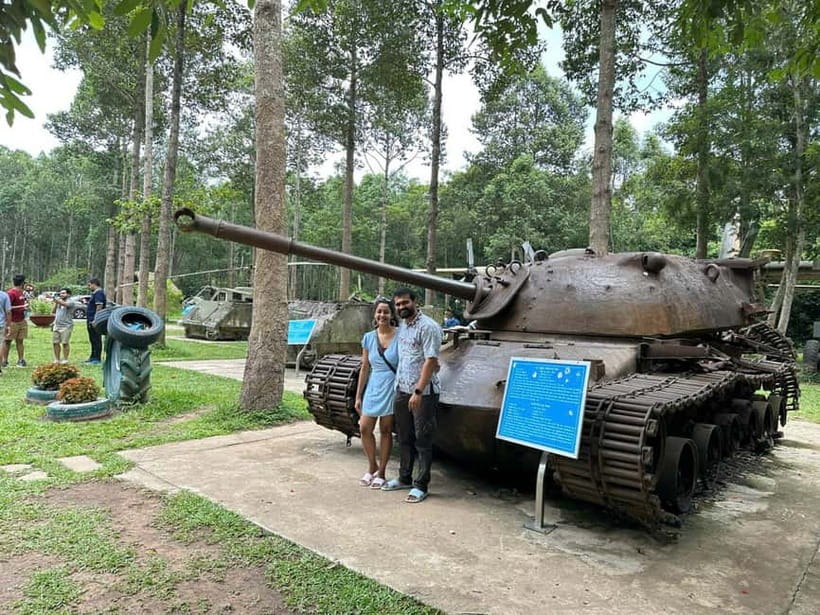
The tour focuses on practical realities rather than just dramatic scenes. You’ll learn about wartime life and you’ll see relics and features such as:
- Traps and hidden setups
- Bunkers and underground command areas
- Other wartime elements that show how protection and control worked
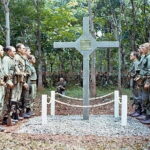
You’ll also visit a memorial temple honoring fallen soldiers. That part adds weight and helps connect the physical structures to human loss.
The optional tunnel walk (and what to do with it)
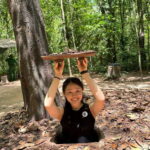
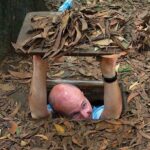
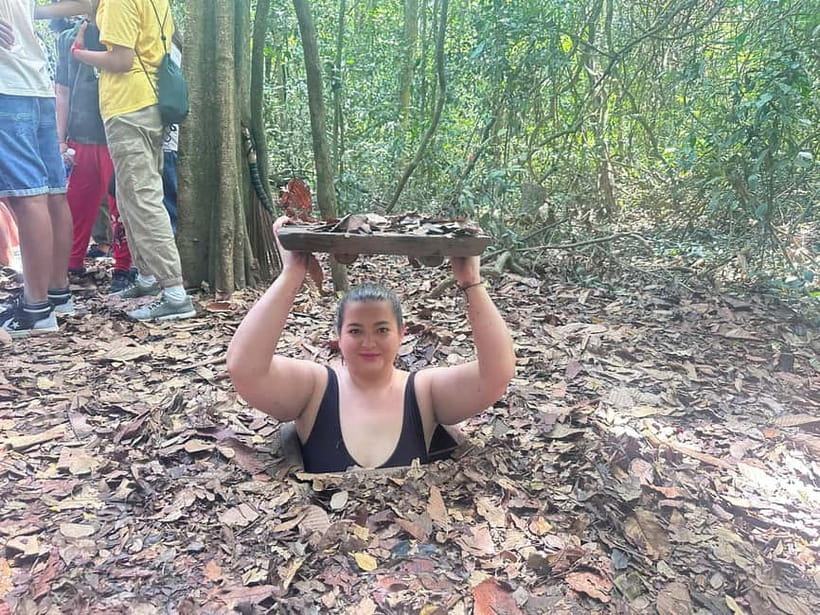
There are safe sections where you can take a short walk through the tunnels. It’s optional, but it’s the part that tends to feel most real, because you experience the scale and tightness firsthand.
If you’re considering doing it, wear clothes you don’t mind getting dirty. Also, keep in mind that you’ll be moving through conditions that aren’t designed for comfort. If you have concerns about back problems or similar mobility issues, think twice before choosing the walk.
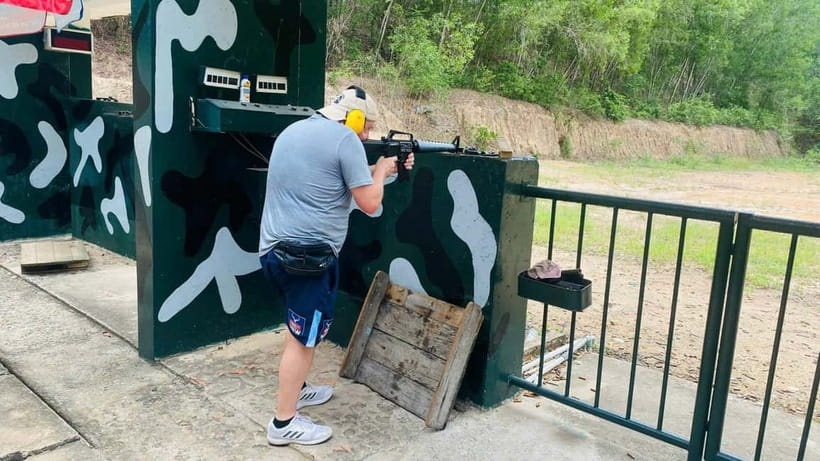
The shooting range time slot
Your schedule includes a stretch of time for a shooting range (about 1.5 hours) at Củ Chi. The specifics of costs or how it’s organized aren’t detailed in the information you provided, so plan to ask your guide on the day if you want to try it. If you don’t, treat this block as time you’ll need to manage mentally since the day is structured around the full visit.
Lunch at a countryside restaurant: what included food really means
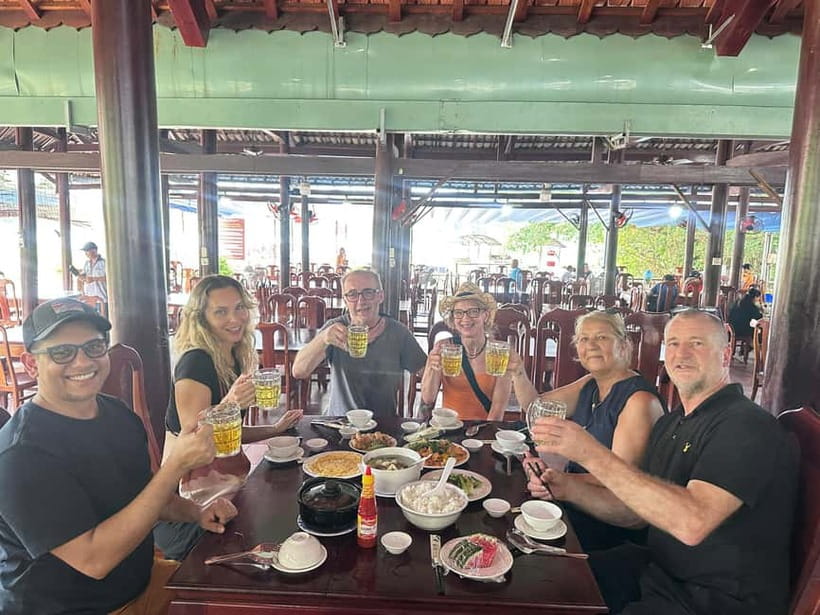
By about 12:00 PM, you’ll stop for lunch at a local restaurant in the countryside area. This is one of the best “included” values on the day because it saves you the common headache: finding something that fits both time and budget while you’re already out of the city.
The lunch is described as traditional Southern Vietnamese dishes, and vegetarian options are available if you request them. That’s useful, because a lot of day tours say vegetarian-friendly, but they don’t actually offer a reliable swap. Here, you have a clear request option ahead of time.
If you’re sensitive to heat, this is also a good moment to slow down. Eat, drink your included water, and use the break to reset before the next stop.
The rice paper village at 1:30 PM: bánh tráng up close
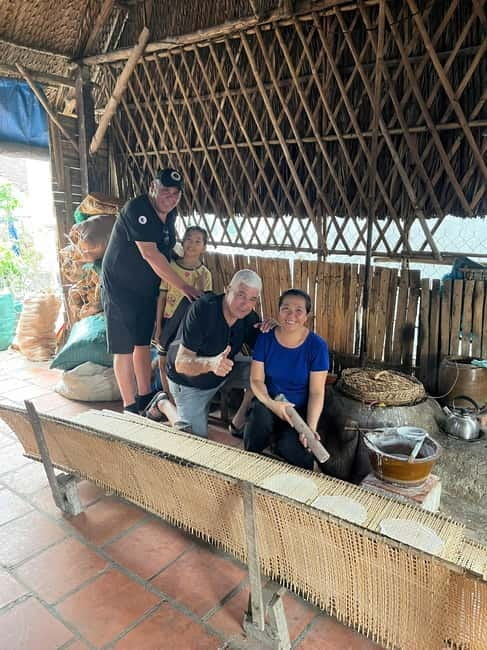
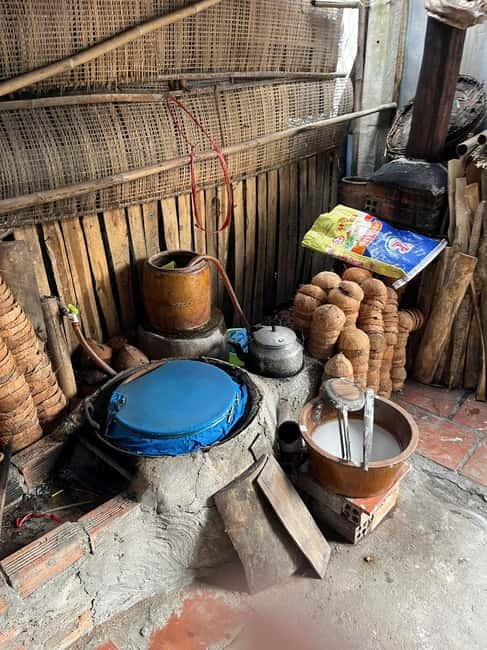
After lunch, you’ll head toward the traditional rice paper village around 1:30 PM. This is where your day changes character. Instead of underground survival, you’re watching a family-run craft that turns rice into the paper base for Vietnamese spring rolls.
Learning the process, not just watching it
You’ll learn about making bánh tráng from rice batter through the steps that shape it, including drying mats. The village setup is designed to show you the workflow, so you can connect what you eat later to what you’re seeing now.
Making rice paper yourself (the workshop)
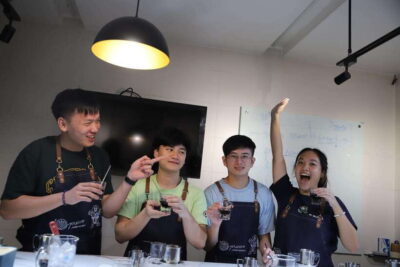
Then you’ll get the workshop portion, about 30 minutes. You’ll test your skills and make your own rice paper. Even if you’re not the crafty type, this is one of those activities that makes the whole day feel more personal.
Once you make it, you can enjoy a fresh sample. And yes, there are usually handmade snacks you can buy at the village, which is a direct way to support the artisans behind the process.
Timing on the way back: arriving before evening plans
You’ll return to Ho Chi Minh City around 3:30 to 4:00 PM and get dropped at your hotel in Districts 1, 3, or 4. This matters if you want your evening free for dinner plans, a rooftop drink, or just a long nap. The day is long, but it doesn’t swallow your whole night.
Also, because pickup starts early and the schedule is tightly grouped, you’re less likely to lose time to unclear meeting points. That’s a real quality-of-life benefit in a city that can eat hours in traffic.
Small group size (up to 10): better questions, less waiting
The tour is a small group limited to 10 participants. That affects the experience in a practical way. You’re more likely to get your questions answered, and your guide can adjust on the fly if people move slower or need a break.
It also tends to reduce the “where do we line up now” feeling. You’ll still have a structured day, but the flow feels more human.
English-speaking guide: what to do with that advantage
The guide is English-speaking (and also speaks Vietnamese). If you like asking why something was built a certain way, or what people meant by certain wartime practices, you’ll appreciate having a bilingual guide.
This tour also includes commentary during the drive from the city to the tunnels. That means you’re not arriving at 10:00 AM with your brain set to vacation mode. You arrive with context, and context makes the sights easier to interpret.
Price and value: what $21 gets you in real terms
At about $21 per person, the big value isn’t just the low headline price. It’s what’s wrapped into that number: hotel pickup and drop-off, entrance fees, local lunch, a rice paper workshop, bottled water, and an English-speaking guide.
Many tours in this area nickel-and-dime you for one or two of those pieces. Here, the structure is meant to keep your day smooth and predictable. You’ll spend most of your money on optional items, personal shopping, and anything you choose to add, like the shooting range experience.
So if your goal is a full day that covers the two headline experiences without turning into a logistics project, this is strong value.
What to bring (and skip) for a smoother Cu Chi day
You’ll have a mix of indoor and outdoor time, plus optional underground walking. Pack like you’re expecting dust, sun, and occasional grime.
Bring:
- Comfortable clothes (and expect them to get dirty)
- Insect repellent
- A camera
- Cash (for snacks or optional extras)
- Clothes you don’t mind sweating in
Skip anything delicate. And if you’re worried about comfort in tight spaces, choose your tunnel-walk decision carefully.
Who this tour suits best
This is a good fit if you want:
- A focused, full-day trip with hotel pickup and a small group size
- A quieter tunnel experience at Ben Duoc
- A hands-on food craft to balance the emotional weight of Cu Chi
It may not be the best choice if:
- You have back problems or heart problems
- You have insect allergies
- You want an entirely comfortable, no-surprises experience (this day includes underground elements and outdoor time)
Wheelchair accessibility is listed, but the health-related “not suitable” notes still matter. If mobility is your main issue, it’s worth confirming how your needs will be handled on the day with the provider.
Should you book this Cu Chi and rice paper day?
I’d book it if you want two things in one day: real Cu Chi context at Ben Duoc plus a practical workshop that shows Vietnamese food culture from the ground up. The included lunch, the small group size, and the hotel pickup/drop-off make it feel like a complete day rather than a rushed stop.
I would pause and ask questions before booking if you have concerns about insect exposure, tight-space comfort, or health limits. This is a meaningful day, and the format includes underground walking options and outdoor breaks.
If you’re ready for that mix, it’s a strong, good-value way to see more than one side of Vietnam—history you can’t unsee, followed by a food-making skill you’ll remember.
FAQ
How long is the Cu Chi Tunnels & Rice Paper Village small group tour?
The tour runs about 7 to 9 hours, starting with morning pickup and ending with hotel drop-off in the mid-afternoon.
Where do you get picked up and dropped off in Ho Chi Minh City?
Pickup and drop-off are included for hotels in District 1, District 3, and District 4. If your hotel is outside the listed pickup zone, you’ll be offered an alternative meeting point.
What’s included in the tour price?
The package includes hotel pickup and drop-off (in the covered districts), visits to the rice paper village, the rice paper workshop, an English-speaking guide, entrance fees, local lunch, and bottled water.
Is lunch included, and are vegetarian options available?
Yes, lunch is included. Vegetarian options are available upon request.
Do you get to make rice paper or just watch?
You get a rice paper workshop where you test your skills and make your own rice paper, plus you’ll enjoy a fresh sample.
How many people are in the small group?
The group is limited to 10 participants.
What should I bring with me?
Bring a camera, comfortable clothes (you may get them dirty), insect repellent, cash, and clothes you don’t mind sweating in.
Is the tour wheelchair accessible?
Wheelchair accessibility is listed as available, but the tour is not suitable for people with back problems or heart problems, or people with insect allergies.