REVIEW · HO CHI MINH CITY
Cu Chi Tunnels: Ben Duoc Non-Touristy – Private Tour
Book on Viator →Operated by Indochina Heritage Travel · Bookable on Viator
Cu Chi Tunnels go underground fast. This Ben Duoc focused half-day tour makes the drive easier with District 1 pickup, then gets you into the tunnel system with an English-speaking guide who puts it in context. I like the included entrance and the hands-on bits like crawling through passages and trying the soldier’s tapioca root. The main consideration: some schedules add extra stops (like a workshop or range) and the tunnel time can feel tight if you want lots of photos.
The best value here is simple: you spend your morning or afternoon at Cu Chi instead of wrestling with transport on your own. With a small max group size (up to 25), the pacing can feel calmer than big bus tours. Still, the tunnels are physically demanding in parts, so plan for a workout level, not a leisurely stroll.
In This Review
- Key highlights at a glance
- Ben Duoc vs the more famous Cu Chi entrance
- Getting there: District 1 pickup and a real half-day
- The tunnel experience: crawl, war film, and the tapioca root tasting
- What the guide adds (and why it changes everything)
- Ben Duoc pacing: quiet tunnel time vs photo frustrations
- The physical reality: who should consider skipping or going slower
- Extra stops: workshop and shooting range may appear
- Lunch, water, and snack strategy
- Price and value: where $55 fits (and where it doesn’t)
- Who should book this Ben Duoc private tour
- Quick practical tips before you go
- Should you book Cu Chi Tunnels: Ben Duoc non-touristy private tour?
- FAQ
- How long is the Cu Chi Tunnels: Ben Duoc private tour?
- Where does pickup and drop-off happen in Ho Chi Minh City?
- Is the entrance fee to the Cu Chi Tunnels included?
- What’s included besides the guide and transport?
- Is lunch included?
- What’s the physical difficulty level like?
Key highlights at a glance
- Ben Duoc tunnel complex: You focus on a less crowded Cu Chi area than the most famous entrances
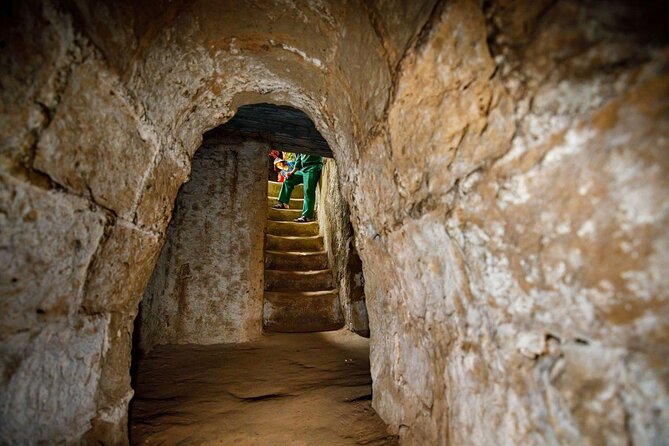
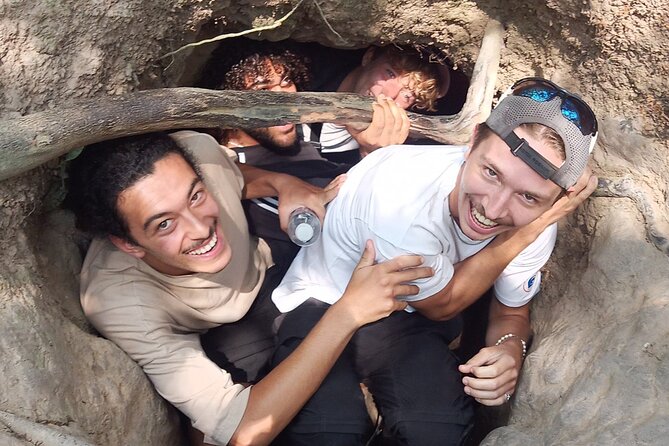
- Crawl-through tunnel time: You actually go into passages, including segments that require all-fours movement
- Soldier’s tapioca root: A short food tasting that connects you to how fighters survived underground
- English-speaking guide context: Explanations that help you connect the tunnel layout to wartime life
- District 1 hotel pickup: Air-conditioned ride with centrally located pickup and drop-off
Ben Duoc vs the more famous Cu Chi entrance
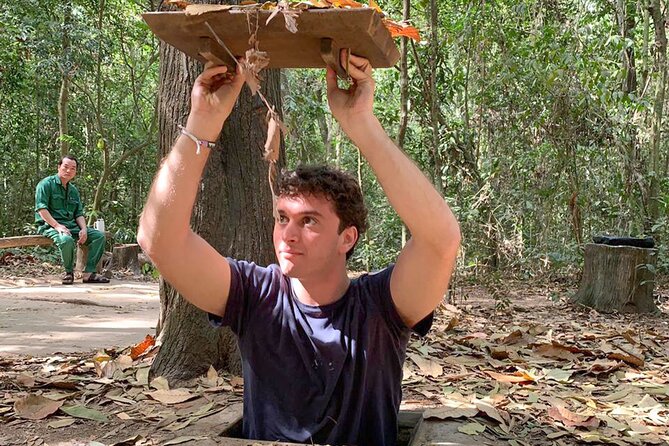
Cu Chi is one of those places everyone puts on the “must” list from Ho Chi Minh City. But the experience changes a lot depending on which tunnel complex you visit. I like that this tour steers you toward Ben Duoc, which tends to feel less hectic than the busiest Cu Chi options, with more time for the guide’s pacing and Q&A.
That matters because the tunnels aren’t just a sightseeing show. You’re dealing with low ceilings, narrow space, and dark corridors that were built for moving quietly. When the day feels rushed, the history details get swallowed by the logistics. Ben Duoc helps reduce that “queue-and-go” feeling.
You can also read our reviews of more private tours in Ho Chi Minh City


Getting there: District 1 pickup and a real half-day
This tour runs about 6 hours and typically starts either around 7:30 am or at 12:00 pm. Pickup is from centrally located hotels in District 1, so you don’t have to figure out taxis, rideshares, or where the right bus meets.
The drive is part of the deal. The tunnels aren’t in the city, so you’re trading a chunk of daylight for getting out there. One practical tip I’ve picked up from guide and driver experiences: bring something to steady your stomach if you get carsick, since the roads on the way out can feel intense in a way you won’t control.
The upside of a private or smaller-group format is you can often settle into a routine. You get a guided framing during the ride, rather than arriving and trying to piece the story together on your own.
The tunnel experience: crawl, war film, and the tapioca root tasting
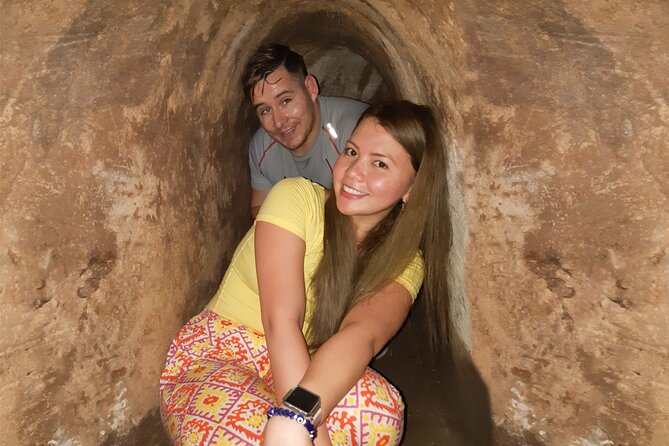
Once you arrive, you start with a short documentary film that sets up what the Cu Chi Tunnels were for. Then the visit turns physical—real crawling, narrow passages, and that sudden feeling of being far below ground.
I like the structure here because it gives your brain a map before you start moving. You don’t just see tunnels—you learn how the Viet Cong used the network for hiding, living, and moving. The guide also points out areas tied to daily life: kitchen-like setups, living quarters, and meeting spaces, which makes the place feel less like an attraction and more like a functioning wartime environment.
Then comes the hands-on moment: you try the soldier’s tapioca root. Even if the tasting is brief, it gives you a sensory link to survival food underground. Reviewers noted getting only a couple bites at the tunnels, so don’t treat it like lunch. It’s a taste and a story beat, not a meal.
What the guide adds (and why it changes everything)
This is an English-speaking tour, and the quality shows up in how the guide places each stop into the bigger story. In the examples I saw, guides such as Bunny, Phu, Lucky, Viet, Ben, Mai, Hieu, and Tony were praised for doing more than reciting facts. They connected the tunnel system to wartime strategy and everyday life, and they were willing to answer questions.
You’ll feel the difference when you’re inside a crawl passage. Without context, it’s mostly “wow, it’s small.” With context, it becomes “this design helped people hide, move, and endure.” That’s the reason this tour is worth the guided format instead of just going with a generic audio app.
Ben Duoc pacing: quiet tunnel time vs photo frustrations

Here’s the honest part: timing can vary. Some people loved that the tunnels felt quieter and they could go at their own pace. Others felt the schedule compressed—arriving later than expected and not leaving much room for photos.
So I’d plan your expectations like this:
- If you’re okay with a guided flow, you’ll likely enjoy the calmer feel and the chance to move through at a steady pace.
- If photos are your top priority, you should go in ready to work within the time window.
The tunnels themselves are a photo challenge even on a great schedule—low light, tight spaces, and constant movement. If you absolutely need lots of shots, I’d treat this as a “learn and experience” tour first, not a photography assignment.


The physical reality: who should consider skipping or going slower
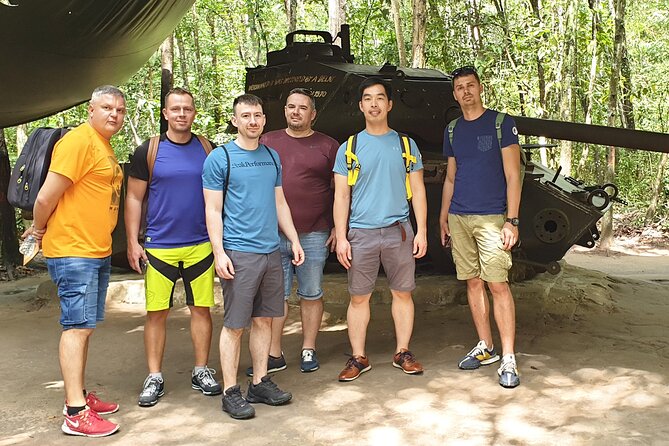
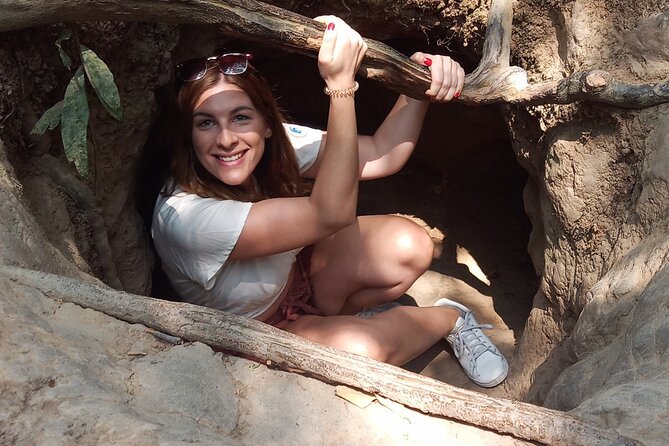
The Cu Chi Tunnels are not stroller-friendly, and that’s not a marketing issue—it’s the design of the place. Reviewers specifically warned that it can be challenging if you’re tall or bigger, because several areas require crawling on all fours.
This is why I always suggest reading your own limits honestly before booking. If you have mobility issues, severe claustrophobia, or back or knee problems, this might not be your best match. If you’re generally able-bodied but want comfort, wear practical clothes you can move in and be prepared to go slow.
The good news is that a smaller-group experience can make it easier to maintain your pace. If the guide understands your questions and your comfort level, the tunnel visit can feel more supportive.
Extra stops: workshop and shooting range may appear
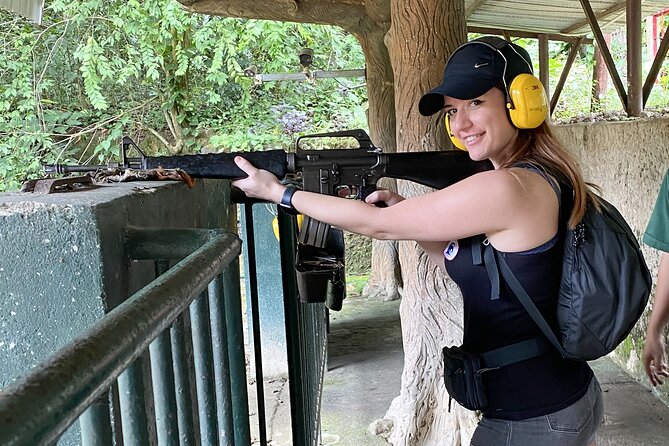
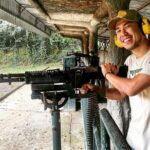
The tour is built around the tunnels, but the schedule can include additional stops before and after. Some guides add a local craft or charity workshop stop. One account described a first stop at a workshop, then a visit to a shooting range, plus a restaurant after, even though those weren’t highlighted in the basic description.
How do you handle that? I’d treat the tunnel visit as the main event and keep flexibility for the rest of the day. If you strongly prefer a strict tunnel-only itinerary, you should ask the provider ahead of time what’s planned on your specific departure.
If you’re curious and not bothered by extra tourist-adjacent stops, these can fill the day while your group waits for the right tunnel slots. Just keep in mind that “non-touristy” claims may depend on which stops are included and how much time you spend at each one.
Lunch, water, and snack strategy
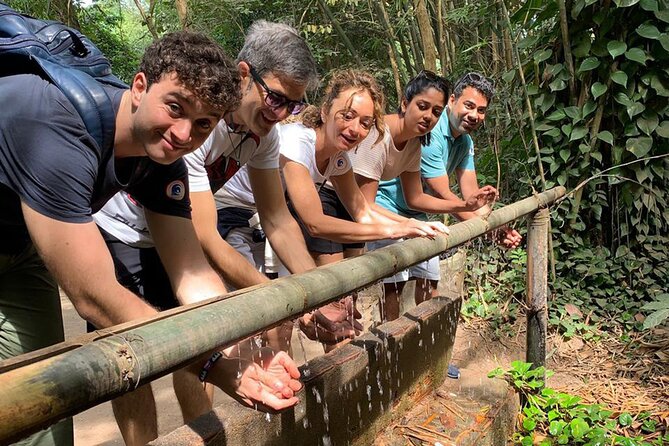
Bottled water is included, but lunch is not. That’s a big deal because the tunnel tasting is described as a small food sample, not a full meal.
My practical advice: bring a snack before you go and plan to eat after. If you’re heading to the 12:00 pm tour, you can also eat something light before pickup so you’re not hungry during the longer drive and tunnel crawling.
Also, wear something you can handle for heat and movement. The tour vehicle is air-conditioned, but once you’re outside and underground, your comfort depends on what you bring.
Price and value: where $55 fits (and where it doesn’t)
At $55 per person, you’re paying for several things that add up if you DIY:
- District 1 hotel pickup and drop-off
- Air-conditioned transport
- English-speaking guide time
- Entrance fees
- Bottled water
The value is strongest if you care about interpretation. Cu Chi can be a flat checklist when you’re not guided, but with a good guide you start understanding why tunnels were shaped the way they were.
Where it can feel less worth it is if you wanted a pure tunnel-only experience with lots of free time. A compressed schedule or unexpected add-ons can make the day feel less “private” in practice. For that reason, I’d choose this tour when you like history context and you’re comfortable with a structured day.
Who should book this Ben Duoc private tour
This tour fits best if you:
- Want a guided, English-speaking explanation of the Cu Chi tunnel system
- Prefer a smaller-group feel (max 25) over large bus chaos
- Like a hands-on element like crawling and the tapioca tasting
- Are staying in Ho Chi Minh City and want simple pickup from District 1
It might not fit if you:
- Need long photo time and lots of pauses
- Have difficulty crawling or dislike tight spaces
- Want a strictly tunnel-only itinerary and nothing else
Quick practical tips before you go
- Wear clothes you can move in and that won’t trap sweat
- Bring a snack since lunch isn’t included and the tasting is small
- If you’re carsick-prone, consider motion-sickness prep for the road
- Pack patience for the fact that tunnel time can be tight, depending on the schedule
- If shooting-range stops or workshop stops would annoy you, ask what’s planned for your date
Should you book Cu Chi Tunnels: Ben Duoc non-touristy private tour?
I’d book it if your top goal is understanding the tunnels through an English-speaking guide, with hotel pickup that removes most of the hassle. The included entrance, the documentary intro, the crawl-through segments, and the tapioca root tasting all work together to make it more than a quick photo stop.
Skip or reconsider if you’re extremely photo-focused, physically limited, or you want a tunnel-only itinerary. In that case, you’ll likely feel frustrated by compression or extra stops that show up on certain schedules.
If you’re flexible and you want the day to feel guided and organized from District 1, this one is a strong pick for Cu Chi—especially when you’re aiming for Ben Duoc rather than the busiest entrances.
FAQ
How long is the Cu Chi Tunnels: Ben Duoc private tour?
It runs for about 6 hours.
Where does pickup and drop-off happen in Ho Chi Minh City?
Pickup and drop-off are offered at centrally located hotels in District 1.
Is the entrance fee to the Cu Chi Tunnels included?
Yes. Entrance fees are included.
What’s included besides the guide and transport?
You get an English-speaking tour guide, an air-conditioned vehicle, entrance fees, bottled water, and pickup and drop-off in District 1.
Is lunch included?
No. Lunch is not included.
What’s the physical difficulty level like?
Most people can participate, but you may need to crawl on all fours in some tunnel areas. It can be challenging if you’re tall or bigger.