REVIEW · HO CHI MINH CITY
10-day Small-Group Vietnam Highlight Tour
Book on Viator →Operated by Ginkgo Voyage · Bookable on Viator
Ten days, two cities, and real Vietnam. This small-group route is built for first-timers who want the big hits without constant planning, and it puts you on the Mekong Delta boat and through the claustrophobic Cu Chi experience. I like that the itinerary keeps moving with guided stops, but the trade-off is a packed pace and plenty of war-related sites.
You’ll travel by private air-conditioned transportation, fly once to save long road hours (Ho Chi Minh City to Danang, then Hue to Hanoi), and stay in included hotels with daily breakfast. With a maximum group size of 15 and an English-speaking guide, you get help with context and logistics, not just sightseeing checkmarks.
In This Review
- Key Things That Make This Tour Work
- Value and Price: What You’re Really Paying For
- Day 1 in Ho Chi Minh City: Land Soft, Then Go Deep
- Day 2: Cu Chi Tunnels, Reunification Palace, War Remnants, and Saigon Postcard Stops
- Cu Chi Tunnels: The Part You’ll Feel in Your Knees
- Reunification Palace: A Finish Line With a Heavy Story
- War Remnants Museum: Artifacts Plus Human Perspective
- Central Post Office and Notre Dame Cathedral: Saigon’s Old-Spirit Edges
- Day 3: Mekong Delta in Ben Tre—Boat, Bike, Brick, Coconut, and Canals
- Day 4: Flying to Danang and Checking In to Hoi An
- Day 5: Hue Imperial City and Tu Duc Tomb—Power, Then Quiet
- Hue Imperial City (Citadel)
- Tomb of Tu Duc
- Day 6: Perfume River to Thien Mu Pagoda, Then Minh Mang Tomb to Hanoi
- Day 7: Hanoi’s Best Mix—Long Bien Bridge, Mausoleum, Ethnology Museum, Hoa Lo, Old Quarter
- Long Bien Bridge and the Hanoi Morning Market Mood
- Ho Chi Minh Mausoleum and Stilt House Garden
- Temple of Literature & National University
- Vietnam Museum of Ethnology
- Hoa Lo Prison
- Old Quarter and the Cyclo Ride
- Day 8: Scenic Drive to Halong Bay and a Full Boat Day
- Day 9: Halong Bay Morning, Luon Cave by Sampan, Back to Hanoi
- Day 10: Transfer to Noi Bai Airport
- Small-Group Comfort: Hotels, Meals, and the Guide Factor
- Who This Tour Fits Best (and Who Should Think Twice)
- Should You Book This Vietnam Highlight Tour?
- FAQ
- How long is the 10-day Vietnam Highlight Tour?
- Where does the tour start and where do you end?
- What is the group size?
- What’s included in the price?
- Are domestic flights included?
- Does the tour include boat rides?
- Do you get entrance fees included?
- Is a visa included?
- Do I get a digital ticket?
- If I cancel, is it refundable?
Key Things That Make This Tour Work
- Small group cap of 15 means less waiting and more time to ask questions.
- Domestic flights included cut travel fatigue and help you see more in 10 days.
- Two big water days: Mekong canals by boat and a Halong Bay cruise with a sampan to Luon Cave.
- War sites get explained, not just photographed, thanks to an English-speaking guide.
- Entrance fees are included as indicated, so you don’t constantly reach for your wallet.
- Daily bottled water plus 500ml/mineral water helps on long drives and hot days.
Value and Price: What You’re Really Paying For
At $1,374.36 per person for roughly 10 days, this tour isn’t a budget bare-bones deal. But when you look at what’s included, the price starts to make sense. You’re getting hotel stays (twin-share) plus daily breakfast, private air-conditioned transport for stated transfers and sightseeing, domestic flights, English guidance, and multiple attraction entrance fees. You’re also getting two major boat experiences: the Mekong Delta and Halong Bay.
Here’s the practical way to judge value: this itinerary bundles time, planning effort, and “hard-to-organize” pieces. If you try to build the same route yourself, you’d be coordinating hotels, intercity rides, flight times, and tickets across three regions. Paying for that structure is exactly what you want on a first trip.
The one thing to keep in mind is that a lot of days are full. You’re not paying mainly for “free time.” You’re paying for a guided plan that keeps the wheels turning.
You can also read our reviews of more tours and experiences in Ho Chi Minh City.


Day 1 in Ho Chi Minh City: Land Soft, Then Go Deep
You’ll meet your group at Tan Son Nhat International Airport and transfer straight to your hotel in Ho Chi Minh City. That first-day handoff matters. After a flight, the last thing you want is to figure out transport and check-in logistics while you’re still sorting out jet lag.
What to expect: a low-stress start, then overnight in Ho Chi Minh City. Even if you arrive later in the day, the plan is designed to get you settled.
A simple drawback: depending on your arrival time, you might not see much beyond the transfer on Day 1. If you’re the type who wants an immediate taste of Vietnam streets, you may want to add a short optional walk near your hotel after check-in.
Day 2: Cu Chi Tunnels, Reunification Palace, War Remnants, and Saigon Postcard Stops
Day 2 is where the tour puts you face-to-face with Vietnam’s 20th-century conflict history, then balances it with classic colonial-era architecture.
Cu Chi Tunnels: The Part You’ll Feel in Your Knees
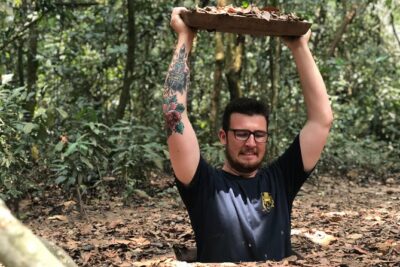
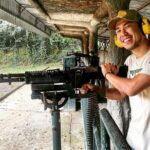
You’ll head to Cu Chi in the morning, watch a documentary-style introduction, then move into the forest area. The tour covers smoke-less stove design, secret hideouts, fighting bunkers, and booby traps. Then comes the experience most people remember: crawling through narrow passageways.
Why it’s special: this isn’t only theory. The tight spaces give you a physical sense of what “hidden movement” meant. It also helps you understand the broader conflict through local survival tactics.
Consideration: be honest with yourself about comfort and mobility. If cramped crawling sounds like your idea of fun, great. If you expect discomfort, plan your participation carefully. Even standing/walking through some areas can feel intense in heat.
You’ll also taste typical boiled tapioca and tea—small, but it anchors the day beyond war machinery and weapons.
Reunification Palace: A Finish Line With a Heavy Story
In the afternoon you visit Reunification Palace, tied to April 30, 1975, when tank number 843 crashed through the gates and the American War officially ended. At the time, it was the residence of the President of the Republic of Vietnam.
Why it’s worth your time: it’s a snapshot of political power and its abrupt end. You see rooms and corridors that make the history feel immediate rather than distant.
War Remnants Museum: Artifacts Plus Human Perspective
Next is the War Remnants Museum, formerly called the Museum of American War Crimes. You’ll find war machinery, weapons, artifacts, and documentation, plus photo exhibits dedicated to foreign and Vietnamese journalists who perished during the conflict.
Practical note: this museum can hit hard. Give yourself space to step out, read carefully, and avoid trying to speed-run it just to “finish.”
Central Post Office and Notre Dame Cathedral: Saigon’s Old-Spirit Edges
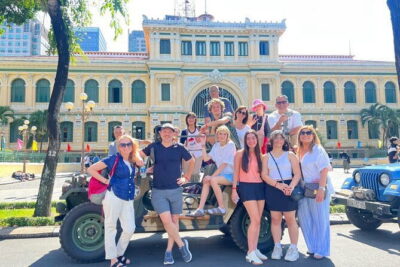
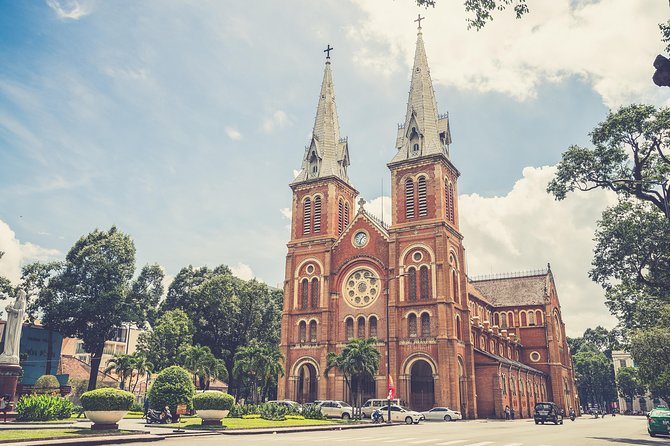
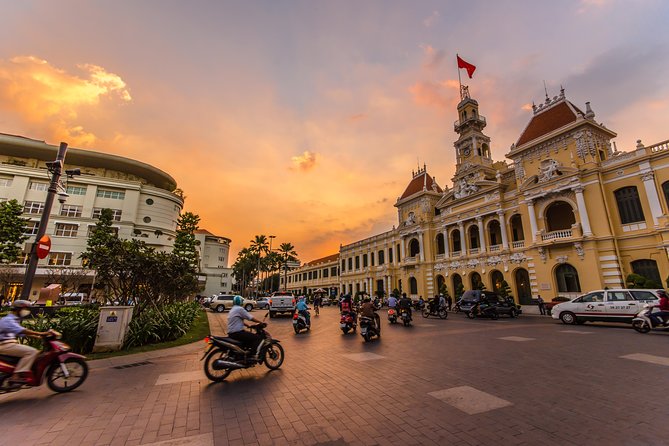
Finally, you stop near Notre Dame Cathedral and the Old Central Post Office. This is classic Saigon architecture time—use it to cool down a bit and reset your mind before the next travel day.
Day 3: Mekong Delta in Ben Tre—Boat, Bike, Brick, Coconut, and Canals
This is the day that most people associate with “Vietnam that feels alive.” You’ll drive from Ho Chi Minh City straight to Ben Tre, board a small boat, and tour everyday production: a small brick factory, a coconut processing workshop, and a local mat-weaving house.
Then you’ll cycle around nearby fields, before heading out again on a sampan for quieter canal cruising.
Why it’s special: the Mekong Delta doesn’t feel staged. You’re watching how people work with materials from their local environment—coconut, clay, and reeds—then seeing how waterways stitch daily life together.
Drawbacks to plan for: it can be warm and humid, especially if you’re cycling in the open. Also, this is active sightseeing. Bring water habits with you, even though the tour includes bottled water and 500ml per day.
If you like “hands-on observing” more than museum interiors, this is one of the strongest days on the calendar.
Day 4: Flying to Danang and Checking In to Hoi An
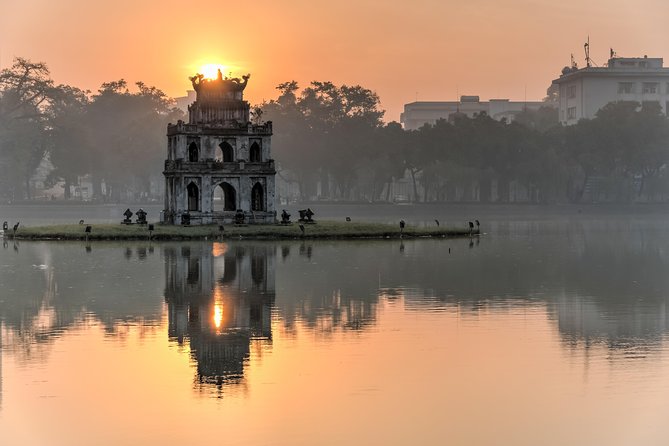
On Day 4, you transfer to Tan Son Nhat Airport and fly to Danang. Then you head to Hoi An, known as a major Asian trading port in the 17th and 18th centuries, with architecture and a slower pace that has changed less than you might expect.
Why the flight helps: skipping a long overland day keeps you from arriving in Hoi An totally drained.
What you might notice: Hoi An tends to feel calmer than Ho Chi Minh City. It’s a good rhythm shift after war-heavy days.
Day 5: Hue Imperial City and Tu Duc Tomb—Power, Then Quiet
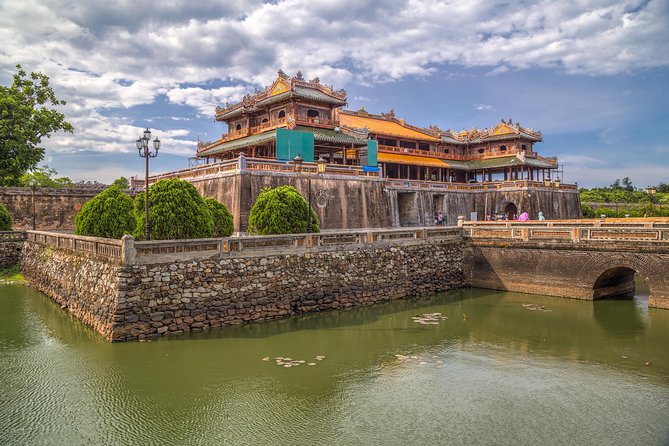
You leave Hoi An for Hue and visit the Imperial City, or the Citadel, where the Nguyen Dynasty ruled from 1802 to 1945. Then you transfer to the Tomb of Tu Duc, with traditional architectural styles and a peaceful setting.
Hue Imperial City (Citadel)
Why it matters: this is where you understand Vietnam’s dynastic timeline visually. You’re not just reading about history—you’re walking its layout.
Consideration: the grounds can be expansive. It helps to pace yourself and focus on the most meaningful buildings rather than trying to cover every corner quickly.
Tomb of Tu Duc
Why it’s different: this one shifts the mood. Instead of power and gates, you get a calmer environment tied to a ruler’s final resting place and its surrounding design.
Practical tip: it’s a good place to slow down and enjoy shade, especially if weather is warm.
Day 6: Perfume River to Thien Mu Pagoda, Then Minh Mang Tomb to Hanoi
Day 6 connects spiritual Hue and royal architecture, then finishes with a flight to Hanoi.
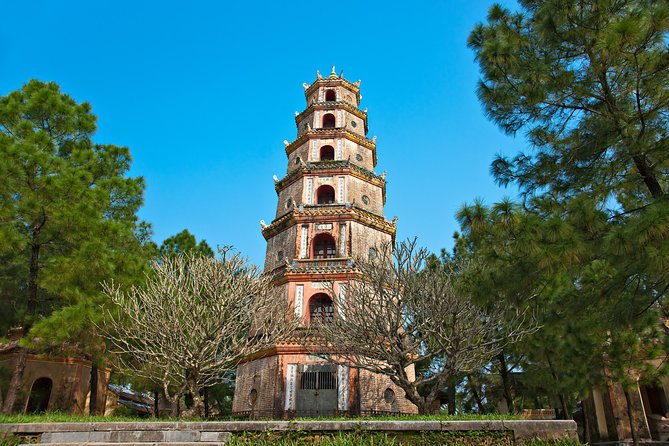
You start with a boat trip on the Perfume River to Thien Mu Pagoda, the oldest pagoda in Hue and a key religious site tied to Buddhist learning. Then you visit the Mausoleum of Emperor Minh Mang, known for unique architecture.
Finally, you transfer to Hue Airport and fly to Hanoi.
Why this day works: Hue gives you two distinct “readings” of culture: religion through Thien Mu, then royal design through Minh Mang. It’s a satisfying blend before Hanoi’s urban energy.
Consideration: you’ll feel the day’s momentum because it ends with a flight. Plan to be comfortable with travel transitions.
Day 7: Hanoi’s Best Mix—Long Bien Bridge, Mausoleum, Ethnology Museum, Hoa Lo, Old Quarter
Hanoi is where this tour shows off. Day 7 packs multiple icons, but the sequence still feels purposeful: engineering and city life, national memory, education, cultural diversity, prison history, then street-level wandering.
Long Bien Bridge and the Hanoi Morning Market Mood
You start early and check in on Long Bien Bridge, formerly the Paul Doumer Bridge—French-colonial engineering and a symbol of Hanoi’s resistance during the Vietnam War.
You also explore a local market and observe daily life.
Why it’s valuable: this is the rare “before the crowds” feel. You see how everyday routines sit beside history.
Ho Chi Minh Mausoleum and Stilt House Garden
Next is the Mausoleum and the stilt house garden, where Ho Chi Minh lived off and on from 1958 to 1969.
Temple of Literature & National University
Then you visit the Temple of Literature, the site linked to the first university in Vietnam and the worship of Confucius.
Why it’s worth your attention: it shows how education and philosophy shaped society across feudal dynasties.
Vietnam Museum of Ethnology
This museum highlights Vietnam’s cultural diversity with an astonishing collection of artifacts gathered from across the country.
A practical note: museums can be dense. Pace the galleries so you don’t end up just skimming labels.
Hoa Lo Prison
You’ll also visit Hoa Lo Prison Relic, where you learn about French torture of political prisoners, Vietnamese political prisoners, and American pilots detained from 1964 to 1973. The tour also references how American POWs nicknamed it the Hanoi Hilton, plus Senator McCain’s detention until 1973.
Consideration: this stop is heavy. If you’re sensitive to human suffering, take breaks.
Old Quarter and the Cyclo Ride
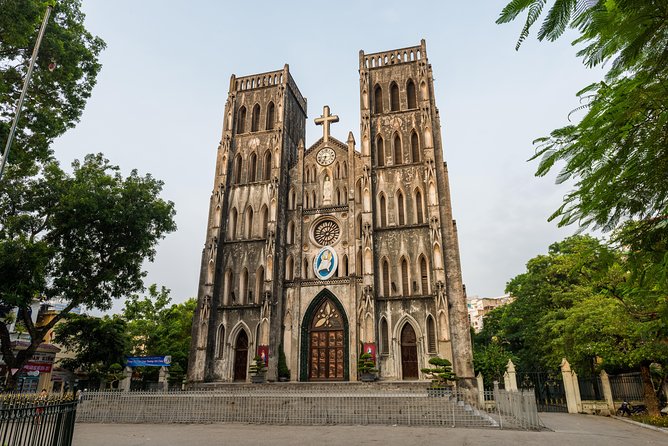
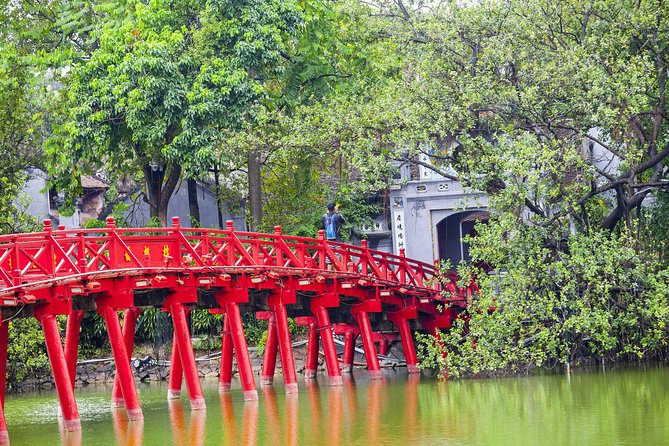
You finish with Old Quarter exploration and a cyclo ride cruising past highlights like Hoan Kiem Lake, Dong Xuan Market, St. Joseph’s Cathedral, and the Hanoi Opera House.
Why this end point is smart: after museums and prison history, the streets feel like a release valve. You get to feel the city instead of only studying it.
Day 8: Scenic Drive to Halong Bay and a Full Boat Day
You leave Hanoi for Halong Bay through scenic countryside. Then you’re on a boat for an 8-hour exploration. The plan centers on time on the water and sightseeing from the waterline—exactly what Halong Bay is best at.
Why this is one of the main draws: Halong Bay is not a “walk-around” place the way temples are. It’s a view experience with motion. A boat day lets you see formations from angles you can’t replicate on land.
Consideration: you’ll spend a lot of time seated. If you’re prone to feeling stiff, stretch early and often.
Day 9: Halong Bay Morning, Luon Cave by Sampan, Back to Hanoi
You wake up and have breakfast served onboard. Then you continue cruising and take a sampan to visit Luon Cave before returning to the boat and heading back to Hanoi for an overnight stay.
Why it’s special: Luon Cave is the kind of “small detour” that makes the day feel like more than just cruising. It’s also a different craft—sampan instead of larger boat—so you feel the water up close in a new way.
Practical angle: this day ends with you back in Hanoi. If you’re planning any self-guided dinner, this is a good night to do it near your hotel so you don’t add more hassle.
Day 10: Transfer to Noi Bai Airport
On the final day, you transfer to Noi Bai Airport based on your departure flight.
What to watch for: give yourself extra buffer if your flight is tight. Tours usually time it well, but airport days have a way of getting complicated.
Small-Group Comfort: Hotels, Meals, and the Guide Factor
This tour is built around included basics that make the trip feel smoother.
- Twin-share hotel rooms are included, plus daily breakfast.
- Meals are specified in the program, and the structure clearly lists at least one lunch and breakfast on specific days.
- Private air-conditioned transportation covers your transfers and sightseeing blocks.
- You get an English-speaking guide, plus entrance fees where indicated.
- You receive bottled water and a daily 500ml/mineral water bottle.
The guide role is more than translating. On the war sites, the “what you’re looking at” really changes the experience. With context, Cu Chi becomes more than tunnels; Reunification Palace becomes more than a building; Hoa Lo becomes more than a grim name on a list.
One small caution: included hotels and meals are part of the deal, so you’ll have less control than if you travel independently. If you love choosing every restaurant and hotel yourself, this plan may feel too structured.
Who This Tour Fits Best (and Who Should Think Twice)
This tour is a strong match if:
- You’re a first-time Vietnam visitor who wants the headline places without building a route from scratch.
- You like your history explained by a guide, not just captured on your phone.
- You want enough variety: Saigon war sites, Mekong Delta working life, Hue imperial sights, Hanoi museums and markets, and Halong Bay on the water.
It may be less ideal if:
- You dislike tightly scheduled days.
- You have mobility issues and don’t want to deal with narrow passageways at Cu Chi.
- You want lots of slow, unplanned time. This is a “see the country fast” style of trip.
Should You Book This Vietnam Highlight Tour?
If you want a guided, time-saving Vietnam introduction from the south to the north, this tour is a solid choice. The biggest wins are the combination of included logistics (hotels, private transport, entrance fees as listed, English-speaking guide) and the two major water days: Mekong Delta and Halong Bay.
My advice for deciding: look closely at your tolerance for a packed schedule and for war-related sites. If that sounds manageable, you’re likely to leave feeling like you covered a lot of ground with minimal stress. If you’d rather experience Vietnam slower, or you want more control over pace and food, you might prefer a more flexible plan.
If you do book, pack for heat, bring water habits, and keep your expectations clear: this tour trades free time for guided coverage. For many first-timers, that’s exactly the bargain.
FAQ
How long is the 10-day Vietnam Highlight Tour?
It runs for approximately 10 days.
Where does the tour start and where do you end?
It starts in Ho Chi Minh City, with transfers tied to your arrival flight. It ends with a transfer to Noi Bai Airport, depending on your departure flight.
What is the group size?
The maximum group size is 15 travelers.
What’s included in the price?
Hotel accommodation in twin-share rooms, daily breakfast, meals listed in the program, private air-conditioned transfers for the scheduled sightseeing, domestic flights (Ho Chi Minh City–Danang and Hue–Hanoi), the Mekong Delta boat, Halong Bay boat time, entrance fees as indicated, an English-speaking guide, and water (including 500ml mineral water per person per day).
Are domestic flights included?
Yes. You fly from Ho Chi Minh City to Danang and from Hue to Hanoi.
Does the tour include boat rides?
Yes. There’s a boat ride on the Mekong Delta and a boat experience in Halong Bay, including a sampan visit to Luon Cave.
Do you get entrance fees included?
Entrance fees are included as indicated in the program.
Is a visa included?
No. Visa fees are not included if required.
Do I get a digital ticket?
Yes. The tour includes a mobile ticket.
If I cancel, is it refundable?
No. The experience is non-refundable and cannot be changed for any reason.