REVIEW · HO CHI MINH CITY
From HCM: City Highlights & Chinatown Trips – Water Bus Tour
Book on GetYourGuide →Operated by SST Travel · Bookable on GetYourGuide
One day in Ho Chi Minh City, then a river ride. This guided outing strings together big landmarks, Chinatown temple stops, and the short hop by water bus that most visitors skip. I also like that it runs as a small group (up to 13) with an English-speaking guide and air-conditioned transport.
My other favorite part is the mix of structured stops and breathing room: you get time at markets to shop, not just pose for photos. I like that Ben Thanh Market is right at the end when you’re ready to grab textiles and souvenirs at your own pace. The only real drawback: it’s a full day with a moderate amount of walking, and the War Remnants Museum can be heavy going.
In This Review
- Key things to know before you go
- A one-day hits-and-shares tour: what makes this day work
- Morning logistics in District 1: getting started at 8:00 AM
- Independence Palace and the French colonial core: more than just photos
- Saigon’s Chinatown: Thien Hau Pagoda and Bình Tây Market
- War Remnants Museum: the heavy stop that still makes sense
- Notre-Dame Cathedral and Saigon Central Post Office: built for walking and photos
- Lunch included: what you’re really paying for
- Bình Đằng Port and the Saigon River water bus: a calm reset
- Ben Thanh Market at the end: shop like you mean it
- Price and value: does $37 add up in real life?
- Who should book this tour, and who should skip it
- Should you book this Ho Chi Minh City highlights and water bus tour?
- FAQ
- What time does the tour start?
- Where is the meeting point if I’m not in District 1?
- What is included in the tour price?
- Are there any extra charges?
- What should I bring with me?
- Is there time for shopping?
- Is this tour suitable for wheelchair users?
Key things to know before you go
- Small-group pace (up to 13 people) means you’re not stuck waiting behind crowds
- Skip-the-ticket-line and bundled entrance fees save time at major sights
- Chinatown temple + market combos give you both photos and practical browsing
- War Remnants Museum is powerful and time-boxed, so wear sensible expectations
- Saigon River water bus (District 1 to District 2) adds a calm, local-feeling break
- Ben Thanh Market free time gives you actual shopping time, not just a quick walk-by
A one-day hits-and-shares tour: what makes this day work
This is the kind of Ho Chi Minh City day plan I like: it’s packed, but it’s not random. You start with central sights tied to French colonial architecture and the end of the Vietnam War, then you move into Chinatown for temples and market streets, and you finish with Ben Thanh Market plus a ride on the Saigon River.
What makes it feel efficient is the built-in rhythm. You don’t just bounce between locations; you get guided context at major stops, photo time at others, and free time where it matters most—markets. The group size cap (up to 13) helps the whole day keep moving without feeling like cattle.
There’s also a practical bonus: the tour includes air-conditioned transportation, bottled water, and entrance fees. That matters in a city where “cheap” tours sometimes add up fast once you start paying again at each gate.
You can also read our reviews of more city tours in Ho Chi Minh City

Morning logistics in District 1: getting started at 8:00 AM
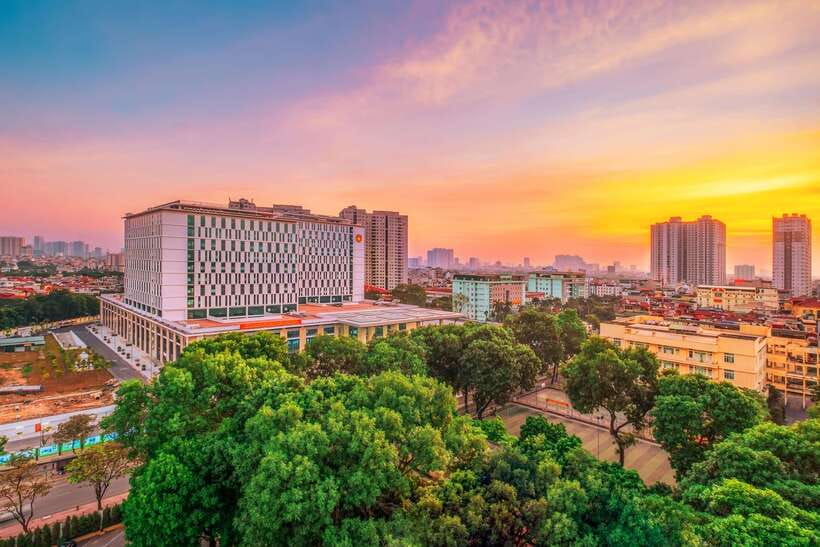
The tour starts at 8:00 AM from your hotel if you’re staying in the center of District 1. If you’re not in that zone, you’ll meet at SST Travel, 57 Le Thi Hong Gam, District 1. Either way, you’ll be traveling together by vehicle with the English-speaking guide.
This early start is smart for two reasons. First, it helps you hit busy sites before the midday crush. Second, it gives you time to handle the “moderate amount of walking” without turning the afternoon into a shuffle-fest.
Bring the basics that the tour requests: comfortable shoes, a camera, and water (and I’d add an umbrella if rain is forecast). Markets get crowded fast, so keep your essentials secure, especially where there’s a lot of shoulder-to-shoulder movement.
Independence Palace and the French colonial core: more than just photos
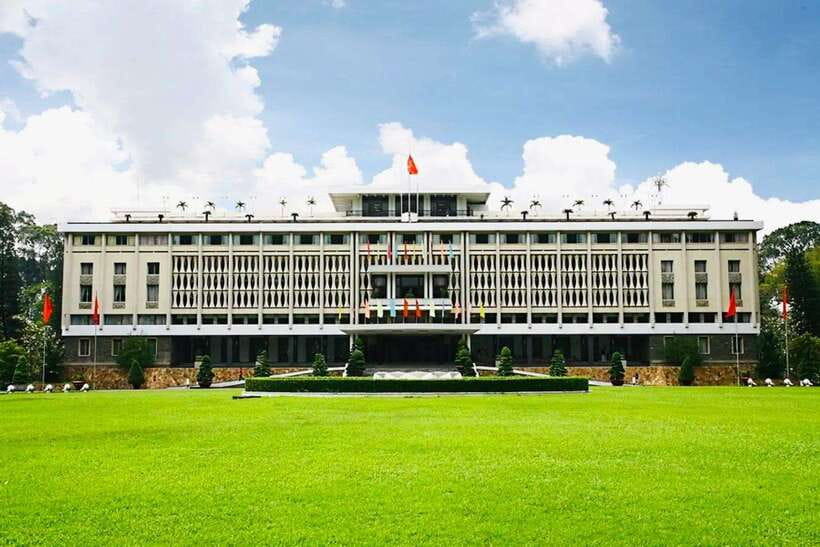
After pickup, you’ll go straight to Reunification Palace, formerly known as the Presidential Palace. This is the landmark that lets you connect the Vietnam War’s ending to real rooms, real corridors, and real history. You’ll tour the grand halls and lush gardens, with the guide explaining why this place mattered until April 1975.
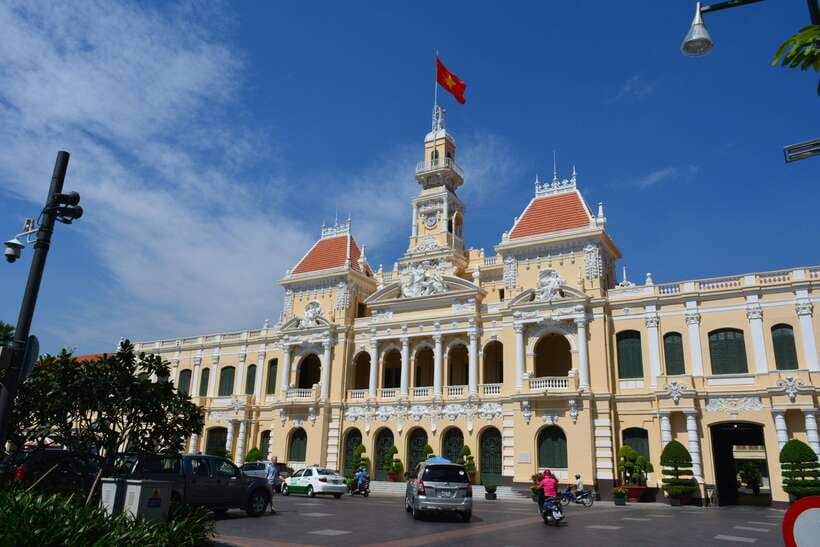
From there, the day leans into the French colonial look of central Saigon. You’ll walk to see Notre-Dame Cathedral (late 19th century) and the Saigon Central Post Office—both known for their classic architecture and photo-friendly details.
What I like here is that these stops aren’t just “pretty buildings.” You get a sense of how French-era design shaped the city’s layout and visual identity. Even if you’re not a design fanatic, it helps your brain get oriented fast: you’ll start seeing the city as layers, not just scenes.
Practical tip: wear shoes you can stand in for a while. This isn’t a sit-on-a-bus-and-watch kind of day. Expect walk time between stops.
Saigon’s Chinatown: Thien Hau Pagoda and Bình Tây Market
Chinatown is one of the strongest “change of pace” moments on this tour. You’ll head to Thien Hau Pagoda, dedicated to the Goddess of the Sea. This temple is decorated with intricate friezes, carved details, and those big incense coils that practically beg for photos—smoky, dramatic, and very specific to the place.
Then you’ll move on to Bình Tây Market. This is where the experience turns from historic sights into daily life. There’s free time and you can browse goods ranging from clothing to things like dried squid. It’s also a good place to slow down if you enjoy street-level watching: how people move, how stalls are arranged, how vendors work.
One caution: markets can be visually overwhelming. Go in with a simple plan. If you want textiles or small souvenirs, set a budget in your head before you start negotiating your way through options.
Also, dress modestly for religious sites. You’ll be asked to keep things respectful at temples, and it’s a good habit for any part of your day.
War Remnants Museum: the heavy stop that still makes sense
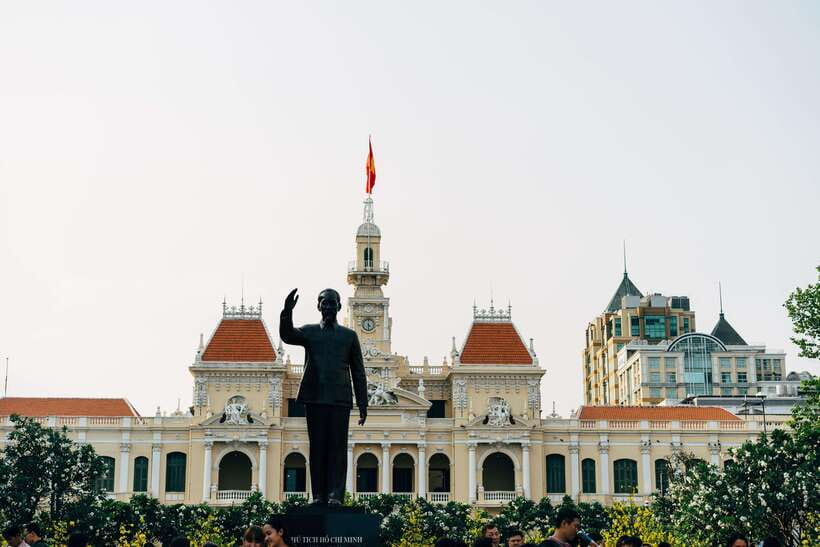
The War Remnants Museum is the emotional centerpiece of the day. It has displays tied to both the Indochina Wars, with galleries organized thematically across different floors. That structure helps because you’re not just staring at random photographs—you’re following an organized storyline.
In the courtyard, you’ll see massive military vehicles, including helicopters and tanks. There are also tiger cages on display, which show the harsh realities faced by prisoners. Inside, the museum explains war impact on Vietnamese people and highlights war crimes from that era.
Here’s how I’d think about this stop: it’s time-boxed (you’ll have about 45 minutes), so you won’t be able to read everything if you like to take your time. Go with intention. If you want just the “main message,” 45 minutes can be enough to leave changed. If you want the full deep-reading experience, you might want to come back another day.
It can feel intense. If you’re sensitive to graphic or distressing content, plan for a lower-energy afternoon afterward—which this tour mostly gives you, thanks to the later river ride and market wandering.


Notre-Dame Cathedral and Saigon Central Post Office: built for walking and photos
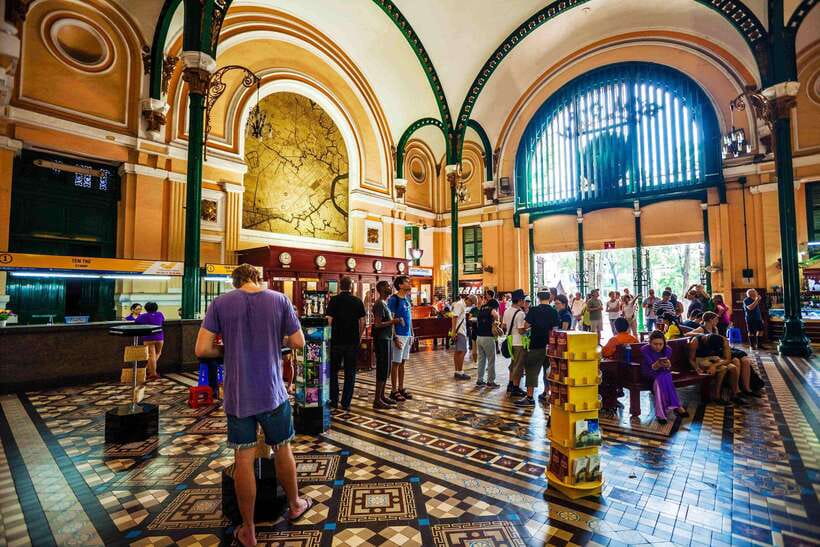
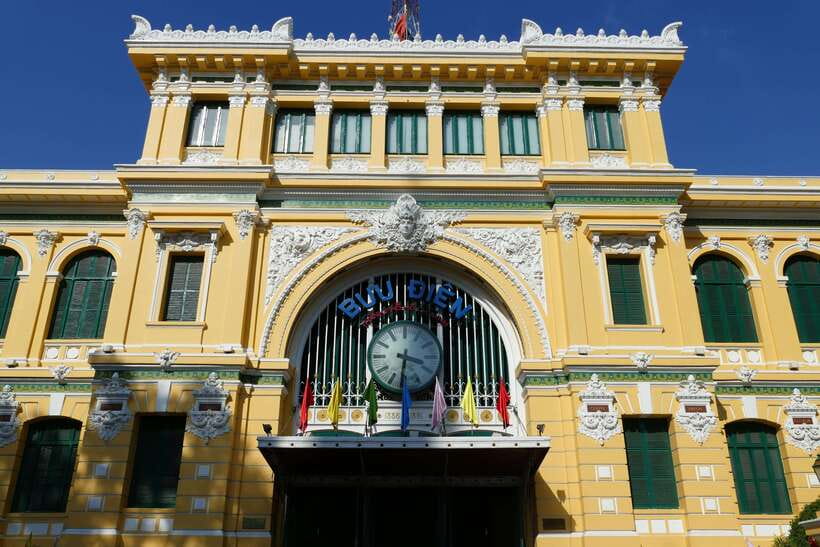
Two central landmarks get their moment in the schedule: Notre-Dame Cathedral and the Saigon Central Post Office. You’ll do a guided look at the post office, including time to admire the interior details and the giant map of Vietnam inside.
Then there’s Notre-Dame Cathedral with photo time and some additional free browsing time included in the stop. If you’ve visited other cathedrals, you’ll recognize the “big space” feeling—but the French colonial styling here makes it distinct in the Saigon context.
I like this pairing because it gives you both sides of the same architectural era: religious design plus civic design. You’ll see how a city built “from the outside” still carries daily life “from the inside.”
Lunch included: what you’re really paying for
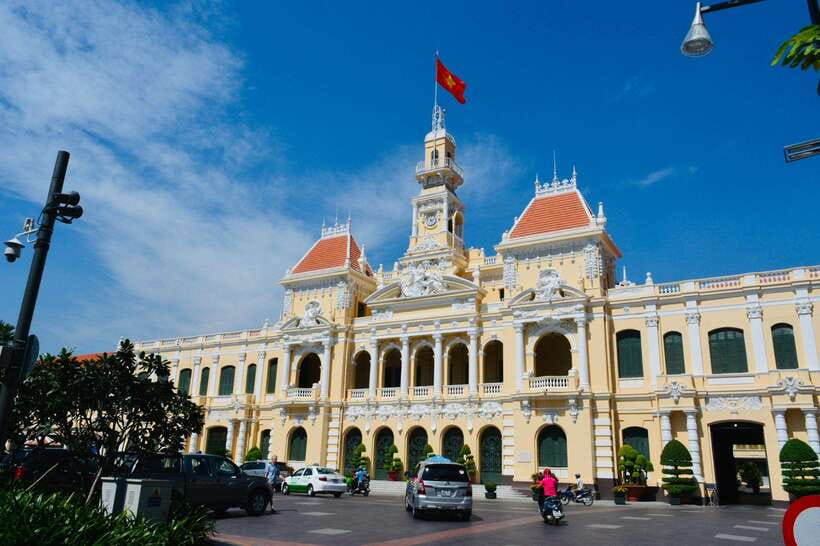
Lunch is included at a local restaurant, and it’s part of what makes the tour price feel reasonable. You’re not just paying for entry tickets. You’re also paying for a guided day where you don’t have to solve the lunch question at 11:30 AM.
The lunch itself is described as authentic Vietnamese cuisine prepared with fresh local ingredients. I can’t tell you exactly what menu items you’ll get, but you can plan for a normal sit-down meal that fits the pace of the day.
If you’re used to traveling fast and eating on the move, this is a nice reset. Still, keep an eye on your energy. After lunch, you’ll head back into the schedule with the War Remnants Museum and more walking.
Bình Đằng Port and the Saigon River water bus: a calm reset
After the museum and the central landmarks, you’ll head to Bach Đằng Port for the river portion. Here’s the highlight that most visitors remember: the water bus ride along the Saigon River.
You’ll enjoy a scenic ride of about 15 minutes, traveling from District 1 to District 2. The itinerary also includes additional sightseeing time at the river, which brings the total river section to about 45 minutes. Translation: you’re not just on the boat and gone—you’ll have moments to look at the skyline and take photos.
Why this matters: after intense history stops and crowded markets, the river gives your brain a breath. It also shows you a part of the city that isn’t just streets and sidewalks.
Bring your camera and keep it ready. The skyline views aren’t about postcard perfection; they’re about recognizing how the city actually sits along its waterways.
Ben Thanh Market at the end: shop like you mean it
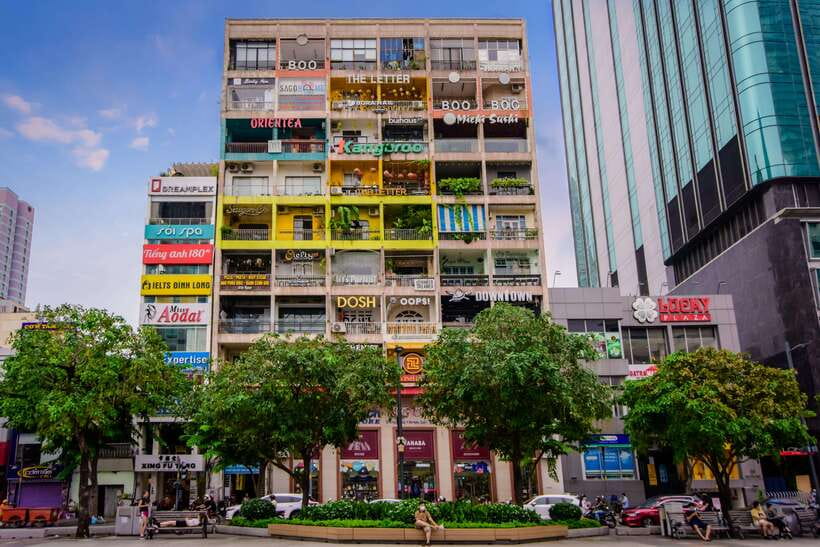
Ben Thanh Market is where the tour lets you shop at a human pace. It’s a busy hub where you can find everything from fresh produce to handicrafts and souvenirs, with time set aside to explore and browse.
I like putting the market at the end. By then, you’ve seen enough landmarks to know what kind of souvenirs you want, and you’re not making shopping decisions while rushing through earlier sights. You’ll also feel less “on schedule pressure” because you’re finishing the day with free time.
Keep it practical:
- Have a short list in mind (textiles, small gifts, simple keepsakes).
- Keep your valuables secure in crowds.
- Don’t feel like you must buy immediately. Market shopping works best when you compare.
Price and value: does $37 add up in real life?
At about $37 per person for a 1-day tour, you’re paying for a lot that usually costs extra. Included items are the big-ticket ones: hotel pickup and drop-off, air-conditioned transportation, an English-speaking guide, entrance fees, lunch, the water bus experience, and bottled water during the tour.
What that means in practice is fewer surprise expenses and less time wasted. If you tried to DIY this route, you’d spend time coordinating transport, paying for entrances one by one, and figuring out how to fit a river ride into a tight schedule.
There is one add-on to watch for: a 100,000 VND holiday surcharge applies on specific dates (including 01–03/09/2025, 01–03/02/2025, 29/04–02/05/2025, 02/09/2025, and 31/12–01/01/2026). You pay it on-site. If your travel dates match, it’s still likely worth it, but it’s smart to budget for it.
Who should book this tour, and who should skip it
This tour fits best if you want a high-structure day: guided context at major sites, photo stops, and real free time to shop. It’s also a strong choice for first-timers in Ho Chi Minh City who want the “big picture” fast—French colonial core, Chinatown temple life, a major war museum, and a river ride.
It may not be the best fit if:
- You need minimal walking. The tour includes a moderate amount of it.
- You rely on wheelchair access or have mobility limitations. It’s not suitable for wheelchair users or people with mobility impairments.
- You don’t want the emotional weight of the War Remnants Museum. It’s not optional on this route.
If you like a guide who can explain the why behind the stops, look for names that have come up in past feedback. For example, guides such as Sam and Ms. Duy have been singled out for making the day feel well-organized and genuinely interesting.
Should you book this Ho Chi Minh City highlights and water bus tour?
I’d book it if you want one day that covers the city’s main storylines without you doing a spreadsheet. The combination of Reunification Palace + French colonial sights, Chinatown temple and market time, the War Remnants Museum, and the Saigon River water bus to District 2 gives you variety that stays interesting.
Skip it if you’d rather move at a slow personal pace, or if the war museum content would be a deal-breaker emotionally. This is a thoughtful route, but it’s still a full-day schedule.
If your goal is value and convenience—plus a river ride you’ll actually remember—this is one of the easier ways to get it done in a single day.
FAQ
What time does the tour start?
The tour starts at 8:00 AM from your hotel in the center of Ho Chi Minh City (District 1).
Where is the meeting point if I’m not in District 1?
If you’re not picked up from central District 1 hotels, you’ll meet at SST Travel, 57 Le Thi Hong Gam, District 1, HCMC.
What is included in the tour price?
It includes hotel pick-up and drop-off, air-conditioned transportation, an English-speaking guide, entrance fees, lunch at a local restaurant, the water bus experience, and bottled water.
Are there any extra charges?
A 100,000 VND holiday surcharge applies for travel on 01–03/09/2025, 31/12–01/01/2026, and also listed dates including 01–03/02/2025 and 29/04–02/05/2025. It’s paid on-site.
What should I bring with me?
Bring comfortable shoes, a camera, and water. It’s also a good idea to bring an umbrella or raincoat if rain is forecasted.
Is there time for shopping?
Yes. You’ll have free time at Bình Tây Market and at the end of the tour you’ll visit Ben Thanh Market with time to explore and shop.
Is this tour suitable for wheelchair users?
No. It’s not suitable for people with mobility impairments and it’s not suitable for wheelchair users.